
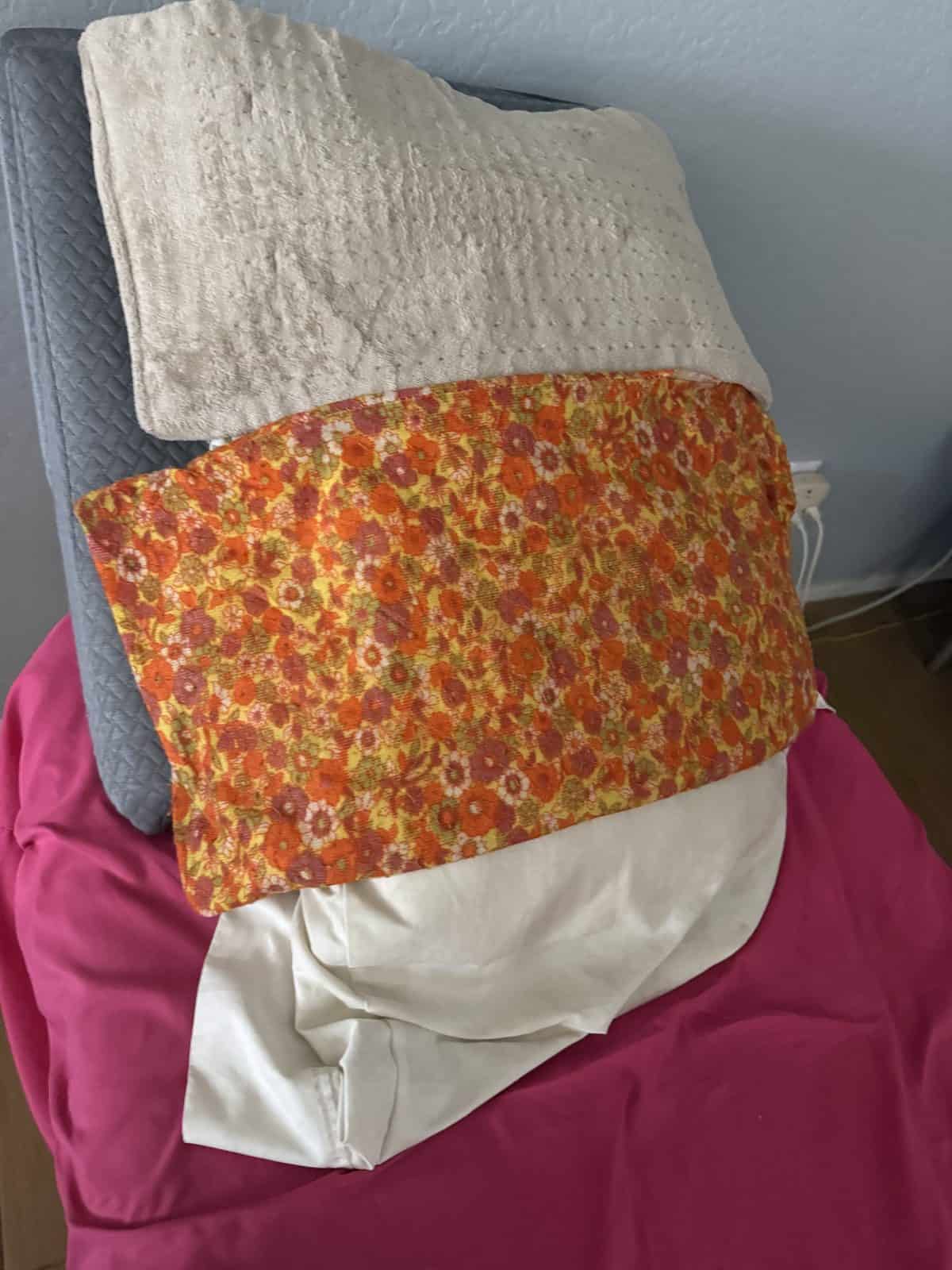
The best heating pad for back and neck is the Pure Enrichment PureRelief XL, a large pad with even, adjustable heat and auto shut-off for sore backs. The best heating pads for back and neck deliver steady, even warmth that relaxes tight muscles and eases stiffness. Applied heat increases blood flow to sore areas and can loosen the tension that builds from sitting, sleeping awkwardly, or overuse.
This is a product I can vouch for from real, long-term use. I keep a heating pad in my home and have had it for well over a decade, easily, and it still works exactly as it should. Whenever I have any soreness or tension, it reliably helps, which is why I trust this category and wanted to be honest about which parts of this guide come from my own use.
Quick Verdict
The Pure Enrichment PureRelief XL is the best overall, with large, even heat and handy controls. For neck and shoulders, the contoured Sunbeam Heated Neck and Shoulder Wrap stays put where a flat pad slides off. For use away from an outlet, the Renpho rechargeable cordless pad is the pick.
Why Trust This Guide
I have used a heating pad at home for more than a decade, so I know firsthand how reliable a quality pad is for everyday soreness and tension. The specific models below are research-based, drawn from independent reviews and manufacturer specifications cited in Sources, since I have not used every one. This article is general information, not medical advice; back and neck pain vary by person and deserve evaluation by a qualified provider.
Key Takeaways
- Heat relaxes tight muscles, eases stiffness, and increases blood flow to sore areas.
- Match the shape to your pain: large flat pads for the back, contoured wraps for the neck.
- Auto shut-off is the safety feature that matters most, in case you doze off.
- Corded pads give stronger, longer heat; cordless ones trade some power for freedom.
- Heat suits tension and chronic aches; cold is often better for fresh injuries with swelling.
Disclosure: RestRight is reader-supported. As an Amazon Associate, we earn from qualifying purchases made through links on this page, at no extra cost to you.
What I Use and How Long It Has Lasted
My own heating pad is an older corded electric pad with a soft fabric cover, and honestly, I have had it so long I can barely remember buying it. That longevity is the point I keep coming back to: a quality heating pad is one of those simple things that just keeps working. Mine has comfortably lasted over a decade, and it still delivers the same steady warmth it always has.
What I value is reliability. Any time I have soreness or tension in my back or neck, I reach for it, and the warmth loosens things up the way heat is supposed to. It is not a cure for anything, just a dependable comfort tool I have leaned on for years. That experience is why I rate this category highly, though the specific picks below come from research rather than testing each one. If neck tension is your issue, pairing heat with the right neck pillow helps address the cause as well as the symptom.
How We Picked the Best Heating Pads
We focused on even heat, useful controls, safety features, and the right shape for the area you want to treat. Auto shut-off earned the most weight, since it protects against overheating if you fall asleep. We compared large back pads, contoured neck and shoulder wraps, weighted designs, and cordless models, so there is a fit for where your pain sits and how you like to use heat.
We did not score the pads or invent test numbers. The picks reflect each pad’s size, shape, controls, and safety features, so you can match one to your sore spot and your routine.
1. Pure Enrichment PureRelief XL: Best Overall
The PureRelief XL is the heating pad most people should start with. It is a large, evenly heating pad with multiple heat settings and a simple controller, and it heats up quickly. Its size covers the lower or upper back well, and auto shut-off adds safety for longer sessions. Heel pain has its own overnight approach, covered in our night splint guide.
Why It Stands Out
The generous size covers a wide sore area, the heat is even, and it warms fast. Multiple settings let you dial in comfort, and many versions offer both dry and moist heat, which some find more penetrating. The soft fabric is pleasant against the skin.
Worth Knowing
It is a corded pad, so you stay near an outlet. A common use is draping it over the lower back on the couch, with auto shut-off handling the moment you nod off.
Get the PureRelief XL if you want a roomy, reliable back pad with safety features. Skip it if you need a contoured neck wrap or a cordless design.
2. Sunbeam XpressHeat Heating Pad: Best Fast, Strong Heat
The Sunbeam XpressHeat is the pick for people who hate waiting for a pad to warm up. It heats quickly and reaches a strong, steady warmth, with several heat levels to set the intensity, and it covers the back well. For deep, fast heat, it delivers.
Why It Stands Out
It warms fast and runs hot at the top settings, which suits stubborn stiffness. Several heat levels give control, the size covers the back, and the machine-washable cover keeps it fresh. Most versions include auto shut-off.
Worth Knowing
Because it runs warm, start low and work up to avoid overdoing it. It is corded, so it stays near a plug.
Choose the XpressHeat if you want fast, strong heat for the back. Skip it if you prefer gentle, low heat or a neck-specific shape.
3. MIGHTY BLISS Large Electric Heating Pad: Best Value
The MIGHTY BLISS is the value pick that covers the basics well. It is a popular, affordable large pad with several heat settings, dry and moist options on many versions, and a generous size for the back. For the price, it punches above its weight.
Why It Stands Out
It delivers a large, capable back pad at a budget-friendly price, with multiple heat levels and a moist-heat option on many versions. Auto shut-off is included, and the fabric is soft. For most everyday needs, it is plenty.
Worth Knowing
It is corded, so plan to stay near an outlet, and the build is more budget than premium. The basics are well covered even so.
Get the MIGHTY BLISS if you want a large, capable back pad on a budget. Skip it if you want premium materials or a cordless design.
4. Sunbeam Heated Neck and Shoulder Wrap: Best for Neck and Shoulders
This contoured wrap is the pick when your pain centers on the neck and shoulders. It is shaped to drape over the neck and shoulders and stay in place hands-free, targeting the exact area where desk and stress tension collects. The fit is what sets it apart.
Why It Stands Out
The contoured shape stays put where a flat pad slides off the neck, and some versions add a little weight to help it settle onto the shoulders. A magnetic or buttoned closure keeps it positioned. It heats the right spot hands-free.
Worth Knowing
It is built for the neck and shoulders rather than the broad back. For lower-back coverage, a large flat pad covers more area.
Choose this wrap if your pain centers on the neck and shoulders. Skip it if you mainly need to heat the lower back.
5. Comfytemp Weighted Heating Pad: Best Weighted Comfort
The Comfytemp adds gentle weight to a heating pad, which helps it sit snugly against the body. The weight plus warmth feels comforting and keeps the pad in contact with the sore area, and it often includes an auto-shutoff timer with several duration options. For a calming feel, it stands out.
Why It Stands Out
The added weight keeps the pad pressed against the sore spot and feels soothing, like a weighted blanket with heat. It drapes over the abdomen, back, or shoulders, and the controller usually offers fine heat and timer settings. The timer options add safety.
Worth Knowing
The weight makes it heavier to move around than a basic pad. Coverage depends on how you drape it rather than a fixed shape.
Get the Comfytemp if you like the calming feel of weight with heat. Skip it if you want the lightest, simplest pad or a neck-specific shape.
6. Renpho Rechargeable Cordless Heating Pad: Best Cordless
The Renpho cordless pad is the pick for heat away from an outlet. A rechargeable battery frees you to use it on the couch, in bed, or on the go, which suits people who move around while treating sore muscles. It is the most flexible option here for placement.
Why It Stands Out
The cordless design lets you place heat anywhere without a nearby plug, ideal for travel, commutes, or moving between rooms. It is simple to keep ready and easy to position. For freedom of placement, nothing here beats it.
Worth Knowing
Battery life limits how long it runs before recharging, and the heat may be milder than a plugged-in model at full power. Check the run time and heat levels against your needs.
Choose the Renpho if you want portable, plug-free heat. Skip it if you want the strongest, longest-lasting heat, where a corded pad is more dependable. Our comparison covering how heat and ice compare sets the two approaches next to each other.
Heating Pads at a Glance
| Heating Pad | Type | Power | Best for |
|---|---|---|---|
| Pure Enrichment PureRelief XL | Large flat pad | Corded | Best overall |
| Sunbeam XpressHeat | Large flat pad | Corded | Fast, strong heat |
| MIGHTY BLISS Large | Large flat pad | Corded | Value |
| Sunbeam Neck and Shoulder Wrap | Contoured wrap | Corded | Neck and shoulders |
| Comfytemp Weighted | Weighted pad | Corded | Weighted comfort |
| Renpho Cordless | Rechargeable pad | Cordless | Use anywhere |
How to Choose a Heating Pad
Size and Shape
A large flat pad covers the lower or upper back, while a contoured wrap is built to stay on the neck and shoulders. Match the shape to where your pain sits, since a flat pad slides off the neck. Pick the form that targets your problem area.
Heat Levels and Controls
Multiple heat settings let you start low and adjust, which is safer and more comfortable. A clear controller and a timer help you avoid overdoing it. Look for settings you will actually use rather than the highest number.
Safety Features
Auto shut-off is the key safety feature, since it turns the pad off if you fall asleep. A washable cover keeps it hygienic. These matter more than they seem until the moment you doze off.
Corded or Cordless
Corded pads give stronger, longer-lasting heat but tie you to an outlet, while cordless pads offer freedom at the cost of run time and sometimes intensity. Many people keep a corded pad at home and value cordless only when mobile. Choose based on where you use it.
Heating Pad vs Ice Pack
When Heat Helps
Heat relaxes tight muscles and eases stiffness, which makes it a common choice for tension and chronic aches, and it increases blood flow to the area. Many people reach for heat for a stiff, sore back or neck. It is the everyday tension reliever.
When Cold Helps
Cold is often used for fresh injuries and swelling, since it can numb the area and reduce inflammation. Some people alternate the two, using cold soon after a strain and switching to heat later for lingering stiffness. When unsure, a doctor can advise.
Pairing Heat With Other Relief
Massage and Mobility
Soft-tissue work loosens what heat has relaxed. A massage gun and massage balls help release tight muscles, and some people add a TENS unit. Use heat first, then work the area while it is loose.
Stretch It Out
A gentle stretch after heat can feel especially good on a tight lower back. A back stretcher gives a passive extension, and an acupressure mat helps some people relax. Keep stretches gentle and brief.
Fix the Root Cause
Heat treats the symptom, so it helps to address what is causing the pain. Our guides to back pain from working from home and sleeping with lower back pain cover the daily habits behind it. Staying active is part of keeping a back healthy over the long run. Solving the cause reduces how often you need the pad.
How to Use a Heating Pad Safely
Protect Your Skin
Place a thin layer of fabric between the pad and bare skin if the heat feels strong. Avoid the highest setting for long stretches, since it can irritate or burn the skin. Comfortable warmth works as well as intense heat.
Keep Sessions Sensible
Use heat in reasonable sessions rather than for hours on end. A timer or auto shut-off helps you avoid overdoing it. Repeated short sessions are kinder to the skin than one marathon.
Know When to Skip Heat
Heat is not right for a fresh injury with swelling, where cold is often used instead. If you have reduced skin sensation or a medical condition, check with a doctor first. When unsure which to use, ask a professional.
Common Heating Pad Mistakes to Avoid
Falling Asleep on a Heating Pad
Sleeping on a pad without auto shut-off risks burns and overheating. Choose a pad with auto shut-off, and avoid using one in bed if you might doze off. The shut-off feature exists for exactly this reason.
Using Heat That Is Too High
Cranking the heat to the max can irritate or burn the skin, especially over a long session. Start on a lower setting and add a thin layer between the pad and bare skin if it feels intense. Comfortable warmth beats maximum heat.
Ignoring Reduced Sensation
People with diabetes, neuropathy, or reduced skin sensation can burn without feeling it, and some should avoid heat on certain areas. If that applies to you, ask a doctor before using a heating pad. This is the safety point that matters most.
Recommended Reading
- Back Stretcher vs Neck Traction
- pillows for neck pain
- how to sleep with neck pain
- foot massagers bedtime relaxation
- cervical pillows
- why does my neck hurt in the morning
- calf massagers for aching legs
Heating Pads for Back and Neck FAQ
What is the best heating pad for back and neck pain?
For most people, the Pure Enrichment PureRelief XL is the top pick thanks to large, even heat and auto shut-off. For neck and shoulder pain, a contoured wrap like the Sunbeam Neck and Shoulder Wrap fits better, and a cordless pad suits use away from an outlet.
Is heat or ice better for back pain?
Heat relaxes tight muscles and eases stiffness, which suits tension and chronic aches, while cold is often used for fresh injuries and swelling. The right choice depends on your situation, and a doctor can advise when you are unsure.
How long should I use a heating pad?
Use heat in reasonable sessions rather than for hours, and follow the pad’s instructions. Short sessions of comfortable warmth a few times a day are gentler on the skin than one long session. If pain persists despite regular use, it is worth seeing a professional.
Can I sleep with a heating pad on?
It is safest not to, since falling asleep on a pad risks burns and overheating. If you use one in bed, choose a pad with auto shut-off and avoid lying directly on it. Treat the shut-off as a backup, not a reason to fall asleep on the pad.
Is moist or dry heat better?
Both can help, and many pads offer a moist-heat option that some find more penetrating. Moist heat can feel deeper for stiff muscles, while dry heat is simpler for everyday use. Try both if your pad supports them and see which feels better.
Who should be careful using a heating pad?
People with diabetes, neuropathy, reduced skin sensation, or certain conditions can burn without feeling it and should ask a doctor first. Heat is also not appropriate for fresh injuries with swelling. When in doubt, check with a professional.
Will a heating pad help me sleep?
It can help indirectly by easing the soreness and tension that make it hard to get comfortable, especially in the evening. In my own use, warming a sore spot before bed makes settling in easier. Pair it with addressing the cause of the pain for lasting relief.
When should I see a doctor about back or neck pain?
See a professional if pain is severe, persistent, follows an injury, or comes with numbness, tingling, or weakness. A heating pad eases symptoms but does not treat an underlying cause, so lingering pain deserves an evaluation.
Recommended Reading
See also our guides to neck massagers, and how to fall back asleep after waking up.
This article is for general information and is not medical advice. Back and neck pain vary by individual and require evaluation by a qualified healthcare provider for diagnosis and treatment.
