
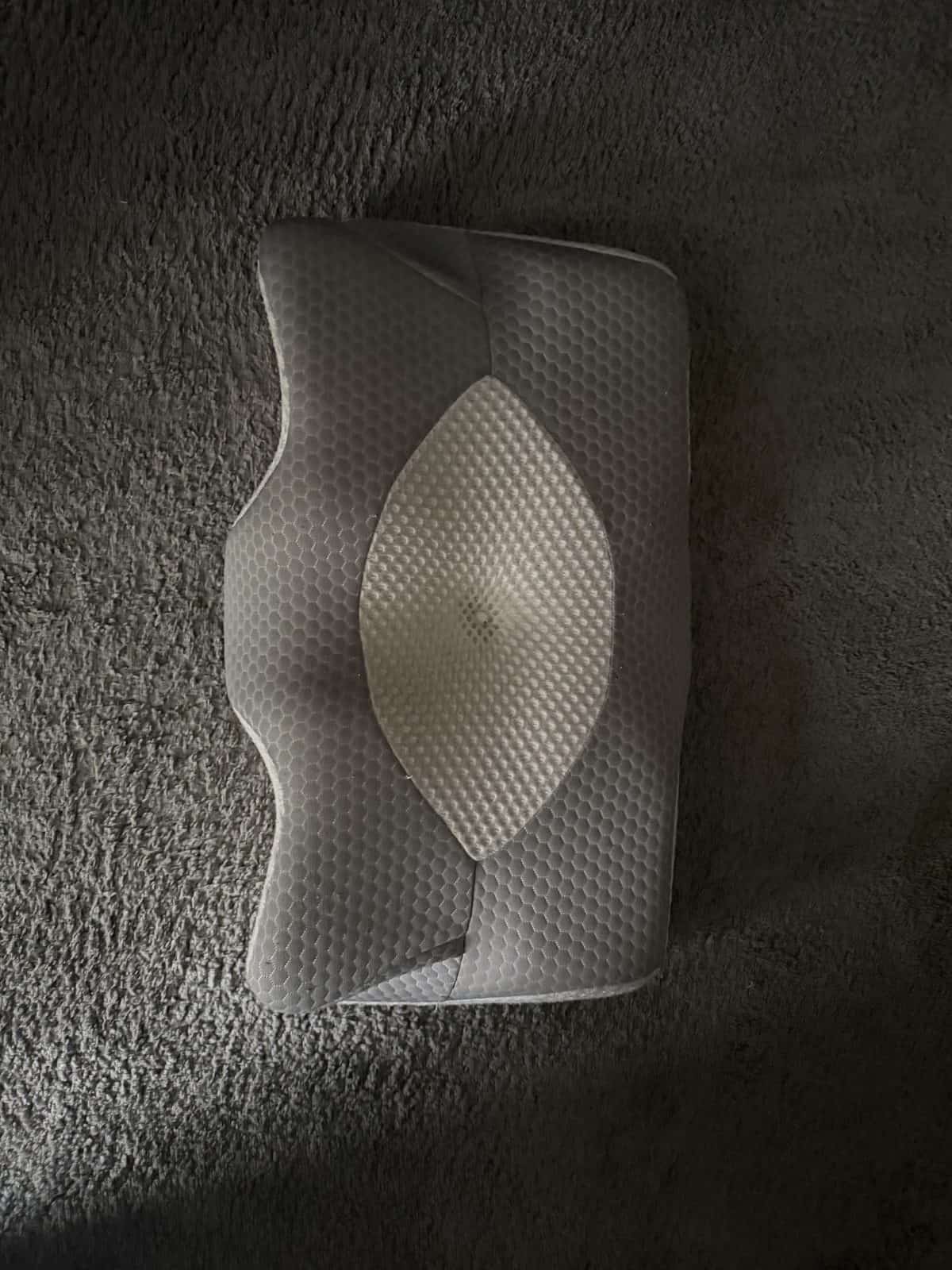
The best cervical pillow for most people is the Elviros Cervical Memory Foam Pillow, a contoured, dual-height design with side cutouts that supports the neck for back and side sleepers. The best cervical pillows use a molded, contoured shape to cradle your head while a raised ridge supports the natural curve of your neck. That ergonomic profile is what sets them apart from a flat pillow, and it is why they are recommended for neck support.
I own and use a contour cervical pillow myself, so I can speak to how that shape actually feels. I will be upfront about one thing: I use mine for propping up while I work or watch TV rather than for sleeping, so the overnight picks below lean on research where my own experience does not reach.
Quick Verdict
The Elviros is the best overall cervical pillow, with a contoured, dual-height shape and arm cutouts for side and back sleepers. For adjustable height, the UTTU Sandwich Pillow lets you tune the loft. For shoulder pain specifically, the Coisum butterfly shape gives the arms room and eases shoulder strain.
Why Trust This Guide
I use a contour cervical pillow daily, so I know firsthand how the raised ridge and head cradle feel against the neck. Because I use mine for propping rather than overnight sleep, the specific picks below are research-based, drawn from independent reviews and manufacturer specifications cited in Sources. This guide is general information, not medical advice; if you have ongoing neck pain or a diagnosed condition, talk with your doctor.
Key Takeaways
- A cervical pillow uses a contoured shape to cradle the head and support the neck’s curve.
- Many have two heights, a taller ridge for back sleeping and a lower one for other positions.
- Butterfly shapes with side cutouts give the arms room and suit side sleepers.
- Loft matters: too high or too low both strain the neck, so match it to your position.
- There is an adjustment period of a couple of weeks as your neck adapts to the shape.
Disclosure: RestRight is reader-supported. As an Amazon Associate, we earn from qualifying purchases made through links on this page, at no extra cost to you.
What I Use and How It Helps
My cervical pillow is the butterfly-style contour type, gray with a honeycomb-knit cover, two raised ridges of different heights, and a recessed cradle in the middle. I could not confirm the brand, so I will not name one, but I can tell you how I actually use it. I keep it on the bed and lean against it while I work on my laptop or watch TV, and the contour holds my neck in a way a flat pillow never did.
What it does well for me is posture and stiffness. When I sit propped up for a while, it keeps my neck supported instead of letting my head drift forward, and any time my neck is stiff or sore, the contour shape genuinely helps ease that tension. The honest limit is sleep: I do not sleep on it, so I cannot speak to how it performs across a full night or for a specific sleep position. For that, the picks and guidance below come from research and from how these pillows are designed to align the neck during sleep. If neck pain is your main issue, our guide to pillows for neck pain covers other pillow types beyond the contour shape.
How a Cervical Pillow Works
A cervical pillow is shaped to keep your head and neck in neutral alignment, so the spine stays in a straight line rather than bending up or down. Sleep health resources note that a well-designed pillow supports the head and reduces strain on the neck muscles, which can ease pressure and morning stiffness. The contour does this by cradling the head in a lower zone while a raised ridge fills the gap under the neck.
The catch is fit. The right loft depends on your sleeping position, since a side sleeper needs more height to fill the wider gap at the shoulder than a back sleeper does. That is why many cervical pillows offer two heights or adjustable fill. Getting the height right is the single most important factor in whether a cervical pillow helps or hurts.
1. Elviros Cervical Memory Foam Pillow: Best Overall
The Elviros is the cervical pillow most people should start with, and it is close to the butterfly style I use. It has a contoured memory foam shape with two heights, a taller side for back sleepers and a lower side for others, plus cutouts that give your top arm a place to rest. It suits back and side sleepers.
Why It Stands Out
The dual-height design lets back and side sleepers each find support, and the side cutouts keep the shoulder from hunching forward. The slow-rebound memory foam is firmer than a standard pillow without being as hard as latex, and the cover removes for washing. As a popular, well-reviewed contour pillow, it is the dependable default.
Worth Knowing
Like any contour pillow, it takes a couple of weeks to adjust to the fixed shape. The set heights may not suit everyone, since loft is not adjustable.
Get the Elviros if you want a proven contour pillow for back or side sleeping. Skip it if you need to fine-tune the height yourself.
2. EPABO Contour Memory Foam Pillow: Best for All Sleep Positions
The EPABO is the versatile pick that works across positions. It is a contour memory foam pillow with a central head cradle and a neck bridge, and many versions let you remove an insert to adjust the height. Experts have pointed to its cradle-and-bridge shape for neck support.
Why It Stands Out
The contour cradles the head while the raised bridge supports the neck, and the removable insert lets you lower the loft if the standard height feels too tall. It comes in sizes, the cover is washable, and it suits side, back, and stomach sleepers. For broad compatibility, it is a strong choice.
Worth Knowing
As with most memory foam, expect a short break-in odor that airs out. The first couple of weeks take adjustment as your body settles into the shape.
Choose the EPABO if you want a contour pillow that adapts across sleep positions. Skip it if you want a butterfly shape with arm cutouts.
3. Coisum Cervical Contour Pillow: Best for Shoulder Pain
The Coisum is the pick when shoulder pain travels with your neck pain. It is a dense memory foam pillow with a distinctive butterfly shape, a hollow center for the head, and side depressions that accommodate the arms. The shape is built to ease shoulder soreness.
Why It Stands Out
The butterfly design keeps the shoulder from hunching forward and gives the arms a place to rest, which helps side sleepers especially. The hollow center cradles the head while the contour supports the neck, and the dense foam absorbs cervical pressure. For shoulder-and-neck pain together, it targets the problem.
Worth Knowing
The unusual shape takes getting used to, and the dense foam is firm. It is designed around side and back sleeping more than stomach sleeping.
Get the Coisum if shoulder pain is part of your picture. Skip it if you sleep on your stomach or want a softer feel.
4. UTTU Sandwich Pillow: Best Adjustable Height
The UTTU Sandwich Pillow is the pick for dialing in the loft. It is a contour memory foam pillow with a removable middle layer, so you can set it taller or lower to match your position. That adjustability solves the most common cervical pillow problem.
Why It Stands Out
The removable insert lets you tune the height, which matters because the wrong loft is what makes a contour pillow fail. It has the dual-height contour shape, a cooling cover, and suits side, back, and stomach sleepers. For getting the fit right, it stands out.
Worth Knowing
Finding your ideal configuration takes some experimenting at first. The contour shape still requires the usual adjustment period.
Choose the UTTU if height has been your sticking point with contour pillows. Skip it if you prefer a fixed, simple design.
5. Cushion Lab Deep Sleep Pillow: Best Premium
The Cushion Lab Deep Sleep is the premium ergonomic pick. It uses a patented contour design that gently cradles the head and supports the neck and shoulders, in a higher-quality foam and cover than budget pillows. It is built for side and back sleepers.
Why It Stands Out
The engineered contour is shaped to maintain neck alignment without the harsh firmness some contour pillows have, and the materials feel a step up. It cradles the head while supporting the neck and shoulders, and it has a strong reputation among contour pillows. For a premium feel, it delivers.
Worth Knowing
It sits at a higher price than budget contour pillows. The fixed ergonomic shape still needs a break-in period.
Get the Cushion Lab if you want a premium contour pillow and will pay for materials. Skip it if you want the lowest price or adjustable loft.
6. Royal Therapy Memory Foam Pillow: Best Value
The Royal Therapy is the value pick that covers the contour basics. It is a memory foam cervical pillow with a contoured shape for the head and neck, a washable cover, and a budget-friendly price. It suits side, back, and stomach sleepers.
Why It Stands Out
It delivers the core contour support, a head cradle and neck ridge, at a lower price than premium options, and the cover removes for washing. It works across sleep positions and has a solid review base. For trying a cervical pillow without spending much, it is sensible.
Worth Knowing
Budget foam may not match the longevity of premium picks over many years. The fixed shape needs the usual adjustment period.
Choose the Royal Therapy to try a contour pillow affordably. Skip it if you want premium materials or adjustable height.
Cervical Pillows at a Glance
The shapes, heights, and materials below come from each maker’s specifications.
| Pillow | Shape | Height | Best for |
|---|---|---|---|
| Elviros | Butterfly, arm cutouts | Dual height | Best overall |
| EPABO | Cradle and neck bridge | Removable insert | All positions |
| Coisum | Butterfly, arm room | Fixed | Shoulder pain |
| UTTU Sandwich | Contour | Adjustable layer | Custom height |
| Cushion Lab Deep Sleep | Patented ergonomic | Fixed | Premium |
| Royal Therapy | Contour | Fixed | Value |
How to Choose a Cervical Pillow
Match the Height to Your Position
Side sleepers need a taller loft to fill the wider gap at the shoulder, back sleepers need a medium height, and stomach sleepers need the lowest. Our guide to pillows for back sleepers covers loft for that position. Many contour pillows offer two heights or adjustable fill for this reason. Getting loft right is the most important step.
Fixed or Adjustable
A fixed contour pillow is simpler and often cheaper, while an adjustable one lets you tune the height if the standard loft is off. If you are unsure of your ideal height, adjustable removes the guesswork. Pick based on how confident you are in your fit.
Firmness and Foam
Cervical pillows are firmer than standard pillows to hold their shape and support the neck, though some run firmer than others. Denser foam supports more but feels harder at first. Choose a firmness you can tolerate nightly, since support only helps if you keep using it.
Cover and Cooling
A removable, washable cover keeps the pillow hygienic, and a breathable mesh or cooling cover helps if you sleep warm. Memory foam can trap heat, so the cover matters. Look for one that comes off easily for washing.
Cervical Pillow vs Regular Pillow
When a Cervical Pillow Helps
A cervical pillow helps when you wake with neck stiffness or your head is not staying aligned on a flat pillow. The contour holds your neck in a neutral position the way a flat pillow cannot. For alignment-related neck issues, it targets the cause.
When a Regular Pillow Is Fine
If you sleep comfortably without neck pain, a quality regular pillow at the right loft may be all you need. Some people also prefer an adjustable pillow they can shape themselves. The best pillow is the one that keeps your neck neutral, whatever its form.
Common Cervical Pillow Mistakes to Avoid
Choosing the Wrong Height
A loft that is too high or too low both bend the neck and can make pain worse. Match the height to your sleep position, or pick an adjustable model. This is the mistake that sinks most cervical pillow purchases.
Giving Up Too Soon
The contour shape feels strange for the first week or two as your neck adjusts. Give it a couple of weeks before deciding. Quitting on night one means you never reach the benefit.
Using It in the Wrong Position
A contour pillow built for back and side sleeping can feel wrong if you sleep on your stomach, where a very low loft is needed. Match the pillow to how you actually sleep. Our guide on sleeping with neck pain covers position too.
Expecting It to Cure a Medical Problem
A cervical pillow supports alignment, but it does not treat an underlying neck condition. Persistent or severe pain deserves a doctor’s evaluation. Pair good support with addressing the cause, and consider heat for everyday stiffness.
Recommended Reading
- when to use a cervical pillow
- pillows for neck pain
- pillows for side sleepers
- memory foam pillows
- why does my neck hurt in the morning
- pillows for tmj
Cervical Pillows FAQ
What is a cervical pillow?
A cervical pillow is a contoured, usually memory foam pillow shaped to cradle your head while supporting the curve of your neck. The raised ridge fills the gap under the neck to keep the spine aligned. It is also called a contour or orthopedic neck pillow.
What is the best cervical pillow?
For most people, the Elviros cervical memory foam pillow is the best overall, with a dual-height contour and arm cutouts for back and side sleepers. For adjustable height, the UTTU Sandwich Pillow is the pick, and the Coisum suits shoulder pain. The right one depends on your sleep position and loft needs.
Are cervical pillows good for neck pain?
They can help by keeping the neck in neutral alignment, which reduces strain on the neck muscles for many people. They are not a treatment for medical conditions, though. If pain is persistent or severe, see a professional.
How long does it take to adjust to a cervical pillow?
Most people need a week or two to adjust to the contour shape, which feels unfamiliar at first. Give it that time before deciding it does not work. The adjustment is your neck adapting, not the pillow failing.
Which side of a dual-height cervical pillow do I use?
Back sleepers generally use the taller ridge for more neck support, while side and stomach sleepers use the lower side. Try both and see which keeps your neck neutral. The goal is a straight line from head to spine.
Can I use a cervical pillow for sitting up?
Some people, myself included, use a contour pillow for propping up while reading, working, or watching TV, where the shape supports the neck and posture. It is not its primary design, but it works for that. For sleep, position the height to match how you lie down.
Are cervical pillows good for side sleepers?
Yes, especially butterfly shapes with side cutouts that give the arm room and fill the wider shoulder gap with a taller loft. Side sleepers need more height than back sleepers. Look for a model designed with a higher side for side sleeping.
How do I clean a cervical pillow?
Most have a removable cover you can machine wash, while the foam core should be spot-cleaned and aired rather than soaked. Follow the care label. Do not wash the memory foam itself, as it can break down.
Recommended Reading
See also our guides to pillows for fibromyalgia sufferers.
This article is for general information and is not medical advice. Neck pain varies by individual and may require evaluation by a qualified healthcare provider.
- Alongside the pillow, the rest of the kit for tense necks.
- how to choose the right pillow for your sleep position
- anti snoring pillows
- bamboo pillows
- signs a pillow is worn out
- whether you have too many pillows
Related: you use a cervical pillow as a side sleeper.
Related: cervical pillows supposed to be firm.
