
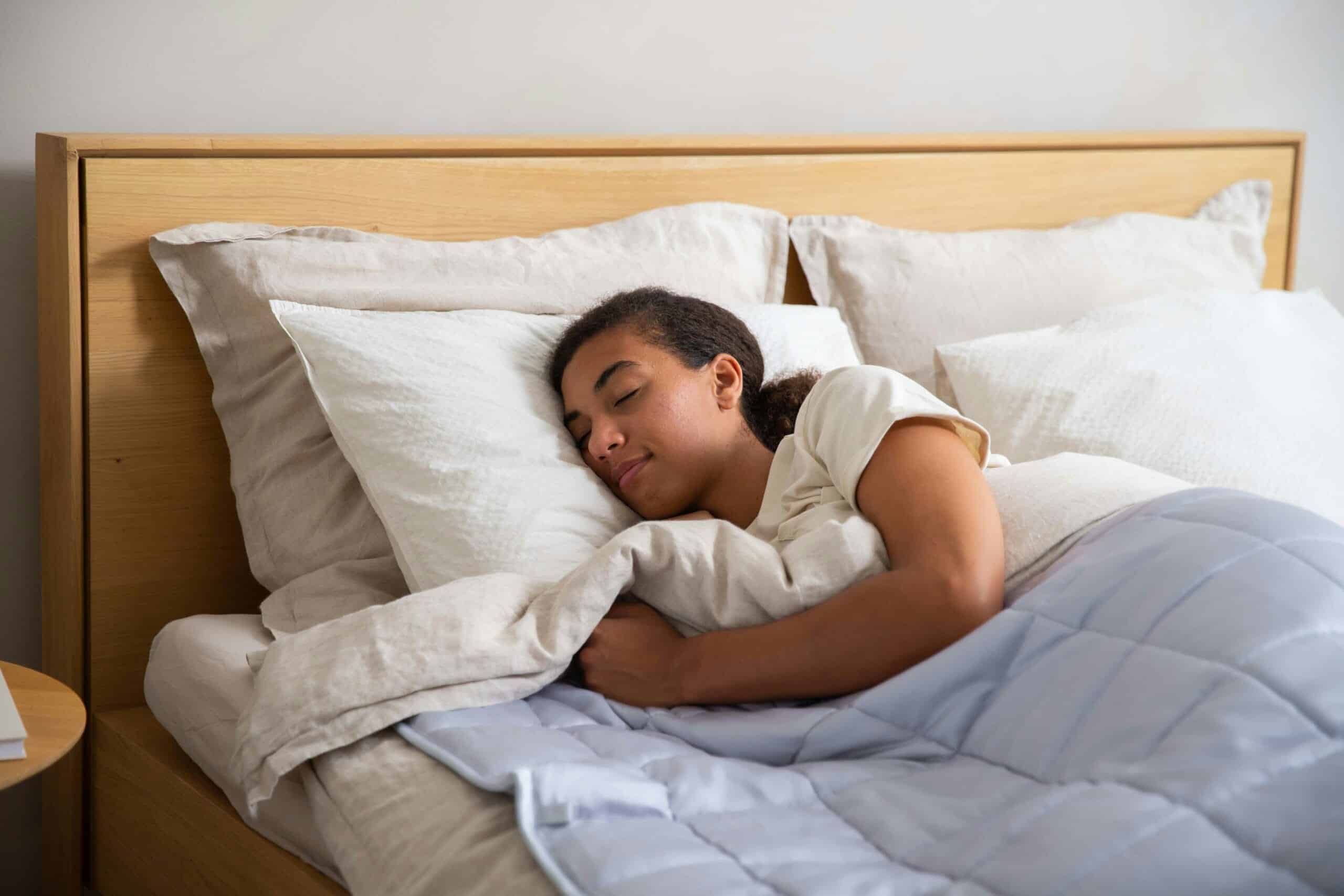
If you sleep on your side, your mattress has one job above all others: cushion the shoulders and hips while still holding your spine in a straight line. Get that balance wrong and you wake up with a sore shoulder, a numb arm, or a low back that took the strain all night. The best mattresses for side sleepers solve this with a soft-to-medium surface that lets the hips and shoulders sink in, layered over support that stops the rest of you from sagging. Below are six beds that pull it off, including the one I slept on myself for years as a lifelong side sleeper, with a clear note on who each is for and who should look elsewhere. For a wider view of the foam-versus-coil question, our guide to the best hybrid mattresses pairs well with this list. Not sure what firmness suits you? You can find your firmness range to get a quick starting point.
Quick Verdict
For most side sleepers, the DreamCloud Hybrid is the best all-around choice: a plush-but-supportive feel and cooling coils at a price well under what luxury direct-to-consumer brands charge. If you prefer the deep cradle of memory foam, the Nectar Premier is the one I used and trusted for pressure relief. Hot sleepers should lean toward the Bear Elite Hybrid, sleepers chasing the softest pressure relief should look at the Leesa Sapira Chill, and anyone on a tight budget can start with the Zinus Green Tea Memory Foam and still get real side-sleeper comfort.
Why Trust This Guide
I am a side sleeper who runs warm and deals with the occasional stiff shoulder and tight lower back, so I care about this category personally, not theoretically. Every pick here is chosen against the same rule: it must cushion the shoulder and hip line while keeping the spine level, and it must be genuinely available to buy rather than a brand you can only get through a single storefront. I left several heavily marketed names off this list on purpose because they do not meet that second test.
Key Takeaways
Side sleepers need a softer comfort layer than back or stomach sleepers, because the shoulder and hip stick out and need room to settle. Hybrids tend to sleep cooler and feel more supportive at the edge; all-foam beds tend to isolate motion better and cradle more deeply. Firmness preference scales with body weight: lighter sleepers usually want softer, heavier sleepers usually want firmer. Pair any of these with a supportive pillow that fills the gap between ear and shoulder, or the mattress alone will not fix neck strain.
Disclosure: RestRight is reader-supported. As an Amazon Associate, we earn from qualifying purchases made through links on this page, at no extra cost to you.
How We Picked the Best Mattresses for Side Sleepers
Picks had to do three things. First, relieve pressure at the shoulders and hips, the two points that carry your weight when you lie on your side. Second, keep the spine in neutral alignment so the lower back is neither hammocked nor propped. Third, be sold through normal retail channels so the recommendation is actually useful. I leaned on hands-on familiarity with memory foam in my own bed, plus published testing from sleep labs that pressure-map and temperature-test these beds, and I weighted cooling and edge support heavily because side sleepers spend time near the perimeter and many of us run warm. Brands that are comfortable but only sold direct, with no real path to purchase for most readers, were set aside no matter how well they review.
1. DreamCloud Hybrid: Best Overall for Side Sleepers
Best Overall | Hybrid | Medium-Firm
Why It Stands Out
The DreamCloud is the rare luxury-feeling hybrid that does not carry a luxury price. Soft foam comfort layers let the shoulder and hip settle in, while a pocketed-coil base lifts the midsection and keeps the spine straight. Testers across multiple labs consistently rate it well for side-sleeping pressure relief and spinal alignment, and the cashmere-blend cover plus gel foams keep it from sleeping as hot as a pure memory foam bed. For a side sleeper who wants one bed that simply works, this is the safest bet here.
Worth Knowing
Edge support and motion isolation are good rather than class-leading, so very light sleepers who share a bed with a restless partner may notice a little movement. It also runs frequent sales, so the queen often lands under a thousand dollars; it is worth buying on a sale rather than at full list.
Choose it if you want a do-everything hybrid with a cushioned side-sleep feel and cooler coils. Skip it if you specifically want the deep, slow sink of traditional memory foam, in which case the next pick suits you better.
2. Nectar Premier Memory Foam: What I Used as a Side Sleeper
What I Used | All-Foam | Medium
Why It Stands Out
This is the bed I can speak to from real use rather than a spec sheet. I slept on a Nectar memory foam mattress for years, and as a side sleeper the thing I noticed most was how the foam took the pressure off my shoulder. When I lie down, the comfort layer gives way under the shoulder and hip and then holds, so I do not get that dull ache in the joint that a too-firm bed leaves me with by morning. It is also one of the better foam beds for motion, so a partner shifting around does not telegraph across the whole mattress.
Worth Knowing
All-foam beds hold heat, and I run warm, so this is the honest trade-off: the cradle I love comes with a surface that warms up under me. I deal with it the way I would tell anyone to, by adding a cooling layer on top and using cooling pillows, rather than expecting the foam itself to sleep cold. The Premier line adds cooling materials over the standard Nectar, which helps, but if heat is your single biggest problem a coil-based hybrid will serve you better.
Choose it if you want that classic memory foam hug with strong shoulder and hip relief and quiet motion isolation. Skip it if you sleep extremely hot and do not want to bother with a cooling mattress pad on top.
3. Bear Elite Hybrid: Best for Cooling and Recovery
Best Cooling | Hybrid | Medium
Why It Stands Out
If you are a side sleeper whose number one complaint is waking up hot, this is the bed to beat. In lab cooling tests it posts among the fastest surface-cooling rates of any mattress, thanks to a cooling cover over breathable foams and coils. It still cradles the shoulder and hip well enough for side sleeping, and it has the strongest edge support in this group, which makes getting in and out of bed easier and gives you full use of the surface.
Worth Knowing
It carries a higher list price than the DreamCloud, so it makes the most sense if cooling or recovery is a genuine priority for you rather than a nice-to-have. The bounce of the coils means it feels less like sinking in and more like resting on top, which side sleepers who love a deep hug may find a touch firm.
Choose it if you run hot, want excellent edge support, or are active and value a responsive, recovery-minded feel. Skip it if you want the softest possible cradle or you are shopping on a tight budget.
4. Leesa Sapira Chill Hybrid: Best Hybrid for Pressure Relief
Best Pressure Relief | Hybrid | Choose Your Firmness
Why It Stands Out
The Sapira Chill earns its place on the strength of pressure relief. It carries a thick stack of foam over zoned coils that feel stronger under the torso and softer under the shoulders and hips, which is exactly the profile a side sleeper wants. In side-sleeping pressure-relief testing it scores at the very top of its class, and you can choose from multiple firmness levels to match your body weight, so lighter and heavier side sleepers can both dial it in.
Worth Knowing
All that comfort foam means you may feel some warmth in the top layers, though the breathable cover offsets most of it. Like the Bear, it sits in the premium tier on price, so it rewards sleepers who specifically want best-in-class cradling and are willing to pay for it.
Choose it if pressure relief is your top priority and you want to pick your own firmness. Skip it if you want the lowest price or the simplest one-firmness decision.
5. Casper: Best Balanced Feel
Balanced | All-Foam | Medium
Why It Stands Out
The original bed-in-a-box still makes a smart side-sleeper pick because of its zoned support: softer foam under the shoulders to let them sink, firmer foam under the hips and waist to hold alignment. The result is a balanced, medium feel that cushions pressure points without letting the lower back drop. Perforated foam in the comfort layer helps it breathe better than many all-foam beds, so it splits the difference between a deep foam hug and a cooler surface.
Worth Knowing
As an all-foam bed it has the usual modest edge support, so sitting on the very perimeter sinks more than it would on a hybrid. Heavier sleepers who need a lot of pushback may find it not quite firm enough on its own.
Choose it if you want a balanced, zoned medium feel that suits side sleepers who also drift onto their back. Skip it if you need strong edge support or extra firmness for a higher body weight.
6. Zinus Green Tea Memory Foam: Best Budget Pick
Best Budget | All-Foam | Medium
Why It Stands Out
You do not have to spend four figures to get real side-sleeper cushioning. The Zinus Green Tea is a long-running budget favorite that layers memory foam over a firmer support base, giving the shoulders and hips somewhere to settle for a fraction of the cost of the premium picks. For a guest room, a first apartment, or a side sleeper testing the waters before a bigger spend, it is a sensible entry point.
Worth Knowing
At this price you give up the cooling tech and the refined edge support of the pricier beds, and foam this affordable can feel a little less durable over many years of nightly use. It is best thought of as great value rather than a forever bed for a heavy nightly sleeper.
Choose it if you want honest side-sleeper comfort at the lowest price. Skip it if you sleep hot, are on the heavier side, or want a mattress to last a full decade. For more options in this range, see our roundup of the best mattresses under 1000 dollars.
Side-Sleeper Mattress Comparison
| Mattress | Type | Feel | Approx. Queen Price | Best For |
|---|---|---|---|---|
| DreamCloud Hybrid | Hybrid | Medium-firm | $699 to $999 | Best overall |
| Nectar Premier | All-foam | Medium | $1,099 | Memory foam cradle |
| Bear Elite Hybrid | Hybrid | Medium | $1,200 to $1,621 | Hot sleepers, recovery |
| Leesa Sapira Chill | Hybrid | Choose firmness | $1,200 to $1,599 | Pressure relief |
| Casper | All-foam | Medium | $900 to $1,295 | Balanced zoned feel |
| Zinus Green Tea | All-foam | Medium | $300 to $400 | Budget |
How to Choose a Mattress for Side Sleeping
Match Firmness to Your Body Weight
Firmness is not one-size-fits-all. Lighter side sleepers do not press deeply enough into a firm bed to get pressure relief, so they want softer. Heavier side sleepers sink too far into a soft bed and lose alignment, so they want firmer. Average-weight sleepers land in the medium to medium-firm window, which is why most of the picks above cluster there.
Prioritize the Comfort Layer
The top few inches do the work for side sleepers. A thicker, more conforming comfort layer is what lets the shoulder and hip settle so they are not jammed against a hard surface. This is the single most important spec for your sleeping position, ahead of brand or coil count.
Decide How Much Cooling You Need
If you run warm the way I do, lean hybrid, or plan to add a cooling layer on top of an all-foam bed. Coils move air; dense foam traps it. Being honest with yourself about heat now saves a return later. Our guide to a cooling mattress pad covers the add-on route.
Do Not Forget the Pillow
A side sleeper has a wide gap between the ear and the outer shoulder, and the pillow has to fill it to keep the neck level. Even the best mattress cannot fix that alone. Pair your choice with a loftier pillow built for the position; our picks for the best pillows for side sleepers and a knee pillow for hip alignment both help.
Memory Foam vs Hybrid for Side Sleepers
When Memory Foam Wins
All-foam beds like the Nectar and Casper give the deepest cradle and the quietest motion isolation, which makes them ideal if you love the sinking-in feeling, share a bed with a restless partner, or want maximum shoulder relief. The trade-off is heat retention and softer edges. This is the route I went personally, with cooling accessories to manage the warmth.
When a Hybrid Wins
Coil-based beds like the DreamCloud, Bear, and Leesa sleep cooler, support the edge better, and feel more responsive, so they suit hot sleepers, anyone who sits on the edge of the bed often, and people who dislike feeling stuck in foam. For a deeper look at the two constructions, see our memory foam vs hybrid breakdown.
Common Side-Sleeper Mattress Mistakes
Buying Too Firm
Plenty of side sleepers assume a firmer bed is healthier and end up with a sore shoulder. For your position, the surface needs to yield at the shoulder and hip. Too firm is the most common regret in this category.
Ignoring Body Weight
Reading a review from someone who weighs very differently than you and buying their pick is a setup for disappointment. Always filter firmness advice through your own weight, since the same bed feels firmer to a lighter person and softer to a heavier one.
Overlooking the Trial Period
Your body needs a few weeks to adjust to a new surface, and first impressions can mislead. Buy from a seller with a real sleep trial and actually use the window before deciding.
Treating the Mattress as a Medical Fix
A supportive mattress can ease everyday aches, but it is a comfort tool, not a treatment. If shoulder, hip, or back pain is persistent or wakes you regularly, see a clinician rather than swapping beds repeatedly hoping for a cure.
Recommended Reading
Keep going with the best memory foam mattresses, mattresses for side sleepers with shoulder pain, toppers for side sleepers, mattresses for back pain, and how to sleep with shoulder pain.
Frequently Asked Questions
What firmness is best for side sleepers?
Most side sleepers do best in the medium to medium-firm range, soft enough to cushion the shoulder and hip but supportive enough to keep the spine level. Lighter sleepers shift softer and heavier sleepers shift firmer.
Is memory foam or a hybrid better for side sleeping?
Both work. Memory foam gives a deeper cradle and quieter motion, while hybrids sleep cooler and support the edges better. Pick based on whether heat or that sinking-in feel matters more to you.
Why does my shoulder hurt on my current mattress?
Usually the bed is too firm, so the shoulder cannot settle and presses against a hard surface all night. A more conforming comfort layer, or a soft topper as a stopgap, typically relieves it.
Do I need a special pillow as a side sleeper?
Yes. Side sleeping leaves a tall gap between your ear and shoulder, so you want a loftier, supportive pillow to keep the neck aligned. A knee pillow between the legs also helps level the hips.
Are these mattresses good for hot sleepers?
The hybrids, especially the Bear Elite, are the strongest choices for heat. If you prefer an all-foam bed but sleep warm, add a cooling pad on top to offset the foam’s tendency to trap heat.
How long should a side-sleeper mattress last?
A quality mattress generally serves well for several years before comfort declines. Budget all-foam beds tend to soften sooner, while hybrids with sturdy coils usually hold their feel longer.
Can a new mattress help with back pain?
It can ease everyday stiffness by keeping your spine aligned, but it is a comfort aid, not a cure. Persistent or worsening pain is worth a conversation with a clinician.
Should I buy a firmer bed if I share it with a back sleeper?
A medium to medium-firm bed is the usual compromise that keeps a side sleeper cushioned and a back sleeper supported. A zoned model like the Casper, or a hybrid with a balanced feel, tends to please both.
Related Reading
Explore more: mattresses college dorms, mattresses pregnancy, mattresses for arthritis, mattresses for combination sleepers, mattresses for rv and camper use, daybed mattresses, mattresses seniors, and mattresses for platform beds.
Sources
- how to choose a mattress
- Sleep Foundation. “Best Mattress for Side Sleepers.” sleepfoundation.org
Recommended Reading
See also our guides to mattresses for combination sleepers, and mattresses pregnancy.
Trial periods carry the weight for online purchases. What the fine print says covers break-in periods and return costs.
