
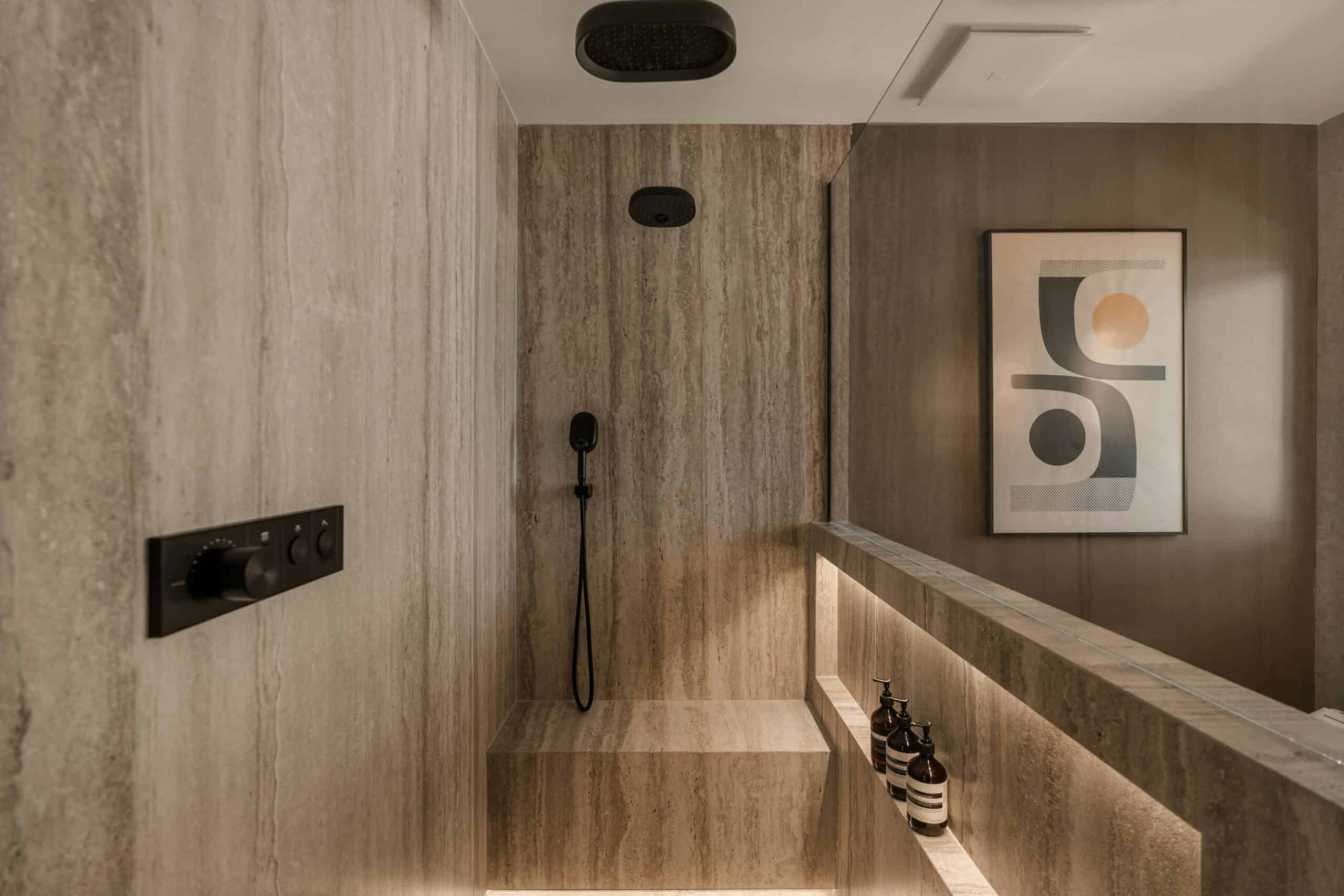
Yes, and the reason is counterintuitive: warming your skin makes your core temperature fall faster, and a falling core temperature is one of the signals that starts sleep. Whether a warm shower before bed helps you sleep depends mostly on timing, because the benefit comes from the cooling that follows rather than from the warmth itself.
About one to two hours before bed is the window. Our guide to relaxing before bed covers where this fits in an evening.
| Variable | What works | Why |
|---|---|---|
| Timing | 1 to 2 hours before bed | Leaves time for core temperature to drop |
| Temperature | Warm, not hot | Hot raises core temperature instead |
| Duration | 10 minutes is enough | Skin warming happens quickly |
| Shower or bath | Either | A bath warms more thoroughly, a shower is close |
| Focus area | Hands and feet matter most | Most heat leaves through the extremities |
| Room afterward | Cool bedroom | Supports the drop rather than fighting it |
A Quick Note
This is general information, not medical advice. Very hot water is not appropriate for everyone, including people who are pregnant or who have cardiovascular conditions, low blood pressure or reduced skin sensation. Anyone unsure whether hot bathing is safe for them should ask a doctor.
Quick Answer
A warm shower or bath one to two hours before bed brings blood to the skin, which dumps heat and accelerates the core temperature fall that sleep onset depends on. Keep the water warm rather than hot, ten minutes is plenty, and follow it with a cool bedroom. A hot shower immediately before bed can work against you.
Why Warming Cools You Down
Your core temperature follows a daily rhythm. It peaks in the early evening and falls through the night, reaching its lowest point in the early hours.
Sleep onset is tied to the falling part of that curve. A faster fall tends to mean falling asleep sooner.
Warm water causes peripheral vasodilation, meaning blood vessels near the skin widen and blood moves toward the surface. That surface blood radiates heat away.
The net result is that you lose core heat faster once you step out. Warming the outside is how you cool the inside.
Timing Is the Whole Thing
The cooling happens after the shower rather than during it. That is why one to two hours beforehand works better than immediately before getting into bed.
Straight from a hot shower into bed means you are still warm when you lie down, which delays rather than helps.
Ten minutes in the water is enough to move blood to the skin. Longer does not add much.
If your evening does not allow a full two hours, anything above about thirty minutes still leaves some of the drop to work with. Our guide to building a bedtime routine covers slotting it in.
Warm, Not Hot
There is a temperature above which the effect reverses. Water hot enough to raise your core temperature rather than just your skin temperature works against sleep onset.
Comfortably warm is the target. If you are visibly flushed and sweating afterward, it was too hot.
Very hot bathing also raises heart rate and can leave you feeling activated rather than settled, which is the opposite of the intended effect.
The sauna version of the same question has its own timing. Our guide to how long a sauna session should be before bed covers the higher-heat case.
Hands and Feet Carry Most of the Heat
Heat leaves the body mainly through the extremities, because that is where the blood vessels sit closest to the surface with the most area.
That is why a warm foot soak produces a surprising amount of the effect for far less effort than a full bath.
It also explains the opposite problem. Cold feet constrict those vessels, which traps heat in the core and slows the drop.
Our guide to why cold feet make it hard to sleep covers that side, and our roundup of foot massagers for bedtime covers the warming-plus-relaxation combination.
What You Do Afterward Matters
A cool bedroom supports the fall. A warm one fights it, and a shower cannot outrun a room that is too hot.
Bedding matters for the same reason. Heavy layers trap the heat you just went to the trouble of releasing.
Our guide to the best bedroom temperature for sleep covers the range worth aiming for.
Our guide to whether a cooling bedroom helps insomnia covers the evidence on the room side specifically.
The Other Reasons It Helps
- It is a boundary. A shower separates the day from the evening in a way that is hard to fake.
- It removes screens for ten minutes. Difficult to scroll in the shower.
- Muscle relaxation is real. Warmth reduces muscle tension, which helps if tension is what keeps you awake.
- It is a consistent cue. Repeated nightly, it becomes a signal rather than just an activity.
- It handles the sweat problem. Going to bed clean and dry beats going to bed warm and damp.
- It costs nothing. No device, no supplement, no side effects at sensible temperatures.
Our guide to how screens affect sleep covers the habit the shower displaces.
Morning Showers Do the Opposite Job
The same mechanism runs in reverse in the morning. A cool or cold shower raises alertness by constricting surface vessels and producing a brief stress response.
That is useful at 7am and unhelpful at 10pm. Cold water before bed works against the settling you are aiming for.
People who shower in the morning out of habit sometimes assume the evening version is the same event moved. It is not, and the temperature they pick usually gives it away.
When It Will Not Be Enough
A temperature nudge is a small input. It helps sleep onset and it does not treat insomnia, pain, apnea or a schedule that is wrong.
If you fall asleep easily but wake repeatedly, the shower is aimed at the wrong part of the night. Sleep maintenance has different causes from sleep onset.
Night sweats are worth separating out too, since a warm shower can make the first part of the night worse for someone already overheating. Our guide to reducing night sweats covers that.
Persistent trouble falling asleep despite sensible timing and temperature is worth raising with a doctor rather than layering on more evening habits.
Sources
- American Academy of Sleep Medicine, patient guidance on sleep hygiene
- National Heart, Lung, and Blood Institute, patient information on healthy sleep
Frequently Asked Questions
Does a warm shower before bed help you sleep?
Yes, for most people. Warm water brings blood to the skin, which releases heat and speeds up the core temperature fall that sleep onset depends on. The benefit comes from the cooling afterward, which is why timing matters more than anything else.
How long before bed should you shower?
One to two hours is the window, because the core temperature drop happens after you get out rather than during. Thirty minutes still leaves some of the drop to work with. Straight from the shower into bed is the least effective timing.
Should the water be hot or warm?
Warm. Water hot enough to raise your core temperature rather than just your skin temperature works against sleep onset. If you are flushed and sweating afterward it was too hot, and that can leave you activated rather than settled.
Is a bath better than a shower?
A bath warms more thoroughly and holds the skin at temperature for longer, so it produces the effect slightly more reliably. A shower gets most of the way there, and the practical difference for sleep is small.
Does a foot soak work?
Surprisingly well for the effort. Heat leaves the body mainly through the extremities, so warming your feet moves a meaningful amount of heat. It is also why cold feet make falling asleep harder.
How long should the shower be?
About ten minutes is enough to move blood to the skin. Longer does not add much to the temperature effect, though it may add to the relaxation side if muscle tension is part of your problem.
Does it matter what the bedroom is like afterward?
Considerably. A cool bedroom supports the temperature fall and a warm one fights it. Heavy bedding traps the heat you just released, so the room and the bedding either help or undo the shower.
When should you see a doctor about this?
See a doctor if trouble falling asleep persists despite sensible timing, if you wake repeatedly through the night, or if you have night sweats. Also check first whether hot bathing is appropriate for you if you are pregnant or have a cardiovascular condition.
