
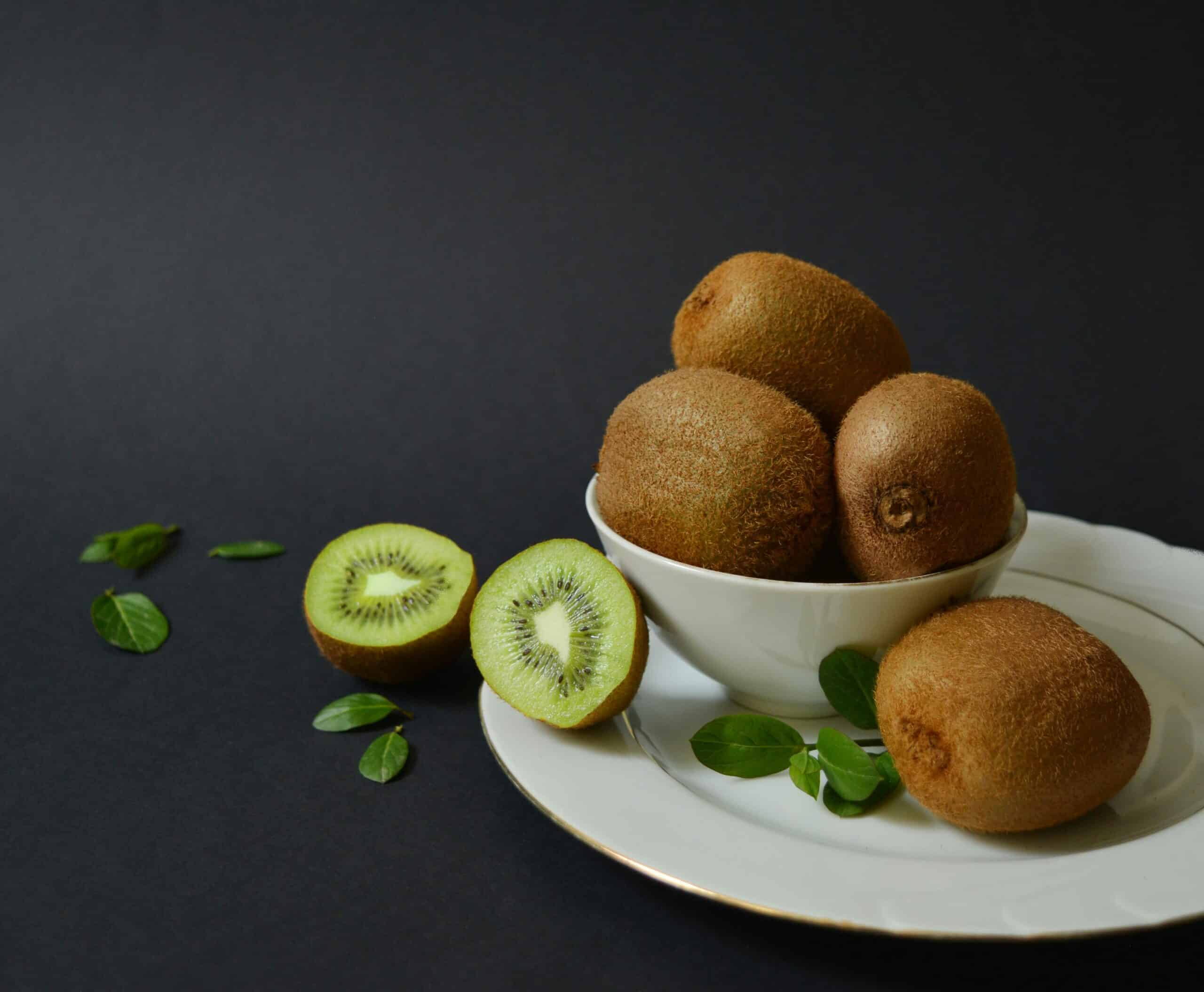
Tart cherry juice, kiwi, fatty fish, dairy, oats and nuts all have plausible mechanisms, and none of them is strong enough on its own to fix a sleep problem. Asking what foods help you sleep is worth separating from the more useful question of overall diet pattern and meal timing, both of which matter considerably more than any single item.
Timing is the input with the clearest effect. Our guide to whether eating before bed affects sleep covers that side.
A Quick Note
This is general information about food and sleep, not medical or dietary advice. Individual responses vary, and food interacts with medication, digestive conditions and allergies. Anyone making significant dietary changes, or with a diagnosed condition, should speak to a doctor or a dietitian.
Quick Answer
The mechanisms worth knowing are melatonin content, tryptophan availability, magnesium and the effect of carbohydrate on tryptophan transport. Tart cherry juice and kiwi have the most direct melatonin and sleep-related interest. Dairy, oats, nuts and fatty fish all contribute. Evidence for any single food is modest, and what you avoid late matters more than what you add.
Key Takeaways
- Overall diet pattern beats any single sleep food.
- Tart cherry and kiwi are the two with the most direct interest.
- Tryptophan needs carbohydrate to reach the brain effectively.
- Magnesium-rich foods are a reasonable route to that mineral.
- What you avoid late matters more than what you add.
- Large, fatty or spicy meals close to bed cause more problems than any food solves.
| Food | Proposed mechanism | Strength of the case |
|---|---|---|
| Tart cherry juice | Contains melatonin | Most direct of the group |
| Kiwi | Serotonin precursors, antioxidants | Interesting, limited |
| Fatty fish | Omega-3 and vitamin D | Plausible, indirect |
| Dairy | Tryptophan, plus habit | Modest |
| Oats and whole grains | Carbohydrate aids tryptophan transport | Mechanistic |
| Almonds, pumpkin seeds | Magnesium | Depends on your intake |
| Chamomile and herbal tea | Mild sedative tradition, ritual | Weak on chemistry, real as a cue |
The Mechanisms, Briefly
Melatonin is the hormone that signals night to your body. A few foods contain it directly, tart cherry being the most cited, though the amount is small next to a supplement.
Tryptophan is an amino acid the body uses to make serotonin and then melatonin. It is in turkey, dairy, eggs, nuts and seeds.
The complication is transport. Tryptophan competes with other amino acids to cross into the brain, and carbohydrate shifts that competition in its favor.
That is why a tryptophan food with some carbohydrate makes more mechanistic sense than the amino acid alone. Our guide to when to take melatonin covers the supplement route to the same endpoint.
The Two With the Most Behind Them
Tart cherry juice
The most direct case, because it contains melatonin rather than a precursor. Usually taken as concentrate, and it carries a meaningful amount of sugar.
Kiwi
Frequently raised in sleep discussions and pleasant enough to eat before bed. The proposed mechanisms involve serotonin precursors and antioxidant content.
What both share
Modest effects in small bodies of work rather than dramatic ones. Neither is a treatment.
How to read that
Worth trying because the downside is zero and they are ordinary food. Not worth expecting much from on a single night.
Magnesium Through Food
Magnesium has a genuine role in nerve and muscle function, and low intake is common. Almonds, pumpkin seeds, spinach, black beans and whole grains are the food routes.
Whether adding magnesium helps your sleep depends heavily on whether you were short of it. Topping up an adequate intake does less than correcting a shortfall.
Food sources come with fiber and other nutrients, which is the argument for them over a pill.
Our guide to whether magnesium helps you sleep covers the evidence, our comparison of melatonin against magnesium covers choosing between them, and our roundup of magnesium supplements covers the supplement side.
What to Avoid Matters More
The subtractions have clearer effects than the additions. A large meal within an hour or two of bed keeps digestion running when your body is trying to wind down.
High-fat meals slow gastric emptying and raise the chance of reflux while lying flat. Spicy food does something similar and adds a small thermal effect.
Caffeine is the big one, and its half-life of roughly five hours means afternoon intake reaches bedtime. Alcohol helps you fall asleep and fragments the second half of the night.
Our guide to how alcohol affects sleep covers that pattern in full.
Timing and Portion
- Finish the main meal two to three hours before bed. The single most useful change.
- Keep any bedtime snack small. A few hundred calories at most.
- Pair protein with some carbohydrate. That is the tryptophan transport logic.
- Skip high fat late. Slower to clear and more likely to cause reflux.
- Watch total fluid. Our guide to how much water to drink before bed covers the trips to the bathroom.
- Do not go to bed genuinely hungry either. Hunger disrupts sleep as reliably as fullness does.
- Keep meal times consistent. Regular eating times reinforce the same clock sleep runs on.
Why Single-Food Claims Stay Weak
Food and sleep is difficult to study well. People cannot be blinded to what they eat, sleep is measured inconsistently across small groups, and diet is a bundle rather than a variable.
That is why individual foods keep producing small, inconsistent findings while overall diet pattern shows up more reliably. The pattern is the thing being measured accurately.
It also explains why the same six foods circulate through every article on the subject. There is not much else with even a plausible mechanism behind it.
The practical conclusion is not to ignore food. It is to treat any single item as a small nudge and put the effort into timing, portion and what you cut late.
Ritual Counts for Something
A warm drink before bed has a weak pharmacological case and a strong behavioral one. Repeated nightly, it becomes a cue rather than a beverage.
Chamomile is the traditional example. The sedative chemistry is mild, and the consistency is where most of the value sits.
That is not a dismissal. A reliable wind-down cue is one of the more effective things available, and it happens to come in a mug.
Our roundup of herbal teas for sleep covers the options, and our guide to building a bedtime routine covers what to attach it to.
Sources
- American Academy of Sleep Medicine, patient guidance on sleep hygiene and diet
- National Heart, Lung, and Blood Institute, patient information on healthy sleep habits
Frequently Asked Questions
What foods help you sleep?
Tart cherry juice and kiwi have the most direct interest, with dairy, oats, nuts, seeds and fatty fish contributing through tryptophan, carbohydrate and magnesium. Each effect is modest. Overall diet pattern and meal timing matter more than any single food.
Does tart cherry juice really work?
It has the most direct case of the group because it contains melatonin rather than a precursor. The amount is small compared with a supplement, and the effect in practice is modest. It also carries a meaningful amount of sugar.
Does turkey make you sleepy?
Turkey contains tryptophan, but no more than chicken or many other proteins. The post-meal sleepiness people associate with it comes mostly from meal size and carbohydrate rather than from the turkey itself.
Why does carbohydrate matter for tryptophan?
Tryptophan competes with other amino acids to cross into the brain, and carbohydrate shifts that competition in its favor. That is why a protein source with some carbohydrate makes more mechanistic sense than protein alone.
Is it better to eat before bed or go to bed hungry?
Neither extreme. A large meal close to bed keeps digestion running when you are trying to wind down, and genuine hunger disrupts sleep just as reliably. A small snack is the middle ground if you need one.
Should I get magnesium from food or a supplement?
Food first, since the sources come with fiber and other nutrients. Whether it helps at all depends on whether your intake was low to begin with, because topping up an adequate intake does less than correcting a shortfall.
Does chamomile tea actually do anything?
The sedative chemistry is mild. Most of the value is behavioral: a warm drink at the same time each night becomes a wind-down cue. That is a real effect even though it is not a pharmacological one.
When should you see a doctor about this?
See a doctor if sleep stays poor despite sensible timing and diet, if you get frequent heartburn or reflux at night, or before making significant dietary changes. Persistent insomnia is worth treating as its own problem rather than a nutrition one.
