
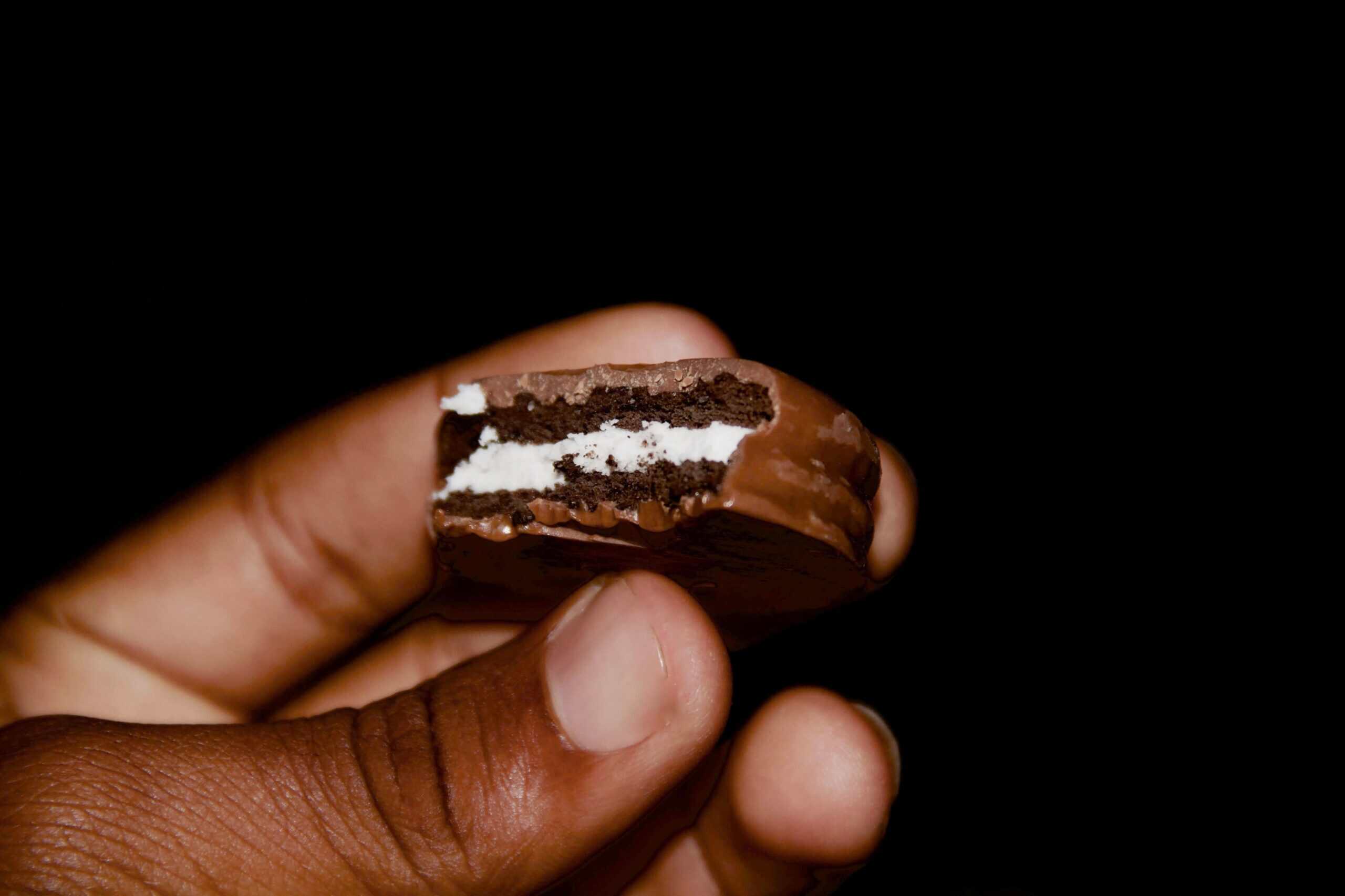
Eating before bed can affect your sleep, but what and how much you eat matters far more than the exact time on the clock. So when people ask does eating before bed affect sleep, the honest answer is that a large, heavy, fatty or spicy meal is the real problem, while a small light snack rarely causes trouble. If late eating leaves you restless, practical steps for falling asleep faster often help more than strict food rules.
A Quick Note
This article shares general information about sleep and late eating. It is not medical advice, dietary advice, or a treatment plan. Nutrition needs vary widely, and conditions such as reflux, diabetes and shift work change the picture. Talk to a qualified clinician about your own situation first.
Quick Answer
Late eating affects sleep mainly through volume and content. Big, fatty or spicy meals near bedtime raise the odds of reflux and restless sleep. Alcohol and caffeine disrupt sleep through different routes entirely. Going to bed hungry can also keep you awake, so a small, light snack is usually fine.
Key Takeaways
- Meal size and content predict sleep disruption better than the hour you eat.
- Large, fatty or spicy meals close to bedtime raise reflux and discomfort risk.
- General guidance suggests finishing a large meal a few hours before bed.
- Real hunger can also delay sleep, so skipping food late is not always better.
- Alcohol and caffeine act on sleep through mechanisms separate from digestion.
- Heavy fluid intake late often leads to waking up to use the bathroom.
The table below sorts common late-evening choices by what they tend to do.
| What you eat or drink late | Likely effect on sleep | What tends to help |
|---|---|---|
| Large, heavy meal | Fullness and active digestion, plus a higher chance of reflux while lying down | Shift the bigger meal earlier and keep the late portion small |
| Spicy or very fatty food | Heartburn and stomach discomfort that fragments the early night | Save these foods for earlier meals and choose blander options late |
| Alcohol | Faster sleep onset for some, then a more broken second half of the night | Leave a long gap before bed and keep the amount low |
| Caffeine | Longer time to fall asleep and lighter sleep, even hours later | Set an afternoon cutoff and watch hidden sources such as tea |
| A lot of fluid | Night waking to urinate, which breaks sleep into shorter segments | Front-load fluids earlier and sip lightly in the last hour |
| Small, light snack | Usually neutral, and it may help if hunger keeps you awake | Keep it modest and simple rather than rich or sugary |
Why a Big Late Meal Disrupts Sleep
A large meal close to bedtime disrupts sleep because digestion and lying flat work against each other. Your stomach stays full and active at the moment your body is trying to slow down. That mismatch shows up as discomfort and more frequent brief awakenings.
Reflux is the clearest mechanism. When you lie down with a full stomach, gravity no longer helps keep stomach contents where they belong. The Mayo Clinic notes that large late meals and lying down soon after are common heartburn triggers.
Fat slows stomach emptying, which stretches digestion further into the night. Spicy food adds direct irritation on top of that. Together they make the first few hours of sleep less stable for many people.
General guidance across clinical sources suggests finishing a large meal a few hours before bed. Treat that as a rough rule, not a precise cutoff. A modest dinner may sit fine much sooner, while reflux often calls for a longer gap.
Can Going to Bed Hungry Keep You Awake Too?
Yes, going to bed genuinely hungry can make sleep harder, which is why “never eat late” is poor advice. Hunger is a physical signal designed to get your attention. Attention is the opposite of what you need while settling down.
Hunger often shows up as restlessness and a busy mind rather than stomach pain. You lie down, feel unsettled, and start thinking about food. That loop can stretch sleep onset out considerably.
People who eat an early dinner run into this most. A long gap before bedtime leaves room for hunger to build.
The practical answer is a small bridge, not a second dinner. A light snack settles the signal without loading your stomach. Anyone managing diabetes should follow personalized advice instead, and the National Institute of Diabetes and Digestive and Kidney Diseases publishes guidance on meal planning and digestive symptoms.
How Alcohol and Caffeine Differ From Food
Alcohol and caffeine hurt sleep through drug effects, not digestion, so they follow different rules than food does. Treating a nightcap as just another late snack misses what is happening.
Alcohol is the more deceptive of the two. It can shorten the time it takes to fall asleep, which feels helpful at first. As the body clears it, the second half of the night becomes lighter and more broken.
You fall asleep quickly after drinking, then wake repeatedly in the early morning hours. The American Academy of Sleep Medicine has long cautioned against using alcohol as a sleep aid for this reason.
Alcohol also relaxes the upper airway muscles, which can worsen snoring and breathing disruption. A closer look at how alcohol affects sleep covers that pattern across the night.
Caffeine works the other way. It blocks the signal that builds sleep pressure through the day, so it delays sleep onset and lightens sleep. Its active window is long enough that an afternoon cup still matters at bedtime for many people.
Sensitivity varies widely. Some people clear caffeine quickly and sleep fine after an evening coffee. Others need a much earlier stop, and a caffeine cutoff estimate helps locate that line.
Fluid Volume Late at Night and Waking to Urinate
Drinking a lot of fluid in the last hours before bed tends to cause night waking, even when the drink itself is harmless. Water does not disturb digestion or brain chemistry. It simply fills your bladder while you are trying to stay asleep.
The disruption is small each time and large in total. One bathroom trip breaks the night into two shorter blocks. Three trips leave fragments that never feel restorative.
The fix is usually distribution rather than restriction. Most people do better drinking steadily through the day and easing off before bed. Alcohol worsens this by increasing urine production, and salty late meals drive extra thirst.
Frequent night waking to urinate is not always about fluids. It can reflect medication timing, prostate changes, or other conditions worth checking. The overview of why you wake up to pee covers common explanations, while guidance on how much water to drink before bed covers sensible timing.
What a Sensible Late Snack Looks Like
A sensible late snack is small, simple, and low in fat and spice, which is why most snacks cause no sleep problem at all. The goal is to take the edge off hunger. It is not to eat a meal in miniature.
Portion size does most of the work. A snack you finish in a few bites leaves your stomach largely empty. A bowl you keep refilling does not.
Content matters next. Very rich, greasy or heavily spiced options reintroduce the reflux risk that made the big meal a problem. Sugar-heavy snacks rarely ruin a night alone, though some people notice more restlessness.
Watch for hidden caffeine in late snacks as well. Chocolate, some teas and a few energy products contain more than people expect. The Cleveland Clinic offers practical patient guidance on food, drink and sleep habits that reflects these points.
Does the Clock Matter at All?
Timing matters, but mostly as a proxy for how much food is still in your stomach when you lie down. The clock is a useful shorthand, not the mechanism. Two people can eat at the same hour and sleep very differently.
Regularity has its own value. Eating at roughly consistent times supports the body clock signals that also govern sleep. Wildly irregular meal timing works against that stability.
Shift workers face a harder version of this problem, since their eating windows land at awkward hours. The National Heart, Lung, and Blood Institute discusses how irregular schedules affect sleep health and why consistency helps.
Recommended Reading
If late eating is only part of your sleep picture, these guides go deeper on the habits around it. Start with building a bedtime routine and improving sleep quality naturally for the broader framework. The guide to relaxing before bed helps if your mind stays busy after the lights go out.
Frequently Asked Questions
Does eating before bed affect sleep for everyone the same way?
No. Individual responses vary a lot. Someone with reflux may notice a heavy late meal immediately, while another person sleeps through it without issue. Age, medications, digestive conditions and normal meal patterns all shift the result. The most useful approach is tracking how different late meals feel for you over a couple of weeks.
How long before bed should you stop eating a large meal?
General clinical guidance suggests finishing a large meal a few hours before bed rather than immediately before lying down. Treat that as a starting point, not a fixed rule. People with heartburn often need a longer gap, while a light eater may feel fine sooner. Adjust based on whether you actually feel full at bedtime.
Is a small snack before bed bad for sleep?
Usually not. A small, plain snack rarely disrupts sleep, and it can help if hunger keeps you awake. Problems come from volume, fat and spice rather than from eating late by itself. Keep the portion modest and skip greasy or heavily spiced options close to bedtime.
Why do you wake up in the middle of the night after drinking alcohol?
Alcohol can shorten the time it takes to fall asleep, then disturb the second half of the night as your body clears it. That produces lighter, more broken sleep and repeated awakenings in the early morning hours. It also increases urine production and can worsen airway problems, adding further reasons to wake.
Does drinking water before bed disrupt sleep?
Water itself does not disturb sleep chemistry, but large volumes late often lead to bathroom trips. Each trip splits the night into shorter blocks and reduces how rested you feel. Spreading fluids across the whole day and easing off in the final hour usually solves it without cutting total intake.
Can late caffeine matter even if you fall asleep fine?
Yes. Caffeine can lighten sleep and reduce its restorative quality even when you fall asleep without trouble. Its active window is long, so an afternoon serving may still be working at bedtime. Sensitivity differs widely between people, so trying an earlier cutoff for a week or two is worthwhile.
When should you see a doctor about late eating and poor sleep?
You should see a doctor for frequent heartburn, regurgitation, chest pain, trouble swallowing, or sleep disruption that persists despite reasonable changes. Loud snoring with gasping, unexplained weight change, or ongoing night waking to urinate also deserve evaluation. These can signal reflux disease, sleep apnea or other treatable conditions rather than simple bad habits.
Sources
- Mayo Clinic, patient guidance on heartburn and gastroesophageal reflux, including meal size and lying down after eating
- Cleveland Clinic, patient education on sleep hygiene and the effects of food, drink and caffeine on sleep
- American Academy of Sleep Medicine, clinical position and public guidance on alcohol use and sleep quality
- National Heart, Lung, and Blood Institute, educational materials on healthy sleep and the effects of irregular schedules
- National Institute of Diabetes and Digestive and Kidney Diseases, guidance on meal planning and digestive symptoms
Our guide to whether spicy food before bed causes nightmares covers the claim people repeat most often about late eating.
