
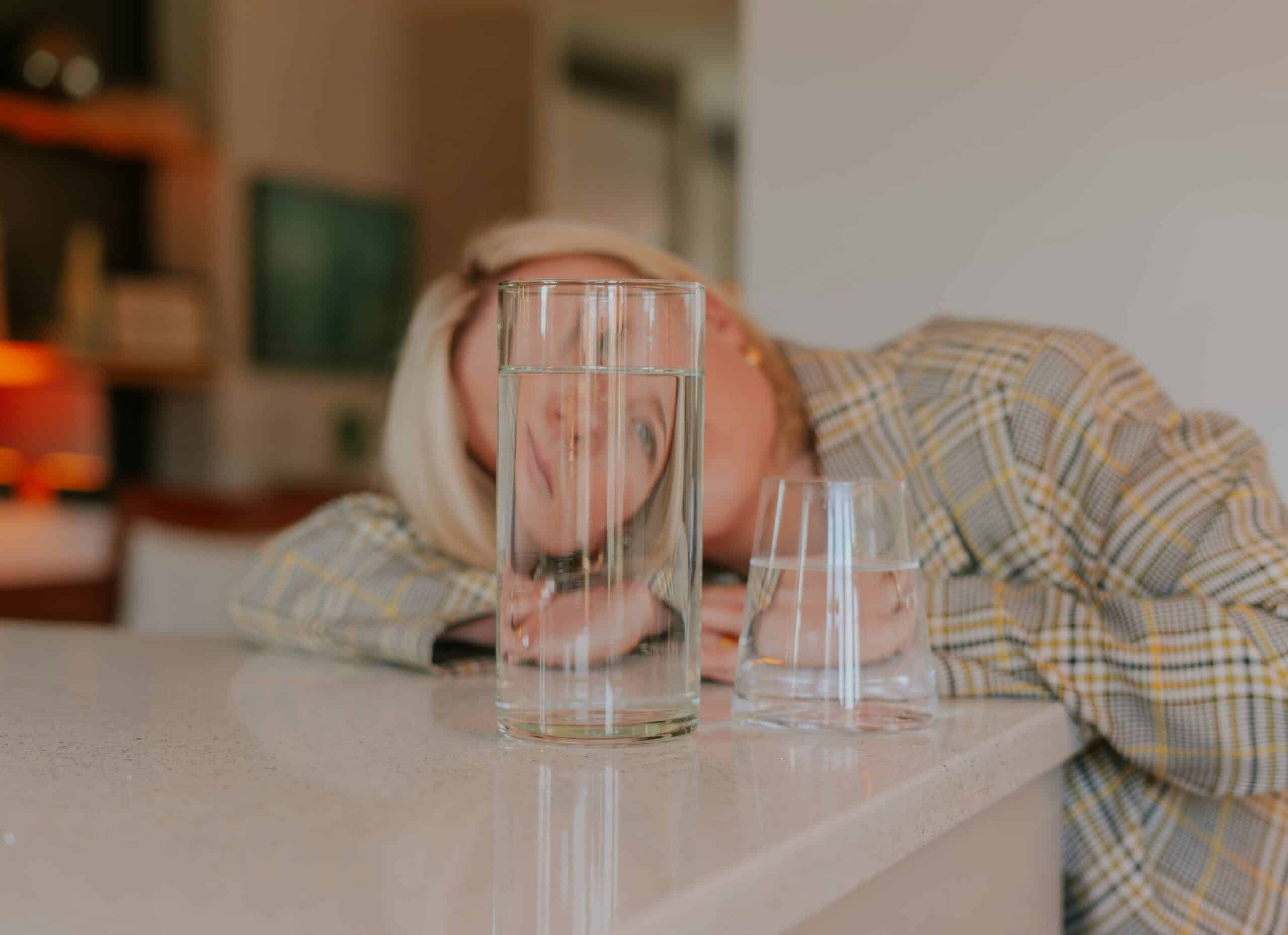
Most people do better tapering fluids in the last hour or two before bed rather than cutting them off entirely, since going to bed dehydrated causes its own problems. Framed that way, how much water should you drink before bed becomes a question about timing and size of sips, not a hard number. A strict cutoff sounds tidy, yet it often trades one kind of broken sleep for another.
Thirst, salty food, room temperature, and medication timing all pull on the same evening decision. That is why a single rule rarely fits every sleeper. Someone who tends to wake up with a dry mouth is solving a different problem than someone who wakes needing the bathroom.
Medical Disclaimer
This article offers general information about sleep and hydration. It is not medical advice, and it cannot account for your history or medications. A clinician should guide any diagnosis, medication change, or treatment decision.
Quick Answer
Drink normally through the day, then taper over the final one to two hours before bed. Sip rather than draining a large glass, and keep water on the nightstand. If you still wake to urinate most nights, that pattern deserves medical evaluation rather than a stricter schedule.
| Situation | What to do about evening fluid | Why |
|---|---|---|
| Waking once a night to use the bathroom | Shift the largest evening drink two hours earlier and sip after that. | One waking is common. Earlier volume gives the kidneys time to clear it before lights out. |
| Waking two or more times a night | Keep the taper, but treat the pattern as a medical question, not a schedule problem. | Repeated nightly urination can reflect a condition that fluid timing will not fix. |
| Waking with a dry mouth | Keep water within reach and mention nasal stuffiness or snoring to a clinician. | Dry mouth often points to mouth breathing or medication side effects rather than low fluid intake. |
| Taking a diuretic in the evening | Do not change the dose or timing yourself. Ask the prescriber whether the timing is flexible. | Diuretics are meant to increase urine output. Only the prescriber can weigh a timing change safely. |
| Drinking alcohol in the evening | Match each drink with water earlier in the evening and finish drinking well before bed. | Alcohol both raises urine output and fragments the second half of the night. |
| Hot weather or a warm bedroom | Drink more across the afternoon and evening, and cool the room instead of restricting fluid. | Sweating raises genuine fluid need. Cutting back invites dehydration by morning. |
| A hard evening workout | Rehydrate steadily in the hour after training, then taper as usual. | Replacing sweat losses early keeps the volume away from the last hour before bed. |
General guidance only. Individual needs vary with health, climate, and medication.
Why the answer to how much water you should drink before bed is a taper
A taper works because both extremes carry a cost. Drink a full glass at bedtime and the bladder may wake you. Go to bed thirsty and you may sleep lightly, wake with a headache, or reach for water anyway.
Thirst is also a late signal rather than an early one. Mayo Clinic notes that most healthy adults can let thirst and pale urine guide daily intake. Front-loading the day makes the evening taper comfortable.
Think of the last two hours as a slope, not a wall. Small sips still count, and they arrive in a volume the body can handle.
How does the body handle fluid overnight?
Urine production normally falls at night, which is why most sleepers can go many hours without waking. A hormonal rhythm concentrates urine while you sleep, so the bladder fills more slowly than it does during the day.
That rhythm can flatten with age, and illness or certain medications can disrupt it. The bladder then keeps filling on a daytime schedule. Cleveland Clinic describes frequent nighttime urination as a symptom with many possible causes.
A taper helps when that overnight rhythm is intact. It does much less when something else drives the output.
What counts as fluid before bed, and how salty food changes it
Water is only part of the evening total. Soup, fruit, yogurt, smoothies, ice cream, and a mug of tea all add fluid. People who cut water but eat a bowl of soup at nine often see no change at all.
Evening tea deserves its own note. A warm drink can be part of a calming routine, and our roundup of the best herbal teas for sleep covers caffeine-free options. Still, the cup counts toward the same total as a glass of water.
Salt shifts the picture too. A salty dinner drives thirst an hour or two later, right when you are trying to taper. Eating salty food earlier often does more than rationing water at night.
Why alcohol before bed disrupts this more than plain water
Alcohol changes both the volume and the quality of the night. It suppresses the hormone that concentrates urine overnight, so output rises for a while after drinking. The same nightcap also tends to lighten and fragment sleep in the second half of the night.
The American Academy of Sleep Medicine and Cleveland Clinic both describe alcohol as a poor sleep aid despite its sedating first hour. That combination explains why one glass of wine can cause more waking than two glasses of water. Our overview of how alcohol affects sleep goes deeper into the pattern.
Nothing here promises a smooth night without alcohol. Finishing earlier and hydrating alongside it simply removes one avoidable source of waking.
Why evening caffeine works two ways at once
Caffeine is a mild diuretic and a stimulant in the same cup. The diuretic effect nudges urine output up. The stimulant effect makes it harder to fall back asleep once you are already awake.
Caffeine also clears slowly, and the rate varies widely between people. An afternoon coffee can still be active at bedtime for some sleepers and long gone for others. A caffeine cutoff calculator gives a rough personal starting point to adjust from.
Why a dry mouth at night is a separate problem
Waking with a dry mouth is not reliable evidence of dehydration. Mouth breathing dries the tongue and palate quickly, even in someone who is well hydrated. Nasal congestion, allergies, and many common medications all push people toward breathing through the mouth at night.
Loud snoring alongside a dry mouth is worth mentioning to a clinician. Mayo Clinic lists both among the signs that prompt a look at breathing during sleep. More water then treats the symptom and misses the cause.
Keep water within reach, address stuffiness, and consider room humidity rather than a large drink at bedtime.
How much water should you drink before bed when the room is hot?
Heat raises real fluid need, so restriction is the wrong instinct. Sweating through a warm night costs water that has to be replaced somewhere. The Centers for Disease Control and Prevention advises drinking more fluid than usual during hot weather. Solid food follows different rules, which our look at eating before bed covers.
The better lever is the room itself. Cooler air, lighter bedding, and a fan reduce how much you sweat in the first place. Our guide to reducing night sweats covers the bedroom side of this.
Persistent drenching sweats are a different matter. They can accompany hormonal changes, infections, and some medications, so they belong in a conversation with a clinician.
The limits of any evening fluid schedule
Fluid timing is a small lever, and it is honest to say so. It can reduce an occasional bathroom trip. It cannot correct a bladder, kidney, hormonal, or breathing problem.
Medication timing sits in the same category. Diuretics, some blood pressure drugs, and other prescriptions raise nighttime output by design. Ask the prescriber whether the schedule has any flexibility, and never move or skip a dose on your own.
Regular nightly waking to urinate has a name, nocturia, and a list of treatable causes behind it. Sleep apnea, diabetes, prostate changes, heart conditions, and kidney issues all appear on that list. The National Institute of Neurological Disorders and Stroke and Cleveland Clinic both frame it as a symptom to evaluate.
Association is also not causation here. Someone who drinks late and wakes at three may be waking for an unrelated reason.
If the taper helps a little, keep it and pair it with the rest of the wind-down. A calmer hour before bed, covered in our notes on winding down in the evening, often matters more than the last few ounces of water. Readers who lie awake after a bathroom trip can use the steps for getting back to sleep after waking.
Anyone weighing pills and powders should start with our review of the supplements marketed for deeper sleep. Dosing stays a clinician question.
Sources
- Mayo Clinic
- Cleveland Clinic
- American Academy of Sleep Medicine
- Centers for Disease Control and Prevention
- National Institute of Neurological Disorders and Stroke
Frequently asked questions
How much water should you drink before bed if you wake up once a night?
Keep drinking normally during the day, then taper over the final hour or two. Move the largest evening glass earlier and sip after that. One waking is common and often responds to timing alone, but a pattern that persists deserves a clinician’s input rather than tighter restriction.
Is it bad to go to bed thirsty?
Going to bed clearly thirsty is not a helpful trade. Mild dehydration can bring on headache, dry mouth, and restless sleep. Thirst also appears only after the body already needs fluid, so a few sips at bedtime beat lying awake and reaching for water.
Does an evening cup of tea count toward evening fluid?
Yes, tea counts the same as water in the evening total, and so do soup, fruit, yogurt, and smoothies. People often cut water while keeping a large late snack, then wonder why nothing changed. Caffeine-free tea removes the stimulant issue, though the liquid still belongs in the taper.
How long before bed should the last real drink be?
One to two hours is a common rule of thumb rather than a measured target. That window gives the kidneys time to clear most of the volume, and small sips after it rarely cause trouble. Adjust the gap based on what actually happens, since it differs between people.
Why does alcohol make night waking worse than water?
Alcohol raises urine output by blunting the hormone that concentrates urine overnight. It also fragments sleep later in the night, so waking feels more likely, and the sedating first hour hides both effects. Finishing earlier and drinking water alongside it removes one predictable source of waking.
Can a hot bedroom change how much fluid is needed?
A warm room increases sweating, which raises genuine fluid need overnight. Restricting water there risks waking dehydrated, so cool the room, use lighter bedding, and run a fan. Drinking a little more across the afternoon keeps the extra volume away from bedtime.
When should I see a doctor about this?
Bring it up when waking to urinate happens most nights, when it starts suddenly, or when it comes with snoring, swelling, thirst, or daytime sleepiness. Any new symptom alongside a medication change also deserves a call. These patterns have treatable causes, and an evaluation is a reasonable next step rather than an alarming one.
