
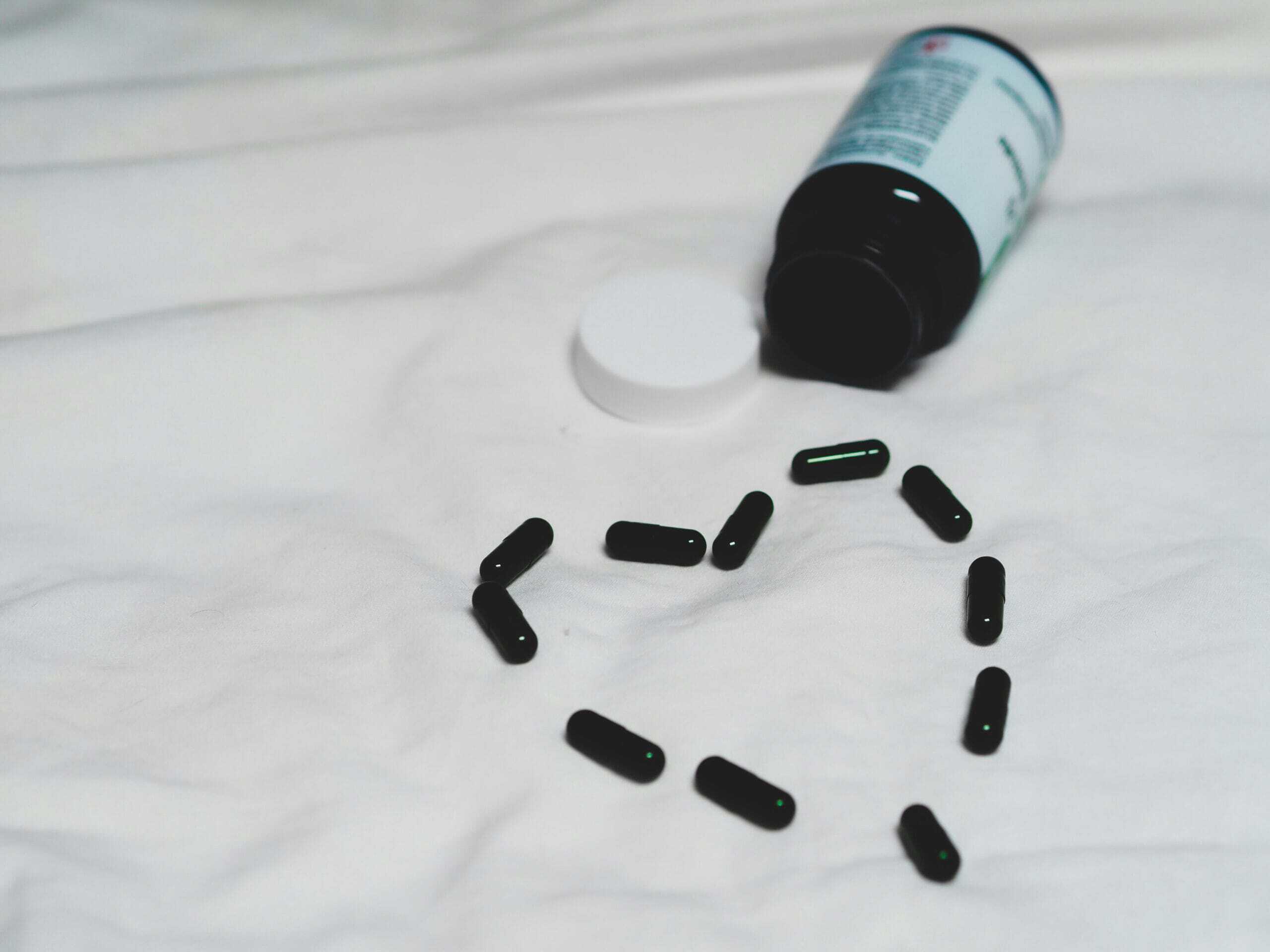
Deep sleep, the slow-wave sleep stage where the body repairs tissue, consolidates memory, and releases growth hormone, is the most restorative phase of the sleep cycle and the one most disrupted by stress, age, and poor sleep habits. Most people who feel chronically unrested are not sleeping too few hours, they are spending too few of their hours in the deep sleep stages that make sleep actually restorative.
Sleep supplements address this through different mechanisms depending on the active ingredient. Melatonin signals the brain that darkness has arrived and sleep time is approaching, it helps with sleep onset but does not directly increase deep sleep percentage. Magnesium activates the parasympathetic nervous system and regulates the GABA receptors that allow the brain to quiet into slow-wave sleep, it addresses the nervous system activation that keeps many people in lighter sleep stages. Ashwagandha reduces cortisol levels that chronically elevated stress keeps high into the evening, addressing the stress response that competes directly with deep sleep initiation.
Understanding which mechanism applies to your specific sleep problem determines which supplement category addresses it. This guide covers the five most evidence-supported sleep supplement options with honest information about what the research actually shows, and what it does not.
A note before continuing, sleep supplements are not a substitute for addressing the sleep environment factors that affect sleep quality. Our guides to the best pillows for hot sleepers, best white noise machines, and best sleep trackers for better rest cover the environmental side of deep sleep optimization that supplements work best alongside rather than instead of.
Note: This article provides general informational content about sleep supplements. It is not medical advice. Consult your physician before starting any supplement, particularly if you take medications or have underlying health conditions.
Disclosure: RestRight is reader-supported. As an Amazon Associate, we earn from qualifying purchases made through links on this page, at no extra cost to you.
What to Look for in Sleep Supplements for Deep Sleep
Active ingredient quality determines whether the supplement contains what it claims.
The supplement industry is less regulated than pharmaceuticals, independent testing consistently finds that supplement label claims about ingredient quantities are not always accurate. Third-party testing certifications, NSF International, USP Verified, Informed Sport, indicate that an independent laboratory has verified the supplement contains the labeled ingredients in the labeled quantities without undisclosed contaminants. Choosing supplements with third-party verification reduces the risk of purchasing a product that does not contain what it claims.
Dosage determines whether the supplement is in the effective range.
Research on sleep supplements has identified effective dose ranges for each major ingredient. Melatonin research consistently shows that lower doses, 0.5 to 3 mg, produce better sleep onset results than the 5 to 10 mg doses commonly sold in pharmacies, because higher doses can shift circadian rhythm rather than just supporting natural sleep onset. Magnesium glycinate research suggests 200 to 400 mg of elemental magnesium, not total compound weight, for sleep quality improvement. Purchasing supplements at doses outside the research-supported range wastes money at best and produces adverse effects at worst. For CBD specifically, see our look at CBD for sleep.
Form determines absorption and onset timing.
Supplement form affects how quickly and completely the active ingredient reaches the bloodstream. Melatonin sublingual tablets that dissolve under the tongue absorb faster than standard tablets, appropriate for sleep onset difficulty, where rapid absorption supports the intended effect. Magnesium glycinate absorbs more completely than magnesium oxide, which passes through the digestive system before absorbing, and produces less of the digestive side effects that poorly absorbed magnesium forms cause. Capsule and tablet forms of most supplements absorb adequately for sleep quality applications where an immediate onset is less critical than a sustained overnight effect. Magnesium is the most asked about of these, and our guide addresses it directly.
The 5 Best Sleep Supplements for Deep Sleep in 2026
#1, Natrol Melatonin Advanced Sleep
Best Overall Sleep Supplement for Deep Sleep | Price: ~$15
The Natrol Melatonin Advanced Sleep is the most consistently recommended melatonin supplement for deep sleep improvement, a two-layer tablet design with an immediate-release layer for faster sleep onset and a slow-release layer that maintains melatonin levels through the night to support staying asleep through the deep sleep cycles.
Two-Layer Design for Both Onset and Maintenance
Standard melatonin tablets release the full dose immediately, supporting sleep onset but not maintaining the melatonin signal through the full night that supports deeper sleep stage maintenance. The Natrol Advanced Sleep two-layer design splits the dose between immediate release for onset and extended release for maintenance, addressing both the falling asleep problem and the staying asleep problem in a single supplement.
At $15 it is the most accessible serious melatonin supplement on this list. The 5mg dose is at the upper end of the research-supported range, splitting the tablet is worth considering for users who find 5mg produces morning grogginess, as lower doses produce an adequate sleep onset effect with less next-morning impact.
PROS:
- Two-layer design addresses both sleep onset and sleep maintenance
- Immediate and extended release in a single tablet
- $15 price is the most accessible on this list
- Natrol brand reliability for supplement quality
- Drug-free, non-habit forming
- 100% vegetarian
CONS:
- 5mg dose is higher than the research optimal for some users, splitting may be necessary
- Melatonin addresses the onset more directly than the deep sleep stage percentage
- Not appropriate for long-term daily use without physician guidance
Best for: Adults who struggle with both falling asleep and staying asleep through the night, the two-layer design addresses both problems that single-layer melatonin supplements handle only partially.
#2, Thorne Magnesium Bisglycinate
Best Magnesium Sleep Supplement for Deep Sleep | Price: ~$35
Magnesium is the most evidence-supported sleep supplement for specifically increasing deep sleep percentage, the GABA receptor activation that magnesium supports is directly involved in slow-wave sleep initiation. Thorne’s magnesium bisglycinate is the most bioavailable magnesium form available, absorbing significantly more completely than magnesium oxide and producing fewer digestive side effects than magnesium citrate.
GABA Activation for Direct Deep Sleep Support
Unlike melatonin, which primarily affects sleep onset timing, magnesium’s effect on GABA receptors directly supports the nervous system quieting that initiates and maintains slow-wave deep sleep. Research on magnesium supplementation in adults with suboptimal magnesium status, which is estimated to affect a significant portion of adults eating typical Western diets, consistently shows improvements in sleep efficiency, sleep onset, and importantly, deep sleep stage time.
Thorne is NSF Certified for Sport, one of the most rigorous third-party testing certifications available, ensuring the supplement contains what it claims in the labeled quantities. At $35 it is a mid-range investment that addresses the magnesium deficiency that underlies poor deep sleep for many adults more directly than any other supplement on this list.
PROS:
- Magnesium bisglycinate is the most bioavailable and best-tolerated magnesium form
- GABA receptor activation directly supports slow-wave deep sleep initiation
- NSF Certified for Sport, rigorous third-party ingredient verification
- Thorne brand is among the most trusted supplement manufacturers
- Minimal digestive side effects compared to other magnesium forms
- Addresses the magnesium deficiency that underlies poor deep sleep for many adults
CONS:
- Higher price at approximately $35
- Effect is most pronounced in people with suboptimal magnesium status, less impact for those already sufficient
- Takes 2 to 4 weeks of consistent use before sleep quality improvements are noticeable
Best for: Adults who struggle specifically with light fragmented sleep rather than sleep onset difficulty, the GABA activation mechanism addresses the deep sleep stage percentage problem more directly than melatonin alternatives.
#3, Ashwagandha KSM-66 by Jarrow Formulas
Best Stress-Related Sleep Supplement for Deep Sleep | Price: ~$25
Ashwagandha addresses the cortisol elevation that chronic stress keeps persistently high, the stress hormone that directly competes with the deep sleep initiation process by maintaining the arousal state that deep sleep requires resolution of. KSM-66 is the most studied ashwagandha extract standardization with the most robust human clinical trial evidence for stress reduction and sleep quality improvement.
Cortisol Reduction for Stress-Driven Sleep Problems
For adults whose poor deep sleep is driven by elevated evening cortisol from chronic stress, a common pattern in high-stress occupations and life circumstances, ashwagandha addresses the root cause more directly than melatonin or magnesium. Research on KSM-66 standardized extract shows significant reductions in cortisol levels, self-reported stress, and improvements in sleep quality scores over 8 to 12-week supplementation periods.
The effect builds over weeks rather than producing immediate results, ashwagandha is not a sleep aid in the same way that melatonin is. It is an adaptogen that gradually reduces the stress response that keeps many adults in lighter sleep stages. For adults whose sleep problem correlates with stress levels, worse during high-stress periods, better during low-stress periods, ashwagandha addresses the relevant mechanism.
PROS:
- KSM-66 is the most clinically studied ashwagandha standardization
- Addresses cortisol-driven sleep disruption at the root cause
- Jarrow Formulas’ third-party testing for ingredient verification
- $25 price is accessible for the clinical evidence behind KSM-66
- Dual benefit, stress reduction during the day and improved sleep at night
- Well-tolerated with minimal side effects in research populations
CONS:
- Effect builds over weeks, not an immediate sleep aid
- Less effective for sleep problems not related to stress and cortisol elevation
- Some users experience mild digestive discomfort on an empty stomach
Best for: Adults whose sleep quality correlates with stress levels, anyone who sleeps significantly better during low-stress periods and worse during high-stress periods, suggesting cortisol elevation rather than circadian or magnesium issues as the primary driver.
#4, Life Extension Neuro-Mag Magnesium L-Threonate
Best Cognitive Sleep Supplement for Deep Sleep | Price: ~$40
Magnesium L-threonate is a newer magnesium form specifically developed to cross the blood-brain barrier more effectively than other magnesium forms, delivering magnesium directly to the brain where it supports GABA function for deep sleep alongside the cognitive benefits that make it a dual-purpose supplement for adults managing both sleep quality and cognitive performance.
Blood-Brain Barrier Crossing for Direct Neurological Sleep Support
Standard magnesium forms, glycinate, citrate, oxide, are absorbed in the digestive system and raise serum magnesium levels without specifically targeting brain magnesium. Magnesium L-threonate was developed in MIT research specifically to increase brain magnesium levels, which research suggests decline with age and stress and correlate with sleep quality and cognitive function simultaneously. For adults managing both poor deep sleep and cognitive concerns, brain fog, memory issues, focus difficulties, magnesium L-threonate addresses both through a single mechanism.
PROS:
- Specifically developed to cross the blood-brain barrier for direct neurological effect
- MIT research originates from published human clinical trial data
- Addresses both sleep quality and cognitive function simultaneously
- Life Extension brand quality and third-party testing
- Most targeted magnesium form for sleep-specific neurological support
- Particularly relevant for adults whose sleep quality has declined with age
CONS:
- Most expensive magnesium option is approximately $40
- Research base smaller than standard magnesium forms for sleep applications
- Larger capsule count per dose than other magnesium forms
Best for: Adults whose deep sleep quality has declined alongside cognitive symptoms, anyone managing both sleep disruption and brain fog who wants a single supplement that addresses both through the neurological magnesium mechanism.
#5, Momentous Huberman Lab Sleep Cocktail
Best Combined Sleep Supplement for Deep Sleep | Price: ~$55
The Momentous sleep formula combines three ingredients with complementary mechanisms, magnesium threonate for GABA activation, apigenin for GABA-A receptor binding, and L-theanine for alpha wave promotion, in a single supplement that addresses multiple sleep quality mechanisms simultaneously rather than relying on a single active ingredient.
Three Complementary Mechanisms in One Supplement
The combination approach is the defining feature, magnesium threonate addresses the brain magnesium component of deep sleep initiation, apigenin provides additional GABA-A receptor activation through a different binding site than magnesium, and L-theanine promotes the alpha brain wave state that bridges waking and sleep onset without the grogginess of sedating compounds. The three-mechanism approach produces more comprehensive deep sleep support than any single-ingredient alternative at the cost of a higher price per dose.
PROS:
- Three complementary mechanisms address deep sleep more comprehensively than single-ingredient alternatives
- Momentous brand quality with third-party testing
- Andrew Huberman’s protocol association brings significant research attention and validation
- L-theanine addition promotes relaxation without grogginess
- Apigenin provides additional GABA activation beyond magnesium alone
- Convenient single supplement rather than multiple separate purchases
CONS:
- Most expensive option is approximately $55
- Three active ingredients make it harder to identify which component drives the benefit
- Not necessary for users who respond adequately to single-ingredient magnesium
Best for: Adults who want the most comprehensive deep sleep supplement approach available, anyone who has tried single-ingredient options without adequate results and wants a multi-mechanism alternative that addresses deep sleep from multiple neurological angles simultaneously.
Quick Comparison: Best Sleep Supplements for Deep Sleep 2026
| Supplement | Price | Active Ingredient | Primary Mechanism | Deep Sleep Effect | Score |
|---|---|---|---|---|---|
| Thorne Magnesium Bisglycinate | ~$35 | Magnesium | GABA activation | Direct | 9.3 |
| Life Extension Neuro-Mag | ~$40 | Mag L-Threonate | Brain magnesium | Direct | 9.2 |
| Jarrow KSM-66 Ashwagandha | ~$25 | Ashwagandha | Cortisol reduction | Indirect | 9.1 |
| Natrol Advanced Sleep | ~$15 | Melatonin | Circadian signaling | Indirect | 9.0 |
| Momentous Sleep Cocktail | ~$55 | Mag+Apigenin+Theanine | Multiple | Direct+Indirect | 9.0 |
Our Verdict
For most adults whose deep sleep is suboptimal, the Thorne Magnesium Bisglycinate at $35 is the most evidence-supported starting point, magnesium’s direct GABA activation mechanism addresses the neurological deep sleep initiation process more directly than melatonin, and the bisglycinate form absorbs completely without the digestive issues that other magnesium forms cause. Adults whose sleep problems correlate with stress should add or substitute the Jarrow KSM-66 Ashwagandha at $25, it addresses the cortisol component that magnesium alone does not resolve.
The Natrol Advanced Sleep at $15 is the right entry point for adults who primarily struggle with falling asleep and staying asleep, rather than specifically with deep sleep stage percentage. The Life Extension Neuro-Mag at $40 is worth the premium for adults managing both sleep quality decline and cognitive symptoms. And the Momentous Sleep Cocktail at $55 is for adults who want the most comprehensive multi-mechanism approach available in a single supplement.
Frequently Asked Questions: Best Sleep Supplements for Deep Sleep
What are the best sleep supplements for deep sleep in 2026?
Magnesium bisglycinate is the most evidence-supported sleep supplement for specifically improving deep sleep stage percentage, the GABA receptor activation mechanism directly supports slow-wave sleep initiation in a way that melatonin does not. Thorne Magnesium Bisglycinate at $35 with NSF certification is the most reliable magnesium supplement for this purpose. For adults whose poor sleep correlates with stress, Ashwagandha KSM-66 addresses the cortisol component that magnesium alone does not resolve.
Is melatonin or magnesium better for deep sleep?
For specifically increasing deep sleep stage percentage, magnesium has stronger direct evidence than melatonin. Melatonin primarily regulates sleep onset timing, it signals the brain that sleep time has arrived, but does not directly increase the slow-wave deep sleep that produces the most restorative effects. Magnesium activates GABA receptors that are directly involved in slow-wave sleep initiation and maintenance. For adults whose primary complaint is light fragmented sleep rather than difficulty falling asleep, magnesium addresses the relevant mechanism more directly.
How long does it take for sleep supplements to work?
Melatonin produces effects on the first night of use for sleep onset applications, the circadian signaling effect is immediate. Magnesium supplementation typically requires 2 to 4 weeks of consistent daily use before sleep quality improvements are noticeable, the effect accumulates as tissue magnesium levels increase gradually. Ashwagandha effects on cortisol and sleep quality typically require 8 to 12 weeks of consistent use before significant changes are measurable. Setting realistic timelines for each supplement type prevents abandoning effective supplements before they have had adequate time to produce their intended effect.
Are sleep supplements safe for long-term use?
Magnesium supplementation at research-supported doses is generally safe for long-term use, magnesium is an essential mineral, and supplementing to adequate levels addresses a deficiency rather than introducing an artificial compound. Melatonin at low doses for sleep onset support has a reasonable long-term safety profile, though some sleep medicine physicians recommend cycling off periodically to avoid reducing the body’s natural melatonin production signal. Ashwagandha has a well-established long-term safety profile in research populations at standard doses. Consult your physician before long-term use of any supplement, particularly if you take medications that may interact with these compounds.
Related Reading
Explore more: deep pocket sheets for thick mattresses.
More Sleep Guides
Recommended Reading
See also our guides to how sleep stuffy nose congested.
Related in this cluster: the best night sweats solutions for better sleep.
A brewed cup delivers a much smaller and more variable dose than a capsule. Where herbal teas fit, and where the evidence runs thin covers that comparison.
Sources
- National Institutes of Health. MedlinePlus health topics. https://medlineplus.gov/
- American Academy of Sleep Medicine. Clinical resources and practice guidelines. https://aasm.org/clinical-resources/practice-standards/practice-guidelines/
