
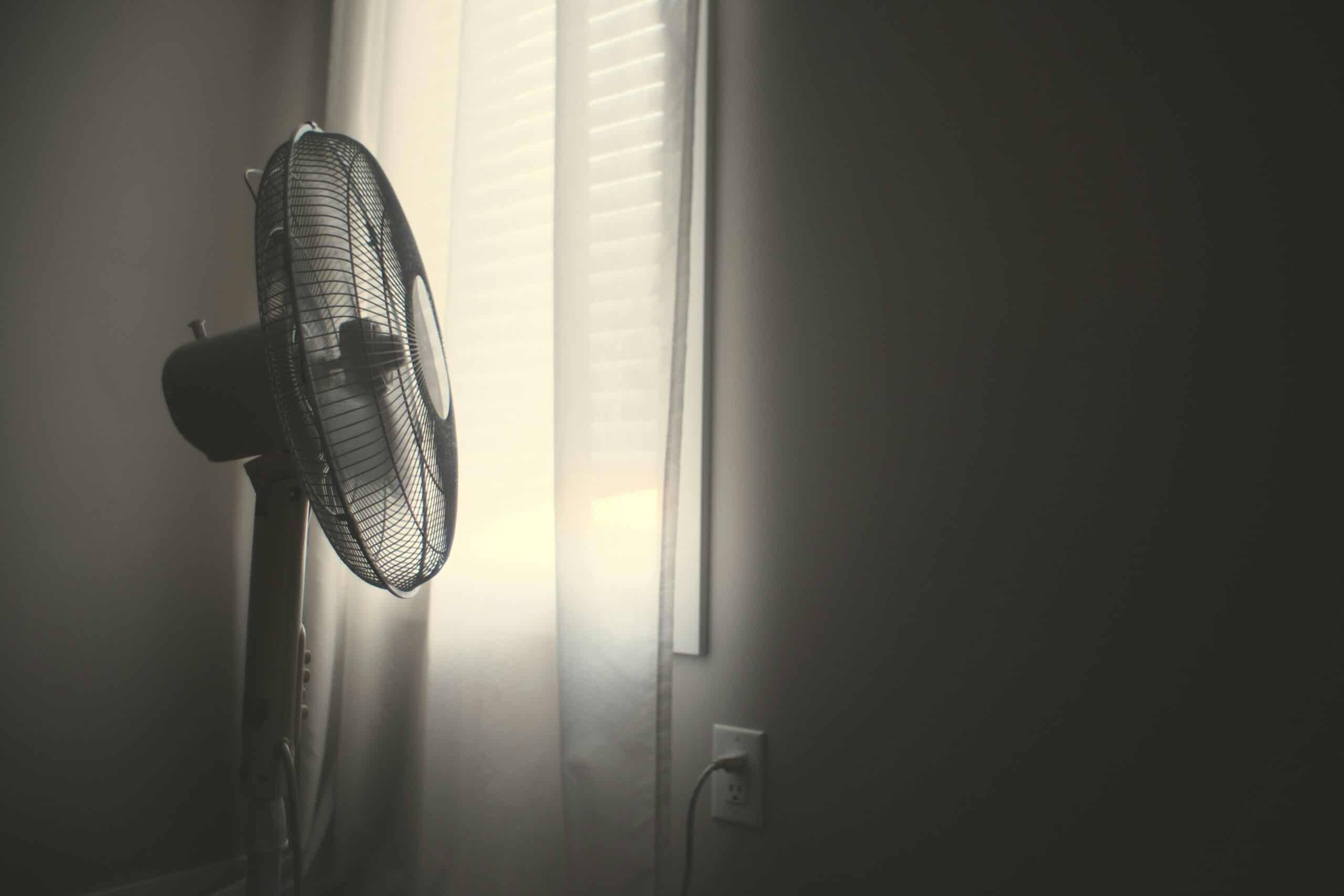
For our current top picks, see the best sleep trackers for better rest guide. If you can’t sleep without a fan running, you’re not alone. The fan-sleeper preference is common enough that many people consider their fan as essential to bedtime as a pillow or blanket. The reasons go beyond simple cooling. A fan is doing several things at once: moving air, generating steady sound, and creating a slight breeze sensation, and each piece contributes to better sleep for the people who prefer it. If you are choosing a fan, our bedside fan vs a tower fan comparison breaks down which suits your room.
The interesting thing is that fan sleepers often can’t tell which aspect they’re actually responding to. They just know that without the fan, sleep is worse. Understanding what’s actually happening helps explain why the preference exists and whether alternative solutions (white noise machines, air purifiers, separate fans for cooling vs sound) might work as well or better.
This guide walks through the four main reasons a fan helps you sleep, why some people develop strong fan dependence, and what to do if you find yourself unable to sleep without one.
Key Takeaways
- Fans help sleep through multiple mechanisms: steady white noise, air circulation for cooling, slight air movement on skin, and masking environmental sounds.
- The white noise component is often the strongest factor; it masks intermittent sounds that would otherwise cause brief sleep arousals.
- The cooling effect helps because the body needs to drop core temperature to fall asleep and maintain that lower temperature through the night.
- If you can’t sleep without a fan, that’s typically a learned association rather than a problem; alternatives like white noise machines work for some people.
This article is general information, not medical advice, and is not a substitute for diagnosis or treatment by a qualified healthcare professional. See a doctor if sleep problems are persistent or affecting your health.
What a Fan Actually Does for Sleep
A fan running near the bed produces several effects simultaneously, any of which might be the primary thing helping you sleep:
Steady, masking sound. The hum of a fan is consistent, broadband noise that covers a wide frequency range. This is essentially natural white noise.
Air movement. The breeze on your skin slightly speeds heat loss through evaporation of any moisture and convective cooling, helping maintain a slightly cooler body surface temperature.
Air circulation. The fan moves stale air away and circulates room air, preventing the slight warmth and stuffiness that can build up in a closed bedroom with a sleeping person breathing in it.
Reducing temperature stratification. Without circulation, warm air tends to settle near the ceiling and cooler air near the floor. A fan mixes the room, producing a more uniform temperature.
Different people respond to different aspects more strongly. Some fan sleepers really need the sound; others need the cooling; some need both. Knowing which one matters for you helps if you need to substitute.
The White Noise Effect
This is probably the most important sleep factor for fan sleepers. The steady fan hum masks intermittent environmental sounds that would otherwise wake you or cause brief arousals.
During sleep, your brain continues monitoring the environment. Sudden or unusual sounds (a car passing, a door closing, someone walking by, a partner shifting) trigger brief arousals. These don’t always wake you fully, but they fragment sleep and reduce quality. A steady background sound makes intermittent sounds less noticeable; they don’t stand out from the quiet, they just become slight variations in the continuous sound.
This is the same principle behind white noise machines, brown noise, and even some sleep apps that play continuous sound. The fan is essentially a multi-purpose appliance that happens to also produce useful sleep noise.
The benefit is especially noticeable for:
Light sleepers. People who wake easily to environmental sounds benefit significantly from the masking effect.
Urban or noisy environments. Apartments, near busy streets, near snoring partners, anywhere environmental sounds are unpredictable.
People with tinnitus. The steady external sound can mask internal ear ringing enough to allow sleep.
People are used to it. The brain associates the sound with sleep, and the absence of it can feel wrong.
For more on the broader effect of sound on sleep onset, our guide on why counting sheep doesn’t work covers how the brain processes input during the transition to sleep.
The Temperature Effect
Body temperature and sleep are tightly connected. To fall asleep, your body needs to drop core temperature slightly, and the cooler core continues through most of the night before rising again toward morning. A bedroom that’s too warm interferes with both falling asleep and staying asleep.
A fan helps in two ways:
Convective cooling. Moving air carries heat away from your skin more efficiently than still air. Even if the air temperature is the same, you feel cooler with a fan than without.
Evaporative cooling. Any moisture on your skin (small amount of sweat, even insensible moisture loss through skin) evaporates faster in moving air, taking heat with it. This is more effective in low-humidity environments.
The cooling effect from a fan is meaningful enough that running a fan can make a warm bedroom feel comfortable when air conditioning isn’t an option. For more on temperature and sleep, see our companion article on why you wake up hot every night.
The Air Movement Sensation
Some people specifically enjoy feeling air movement during sleep. The light breeze sensation can be comforting or relaxing in its own right, separate from the cooling effect. The slight skin stimulation may also serve a comfort function similar to the way a fan in a hot car feels good even when the car isn’t significantly cooler.
This factor is harder to substitute for. A white noise machine provides sound but no air movement; an air purifier provides circulation, but the airflow may not be directed at you. If you specifically need the breeze sensation, a fan is hard to replace fully.
Why Fan Dependence Develops
The brain forms strong associations between specific conditions and sleep. If you’ve consistently fallen asleep with a fan running, your brain learns that fan sound + air movement = time to sleep. The association becomes a learned cue that helps trigger sleep onset.
This is also why removing the fan (even temporarily, like traveling) can produce noticeable sleep difficulty. You haven’t lost the ability to sleep; you’ve just removed an environmental cue your brain expects.
This isn’t a problem per se. People develop sleep associations with all kinds of things: specific pillows, particular blankets, room temperature ranges, sound environments. The associations work for sleep onset; they just create some inflexibility when conditions change.
If You’re Traveling Without Your Fan
If you’ve developed strong fan dependence and need to sleep in a place without one, several approaches help:
White noise apps on your phone. Most provide fan sound options specifically. The sound substitutes for the missing fan even if you don’t get the air movement.
Portable white noise machines. Travel-sized units exist and provide reliable sound without depending on the phone battery.
Bring a small travel fan. If sound and movement both matter, USB-powered or battery travel fans exist. Some hotel rooms have ceiling fans that work if turned on. For more on this, see our guide to ceiling fan remotes.
Hotel air conditioning fan-only mode. Many hotel AC units have a “fan only” setting that produces similar continuous noise without cooling. Useful if the room is already at a good temperature.
The bathroom fan. In a pinch, running the bathroom fan with the door cracked provides a similar steady noise.
📑 Recommended Read: If sound is the main thing your fan provides, a dedicated white noise machine often produces better masking sound with more options for sound type and volume. Check out our tested breakdown of the white noise machines to find quiet, reliable options designed specifically for sleep.
Fan vs White Noise Machine
If you’re considering whether a dedicated white noise machine would work as well as your fan, the considerations are:
Sound quality. White noise machines often produce smoother, more controlled sound than a fan. Some allow you to choose between different noise colors (white, pink, brown), different fan sounds, or other sounds. Real fans have specific frequency profiles that some people prefer; machine sound has more variety.
Air movement. White noise machines don’t provide this. If you specifically value the breeze sensation, a machine alone won’t substitute.
Cooling. Same, machines don’t cool the room. If your fan is significantly contributing to bedroom temperature management, you’ll need a separate cooling solution.
Portability. Travel white noise machines are smaller and more portable than fans.
Noise level control. Machines often have more precise volume control than fans, which usually have a few speed settings.
Reliability. Machines are designed specifically for continuous overnight use. Some fans are designed for that too; others may wear out faster, running constantly.
Many people find using both works well: a white noise machine for sound, a separate fan for cooling and air movement, with the fan at a lower setting since it doesn’t need to be the sound source.
Possible Downsides of Fan Sleep
Fan sleeping has a few potential drawbacks worth knowing about:
Air drying. Continuous air movement can dry out your skin, eyes, and respiratory passages. People prone to dry eyes or dry sinuses sometimes find fans worsen their morning symptoms. A humidifier can offset this, or directing the fan away from your face helps.
Allergens. Fans circulate room air, which means they also circulate any dust, pollen, or allergens in that air. People with seasonal allergies sometimes notice worse symptoms when a fan is running. Regular cleaning of the fan blades and using a HEPA air purifier can help.
Muscle stiffness. Some people report that continuous cool air on a specific body area can cause that area to feel stiff in the morning. This is more anecdotal than well-established, but worth knowing if you wake with localized stiffness.
Partner conflict. If your partner doesn’t like the fan (the cool air, the noise, the air movement), there’s a compatibility question. Different bed orientations, separate fans, or compromise solutions sometimes help.
Common Mistakes and How to Avoid Them
Pointing the fan directly at your face all night. Increases dry eye and sinus drying. Aim across the room or at your feet.
Cleaning the fan rarely. Dust accumulates and gets circulated. Clean the blades regularly to keep allergens down.
Running a noisy fan and assuming all the noise is helpful. Steady fan hum helps; rattles, clicks, or motor noise variations can actually trigger arousals. If your fan has gotten noisier in a bad way, time for a new one.
Using a fan instead of solving an underlying temperature problem. If your bedroom is genuinely too hot, the fan is a band-aid. A cooling mattress pad, better insulation, or AC may be a better solution.
Forgetting the fan when traveling. If you depend on it, plan with a portable solution.
Frequently Asked Questions
Is it bad to sleep with a fan on every night? For most people, no. The main considerations are air drying (manageable with a humidifier or fan positioning) and allergen circulation (manageable with cleaning and air purification). Fans don’t damage health for typical people in typical use.
Can I become dependent on a fan? You can develop a strong sleep association, which makes it harder to sleep without one. This is psychological/conditioning, not physical dependence. The “addiction” is to the cue, not the fan itself. You can adjust if needed, though it takes a few nights of worse sleep.
Why does fan sound help when other noises don’t? The key is consistency. Steady, broadband noise masks variable sounds. Intermittent or sudden noises don’t have the same masking effect; they’re the kind of sounds you’re trying to drown out, not substitute with.
Should I use a fan and a white noise machine together? Sure, if you want both the air movement and the controlled sound. Run the fan at a low setting (for movement and minor cooling) and let the white noise machine handle the audio.
What kind of fan is best for sleep? Generally, one that runs steadily and quietly without wobble or motor variation. Ceiling fans, tower fans, and pedestal fans all work; what matters is consistent noise and adequate airflow. Some people prefer the deeper hum of larger fans; others prefer the lighter sound of smaller ones.
Can a fan really cool my bedroom that much? A fan doesn’t cool the room itself; it cools you by moving air over your skin and accelerating heat loss. If everyone leaves the room, the air temperature stays the same. But it makes the same room temperature feel several degrees cooler to the person in it.
Recommended Reading
See also our guides to night sweats solutions for better sleep, sleep better sharing bed, and white noise machine vs fan.
Related Reading
Explore more: why do i drool in my sleep, Do Essential Oils Help You Sleep? What Helps Your Sleep, Which Essential Oils Actually Help You Wind Down for Sleep i, how to help seniors sleep better, white noise machine vs fan, sleep mask vs blackout curtains, what time should you go sleep, and how sleep stuffy nose congested. Also explore: earplugs for sleeping.
Dependence is a common worry. going without white noise covers whether it fades.
