
Most people who stop notice the first few nights and then stop noticing. The adjustment is short because your brain habituates to a new baseline the same way it habituated to the old one, and the sounds that seem loud on night one become background by the end of the week.
The catch is that a lot of people who think they stopped have not. A fan running for airflow produces the same masking effect a machine does, and switching from a dedicated device to a fan is a change of source rather than a removal of sound.
Quick Answer
Expect a few nights of noticing sounds you had forgotten about, then a return to normal for most people. If you have a fan running, you have not really stopped, since the masking is the same. Anyone in a genuinely noisy environment may find the disruption persists.
Key Points
- Adjustment usually takes a few nights rather than weeks
- A running fan means the masking never actually stopped
- Environment decides whether stopping is comfortable
- Tinnitus becomes more noticeable without background sound
- Dependence is a habit rather than anything physical
- Occasional use is a reasonable middle ground
The First Week
| Stage | What people report |
|---|---|
| Nights one to two | Sounds seem loud, more awareness of the room |
| Nights three to five | Noticing less, occasional waking at specific noises |
| End of first week | New baseline established for most people |
| Beyond two weeks | Persistent difficulty suggests the environment, not the habit |
The pattern reflects how your brain treats sound during sleep. It responds to change against a background rather than to volume, so a new quieter background takes a few nights to become the reference point.
Why It Feels Loud at First
With a machine running, an intermittent noise is a small change against a steady floor. Remove the floor and the same noise becomes a large relative jump, which is what gets flagged.
Nothing about the room has changed. The pipe still ticks, the fridge still cycles, and the traffic outside is the same, and all of it now stands out against silence.
That contrast effect is also why the adjustment resolves. Once silence becomes the expected background, the same sounds stop registering as departures from it, and why quiet rooms are harder to sleep in covers the mechanism.
What Changed for Me
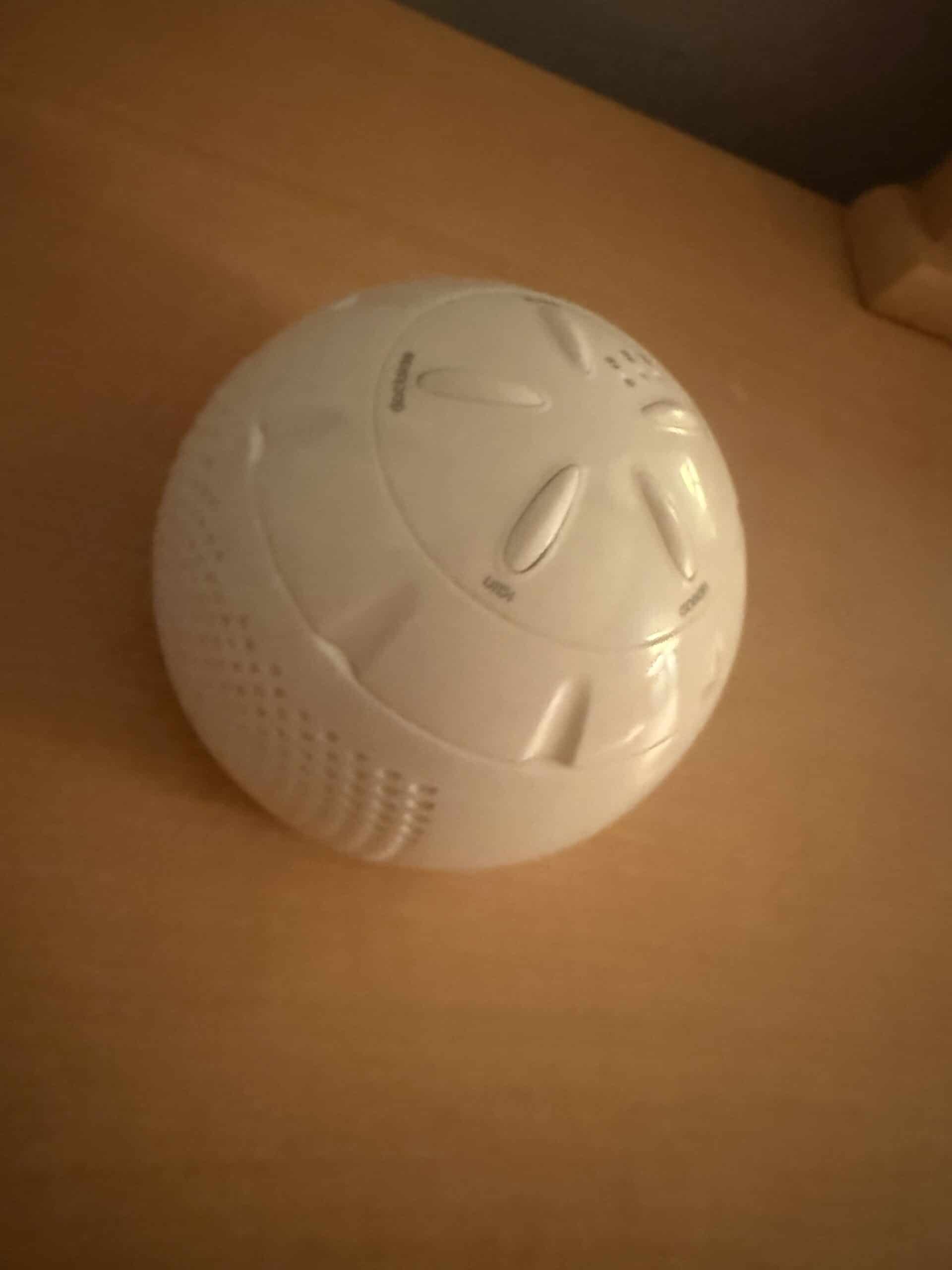
I used a machine and an app before, and I stopped needing the white noise altogether. That was not a decision to quit so much as noticing at some point that I was not reaching for it.
I still use a fan though, and that is worth being straight about. A fan makes noise, and it does the same masking job a machine does, so I have not gone from constant background sound to silence. I have changed what produces it.
Anyone reading this while running a fan should know that they are in the same position. Stopping a machine while keeping a fan is a different experiment from stopping altogether, and it is much easier.
I do still use white noise occasionally, if anything is feeling too quiet. That is the arrangement now rather than a rule, and having it available for the nights that need it removes any question of whether stopping was permanent.
My experience covers one person in an apartment with a fan running most nights. It does not cover shared bedrooms, shift work, tinnitus, or genuinely noisy environments, where stopping has different consequences.
Check Whether You Actually Stopped
A fan, an air conditioner, an air purifier, or a dehumidifier all produce broadband sound that masks intermittent noise. Any of them running means the background floor is still there.
This matters because people conclude they have broken a dependence when they have swapped sources. That is fine as an outcome and it does not tell you what genuine silence would be like.
If you want to know, turn everything off for a few nights. The comparison between a machine and a fan is different from the comparison between a fan and nothing, covered in a machine against a fan.
Who Finds Stopping Difficult
People in noisy environments
Traffic, neighbours, and shared walls do not go away because you removed the masking. Here the difficulty persists rather than fading, and it is information about the room rather than a habit.
People with tinnitus
Ringing or hissing is far more noticeable in silence, and background sound masks it directly. Stopping tends to be genuinely uncomfortable rather than a matter of adjustment.
Light sleepers with variable environments
Unpredictable noise is harder to habituate to than steady noise. Where the disruption changes night to night, the brain never settles on a baseline.
Anyone who ruminates at night
Background sound occupies a small amount of attention, and removing it leaves thoughts as the only thing happening in a quiet room.
Is Dependence Real?
Not in any physical sense. There is no withdrawal and nothing to detox from, and the adjustment is your brain recalibrating to a new sound environment.
What is real is the association. A consistent cue used every night becomes part of the routine that signals sleep, and removing it removes a signal, which is why the first nights feel different.
That is also an argument for not worrying about it. Using white noise nightly for years causes no harm, and the case for stopping is convenience or travel rather than health, covered in white noise machines.
If You Want to Stop
Reduce the volume gradually across a week or two rather than switching it off. That shrinks the contrast at each step instead of removing the floor in one go.
Pick a stretch without other disruptions. Stopping during a noisy week or a stressful period tests the wrong variable.
Address the room while you are at it. Soft furnishings absorb sound, heavy curtains help, and a draught stopper under the door blocks more than people expect, covered in draft stoppers for quiet bedrooms.
Give it two weeks before concluding anything. If sleep is still disrupted after that, the environment is doing it rather than the habit.
Stopping Against Keeping It
Stopping suits people whose environment is genuinely quiet, who travel often, or who want one less thing running overnight. The adjustment is short and the outcome is usually neutral.
Keeping it suits anyone in a noisy environment, with tinnitus, or who simply sleeps better with it. There is no health argument for stopping, and occasional use for the nights that need it is a reasonable middle position.
Related Reading
- why silence is harder
- comparing the two sources
- machines worth using
- blocking rather than masking
- what a fan actually does
- rebuilding the routine around it
Frequently Asked Questions
How long does it take to adjust to sleeping without white noise?
Usually a few nights. Sounds seem loud initially because they now stand out against silence rather than against a steady background, and most people settle into a new baseline within a week.
Am I dependent on white noise?
Not physically. There is nothing to withdraw from, and what feels like dependence is an association between a nightly cue and sleep. The adjustment is recalibration rather than withdrawal.
Does a fan count as white noise?
Yes. A fan produces broadband sound that masks intermittent noise the same way a machine does, so anyone still running one has changed the source rather than removed the masking.
Will I sleep worse without it?
Most people return to normal within a week. Those in noisy environments or with tinnitus often find the disruption persists, which is information about the room rather than the habit.
Should I stop using white noise?
There is no health reason to. Using it nightly for years causes no harm, and the reasons to stop are practical, such as travel or preferring less running overnight.
What is the best way to stop?
Reduce the volume gradually across a week or two rather than switching it off in one go. That shrinks the contrast at each step instead of removing the background all at once.
Can I use it only sometimes?
Yes, and plenty of people do. Keeping it for nights that feel too quiet or environments that are unusually noisy is a reasonable arrangement with no downside.
