
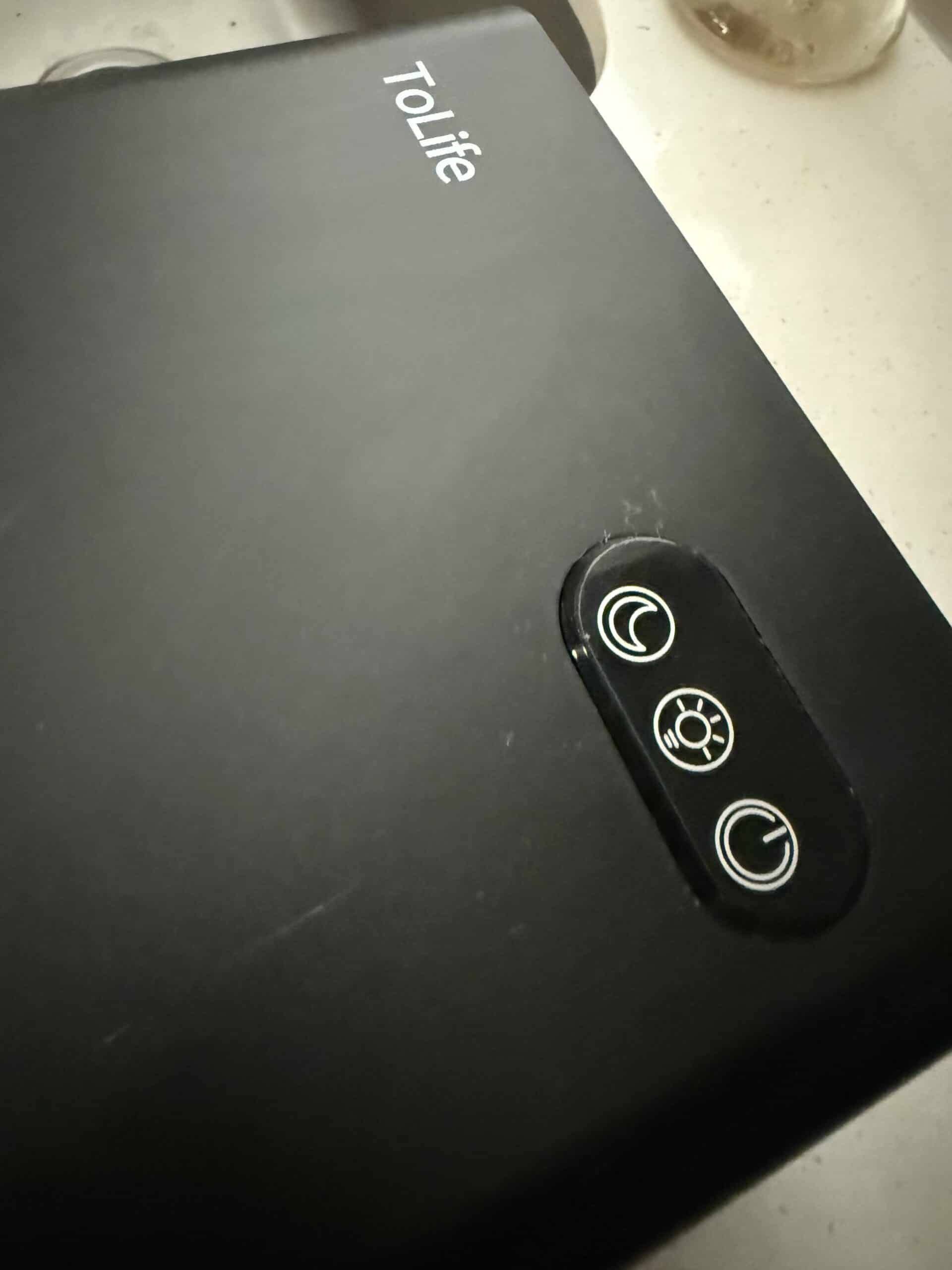
A quiet dehumidifier pulls excess moisture from the air to make a room feel cooler, fresher, and less stuffy, without the motor noise that would disturb sleep. The best quiet dehumidifiers remove enough moisture for your room size, run at a low noise level, and are simple to empty and maintain. The trade-offs that matter most are the noise level, the moisture-removal capacity, and the tank size or drainage. I have used a dehumidifier in a humid apartment and found it made a real difference to how comfortable the room felt, and mine has a night mode that runs very quietly, so I know firsthand how much quiet overnight operation matters. Below are six quiet dehumidifiers worth buying, from compact thermo-electric units to larger compressor models, with a plain guide to choosing the right one. For the wider setup, see our guide on why your bed feels hot.
Quick Verdict
For a quiet bedroom, a compact thermo-electric dehumidifier is the best default, running near-silently for small to medium rooms. Having used one in a humid apartment, with a night mode that quiets it right down for sleep, I know quiet overnight operation is what matters: larger or damper rooms need a quiet compressor unit, humid climates benefit from continuous drainage, and a night mode helps anyone running one while they sleep.
Why Trust This Guide
Independent picks, reader-supported through affiliate links at no cost to you. Guidance reflects genuine experience using a dehumidifier in a humid home, plus product research and manufacturer capacity and noise specs.
Key Takeaways
- A quiet dehumidifier removes excess moisture to make a room feel fresher without disturbing sleep.
- Thermo-electric units run near-silently but suit smaller, moderately humid rooms.
- Compressor units remove more moisture for larger or damper rooms with more noise.
- Continuous drainage avoids emptying a tank in persistently humid conditions.
- A night mode dims the display and lowers noise for overnight bedroom use.
How I Picked These Quiet Dehumidifiers
These picks span the main quiet-dehumidifier types by noise level, moisture-removal capacity, and drainage, informed by having run a dehumidifier in a humid home plus product research and manufacturer specs. Because bedroom use means overnight running, low-noise operation and sleep features were prioritized. The goal was a short list from compact thermo-electric to larger compressor units rather than six near-identical models. Our note on dehumidifier that collects no water covers that in more detail.
1. Compact Thermo-Electric Dehumidifier, Best for Quiet Bedrooms
A small thermo-electric (Peltier) dehumidifier runs very quietly because it has no compressor, making it a top choice for a bedroom where noise matters most. It suits small rooms and moderate humidity.
Why It Stands Out
Without a compressor, these units hum softly rather than cycling loudly, which is ideal for sleeping. They are compact, light, and simple, handling smaller rooms and mild dampness well. For a quiet bedroom, the near-silent operation is the main draw.
Worth Knowing
Thermo-electric units remove less moisture than compressor models and work best in smaller, moderately humid rooms. They are not for large or very damp spaces.
Quiet operation matters as much here as with a bedside fan for undisturbed sleep.
Best For: Best for small bedrooms wanting the quietest operation. Skip if you have a large or very humid room, where a compressor unit is needed.
2. Quiet Compressor Dehumidifier, Best for Larger Rooms
A compressor dehumidifier with a low-noise design removes much more moisture for larger or damper bedrooms while keeping the sound manageable for sleep.
Why It Stands Out
Compressor units pull significant moisture from the air, handling bigger rooms and higher humidity that overwhelm small units, and quieter models keep the cycling noise down. A larger tank means less frequent emptying. It is the choice when you need real dehumidifying capacity.
Worth Knowing
Even a quiet compressor makes more noise than a thermo-electric unit when it cycles on. Look for models specifically reviewed as quiet and consider a night mode.
Best For: Best for larger or damp bedrooms needing more capacity. Skip if you have a small room and want the absolute quietest unit.
3. Dehumidifier With Continuous Drainage, Best for Low Maintenance
A dehumidifier that supports a continuous drain hose empties itself into a drain, so you never have to pour out a tank, ideal for humid climates or hands-off use.
Why It Stands Out
Connecting a hose lets the unit drain continuously instead of filling a tank you must empty, which is convenient in persistently humid conditions. It runs unattended for long stretches. For low-maintenance operation, continuous drainage is the key feature.
Worth Knowing
You need a nearby drain or to position the unit for gravity drainage, which limits placement. Otherwise you fall back to emptying the tank.
Best For: Best for humid climates and hands-off, continuous use. Skip if you only need occasional dehumidifying and do not mind emptying a tank.
4. Dehumidifier With Night Mode, Best for Sleep
A dehumidifier with a dedicated night or sleep mode dims the display and lowers the fan speed, minimizing light and noise while you sleep.
Why It Stands Out
Night mode turns off bright indicator lights and runs the unit quietly, addressing the two things that disturb sleep: light and noise. My own dehumidifier has a night mode, and switching it on genuinely quiets the unit down for sleeping, which is the feature I would not want to be without. For bedroom use, these sleep features matter a lot.
Worth Knowing
Running quieter overnight can mean slightly slower moisture removal. Make sure the tank or drainage can handle a full night without stopping.
Pair it with dark, quiet conditions like blackout curtains for the best sleep.
Best For: Best for people who run a dehumidifier overnight in the bedroom. Skip if you only run it during the day.
5. Budget Quiet Dehumidifier, Best Value
An inexpensive compact dehumidifier covers the basics for a low price, an easy way to reduce dampness in a small room without spending much.
Why It Stands Out
Even a budget thermo-electric unit quietly pulls moisture from a small room for far less, making a fresher room affordable. The low cost suits a single bedroom or a first try. Basic units still run quietly enough for sleep.
Worth Knowing
Budget units have small tanks and modest capacity, so they suit small, mildly humid rooms only. Check the room-size rating before buying.
Best For: Best for small rooms and affordable, quiet moisture control. Skip if you need high capacity or continuous drainage.
6. Dehumidifier and Air Purifier Combo, Best for Air Quality
A combo unit that dehumidifies and filters the air tackles both dampness and dust or allergens, useful for stuffy or allergy-prone bedrooms.
Why It Stands Out
Combining moisture removal with air filtration addresses damp, stale air and airborne particles in one quiet unit. It suits people who want fresher air as well as lower humidity. Two functions in one save space.
Worth Knowing
Combo units cost more and the filters need periodic replacement. Confirm both the dehumidifying capacity and the filter type meet your needs.
Best For: Best for stuffy or allergy-prone bedrooms wanting cleaner, drier air. Skip if you only need dehumidifying.
Quiet Dehumidifier Types at a Glance
| Type | Best For | Noise | Capacity |
|---|---|---|---|
| Thermo-electric | Small quiet rooms | Very low | Low |
| Compressor | Larger rooms | Low to medium | High |
| Continuous drain | Humid climates | Varies | High |
| Combo purifier | Air quality | Low | Medium |
How to Choose a Quiet Dehumidifier
Match capacity to your room
A small thermo-electric unit suits a small, mildly humid bedroom, while a larger or damper room needs a compressor unit that removes more moisture. Check the room-size and pints-per-day rating so the unit can actually keep up.
Prioritize low-speed noise
Since a bedroom dehumidifier often runs overnight, the noise on its quiet or night setting matters most. Look for units reviewed specifically as quiet for sleeping, and favor a night mode that dims lights too.
Consider tank size or drainage
A larger tank means less frequent emptying, and continuous drainage lets the unit run unattended in humid conditions. Decide whether you want the convenience of a hose or can empty a tank regularly.
Common Dehumidifier Mistakes to Avoid
Undersizing for the room
A small unit in a large or very humid room runs constantly and never keeps up. Match the capacity to your room size and humidity level so it works efficiently and quietly.
Ignoring display light
A bright indicator light can disturb a dark bedroom. Choose a unit with a dimmable display or night mode for true darkness overnight.
Forgetting to empty or drain
A full tank stops the unit until you empty it, which can leave you damp overnight. Use continuous drainage or a large tank if you run it while sleeping.
Thermo-Electric, Compressor, or Combo: Which Fits You
Thermo-electric for quiet small rooms
If you want the quietest operation for a small or moderately humid bedroom, a compact thermo-electric unit runs near-silently. It is the pick when low noise matters more than high capacity.
Compressor for larger or damp rooms
If your room is larger or genuinely damp, a quiet compressor unit removes far more moisture and keeps up where a small unit cannot. Look for one with a night mode to manage the cycling noise.
Combo for cleaner air too
If your bedroom is stuffy or you have allergies, a dehumidifier and air purifier combo tackles dampness and airborne particles together. Just plan for periodic filter replacement and confirm the dehumidifying capacity fits your room.
Frequently Asked Questions About Quiet Dehumidifiers
What is the quietest type of dehumidifier?
Thermo-electric (Peltier) dehumidifiers are the quietest because they have no compressor, running with a soft hum ideal for bedrooms. They suit small, moderately humid rooms; larger rooms need a compressor unit reviewed as quiet.
Can you sleep with a dehumidifier running?
Yes, many people run a quiet dehumidifier overnight, especially units with a night mode that dims the display and lowers noise. A thermo-electric unit or a quiet compressor with sleep mode is best for undisturbed sleep.
Does a dehumidifier make a room cooler?
A dehumidifier removes moisture, which makes a humid room feel cooler, fresher, and less stuffy, though it does not lower the temperature like an air conditioner. Reducing humidity helps your body cool itself more effectively.
What size dehumidifier do I need for a bedroom?
Match the capacity to your room size and humidity: a small thermo-electric unit suits a small, mildly damp bedroom, while a larger or very humid room needs a higher-capacity compressor unit. Check the room-size rating before buying.
Do dehumidifiers help you sleep better?
By making a humid room feel fresher and less stuffy, a dehumidifier can make sleep more comfortable, and a quiet one does so without disturbing you. It works alongside a cool, dark, well-ventilated room for the best sleep.
How often do I empty a dehumidifier tank?
It depends on humidity and tank size, from once a day in damp conditions to less often in drier rooms. Continuous drainage through a hose avoids emptying altogether, which is convenient for overnight or humid-climate use.
Are dehumidifiers noisy?
Compressor dehumidifiers make noise when they cycle, while thermo-electric units are much quieter. For a bedroom, choose a thermo-electric unit or a compressor model specifically reviewed as quiet, ideally with a night mode.
Recommended Reading
- Best Dehumidifiers for the Bedroom
- Why Does My Bed Feel Hot
- Best Bedside Fans
- Best Blackout Curtains for Sleep
Part of our guide to cooling a bedroom for better sleep.
