
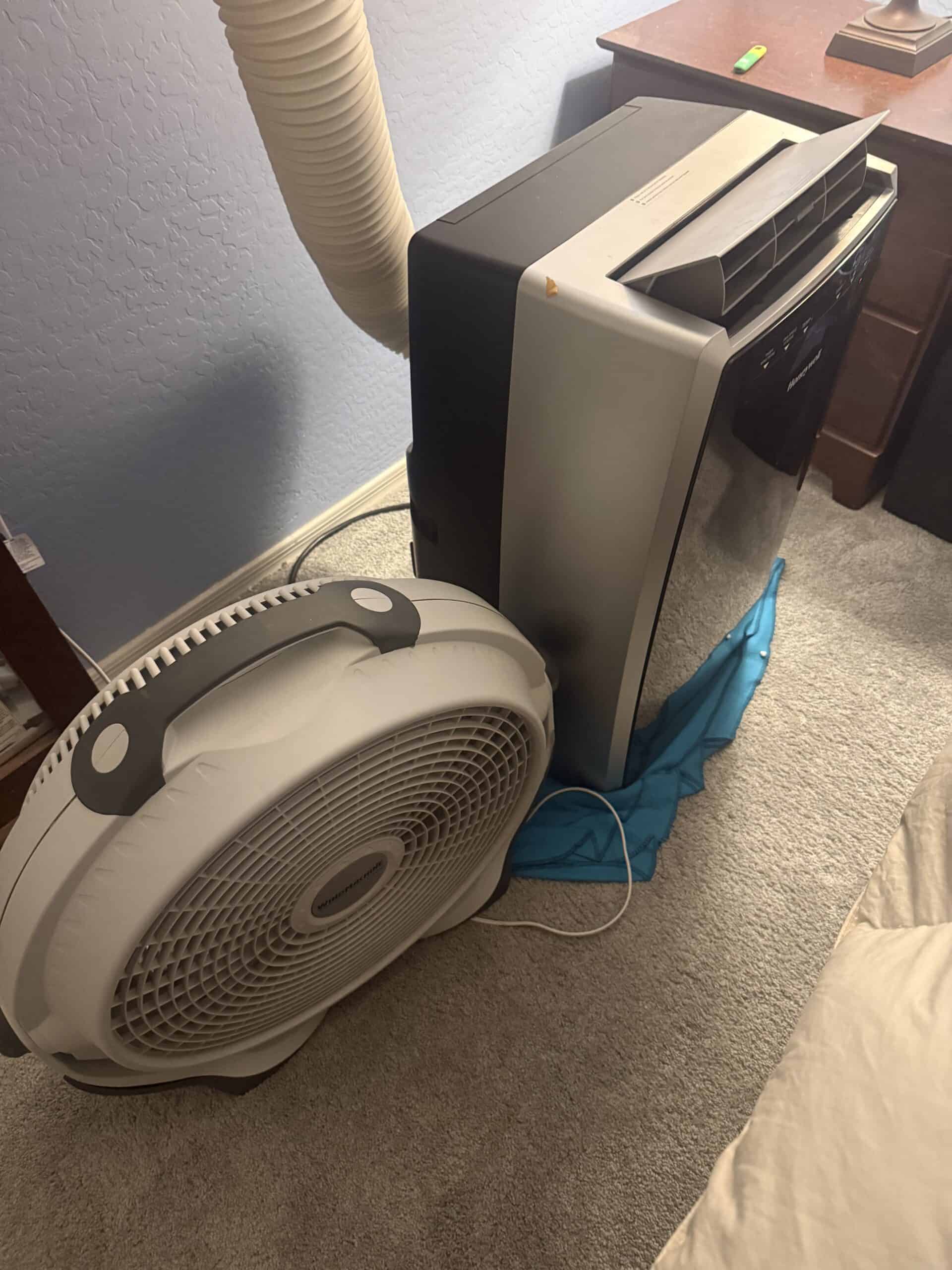
Falling asleep depends partly on your core body temperature dropping, and a warm room works against that. A cooler bedroom removes an obstacle to sleep onset, which is a real mechanism and a narrower claim than treating insomnia.
What temperature will not do is address the causes clinicians treat. Chronic insomnia has recognized behavioral and psychological treatments, and a cooler room is an environmental adjustment that sits alongside those rather than substituting for them.
Medical Disclaimer
This article is general information rather than medical advice. Chronic insomnia is a diagnosable condition with effective treatments, and difficulty sleeping most nights for three months or longer deserves assessment. Talk to your doctor rather than relying on environmental changes alone.
Quick Answer
A cooler bedroom supports the body temperature drop that accompanies falling asleep, so it can shorten how long that takes and reduce waking. It does not treat the underlying condition, and people with chronic insomnia should expect it to help rather than resolve.
Key Points
- Core temperature falls as you fall asleep, and warmth interferes
- A cooler room removes an obstacle rather than treating a condition
- Comfort while awake matters more than people credit
- Humidity blocks cooling independently of temperature
- Environmental changes work alongside clinical treatment
- Persistent insomnia deserves a proper assessment
The Temperature Mechanism
Body temperature follows a daily rhythm, falling in the evening and reaching its lowest point during the night. That decline is part of the process of falling asleep rather than a consequence of it.
Heat loss happens mainly through the skin, particularly at the hands and feet, and a warm environment slows it. Research on thermal environment and sleep has consistently found that heat exposure increases wakefulness and reduces slow wave sleep.
Humidity compounds this, since evaporation is one of the routes your body uses to shed heat. Humid air blocks that regardless of the thermostat reading, which is covered in whether a dehumidifier helps sleep.
What Cooling Does and Does Not Address
| Aspect of insomnia | Does cooling help? |
|---|---|
| Time taken to fall asleep | Can help, by removing a physical obstacle |
| Waking during the night from heat | Directly addressed |
| Comfort while lying awake | Improved |
| Racing thoughts and worry | No effect |
| Conditioned arousal around bed | No effect |
| Underlying chronic insomnia | Not treated |
What It Has Done for Me
I have had insomnia since my teens, so I have a long baseline to compare a change against, and the cooling setup has helped tremendously in my case.
Being cold is when I am comfortable sleeping. That is the specific thing, and once I understood it the setup stopped being about the room and started being about getting myself to that state.
Where I would be careful is what it helps with. A lot of the benefit is that I am more comfortable while I am awake, which lets me find the rhythm to try and fall asleep rather than lying there uncomfortable on top of being unable to sleep. Those are two different problems and the setup solves the second one properly.
There are still nights where I have trouble sleeping altogether. It has not eliminated those, and I do not think it could. What I believe is that there are fewer of them than there would be without the setup, and that is a more modest claim than saying it fixed anything.
My experience is one person with a long-standing sleep problem in a dry desert climate. It is not evidence about anyone else’s insomnia, and it does not cover night sweats, hormonal causes, or sleep problems with a medical driver, all of which need proper assessment.
Comfort While Awake Is Underrated
Advice on insomnia focuses on falling asleep, and people with chronic insomnia spend real time awake in bed regardless of what they do.
Being physically uncomfortable during that time adds a second problem on top of the first. Frustration and physical discomfort compound each other, and removing one of them makes the other more tolerable.
That is a smaller benefit than curing insomnia and it is a genuine one. It also makes it easier to follow the behavioral approaches that do work, since those depend on staying calm rather than becoming agitated.
What the Evidence Supports
Thermal environment affects sleep quality measurably, and that finding is well established across studies of heat exposure and sleep architecture.
For chronic insomnia specifically, the American Academy of Sleep Medicine recommends cognitive behavioral therapy for insomnia as the first-line treatment, based on evidence stronger than that for any environmental or over-the-counter approach.
Sleep hygiene as a standalone intervention has weaker support than people assume. That does not make a cooler room useless, and it does mean environmental changes work best alongside treatment rather than instead of it, as covered in approaches to insomnia.
Getting the Room Right
Temperature
Cooler than most people keep a living room, and the exact figure varies by person. Somewhere in the range that feels slightly cool when you get into bed suits most people.
Humidity
Roughly forty to sixty percent. Above that, sweat stops evaporating and the room feels hotter than it reads regardless of the thermostat.
Airflow
Moving air helps more than lowering the temperature a degree, and it costs less to run. Detail sits in cooling a bedroom.
Bedding
The layer against your skin undoes a cool room if it traps heat. A heavy duvet over a cooled mattress cancels most of what the room is doing, and a lighter or cooling-specific blanket is usually the cheapest correction available.
Where the Environment Sits in the Wider Picture
Sleep problems have layers, and environment is the outermost one. It is also the layer people reach for first, because it can be bought.
Underneath it sits behavior: what time you go to bed, what you do when you cannot sleep, how long you stay in bed awake. Those factors have stronger evidence behind them than anything environmental, and they cost nothing beyond effort.
Below that sit medical and psychological drivers, including breathing disorders, pain, medication effects, anxiety, and low mood. None of those respond to a thermostat, and several are treatable once identified.
Working the outer layer first is reasonable, since it is quick and it rules something out. Staying there for months while sleep remains poor is the mistake, because the layers underneath are where the larger gains sit.
Reasonable Expectations
Reasonable looks like falling asleep somewhat faster, waking less from heat, and being more comfortable during the stretches you are awake. Those are real improvements and they are incremental.
Unreasonable looks like expecting a cooler room to resolve chronic insomnia. If you are sleeping badly most nights over months, the environment is unlikely to be the main driver, and treatment exists that works better than any purchase.
Related Reading
- approaches beyond the environment
- what temperature to aim for
- practical cooling
- tiredness without sleep
- the behavioral side
- shortening sleep onset
Frequently Asked Questions
Does room temperature affect insomnia?
It affects sleep quality measurably, since falling asleep involves a drop in core body temperature that a warm room slows. That removes an obstacle rather than treating insomnia itself.
What temperature is best for sleep?
Cooler than most people keep their living space, with the exact figure varying between individuals. A room that feels slightly cool as you get into bed suits most people, and personal preference matters.
Will a cooler bedroom cure my insomnia?
No. Chronic insomnia has recognized treatments, and cognitive behavioral therapy for insomnia is the first-line recommendation. A cooler room supports sleep and works alongside treatment rather than replacing it.
Why do I sleep better when I am cold?
Because heat loss through the skin is part of how your body initiates sleep, and a cool environment supports that. Individual comfort preferences vary considerably around the same underlying mechanism.
Does humidity matter as much as temperature?
It matters independently. Humid air blocks the evaporative cooling your body relies on, so a room at a reasonable temperature can still feel hot and disrupt sleep if humidity is high.
Is sleep hygiene enough for insomnia?
Evidence for sleep hygiene as a standalone treatment is weaker than many people assume. It supports other approaches without substituting for them, which is why chronic insomnia warrants proper assessment.
When should I see a doctor?
If you have difficulty sleeping most nights for three months or longer, if daytime function is affected, or if sleep problems come with breathing pauses, leg discomfort, or low mood. Effective treatments exist and are worth accessing.
Sources
- Okamoto-Mizuno K, Mizuno K. Effects of thermal environment on sleep and circadian rhythm. J Physiol Anthropol. 2012;31(1):14. https://jphysiolanthropol.biomedcentral.com/
- Edinger JD, Arnedt JT, Bertisch SM, et al. Behavioral and psychological treatments for chronic insomnia disorder in adults: an American Academy of Sleep Medicine clinical practice guideline. J Clin Sleep Med. 2021;17(2):255-262. https://aasm.org/
