
In a humid bedroom, yes. Lowering humidity helps your body shed heat through evaporation, which is the mechanism that stalls when the air is already full of moisture. That is why a humid night feels hotter than the thermostat says and why sweat sits on your skin instead of cooling you.
In a room that is already dry, a dehumidifier does nothing useful and can make things worse. The tool solves one specific problem, and knowing whether you have that problem comes before buying anything.
A Quick Note
This article covers comfort and sleep environment rather than medical treatment. Persistent breathing difficulty, worsening allergy or asthma symptoms, or sleep problems that continue regardless of room conditions are worth raising with a doctor rather than solving with equipment.
Quick Answer
A dehumidifier helps when bedroom humidity sits above roughly 60%, because high humidity blocks the evaporative cooling your body relies on overnight. Below about 40% it does nothing and may dry the air uncomfortably. Measure before buying, since a cheap hygrometer answers the question outright.
Key Points
- Sweat cools you by evaporating, and humid air stops that working
- The comfortable range for sleep sits roughly between 40% and 60%
- A hygrometer costs little and answers the question directly
- High humidity also encourages dust mites and mold
- Dehumidifiers generate noise and heat, which are real tradeoffs
- Air conditioning dehumidifies as a side effect of cooling
Why Humidity Changes How Hot You Feel
| Humidity level | What happens at night | Action |
|---|---|---|
| Above 60% | Sweat does not evaporate, bedding feels damp, room feels hotter than it reads | Dehumidify |
| 50% to 60% | Comfortable for most people, slight stickiness on warm nights | Monitor |
| 40% to 50% | Comfortable range, evaporative cooling works normally | Nothing |
| Below 40% | Dry throat, irritated sinuses, static | Consider a humidifier instead |
Your body drops its core temperature to fall asleep, and it does that partly by moving heat to the skin and letting it evaporate away. Humid air is already carrying close to all the water it can hold, so evaporation slows and the heat stays with you.
The Case for Measuring First
People buy dehumidifiers on the feeling that a room is stuffy, and stuffiness has several causes. Poor airflow, a warm room, and high humidity all produce a similar sensation and need different fixes.
A hygrometer removes the guesswork for a few pounds. Leave it in the bedroom overnight and read it in the morning, since humidity climbs while a closed room holds a sleeping body.
Readings vary through the night and across seasons, so a few nights of data beats a single number. If it sits in the forties and fifties, the room is not your problem and cooling the bedroom is the more useful direction.
When the Room Is Genuinely Humid
Some rooms run humid regardless of the weather. Ground floor and basement bedrooms, rooms with poor ventilation, and older buildings with damp issues all hold moisture that never fully clears.
The signs are visible before any meter confirms them. Condensation on the inside of windows in the morning, a musty smell that returns after airing, bedding that feels slightly damp to the touch, and mold appearing in corners or around window frames.
Where those are present, a dehumidifier addresses something real. Where they are absent and the room only feels humid during a wet spell, a seasonal approach makes more sense than a permanent one.
How This Has Worked in My Bedrooms
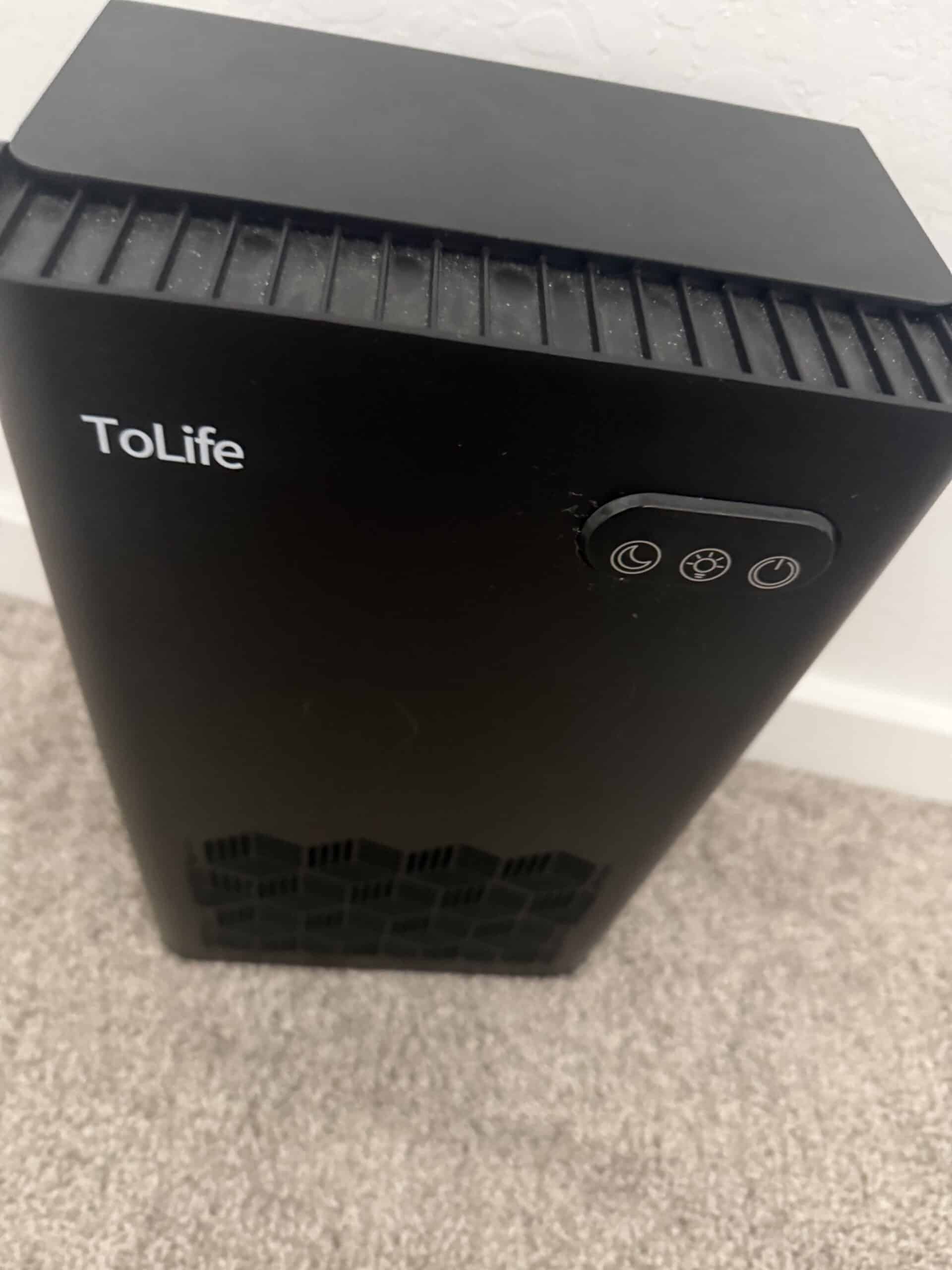
My old apartment was always humid. Not seasonally, just permanently, and running a dehumidifier there made a real difference to how the room felt at night. It was one of the few environmental changes I made that I noticed straight away.
My current place is different. It has been raining a lot recently and the apartment has got genuinely humid with it, so I have been running the dehumidifier on the nights when it is worst. That is the honest use case now: occasional, weather-driven, rather than every night.
Which is worth saying, because the old apartment would have justified buying one outright and this one would not have. Same device, same person, two different verdicts depending on the building. If you are deciding whether to buy, the room matters more than anything about the machine.
My experience covers apartment bedrooms in a hot dry climate where humidity arrives with the rain rather than sitting there year round. It does not cover basements, coastal damp, or rooms with a structural damp problem, where the calculation is different and a dehumidifier is treating a symptom.
The Secondary Benefits
Dust mites need humidity above roughly 50% to thrive, and they live in mattresses and bedding. Keeping a room below that suppresses the population over time, which matters for anyone whose congestion is worse in the morning than the evening.
Mold needs moisture too. Bedrooms that grow mold around windows or in corners are telling you the humidity is high enough to support it, and reducing that addresses the cause rather than cleaning the result repeatedly.
Bedding also stays fresher. Damp air keeps fabric slightly moist, which is part of why bedding in a humid room develops a smell faster than it should.
The Tradeoffs Nobody Mentions
Noise
A dehumidifier runs a compressor and a fan, and both make noise. Some people find that masks other sounds usefully, and others cannot sleep through it. Quieter models cost more.
Heat output
Dehumidifiers warm the room slightly as a byproduct. In a hot humid bedroom that partly offsets the benefit, which is worth knowing before expecting one to double as a cooler.
Water emptying
The tank fills and needs emptying, sometimes daily in a genuinely damp room. Models with a drain hose avoid that if you have somewhere for the water to go.
Running cost
They use meaningful power for a bedroom appliance. Running one every night through a season adds up in a way a fan does not.
What Else Reduces Bedroom Humidity
Ventilation does a lot for free. Opening a window for a stretch each day moves moist air out, and it works well except when the outside air is more humid than the inside.
Drying laundry elsewhere removes a large moisture source. A load of wet washing in a bedroom raises humidity substantially overnight.
Air conditioning dehumidifies as it cools, which is why a room with AC running rarely needs a separate dehumidifier. If you already have cooling, adding a dehumidifier duplicates part of that job, and options are compared in bedroom dehumidifiers.
Worth Buying Versus Not
Worth buying if your hygrometer reads consistently above 60%, if windows show morning condensation, if mold appears in the room, or if bedding feels damp. Those point at a moisture problem that a dehumidifier addresses directly.
Not worth it if readings sit in the forties and fifties, if the room only feels humid during occasional wet weather, or if the actual complaint is heat rather than moisture. A fan or better airflow does more in those cases, and setting up a cooling sleep environment covers the alternatives.
Related Reading
- units sized for a bedroom
- the opposite problem
- heat rather than moisture
- the temperature side of comfort
- when sweating is the main issue
- bedding that moves moisture
Related: put a dehumidifier in a bedroom.
Frequently Asked Questions
What humidity is best for sleeping?
Roughly 40% to 60% suits most people. Above that, sweat stops evaporating and the room feels hotter than it reads. Below it, dry air irritates throats and sinuses, so lower is not automatically better.
Will a dehumidifier cool my room?
Not directly, and it warms the air slightly as a byproduct. What it does is let your body cool itself properly by allowing sweat to evaporate, which is why a dehumidified room feels cooler without being cooler.
Should I run it all night?
Only if the room needs it. Many units have a humidistat that cycles them off once the target is reached, which is better than running continuously and overshooting into uncomfortably dry air.
Does a dehumidifier help with allergies?
It can help by suppressing dust mites, which need humidity above roughly 50% to thrive. Whether that improves your symptoms depends on what triggers them, and persistent symptoms deserve a proper assessment.
Is a dehumidifier or air conditioner better?
Air conditioning removes moisture while cooling, so it does both jobs where you have it. A dehumidifier makes more sense in a room that is humid without being hot, or where AC is not an option.
How do I know if my bedroom is humid?
Measure it with a hygrometer overnight rather than judging by feel. Visible signs include morning condensation on windows, a musty smell that returns after airing, and bedding that feels slightly damp.
When should I see a doctor?
If breathing difficulty, congestion, or coughing persists regardless of room conditions, if allergy or asthma symptoms are worsening, or if sleep problems continue after the environment is sorted. Equipment addresses comfort rather than underlying conditions.
