
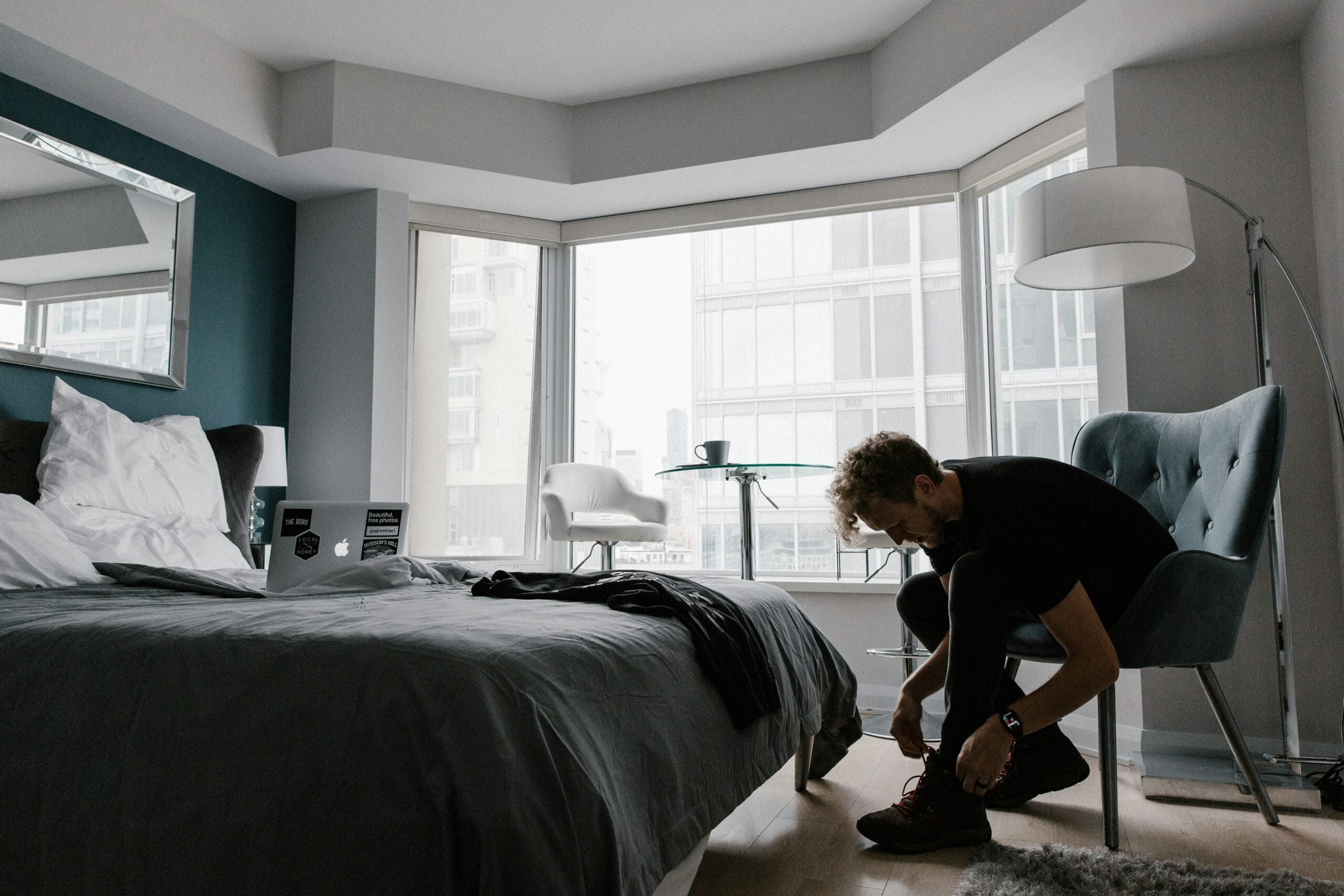
Making your bed is a habit question rather than a hygiene one. Pulling the covers up traps the moisture your body left in the sheets overnight, which suits dust mites. Leaving the bed open lets that moisture evaporate. Neither effect is large enough to decide anything on its own.
What tips it for most people is the room. A made bed changes how a bedroom reads when you walk into it at the end of the day, and that matters more to sleep than the dust mite argument does.
Quick Answer
Pull the covers back for twenty to thirty minutes after waking to let moisture escape, then make the bed. That gets the drying benefit without leaving the room unmade. If you make it immediately, the difference is small enough that it should not worry you.
Key Points
- You lose moisture into the sheets every night through sweat and breath
- An unmade bed dries faster, which dust mites prefer less
- The effect exists and is smaller than headlines suggest
- Airing for half an hour captures most of the benefit
- A tidy bedroom supports the wind-down routine that helps sleep
- Washing frequency matters far more than making frequency
The Two Arguments
| Position | Reasoning | Strength |
|---|---|---|
| Leave it unmade | Moisture evaporates, dust mites do worse in dry bedding | Real mechanism, modest effect |
| Make it daily | Tidy room supports routine and makes the bedroom feel restful | Real, and more relevant to most people |
| Air then make | Captures the drying benefit and the tidy room | The sensible middle |
What Actually Happens Overnight
You lose water through sweat and breathing all night, and a fair amount of it goes into the mattress and bedding. That is normal and it happens whether or not you feel warm.
Made beds hold that moisture against the mattress for longer, since the duvet acts as a lid. Unmade beds expose the sheets to room air and dry faster.
Dust mites need humidity to survive, and they live on skin cells in bedding and mattresses. Drier bedding is less hospitable to them, which is the whole basis of the leave-it-unmade argument. Whether that translates into fewer symptoms depends on how sensitive you are, and room humidity affects it more than bed-making does, covered in bedroom dehumidifiers.
Why the Effect Is Smaller Than It Sounds
The mite argument gets repeated as though leaving your bed unmade solves an allergy problem. It does not.
Mites live in the mattress as much as the sheets, and a mattress does not dry out because a duvet is folded back. Room humidity, mattress age, and how often you wash bedding all influence the population more than the state of your covers each morning.
The practical version: if you have a dust mite allergy, wash bedding hot and weekly, use protective covers, and control room humidity. If you do not, this argument should not decide how you make your bed.
The Case for Making It
A bedroom that looks calm supports the routine that gets you to sleep. Walking into a tidy room at eleven at night is a different experience from walking into a chaotic one, and the wind-down sequence matters, covered in building a bedtime routine.
A made bed also protects the sheets from whatever the room collects during the day. Dust settles on the top layer rather than on the surface you sleep against.
The habit argument is popular and thin. Making your bed does not cause productivity, though a small completed task first thing does make the room feel handled, and some people find that useful.
Airing, Which Solves Both
Pull the covers back over the foot of the bed when you get up and leave them there while you shower and eat. Twenty to thirty minutes captures most of the drying, since the fastest evaporation happens early.
Opening a window during that stretch helps more than the airing alone, especially in a room that runs humid.
Then make the bed before you leave. You get the dry sheets and the tidy room, and the whole thing costs no extra time because the airing happens while you are doing something else.
Where the Advice Came From
The leave-it-unmade idea entered public conversation through a university study reported widely in the mid two thousands, and the reporting outran what the research showed.
The work modelled how mite populations respond to moisture, and the headlines converted that into a recommendation about bed-making. Modelling how a population responds to humidity is a long way from establishing that folding your duvet back changes anyone’s symptoms.
None of which makes the mechanism wrong. Damp bedding does suit mites and drier bedding suits them less. What it does mean is that the advice arrived with more confidence attached than the evidence supported, and it has been repeated at that confidence level ever since.
What Matters More Than Making It
Washing frequency
Sheets accumulate skin cells, sweat, and oils regardless of whether the bed gets made. Weekly washing does more for bedding hygiene than any amount of airing, and hot water matters for mites specifically.
Room humidity
A room sitting above 60% humidity supports mites no matter how you leave the bed. Getting the room into the forties and fifties addresses the cause.
Mattress protection
A washable protector stops moisture and skin cells reaching the mattress, where you cannot clean them out. That does more than bed-making by a wide margin.
Pillow age
Pillows accumulate more than sheets do and get replaced far less often. They are the neglected item in most bedrooms, and reviving a flat pillow covers the intervals.
If You Make It Immediately Anyway
Most people who make their bed do it straight after getting up, and the difference between that and airing first is modest.
You can offset it by folding the duvet back rather than pulling it fully flat, which leaves an air gap. Lighter bedding also holds less moisture, and breathable natural fibers release it faster than synthetics, covered in breathable sheets.
Stripping the bed weekly and letting the mattress breathe while sheets wash achieves in one go what daily airing achieves gradually.
Who Should Air and Who Should Not Worry
Airing is worth the habit if you have a dust mite allergy, if you sleep hot and sweat into the sheets, if the room runs humid, or if you have a memory foam mattress, which breathes less than sprung constructions.
It matters less if your bedroom is dry and well ventilated, if you wash bedding weekly, if you use a mattress protector, or if you have no allergy symptoms. In those cases make the bed whenever you like and spend the attention on the things that affect sleep quality instead.
Related Reading
- the routine a tidy room supports
- protecting what you cannot wash
- controlling room humidity
- reviving a flat pillow
- fabrics that release moisture faster
- looking after the layer underneath
Frequently Asked Questions
Is it unhealthy to make your bed every day?
No. Making the bed traps moisture that would otherwise evaporate, which suits dust mites slightly better, but the effect is small. Washing frequency and room humidity matter considerably more.
How long should you air a bed?
Twenty to thirty minutes captures most of the benefit, since evaporation happens fastest at the start. Pulling the covers back while you shower and have breakfast fits it into the morning without extra effort.
Does an unmade bed reduce dust mites?
Marginally. Mites need humidity and drier bedding suits them less, but they live in the mattress too, and that does not dry out because the duvet is folded back. Hot weekly washing does far more.
Does making your bed help you sleep better?
Indirectly. A tidy bedroom supports the wind-down routine that helps people settle, which is a real effect even though it has nothing to do with the bedding itself.
Should I make the bed if I sweat at night?
Air it first. Heavy sweating puts more moisture into the sheets, so the drying period is worth more to you than to someone who sleeps cool. Then make it as normal.
What about memory foam mattresses?
They breathe less than sprung constructions, so moisture clears more slowly. Airing the bed and using a breathable protector both help more than they would on an innerspring.
Does making your bed make you more productive?
There is no strong evidence for that. Completing a small task first thing makes some people feel the day is underway, which is a reasonable thing to want without needing a productivity claim attached.
