
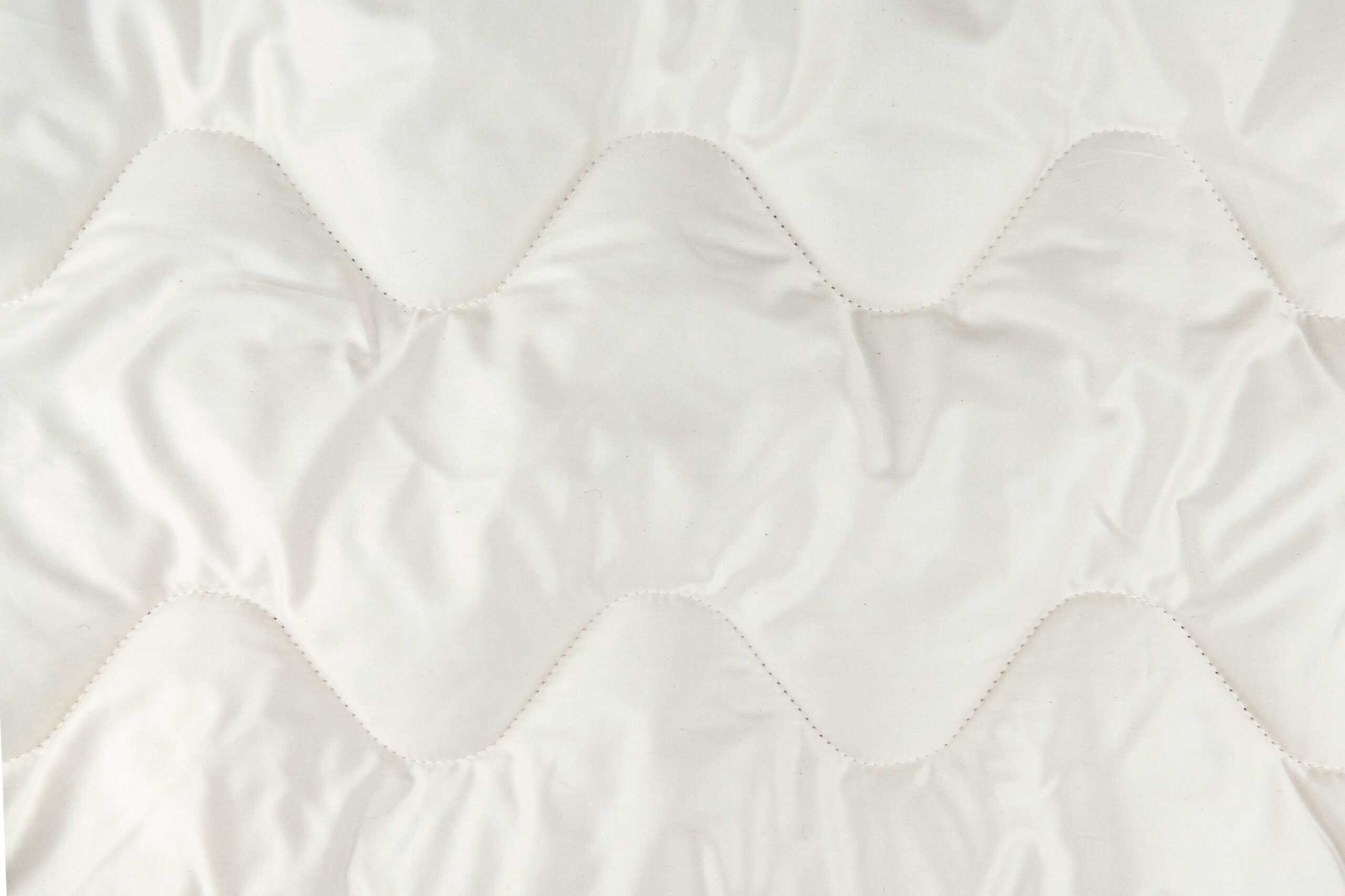
A duvet is an insert that goes inside a removable cover. A comforter is a single finished piece you use as it is. Everything else people argue about follows from that one structural difference.
Quick Verdict
Choose a duvet if you want to wash the cover easily, change the look without buying new bedding, or adjust warmth by season. Choose a comforter if you want the bed made in one motion and would rather not deal with getting an insert into a cover.
Key Takeaways
- A duvet needs a cover, a comforter does not
- Cover washing is far easier than washing a whole comforter
- Duvets let you swap warmth levels seasonally
- Comforters are quicker to make the bed with
- Getting an insert into a cover is the main complaint
- Both come in down and synthetic fills
A Quick Note
This is general information about pet products, not veterinary advice. No product here diagnoses or treats any condition. Changes in a pet’s appetite, weight, behavior, or mobility are worth raising with a veterinarian rather than addressing with equipment.
How We Compared
We looked at how each behaves through a full cycle of use rather than how they feel in a shop, since the difference shows up in laundry and bed-making rather than at purchase.
Washing was weighted heavily, because it is the practical constraint most people underestimate and the one a home machine decides for you.
Warmth handling counted separately from fill type, since both formats use the same fills and the format itself changes how you adjust temperature.
Cost was assessed over several years rather than at purchase, given that covers get replaced on a different schedule from inserts.
Duvet and Comforter at a Glance
| Criterion | Duvet | Comforter |
|---|---|---|
| Structure | Insert plus removable cover | Single finished piece |
| Washing | Cover in a home machine | Whole piece, often commercial |
| Making the bed | Slower, cover shifts | Fast, one motion |
| Changing the look | New cover only | Replace the whole thing |
| Seasonal adjustment | Swap inserts | Buy a second comforter |
| Typical loft | Higher | Flatter, quilted through |
| Extra bedding needed | Often none | Usually a top sheet |
Duvets, Pros and Cons
- Cover washes in a normal home machine
- Change color or pattern without replacing the fill
- Swap a lighter insert for summer and a warmer one for winter
- Higher loft, which many people prefer
- Insert stays cleaner for longer inside the cover
- Getting the insert in is genuinely annoying
- Fill shifts and bunches without corner ties
Suits anyone who washes bedding often, wants seasonal flexibility, or likes changing how a room looks. Skip if wrestling a cover twice a year sounds worse than the benefit.
Comforters, Pros and Cons
- Bed made in a single motion
- Nothing to assemble, ever
- Quilted through, so fill stays put
- Sold in coordinated sets
- Whole piece needs washing, often at a laundromat
- Changing the look means buying a new one
- Wears out as one unit rather than in parts
Suits people who want minimal effort, shared or guest beds, and anyone whose machine could not handle a bulky wash anyway. Skip if you wash bedding frequently.
Which Is Easier to Keep Clean?
The duvet, and it is the clearest difference between them. A cover comes off, goes in a normal machine, and dries fast.
A comforter has to be washed whole. Most home machines cannot handle a king comforter without cramming it, which damages both the machine and the fill, so many people end up at a laundromat.
The knock-on effect is frequency. Bedding that is inconvenient to wash gets washed less, and a comforter washed twice a year is holding considerably more than a cover washed monthly.
Winner: duvet, decisively, and it is the reason most people who switch do not switch back.
Which Is Faster to Make the Bed With?
The comforter. One layer, shake it out, done. Nothing to align and nothing to adjust.
A duvet cover shifts inside itself, so the insert ends up bunched at one end and the corners need pulling back into place.
Corner ties and internal loops reduce that considerably, and inserts without them are the ones people complain about.
Winner: comforter, and it matters daily rather than occasionally.
Which Handles Seasons Better?
The duvet, because the format separates warmth from appearance. A lightweight insert for summer and a heavier one for winter go inside the same cover.
With a comforter you buy a second one, store the other, and change the whole look when you swap.
Some duvets also use tog or fill power ratings that make picking a warmth level straightforward, which comforters label less consistently.
Winner: duvet, and the gap widens in climates with real seasonal swing.
Which Costs Less Over Time?
Roughly even at purchase, with a duvet setup usually costing slightly more because you buy two pieces.
Over several years the duvet tends to come out ahead. Covers wear out before inserts do, and replacing a cover costs far less than replacing a whole comforter.
Wanting a different look is the other factor, since that costs a cover with one format and a full replacement with the other.
Winner: duvet on a multi-year view, comforter if you buy once and keep it.
Which Fits Your Situation
| If this is you | Better choice |
|---|---|
| Wash bedding weekly or fortnightly | Duvet |
| Want the bed made in ten seconds | Comforter |
| Hot summers and cold winters | Duvet |
| Small or shared laundry facilities | Duvet |
| Pets or children on the bed | Duvet |
| Guest room used occasionally | Comforter |
| Like redecorating regularly | Duvet |
Getting an Insert Into a Cover
This is the single reason people avoid duvets, and it is a solved problem once you stop doing it the obvious way.
The roll method works reliably. Turn the cover inside out, lay it on the bed, place the insert on top aligned corner to corner, tie or clip the corners together, then roll the whole thing from the closed end toward the opening. Once rolled, invert the opening over each end and unroll.
Corner ties do most of the work. An insert with loops and a cover with internal ties stays aligned through months of use, and one without either bunches within a week.
Matching sizes matters more than people expect. An insert smaller than its cover slides around, and one larger fills the corners badly and looks lumpy.
Clips sold separately fix inserts that came without loops, and they cost very little. Cover choices sit in duvet covers for easy bedding changes.
The Verdict
The duvet wins on washing, seasonal flexibility, and long-term cost, which is most of what matters once bedding is in daily use. The comforter wins on speed and simplicity, every single morning.
If you wash bedding often or your climate has a real winter and a real summer, buy a duvet and get an insert with corner loops. The assembly annoyance is a few minutes twice a year.
If you make the bed daily and value that being fast, or you are furnishing a guest room nobody sleeps in often, a comforter is the sensible choice and there is nothing second-rate about it.
When should I talk to a vet?
Before any significant change to diet or routine for a pet with a health condition, and promptly if you notice changes in appetite, drinking, weight, energy, or toileting. Those can indicate conditions worth catching early, and they are not things a product resolves.
Recommended Reading
- duvet inserts
- duvet covers
- all-season comforters
- down comforters
- cooling comforters
- bedspreads and blanket sets
- quilts
- how often to wash sheets
- cooling bedding layers
Part of our guide to choosing a mattress.
Common Misconceptions
That a duvet is warmer than a comforter
Neither format is warmer. Both use down or synthetic fill in a range of weights, and warmth comes from the fill rather than the construction.
That duvet is just the British word for comforter
They overlap in usage and the structural difference is real. A duvet is designed to go inside a cover, and a comforter is finished on the outside.
That you always need a top sheet
With a duvet the cover is the washable layer, which is why a top sheet is often skipped. With a comforter it protects the piece you cannot easily wash.
That a comforter cannot be covered
Some people do put a comforter inside a cover, and it works if sizes match. Quilting through the piece makes it flatter than a purpose-made insert.
Duvet vs Comforter FAQ
What is the difference between a duvet and a comforter?
A duvet is an insert used inside a removable cover. A comforter is a single finished piece used as it is, with no cover needed.
Which is easier to wash?
The duvet, clearly. The cover comes off and washes in a normal machine, while a comforter has to be washed whole and often will not fit a home machine.
Do you need a top sheet with a duvet?
Usually not, since the cover is the washable layer against you. Many people skip it entirely, which is part of the appeal of the format.
Is a duvet warmer?
Not inherently. Both use the same fills in the same weight ranges, so warmth comes from the fill and the rating rather than the format.
How do I stop the insert bunching?
Corner ties. An insert with loops and a cover with internal ties stays aligned for months, and clips sold separately solve inserts that came without loops.
What is the easiest way to put a cover on?
The roll method. Turn the cover inside out, lay the insert on top, tie the corners, roll from the closed end, then invert the opening over each end and unroll.
Which lasts longer?
A duvet setup, in the sense that covers wear out first and cost little to replace. A comforter wears as one unit and gets replaced entirely.
Sources
- American Veterinary Medical Association. Pet owner resources. https://www.avma.org/resources-tools/pet-owners
- American Animal Hospital Association. Pet health resources. https://www.aaha.org/your-pet/pet-owner-education/
