
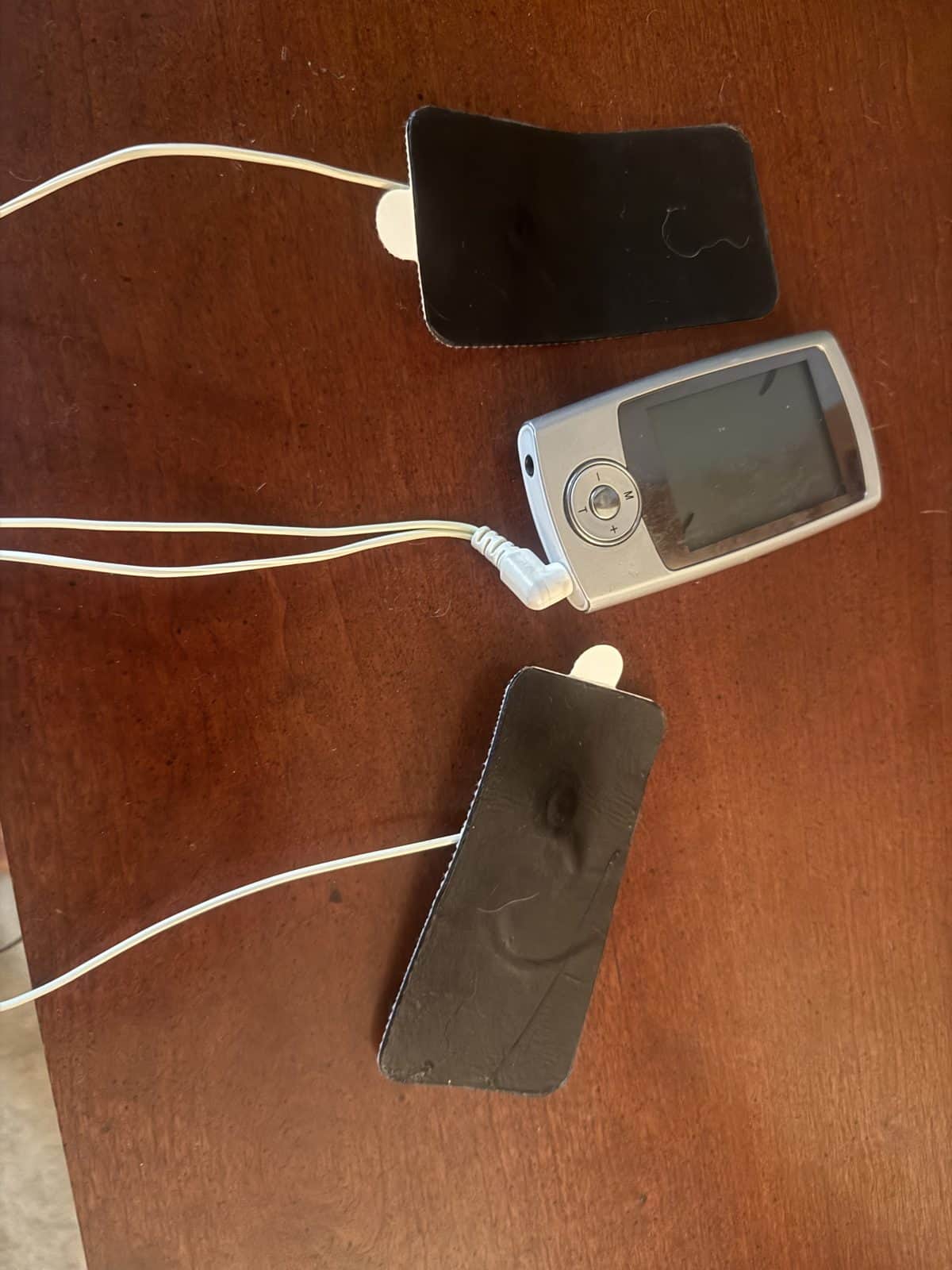
Pain has a way of following you to bed. Sore muscles, an aching back, or a stiff neck from the day all make it harder to get comfortable and fall asleep, and a TENS unit is one drug-free device some people use to take the edge off. It works by sending gentle electrical pulses through pads placed on the skin, controlled by a small remote, to ease the feeling of pain. I keep one on hand for soreness and recovery after exercise, and mine has held up for years without trouble. Below are six TENS units to consider and, just as importantly, how to use one safely, since electrical stimulation carries real cautions. This guide is informational, not medical advice.
Important Safety Information
A TENS unit is not a cure for any condition and is not a substitute for medical care. Do not use one if you have a pacemaker, an implanted defibrillator, or another implanted electronic or metal device. Never place the pads over the front or sides of your neck, over your heart or chest, over your eyes or head, on broken or numb skin, or over the abdomen during pregnancy. People with heart conditions, epilepsy, or undiagnosed pain, and anyone who is pregnant, should talk to a doctor before using one. Start at a low intensity, never use it while driving, bathing, or sleeping, and stop if you feel discomfort. See your doctor for pain that is new, severe, or persistent.
Quick Verdict
For most people, a versatile wireless TENS unit with adjustable intensity, several modes, and good pad adhesion is the best all-around choice for easing everyday muscle and back soreness. A combined TENS and EMS unit adds a recovery angle, a budget model covers the basics, and an app-controlled one offers fine control. Whatever you choose, use it only on approved areas, start gentle, and check with your doctor first if you have any medical condition. Relief from soreness can make it easier to get comfortable and rest, but the unit treats the sensation, not the underlying cause. Evening use raises its own questions, and our guide on using a TENS unit before bed covers timing, settings and the one rule worth following.
Why Trust This Guide
I deal with the ordinary aches of a sore back and neck, and a TENS unit is one of the tools I use for them. When I feel sore, or I am recovering after a workout, I put the pads on and let the remote do its thing, and it helps take the edge off. Mine has lasted years and I have never had an issue with it, which is a big part of why I still reach for it. That is my personal experience using the device for muscle soreness, not medical advice. Whether a TENS unit is right for your pain is a question for your doctor, and the health and safety information here is drawn from medical sources.
Key Takeaways
- A TENS unit eases the sensation of pain; it does not treat the underlying cause.
- Look for adjustable intensity, useful modes, and pads that stick well.
- Never use one with a pacemaker or on the neck, chest, head, or during pregnancy.
- Talk to your doctor before use if you have any medical condition or undiagnosed pain.
How We Picked These TENS Units
We weighed intensity range and control, the variety of modes and waveforms, pad quality and adhesion, battery life and portability, and value. We favored units that make it easy to start gentle and adjust, since comfort and safety matter more than raw power. Because this is a health-adjacent device, the picks describe features and use, not medical outcomes. A TENS unit works on the sensation of pain, and it is not shown to treat the conditions behind that pain.
1. Renpho R3 Wireless TENS Unit, Best Overall
Why It Stands Out
The Renpho R3 is the best all-around pick. This wireless unit is compact, rechargeable, and easy to control from a small remote, with a range of intensity levels and modes for different areas. For everyday back, shoulder, and muscle soreness, its balance of simplicity and versatility makes it an easy default.
Worth Knowing
Wireless pads are convenient but need replacing as their adhesion wears out over time. Keep the intensity low to start and only use it on approved muscle areas, away from the neck and chest.
Choose it for versatile everyday use. Skip it if you want combined muscle stimulation or app control.
2. The TENS Unit I Use
Why It Stands Out
The TENS unit I use is my pick for reliability. It is a straightforward setup, pads that go on the sore area and a remote that controls the pulses, and I reach for it when I feel sore or I am recovering after exercise. What has kept it in rotation is durability: mine has lasted years and I have never had an issue with it, which counts for a lot with a device you use regularly.
Worth Knowing
I stick to the muscles of my back and legs, start on a low setting, and keep it well away from my neck and chest. As with any TENS unit, it eases how sore I feel rather than fixing a cause, so I treat it as a comfort tool and leave anything medical to a professional. Plenty of people own a percussion device as well, and combining the two covers whether stacking them makes sense.
Choose it for durable, no-fuss soreness relief. Skip it if you want app features or a dual EMS mode.
3. iReliev TENS and EMS Unit, Best for Recovery
Why It Stands Out
The iReliev combined TENS and EMS unit is the best pick for recovery-minded users. TENS targets the sensation of pain, while the EMS mode stimulates muscles, which some people use after exercise. Having both in one device adds flexibility for those who want more than pain relief alone.
Worth Knowing
More modes mean a small learning curve, so read the guide and start conservatively. EMS muscle stimulation has its own precautions, so follow the instructions and keep it off the neck, chest, and head.
Choose it for pain relief plus muscle recovery. Skip it if you want the simplest possible unit.
4. HealthmateForever Wired TENS Unit, Best Budget
Why It Stands Out
A HealthmateForever wired unit is the best value pick. It offers multiple preset modes and adjustable intensity at a low price, with wired pads that keep costs down. For a first TENS unit or an occasional-use device, a budget wired model covers the essentials affordably.
Worth Knowing
Wired pads mean managing lead wires, which is less tidy than wireless. Build quality varies at this price, so read reviews, and as always keep it to approved areas and gentle settings.
Choose it to try TENS affordably. Skip it if you prefer wireless convenience.
5. Omron Max Power Relief TENS Unit, Best for Stronger Output
Why It Stands Out
The Omron Max Power Relief is the best pick for people who want higher intensity within safe limits, from a well-known health brand. It offers strong output and body-specific modes, with the reassurance of an established name. For those who find gentler units too mild, it provides more headroom.
Worth Knowing
Higher intensity makes it even more important to start low and increase slowly, and to keep the pads only on approved muscle areas. Stronger output is not always better, so use the least intensity that helps.
Choose it for stronger, brand-name output. Skip it if a basic unit already does the job.
6. PowerDot Smart TENS Unit, Best App Controlled
Why It Stands Out
The PowerDot smart unit is the best pick for app-based control. It pairs with your phone to guide placement and adjust programs, which takes some guesswork out of using it. For tech-minded users who want structure, the app makes sessions more approachable.
Worth Knowing
App-controlled units cost more, and you depend on the app and charging. The guidance is helpful, but it does not replace medical advice, so still check with a professional if you have any condition.
Choose it for guided, app-based sessions. Skip it if you want a simple, standalone remote.
TENS Units at a Glance
| If you want this | Reach for | Why |
|---|---|---|
| Versatile everyday relief | Renpho R3 Wireless | Simple, wireless, adjustable |
| Durable, no-fuss soreness relief | The One I Use | Held up for years, reliable |
| Pain relief plus recovery | iReliev TENS and EMS | Dual function |
| The best value | HealthmateForever | Presets at a low price |
| Stronger output | Omron Max Power | Higher intensity, known brand |
| App-guided sessions | PowerDot Smart | Phone control and guidance |
How to Choose a TENS Unit
Intensity and Control
Look for a wide, finely adjustable intensity range so you can start gentle and increase only as needed. Easy controls, whether a remote or an app, make it simple to fine-tune during a session. Starting low is not just about comfort; it is the safer way to use electrical stimulation, especially when you are new to it.
Modes and Waveforms
Different modes and waveforms suit different areas and sensations, from steady pulses to massage-like patterns. A handful of useful modes adds versatility without overwhelming you. If you also want muscle stimulation for recovery, a combined TENS and EMS unit covers both, which pairs well with tools like massage balls or an acupressure mat after activity.
Pads, Battery, and Portability
Pad adhesion matters, since worn pads deliver less and slip, so check how easy replacements are to find. Rechargeable, wireless units are tidy and portable, while wired ones cost less. Choose based on how and where you will use it, whether that is at your desk for work-from-home back tension or in the evening to unwind.
Safe Placement for Better Rest
Where you place the pads is a safety issue, not just a comfort one. Keep them on the muscles of the back, shoulders, arms, or legs, and never on the front or sides of the neck, the chest, the head, or broken skin. Easing soreness before bed can make it easier to settle, and pairs with good sleep positioning and, for neck aches, the tips in our guide on sleeping with neck pain, but do not use a TENS unit while you sleep.
Common TENS Unit Mistakes to Avoid
Ignoring the Contraindications
The most important rule is who should not use a TENS unit and where it should never go. Do not use one with a pacemaker or implanted device, and never place pads on the neck, chest, head, or over the abdomen in pregnancy. The Cleveland Clinic outlines these safety limits for electrical stimulation1. When in doubt, ask a professional before you start.
Turning It Up Too High
Cranking the intensity does not speed relief and can cause discomfort or skin irritation. Start at the lowest setting and raise it only to a comfortable, gentle tingle. Using the least intensity that helps is both more comfortable and safer, especially over longer sessions.
Expecting It to Fix the Cause
A TENS unit changes how pain feels; it does not repair the source of that pain. For new, severe, or lasting pain, see a doctor rather than relying on a device. The NHS notes that TENS is used for symptom relief and is not a treatment for underlying conditions2, so keep diagnosis and treatment with a professional.
Using It in Bed
It can be tempting to leave a unit running as you drift off, but you should not sleep with a TENS unit on. Use it before bed to ease soreness, then remove it. If nighttime pain is keeping you up, our guide on sleeping better with chronic pain covers safer approaches, and persistent pain deserves medical attention.
More Sleep Guides
Frequently Asked Questions
What does a TENS unit do?
A TENS unit sends gentle electrical pulses through pads on the skin to ease the sensation of pain. Many people use it for muscle, back, or joint soreness. It works on how pain feels rather than treating the underlying cause, so it is a symptom-relief tool. How much it helps varies from person to person and by the type of pain.
Is a TENS unit safe to use?
For many people it is, when used correctly, but there are firm exceptions. Do not use one if you have a pacemaker or implanted device, and never place pads on the neck, chest, head, broken skin, or over the abdomen during pregnancy. People with heart conditions, epilepsy, or undiagnosed pain should ask a doctor first. Start gentle and follow the instructions closely.
Can a TENS unit help me sleep?
Indirectly, for some people. Easing muscle or back soreness in the evening can make it easier to get comfortable and settle down, which may help you fall asleep. That said, you should not sleep with a TENS unit on, and it does not treat the causes of pain or a sleep problem. For ongoing pain that disrupts sleep, talk to your doctor.
Where should I place the pads?
Place pads on the muscles of the back, shoulders, arms, or legs, around the area that feels sore, following the unit’s placement guide. Never put them on the front or sides of the neck, over the heart or chest, on the head, or on broken skin. Correct placement is a safety matter, so when unsure, check the manual or ask a professional.
How long should a TENS session last?
Sessions commonly run around fifteen to thirty minutes, at a comfortable low-to-moderate intensity, and can be repeated as needed. Follow the guidance that comes with your unit, and avoid marathon sessions. If you find you need it constantly for lasting pain, that is a sign to see a doctor about the underlying cause.
What is the difference between TENS and EMS?
TENS targets the sensation of pain through the nerves, while EMS stimulates the muscles themselves, which some people use for recovery or conditioning. Some units offer both. They serve different goals, so choose based on whether you want pain relief, muscle stimulation, or both, and follow the precautions for each.
Is this article medical advice?
No. This guide is general information about TENS units and is not medical advice. A TENS unit is not a cure for any condition. Always consult your doctor about your pain, about whether a TENS unit is appropriate for you, and about safe use, especially if you have any medical condition, an implanted device, or are pregnant.
Sources
- Cleveland Clinic, on TENS therapy and its safety precautions. clevelandclinic.org
- NHS, on TENS for pain relief. nhs.uk
Recommended Reading
Sources
- National Institutes of Health. MedlinePlus health topics. https://medlineplus.gov/
- American Academy of Sleep Medicine. Clinical resources and practice guidelines. https://aasm.org/clinical-resources/practice-standards/practice-guidelines/
