
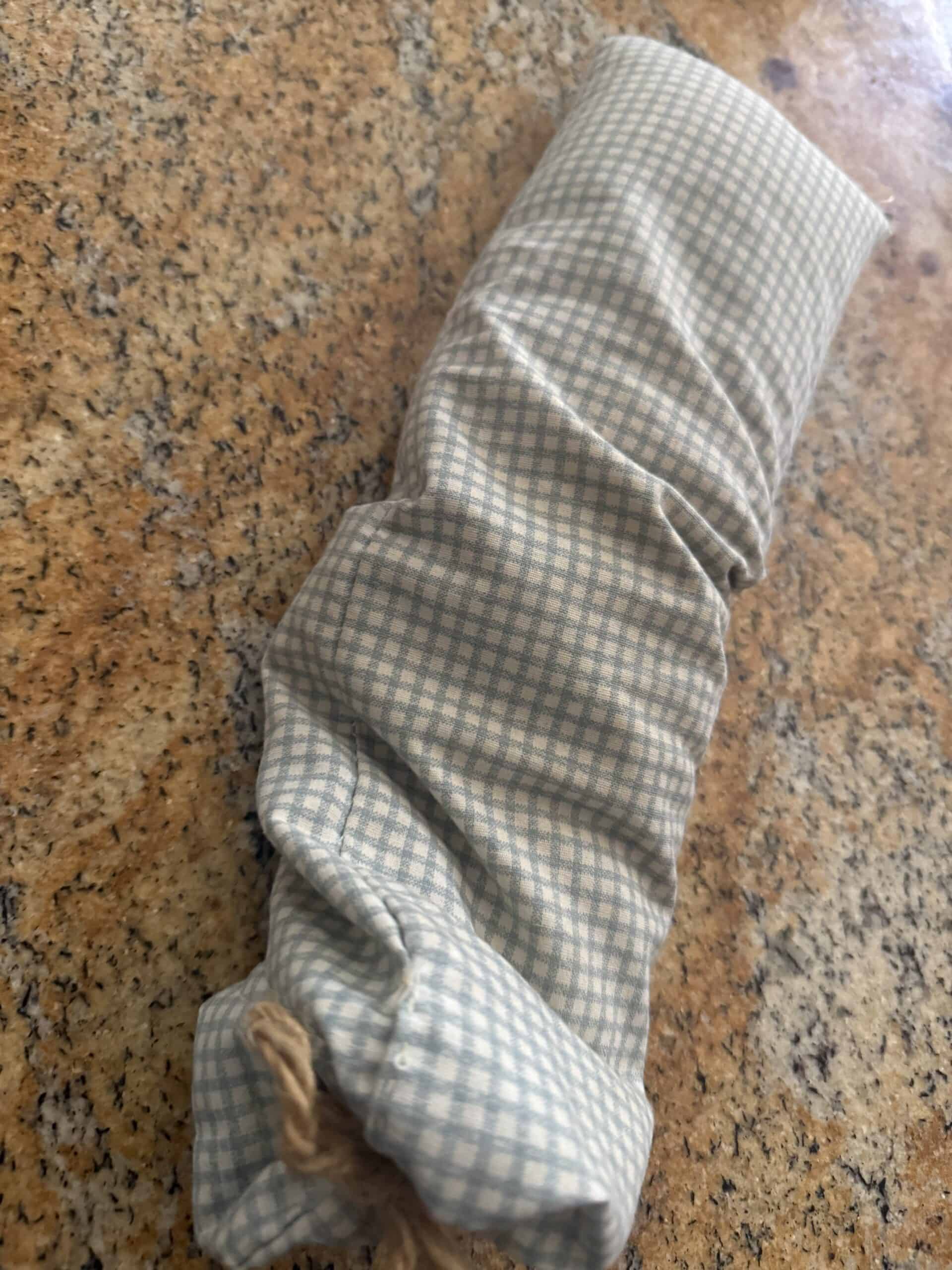
To use a heat wrap for neck tension, warm a microwavable wrap and drape it over your neck and shoulders for gentle, soothing heat that helps tight muscles relax. A microwavable heat wrap is one of the simplest comfort tools for a tense neck: no cords, no setup, just heat it and rest it where the tightness sits. I keep one and use it for exactly this, and here is how it works for me and how you might use one yourself.
Quick Answer
Warm a microwavable heat wrap in the microwave for a short time, then drape it over your neck and shoulders where the tension sits. The warmth soothes tight muscles for the time it holds heat. Keep it comfortable, not too hot, and reheat when it cools.
Key Takeaways
- A microwavable heat wrap warms tight neck and shoulder muscles.
- It heats in the microwave and holds warmth for a while.
- Its long shape drapes over the neck and shoulders naturally.
- Keep the heat comfortable, not too hot for your skin.
- It is a simple, cord-free comfort tool for tension.
What a Microwavable Heat Wrap Is
A microwavable heat wrap is a soft fabric pouch filled with a heat-retaining material, likely beads or a similar filling, that you warm in the microwave. Once heated, the filling holds warmth and the fabric spreads a gentle, even heat over the area you rest it on. The appeal is simplicity: unlike an electric heating pad there are no cords or plugs, so you just microwave it and go. Mine is long and narrow, a shape that drapes over the neck and shoulders easily, which is where neck tension tends to settle. It is about as low-tech and easy as a comfort tool gets. Heating pads for back and neck cover the powered alternative.
My Routine With It
Here is how I actually use mine. When my neck feels tense, I heat the wrap in the microwave for about a minute and ten seconds, which brings it to a warmth I like. After that it stays warm for roughly twenty to thirty minutes, long enough to settle in and let the heat do its thing. I drape it over my neck, and its shape sits over the neck and shoulders well, right where the tightness usually is.
A few honest notes from using it. Straight out of the microwave it can be quite hot, and it could be too hot for some people right away, though I actually like it that way. If you are more sensitive, let it cool a moment or put a layer of fabric between the wrap and your skin. Mine also has a scent I find pleasant, which some of these wraps have. What makes it earn its place for me is how simple it is: no setup, just warmth on a tense neck when I want it. It is not a cure for whatever caused the tension, but as a comfort tool it is genuinely easy to reach for. Using a foam roller covers another tension tool I have written about.
Why Heat Helps Tight Muscles Feel Better
Warmth is a long-standing comfort measure for muscle tension, and there is a simple reason it feels good on a tight neck. Heat applied to tense muscles is soothing, encouraging the area to relax and easing the sensation of tightness. This is why heat wraps, heating pads, and warm compresses are such common tools for neck and shoulder tension. It is worth being clear that warmth is a comfort measure: it soothes the tension rather than fixing an underlying cause, so if your neck tension is persistent, that is worth looking into separately. As a way to feel better in the moment, though, gentle heat on a tight neck is hard to beat for simplicity. Why your neck hurts in the morning covers causes of neck tension.
When to Reach for It
A heat wrap suits the times when your neck and shoulders feel tight and you want something soothing. That might be after a long day at a desk, when tension has built up, or in the evening as you wind down. Because mine holds warmth for a good stretch, it works well for resting with it while you relax, and it is easy to reheat if you want more. It pairs naturally with other wind-down comfort, and its cord-free simplicity means you can use it anywhere, on the couch or in bed, without being tethered to an outlet. For everyday neck tension, it is one of the easier tools to keep on hand. Recovery tools for bedtime tension cover the wider set.
Using a Heat Wrap Safely
A little care keeps heat comfortable. Warmth should feel soothing, not painful, so avoid applying heat that is too hot for your skin, and use a layer of fabric between the wrap and your skin if it comes out of the microwave very hot. Follow the wrap’s own heating guidance rather than overheating it, since every wrap differs. And remember that heat is a comfort measure for tension, not a fix for an underlying problem, so if neck pain is persistent, severe, or comes with other symptoms, it is worth getting it looked at rather than only managing the discomfort. Used sensibly, a heat wrap is a simple, comforting addition to a tense neck’s routine. Sleeping with neck pain covers the sleep side of neck tension.
Heat Wrap or Ice Pack
Heat and cold are different tools, and it is worth knowing which you are reaching for. Heat, like a warm wrap, tends to suit muscle tension, where warmth feels soothing to tight muscles, and that is what I use my wrap for. Cold, from an ice pack, is a different kind of relief that some people prefer for other situations. I keep them separate: the heat wrap for tension, ice packs for when I want cold instead. Which one suits a given moment comes down to what feels good to you, and some people use both at different times. For a tight, tense neck specifically, gentle warmth is what I find works. When to use a cervical pillow covers another neck-comfort choice.
Recommended Reading
Worth reading next: heating pads for back and neck, using a foam roller, recovery tools for bedtime tension, and why your neck hurts in the morning.
How to Use a Heat Wrap for Neck Tension FAQ
How do I use a heat wrap for neck tension?
Warm a microwavable wrap in the microwave for a short time, then drape it over your neck and shoulders where the tension sits. The warmth soothes tight muscles for as long as it holds heat. Keep it comfortable rather than too hot, and reheat when it cools.
How long do I microwave a heat wrap?
It depends on the wrap and your microwave, so follow the wrap’s guidance. I heat mine for about a minute and ten seconds to reach a warmth I like, which is one person’s setting rather than a rule. Start short and add time rather than overheating it.
How long does a heat wrap stay warm?
It varies by wrap. Mine holds warmth for roughly twenty to thirty minutes after heating, which is long enough to rest with it comfortably. That is one owner’s experience; yours may differ. Simply reheat it when it cools if you want more warmth.
Is a heat wrap better than an electric heating pad?
Each has upsides. A microwavable wrap is cord-free and simple, so you can use it anywhere without an outlet, while an electric pad gives sustained heat and adjustable settings. Many people like the wrap for its simplicity and the pad for longer sessions. It comes down to preference.
Can a heat wrap be too hot?
Yes. Straight from the microwave it can be quite hot, potentially too hot for some people right away. Let it cool a moment or place a layer of fabric between the wrap and your skin if needed. Warmth should feel soothing, not painful, so keep it comfortable.
What is the wrap filled with?
These wraps use a heat-retaining filling, often beads, grains, or a similar material, though it varies by product and is not always specified. The filling holds warmth after microwaving and spreads gentle heat. The exact contents matter less than that the wrap heats evenly and holds warmth.
When should I see someone about neck tension?
A heat wrap is a comfort measure, not a fix for an underlying cause. If neck pain is persistent, severe, or comes with other symptoms, it is worth having it looked at rather than only managing the discomfort. For occasional everyday tension, gentle heat is a simple comfort tool.
Related in this cluster: our guide: how to relieve pain better sleep.
