
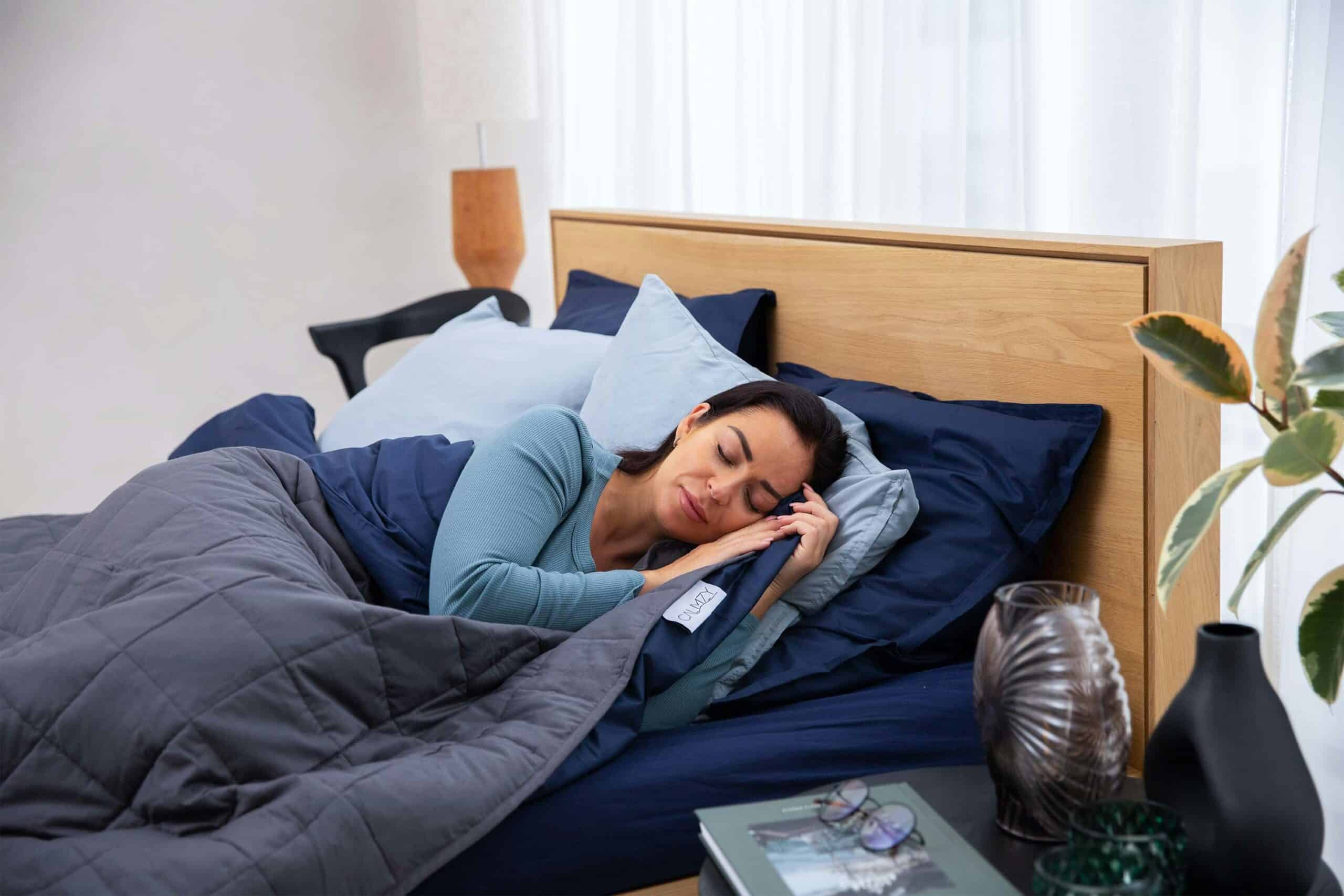
The heated mattress pad vs electric blanket choice comes down to one thing: whether you want warmth rising from below you or draped over you. A heated mattress pad lies under you, where your weight keeps the wires flat and protected, while an electric blanket lies on top and warms you from above. Choose a pad for efficient, low-profile warmth, or a blanket for flexible warmth you can move around the house. For our current top picks, see the best heated mattress pads guide.
Key takeaways:
- A heated mattress pad sits under you and warms the bed from below.
- An electric blanket sits on top and warms you from above.
- A pad’s wires stay flat and protected by your body weight.
- A blanket is portable and can move to a couch or chair.
- Both are safe when modern, certified, and used correctly.
- Look for auto shutoff and certification on either one.
Heated Mattress Pad vs Electric Blanket: The Core Differences
Both warm your bed with built-in heating wires, but their placement differs. A pad goes under the sheet, while a blanket lies on top of you. That single difference shapes warmth, safety, and convenience.
Neither is better for everyone, which is why both remain popular. The decision depends on how you like your warmth and whether you want portability. Knowing each design makes the choice clear.
What Is a Heated Mattress Pad?
A heated mattress pad lies on top of the mattress, under your fitted sheet. Thin heating wires run through it, warming the bed from below. Your body weight presses the pad flat and traps the heat where you want it.
Because it warms from beneath, it heats the bed efficiently and stays out of sight. The wires are protected under you rather than exposed. Our roundup of the best heated mattress pads compares the leading models.
What Is an Electric Blanket?
An electric blanket lies on top of you like an ordinary blanket, with heating wires woven through. It warms you directly from above. Many people like the immediate, cozy feeling of heat over the body.
Its biggest advantage is portability, since you can move it to a couch or chair. It is easy to layer and simple to use. Our guide to the best heated blankets covers comfortable, safe options.
Placement and Warmth
Where the heat comes from changes how the bed feels. This is the heart of the comparison. Here is how each performs.
The Pad’s Warmth From Below
A pad warms the mattress surface so the whole bed feels cozy as you lie down. The heat rises into the bedding and surrounds you. Because your weight holds the wires flat, you rarely feel them.
The Blanket’s Warmth From Above
A blanket warms you directly and quickly from the top. You feel the heat immediately when you pull it over yourself. It can shift or bunch, though, since nothing holds it in place.
Safety and Everyday Use
Both are safe when modern and used correctly, but placement affects the risk profile. A few habits keep either one trouble-free. Factor this into your choice.
A pad’s wires stay flat and protected under your body, which limits bunching and folding. A blanket on top can slip, bunch, or tangle more easily, so it needs a little more attention. Either way, look for an automatic shutoff and recognized safety certification.
Care differs slightly, since both should be washed by the maker’s instructions and never folded while running. A damaged cord on either device is a reason to replace it. Our guide on whether heated mattress pads are safe covers the details.
Heated Mattress Pad vs Electric Blanket at a Glance
Here is a quick side-by-side of the practical differences. Use it to spot which suits you.
| Feature | Heated Mattress Pad | Electric Blanket |
|---|---|---|
| Placement | Under you, on the mattress | On top of you |
| Warmth direction | From below | From above |
| Portability | Stays on the bed | Moves anywhere |
| Wire protection | Held flat by your weight | Can bunch or slip |
| Profile | Hidden under sheet | Visible on top |
Who should take extra care: People with diabetes, neuropathy, or any reduced ability to feel heat should talk with a doctor before using a heated pad or blanket, since they may not notice if it gets too warm. The same caution applies during pregnancy and for infants and young children. Always follow the manufacturer’s instructions and never use a unit with a damaged cord.
Which Should You Choose?
The right pick follows from how and where you want your warmth. Here is a simple way to decide. Many people find the answer obvious once they picture their nightly routine.
Choose a heated mattress pad if you want efficient, hidden warmth that heats the whole bed from below. It stays put and keeps wires protected under you. It is the lower-profile, steadier option.
Choose an electric blanket if you want portable warmth you can move to a couch or layer as you like. It heats you quickly from above. If you tend to run hot once asleep, a cooling mattress pad may suit you better than either.
Other Warm Bedding to Consider
A heated pad and an electric blanket are two ways to warm a bed, but they are not the only ones. If neither fits your needs, another option might. It helps to know the wider field.
For people seeking gentle warmth to ease aches, some electric blankets are designed with sensitive users in mind, as our guide to electric blankets for sensitive users explains. These prioritize even, soothing heat. They suit anyone using warmth for comfort rather than just temperature.
A weighted blanket offers calming pressure rather than heat, and some now combine the two, which our weighted blanket vs heated blanket guide compares. A plain mattress pad adds comfort without any wiring. Match the product to whether you want heat, pressure, or simple comfort.
Common Heated Bedding Mistakes to Avoid
A few habits work against safety and comfort with either device. Each is easy to avoid.
Folding or Bunching While On
Folds and bunches concentrate heat and can damage the wiring in a pad or blanket. Lay either one flat and smooth before turning it on. A blanket needs extra attention since it shifts more easily.
Leaving It On Unattended
Running any heating device all night without an auto shutoff raises risk. Warm the bed first, then turn it down or off, or rely on the timer. Never depend on remembering to switch it off.
Ignoring Reduced Heat Sensation
People with diabetes, neuropathy, or similar conditions may not feel overheating. That is a reason to check with a doctor before use, not to turn the heat higher. Professional guidance comes first for them.
Frequently Asked Questions
Is a heated mattress pad or electric blanket better?
Neither is universally better; they suit different preferences. A pad warms the bed from below and stays hidden and protected, while a blanket warms from above and is portable. Choose based on how and where you want warmth.
Which is safer, a heated pad or an electric blanket?
Both are safe when modern, certified, and used correctly. A pad’s wires stay flat under your weight, while a blanket can bunch or slip and needs more care. Auto shutoff and certification matter more than the format.
Which uses less electricity?
A heated mattress pad is generally efficient because it warms the bed directly rather than the air. Both let you turn the room thermostat down. Warming the bed before sleep and lowering the setting keeps costs modest with either.
Can I use a heated pad and electric blanket together?
You can, but it is rarely necessary and adds heat from two directions. Most people find one is plenty. If you do combine them, follow each maker’s instructions and watch the temperature.
Will I feel the wires in a heated mattress pad?
Usually not, since your weight presses the pad flat and the wires are thin. A mattress pad or protector on top can smooth the feel further. Thicker, quilted models tend to hide the wires best.
Can either one go in the washing machine?
Most can be gently machine washed after disconnecting the controller, but always check your model. Never dry clean or wring either one, since that damages the wiring. Let it dry fully before plugging it back in.
Who should avoid heated bedding?
People with diabetes, neuropathy, or reduced heat sensation should check with a doctor first, since they may not feel overheating. The same applies during pregnancy and for infants and young children. Ask a healthcare provider when unsure.
This article is for general information and is not medical or safety-certification advice. Always follow the manufacturer’s instructions, and consult a qualified professional for concerns related to your health or home.
Related Reading
Explore more: mattress topper vs mattress pad, The Ultimate Step-by-Step Guide on How to Clean a Mattress, bedspreads and blanket sets, nectar vs purple mattress, weighted vs regular blanket, glass vs plastic weighted blanket, firm vs soft mattress, and how to choose a weighted blanket.
Recommended Reading
See also our guides to bedspreads and blanket sets, and why is my mattress sagging.
