
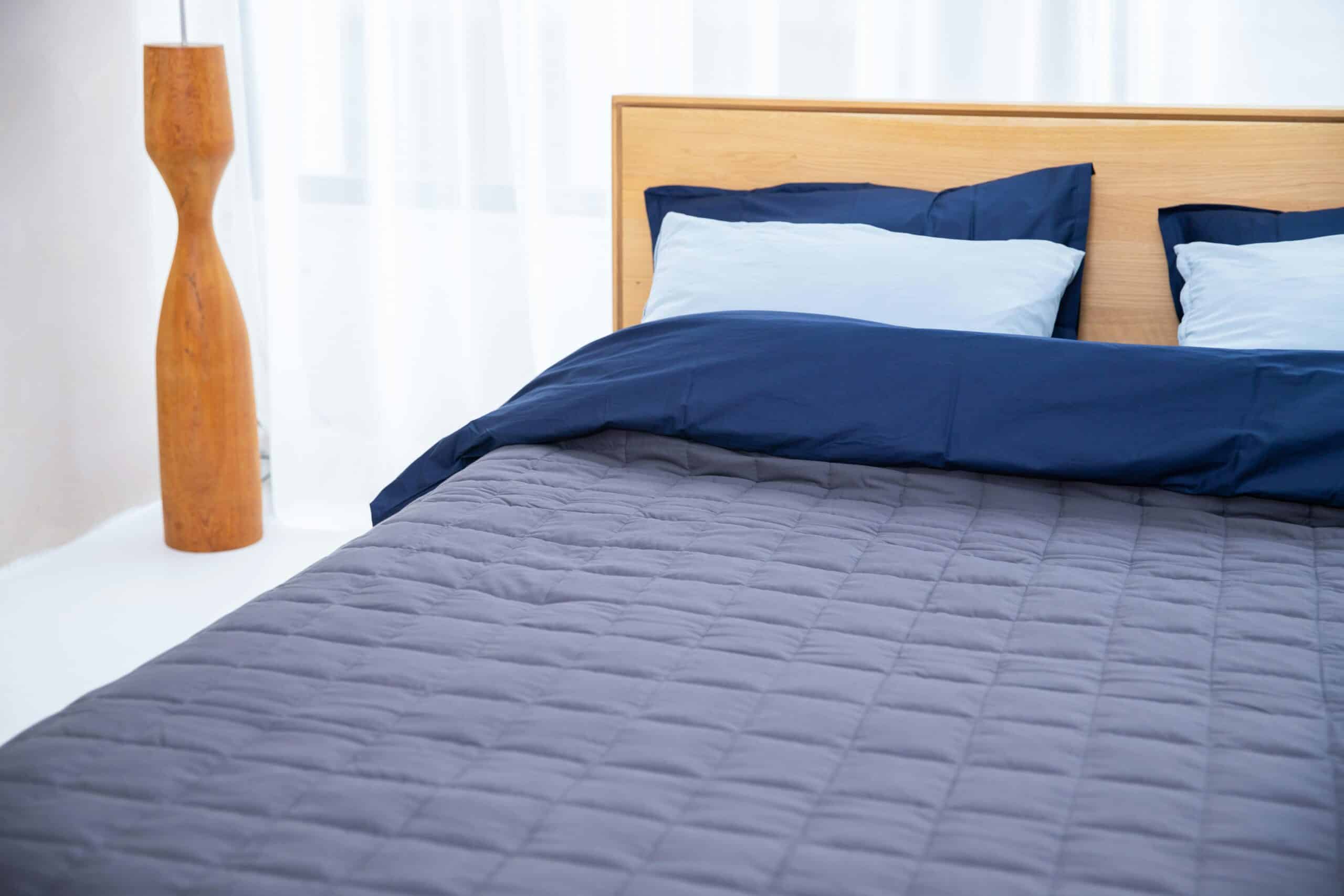
Plenty of people assume anything electric in the bed is an accident waiting to happen. In reality, heated mattress pads are safe for most people when used correctly, with modern models built around certification and automatic shutoff. The real risks, like overheating or fire, come mostly from old, damaged, or misused units, not from the technology itself. For recommendations, see our best heated mattress pads guide.
Key takeaways:
- Heated mattress pads are safe for most people when used as directed.
- Look for safety certification and an automatic shutoff timer.
- Most incidents trace back to old, damaged, or misused units.
- Never fold or bunch the pad, and never use it with a damaged cord.
- Some people, including those with reduced sensation, should ask a doctor first.
- Replace any pad that is worn, frayed, or no longer heats evenly.
Are Heated Mattress Pads Safe?
For the average healthy adult, a quality heated mattress pad used as directed is a low-risk way to warm the bed. Today’s models include safety features that earlier versions lacked. Used sensibly, they rarely cause problems.
That said, safe is conditional, not automatic. The condition is correct use: a sound unit, the maker’s instructions, and a little common sense. Most trouble comes from ignoring one of those.
So the honest answer is yes, with care. Pick a certified model, follow the directions, and retire it when it ages. The rest of this guide covers how to do exactly that.
How Heated Mattress Pads Work
A heated mattress pad lies on top of the mattress, under your fitted sheet. Thin heating wires run through it, warmed by a controller you set to a comfort level. A built-in thermostat regulates the temperature.
Because the pad sits beneath you, it warms the bed from below rather than over the top. That position makes it efficient, since your body traps the heat. It also keeps the wires flat and protected when used correctly.
The controller is the brain of the system. Better units adjust heat steadily and shut off after a set time. Understanding this helps you see where safety features come in.
The Real Safety Risks
It helps to be clear-eyed about what can actually go wrong. The risks are real but manageable, and most are avoidable. Knowing them lets you sidestep them.
Overheating is the main concern, which is why a working thermostat and auto shutoff matter so much. Damaged wiring from folding, bunching, or age can create hot spots. A frayed cord or cracked controller is an electrical hazard that warrants retiring the unit.
Fire risk, while uncommon with a sound modern pad, rises sharply with old or misused ones. Piling bedding on top that traps heat, or using a pad with a pet that chews cords, adds risk. Treating the pad with the same care as any appliance keeps these rare.
Safety Features to Look For
The right features turn a heated pad from a worry into a non-issue. Prioritize these when you shop. They are what separate a safe unit from a questionable one.
Automatic Shutoff
An auto shutoff turns the pad off after a set period, so it never runs unattended all night. This single feature addresses the overheating concern directly. Treat it as non-negotiable.
Safety Certification
Look for testing marks from a recognized safety lab on the pad and controller. Certification means the unit met established electrical safety standards. Our roundup of the best heated mattress pads highlights certified models.
Low-Voltage and Dual Zones
Some pads use low-voltage wiring for an added margin of safety. Dual-zone controls let couples set each side separately, which our couples bedding guide touches on. Even heating across the pad also reduces hot spots.
How to Use a Heated Mattress Pad Safely
Most safety comes down to a few simple habits. None of them is difficult. Together they cover the vast majority of risk.
Lay the pad flat and smooth, then secure it so it cannot bunch up during the night. Never fold a heated pad while it is on, since folds concentrate heat. Keep heavy bedding from piling on top in a way that traps warmth.
Use the timer or warm the bed before you get in, then lower or turn it off for sleep. Inspect the cord and controller now and then for damage. Unplug it when not in use, and follow the manufacturer’s instructions over any general advice.
Who should take extra care: People with diabetes, neuropathy, or any reduced ability to feel heat should talk with a doctor before using a heated mattress pad, since they may not notice if it gets too warm. The same caution applies during pregnancy and for young children, infants, and anyone unable to operate the controls. When in doubt, check with a healthcare provider first.
Heated Mattress Pad vs Electric Blanket Safety
People often weigh a pad against an electric blanket, and safety is part of that choice. Both are safe when modern and used correctly, but they differ in placement. That difference shapes the risk profile.
A mattress pad sits under you, where the wires stay flat and protected by your weight. An electric blanket lies on top, where it can bunch, slip off, or get tangled more easily. Our heated mattress pad vs electric blanket guide compares them in full.
Neither is dangerous by nature, and both rely on the same core safety features. The best choice depends on your sleep habits and preferences. Whichever you pick, certification and auto shutoff still come first, as our heated blankets guide notes.
Cleaning and Caring for Your Pad
Proper care keeps a heated pad both safe and long-lasting. The wiring inside means it cannot be treated like ordinary bedding. Always follow the maker’s cleaning instructions.
Most pads can be gently machine washed on a delicate cycle after the controller is disconnected, but check your model first. Never dry clean a heated pad or wring it hard, since that can damage the internal wires. Let it dry fully before plugging it back in.
Store the pad loosely rolled rather than tightly folded in the off-season. Sharp folds stress the wiring over time. A little care between winters extends its safe life.
Signs It Is Time to Replace Your Pad
Age is the single biggest factor in heated-pad safety. A worn unit is far riskier than a new one. Watch for the signs that yours has reached the end.
Frayed or cracked cords, a damaged controller, or scorch marks anywhere mean you should stop using the pad immediately. Uneven heating or cold spots suggest the internal wiring is failing. A burning smell is a clear signal to unplug and replace it.
Even without obvious damage, heated pads do not last forever. Follow the manufacturer’s guidance on lifespan and replace older units. The cost of a new pad is small next to the risk of a failing one.
Heat, Sleep, and Comfort
Safety aside, there is a comfort question worth considering. Sleeping too warm can disrupt rest, since the body cools slightly to fall asleep. The goal is a warm bed, not an overheated one.
Many people warm the bed before getting in, then turn the pad down or off for the night. That gives you the cozy start without sleeping hot. A cooler sleeping temperature tends to support better rest.
If you run hot once asleep, a heated pad may not suit you at all. A cooling mattress pad or a standard mattress pad may fit better. Match the product to how your body handles heat overnight.
Setting Up a Heated Mattress Pad
A correct setup is part of using one safely. The process is quick and only needs doing once. Take a few minutes to get it right.
Position It Under the Sheet
Place the pad directly on the mattress, with the controller side near your nightstand outlet. Smooth it flat so there are no wrinkles or folds. Then put your fitted sheet over the top to hold it in place.
Secure the Corners
Use the pad’s straps or elastic corners so it cannot shift during the night. A pad that slides can bunch and create hot spots. A snug fit keeps the wiring flat and even.
Route the Cord Safely
Run the power cord to the outlet without pinching it under the mattress or bed frame. Avoid stretching it tight or trapping it where it can fray. Keep the controller within easy reach so you can adjust or shut it off.
Energy Use and Running Costs
Heated mattress pads are among the more efficient ways to stay warm at night. Because the pad warms the bed directly, it uses far less energy than heating a whole room. That efficiency is part of their appeal in winter.
Warming the bed before sleep and then lowering the setting keeps running costs modest. Using the timer rather than leaving it on all night saves energy too. The exact cost depends on your model and local rates.
For people trying to cut winter heating bills, a heated pad can let you turn the bedroom thermostat down. You warm the bed instead of the air. That trade is both economical and comfortable.
Heated Pads for Specific Situations
Some people reach for a heated pad for reasons beyond simple comfort. The same warmth that cozies a cold bed can serve other needs. Match the use to your situation.
In a cold bedroom or a poorly heated room, a pad makes the bed usable without overheating the whole space. People who simply feel the cold at night often find it the easiest fix. The gentle, even warmth suits long winter nights.
Some people use gentle warmth to ease stiff, achy muscles before sleep, and our guide to electric blankets for sensitive users covers that use. If warmth is for a health concern, check with your doctor on what is appropriate. Comfort and care can go together when you use the pad sensibly.
Common Heated Mattress Pad Mistakes
A few habits account for most safety problems. Each is simple to avoid.
Folding or bunching the pad while it runs is the top hazard, since folds trap and concentrate heat. Always lay it flat and smooth. Smooth out any wrinkles before turning it on.
Leaving an old or damaged pad in service invites trouble. A frayed cord or cracked controller is a reason to replace, not repair. Retire any unit showing wear.
Piling heavy blankets on top can trap heat the thermostat did not plan for. Keep the bedding above it light and breathable. Let the pad warm you from below as intended.
Running it unattended all night without an auto shutoff defeats the main safety feature. Use the timer or turn it off before sleep. Never rely on remembering to switch it off.
Ignoring a doctor’s input when you have reduced heat sensation is the most serious mistake. People with neuropathy or similar conditions may not feel overheating. Professional guidance comes first for them.
Frequently Asked Questions
Are heated mattress pads safe to use?
Yes, for most people when used correctly with a certified, undamaged unit. Choose a model with auto shutoff, follow the maker’s instructions, and replace worn pads. Most incidents trace back to old or misused units rather than the technology.
Can you leave a heated mattress pad on all night?
It is safer to warm the bed first and then turn the pad down or off, or rely on an auto shutoff timer. Running any heating device unattended raises risk. Many people also sleep better in a cooler bed.
What safety features should a heated mattress pad have?
Look for automatic shutoff, recognized safety certification on the pad and controller, and even heating. Low-voltage wiring and dual-zone controls add margin. These features address the main overheating and electrical concerns.
Are heated mattress pads or electric blankets safer?
Both are safe when modern and used correctly, but a pad sits under you where the wires stay flat and protected. A blanket on top can bunch or slip more easily. Certification and auto shutoff matter more than the format.
Who should not use a heated mattress pad?
People with diabetes, neuropathy, or reduced heat sensation should check with a doctor first, since they may not feel overheating. The same applies during pregnancy and for infants and young children. Ask a healthcare provider when unsure.
How long do heated mattress pads last?
It varies by model, so follow the manufacturer’s guidance and watch for wear. Frayed cords, uneven heating, or scorch marks mean it is time to replace. A new pad costs little next to the risk of a failing one.
Can a heated mattress pad cause a fire?
Fire risk is uncommon with a sound, modern, certified pad used correctly. It rises with old, damaged, folded, or misused units. Proper care and timely replacement keep that risk very low.
Where can I learn more about heated bedding safety?
The U.S. Consumer Product Safety Commission and National Sleep Foundation publish guidance on electrical product safety and healthy sleep temperature.
This article is for general information and is not medical or safety-certification advice. Always follow the manufacturer’s instructions, and consult a qualified professional for concerns related to your health or home.
Related Reading
Explore more: weighted blanket vs heated blanket.
Recommended Reading
See also our guides to mattress encasements for bed bugs.
