
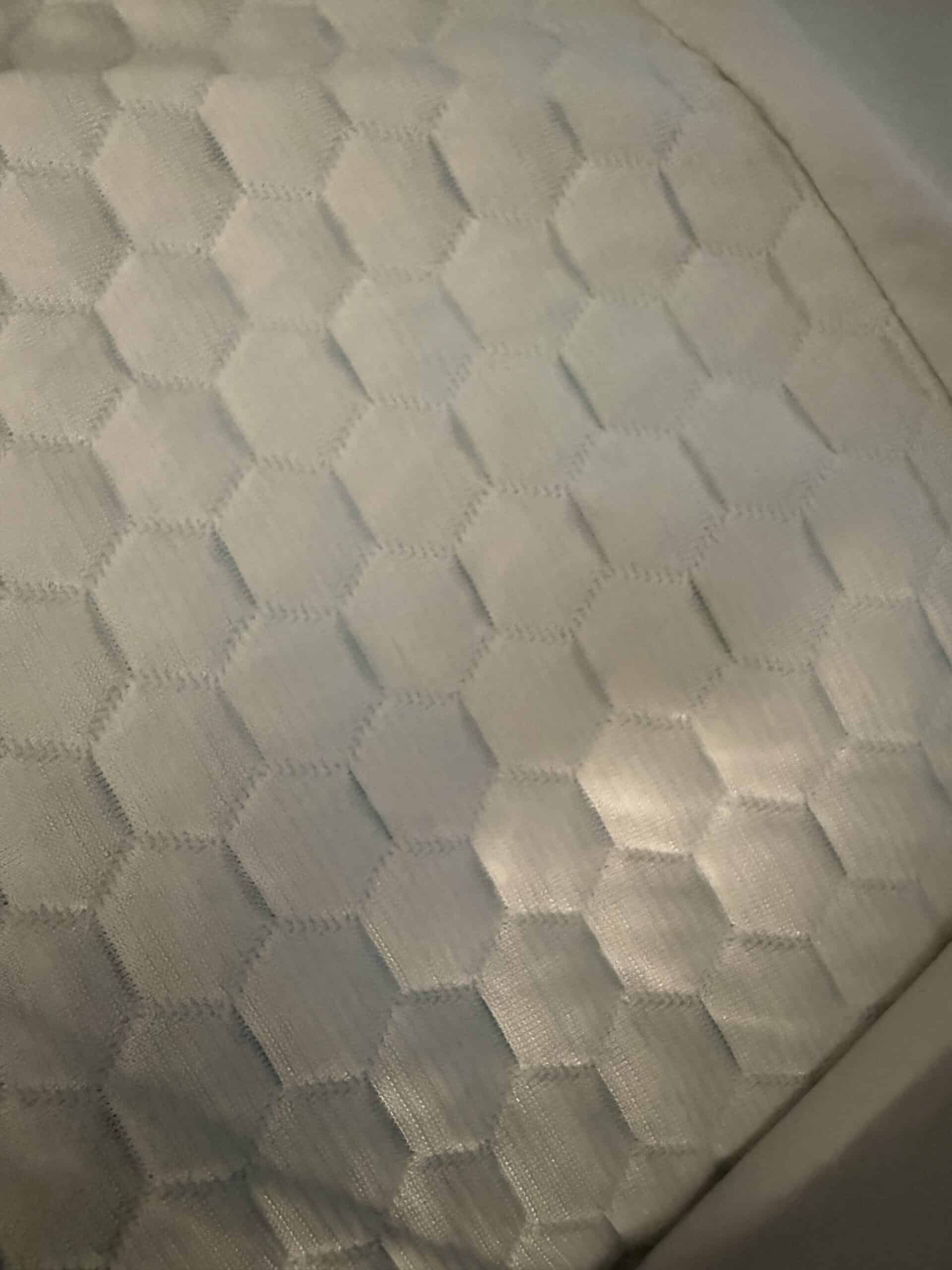
A cooling topper works in winter, and for many people it works more noticeably than it does in summer. That sounds backwards until you consider what the topper is actually competing against. For more on this, see our guide to toppers that suit year-round use.
Quick Answer
Cooling toppers move heat away from your body. In summer they are fighting a warm room and a warm mattress underneath, so the effect gets swamped. In cooler months there is less heat arriving from everywhere else, so the same topper reads as more effective.
Key Points
- Toppers move heat rather than generating cold
- Less competing heat makes the effect more noticeable
- Gel and phase-change materials work by absorbing and releasing heat
- Some people find them too cold in cooler months
- Bedding above the topper matters as much as the topper
- Mild winters and harsh winters produce very different experiences
Why It Feels Stronger When It Is Cooler
| Season | What the topper competes with | Perceived effect |
|---|---|---|
| Summer | Warm room, warm mattress, body heat | Moderate, easily swamped |
| Spring and autumn | Body heat mostly | Noticeable |
| Mild winter | Body heat only | Strongest |
| Cold winter | Body heat, cold room | Can be too much |
A cooling topper does not make cold. It draws heat away from you and moves it into the material or the air.
When the room is hot and the mattress underneath has been warming all day, the topper is handling heat from several directions at once. Its capacity is finite, so the effect you feel is smaller.
Remove most of that competing heat and the same topper is only dealing with you, which is when people notice it working.
What I Notice Through the Year
I am in Arizona, so my winter is mild rather than what someone in the Midwest would recognize as one.
I feel the impact of my cooling topper more in the non-summer months, and I think that is because there is less competing heat for it to deal with.
It does feel colder in winter. That is not a complaint from me, since I like the cold, and I have never wanted to take it off when the weather cools down.
In summer, with a portable air conditioner running overnight and the room still holding heat, the topper is one part of a system rather than the thing I notice. In February it is the thing I notice.
What I cannot tell you is how this would go somewhere with a real winter. My cold season is a lot of other people’s autumn, and someone in a genuinely cold bedroom might reach the opposite conclusion.
When It Becomes Too Much
Plenty of people who like a cooling topper in summer find it uncomfortable once the room drops.
The clearest sign is taking longer to fall asleep because the surface feels cold when you first get in, rather than cooling gradually as you warm it.
Cold feet are the other common complaint, since feet lose heat readily and there is nothing between them and the topper. That is also the easiest thing to solve without touching the rest of the setup.
People in genuinely cold climates often rotate the topper out for the season rather than working around it, which is a reasonable answer if it is not working for you.
Adjusting Rather Than Removing
Change what goes above it
A heavier duvet or an extra blanket compensates for a cool surface without touching the topper itself. This is the easiest adjustment and the one people try last.
Add a mattress protector
A protector between you and the topper adds a small barrier that takes the edge off, though a breathable one is worth choosing over a plastic membrane.
Handle the feet separately
Socks or a hot water bottle at the foot of the bed solves the most common complaint without changing anything else, covered in foot warmers for bed.
Move the topper down the bed
Shifting it a few inches so it starts below your shoulders leaves your upper back on the mattress. That suits people who want cooling at the torso and not at the neck.
Warm the bed before getting in
A heated blanket run for a few minutes and switched off gives you a warm surface that the topper then manages, which suits people who dislike the initial cold.
Why Summer Underwhelms People
Most complaints about cooling toppers come from summer, and the reasons are worth separating from the product.
A mattress that has been absorbing heat all day is still warm at bedtime. The topper sits on top of that and has to handle heat rising from underneath as well as your body.
Room temperature sets the ceiling. A topper in a room at eighty degrees is moving heat into air that is already warm, which limits how much it can take away.
Humidity compounds it. Where sweat cannot evaporate, your own cooling system is disabled, and no surface material compensates for that.
People also buy toppers expecting them to feel cold continuously. What they actually do is delay warming, and once the material reaches your temperature the effect flattens until you move to a fresh spot.
Which is why the same topper that disappoints in July reads as impressive in November. The product did not change, and the conditions it works in did.
Different Materials Behave Differently
Gel-infused foam absorbs heat and holds it, then releases it slowly. In a cool room it can end up feeling neutral rather than cold, since it has less to absorb.
Phase-change materials change state at a set temperature, which makes them more consistent across seasons than gel.
Breathable open-cell foam and latex work through airflow rather than absorption, so in a cool room they behave closer to an ordinary topper.
Which means the answer varies by what you own. A gel topper and an airflow topper in the same cold bedroom will not feel remotely alike, and material comparisons sit in cooling mattress pads.
Should You Swap It Out Seasonally?
In a mild climate, usually not. The topper keeps working and the adjustments above handle any edge.
In a genuinely cold one, swapping to a warmer topper or removing it entirely for a few months is common enough to be normal rather than an admission of a bad purchase.
Storage matters if you do. Foam compressed in a bag for months does not always recover its shape, and rolling loosely beats folding.
The middle option is keeping it and changing the bedding, which costs nothing and is reversible in a night, covered in cooling bedding layers.
Related Reading
- getting used to a cooling topper
- cooling mattress pads
- blanket against topper
- cooling bedding layers
- cold feet and sleep
- winter bedding
- pillow and topper together
Part of our guide to cooling a bedroom for better sleep.
Frequently Asked Questions
Does a cooling topper still work in winter?
Yes, and often more noticeably. With less competing heat from the room and the mattress, the topper is only handling your body heat, which makes the effect easier to feel.
Why does my cooling topper feel colder in winter?
Because there is less heat for it to absorb from elsewhere. The topper has not changed, and what it is competing against has.
Should I remove my cooling topper in winter?
In a mild climate, usually not. In a genuinely cold bedroom, swapping it out for the season is common and reasonable if it makes falling asleep harder.
How do I make it less cold without removing it?
Add a heavier duvet, use a breathable mattress protector between you and it, or handle cold feet separately with socks or a hot water bottle.
Do all cooling toppers behave the same in winter?
No. Gel absorbs and releases heat, phase-change materials work at a set temperature, and breathable foam relies on airflow. The airflow types change least between seasons.
Does room temperature matter more than the topper?
It sets the limit. A topper moves heat into the surrounding air, so in a warm room there is less capacity for it to work with regardless of the material.
Can a cooling topper make you too cold?
Some people find it does, particularly at the feet and in the first minutes after getting in. That is more common in cold bedrooms than mild ones.
How should I store one if I swap it out?
Rolled loosely rather than folded or compressed. Foam left compressed for months does not always recover its original shape.
Recommended Reading
See our note on choosing a mattress.
