
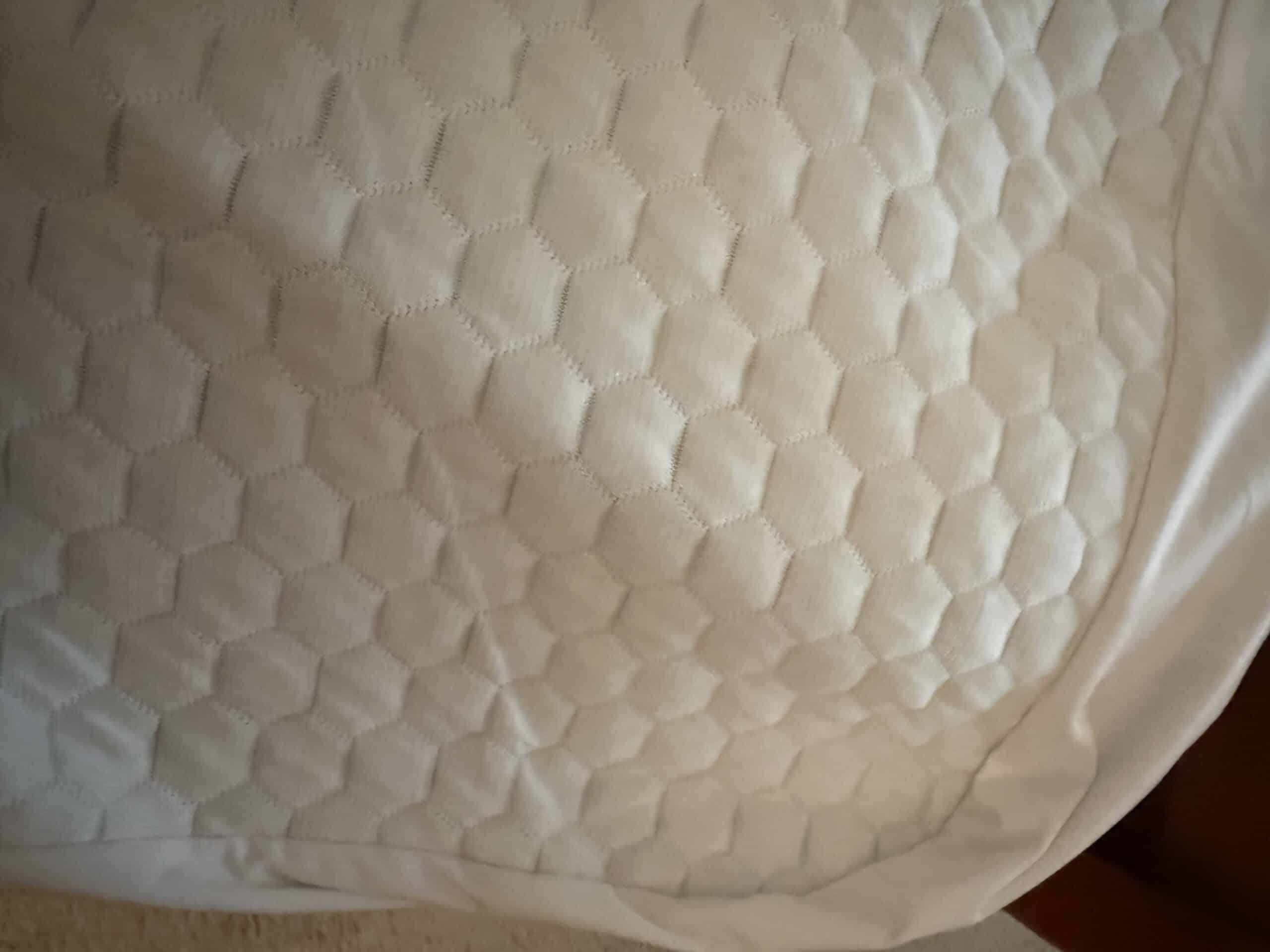
A few nights for the feel, and considerably longer to judge whether it works. Those are two different questions and people conflate them, which is why so many toppers get returned inside a week.
The feel adjusts quickly because it is a surface change. The cooling effect is harder to assess because it depends on the season you bought it in, and a topper bought in midsummer is being asked to do its hardest work while you are still deciding.
Quick Answer
Give it two weeks before judging. The surface feel settles within a few nights, and the cooling effect is easiest to notice outside peak heat, when there is less working against it. Foam also needs time to off-gas and to soften from its packaged state.
Key Points
- Surface feel adjusts within a few nights
- Cooling performance needs two weeks to judge fairly
- New foam is firmer than it will be after it relaxes
- Off-gassing smell fades within days
- The effect is more noticeable outside peak heat
- Return windows are usually long enough, and worth checking
What Changes Over Time
| Period | What is happening |
|---|---|
| First night | Unfamiliar surface, foam still firm from packaging |
| Nights two to four | Feel becomes normal, foam relaxes |
| First week | Off-gassing smell fades |
| Two weeks | Fair point to judge comfort and cooling |
| One to three months | Foam settles to its long-term firmness |
| A year onward | Compression at contact points becomes visible |
Why the First Nights Feel Different
Foam ships compressed and takes time to expand fully. A topper unrolled the same evening is firmer than the same topper a week later, and manufacturers usually recommend letting it expand for a day before use.
Temperature affects it too. Memory foam softens as it warms, so a topper unpacked in a cold room stays firm longer than one in a warm house.
The surface change is also just unfamiliar. Any change to a bed feels wrong for a few nights regardless of whether it is an improvement, which is the same effect people notice with a new mattress.
What Mine Was Like
A little bit different at first. Not a difficult adjustment and enough that I noticed it for the first few nights.
The more useful thing I have noticed is seasonal. During non-summer months you can feel the impact of the cooling mattress topper much more.
That surprised me, and it makes sense in hindsight. In peak Arizona summer the topper is working against a heat load that overwhelms what any single layer can do, and in milder months there is less working against it so the effect is obvious.
Which means judging a topper in the hottest week of the year gives you the least favorable picture of it. That is exactly when most people buy one.
My experience covers a thin gel foam topper over a year of use in a dry hot climate. It does not cover thick foam toppers, latex, or humid climates where moisture handling changes the picture.
Off-Gassing
New foam releases a chemical smell for the first few days, which is normal and usually gone within a week.
Unwrapping the topper and letting it air in a ventilated room before putting it on the bed shortens that considerably. A day is usually enough.
Looking for a CertiPUR-US certification is the practical response for anyone concerned about foam emissions, since it sets limits on certain compounds.
Judging the Cooling Effect Fairly
Cooling toppers move heat away from the surface rather than actively refrigerating anything. That means the effect is relative to what the room and the mattress underneath are doing.
In peak heat the topper is one layer against a warm room, a warm mattress, and warm bedding, and its contribution is harder to isolate. In milder conditions the same topper stands out.
Which is why judging in shoulder season tells you more about what you bought. It also means a topper that seems disappointing in August may be doing more than it appears.
Other layers affect it too. A thick mattress protector over a cooling topper insulates it and removes much of the benefit, and whether toppers deliver at all sits in whether cooling toppers actually work.
Signs It Is Not the Right Topper
Persistent discomfort after two weeks
Adjustment should be finished by then. Continuing discomfort suggests thickness or firmness rather than unfamiliarity.
Sleeping hotter than before
Some foam retains heat despite cooling marketing. If the bed is warmer than it was, the topper is working against you.
New pain
A topper that softens a mattress too far removes support, which can produce back or hip pain that was not there before.
It will not stay put
A topper migrating under the sheet every night is a fit problem rather than an adjustment one, and deep-pocket sheets usually solve it.
Toppers Against Other Cooling Layers
A topper addresses heat from the mattress across your whole torso, which is the largest contact area. A cooling pillow addresses head heat, which people notice first.
A cooling blanket sits directly against you and costs least, which is why it is often the better first purchase. Order matters, covered in what to change first if you sleep hot.
Layering several does not produce diminishing returns the way people expect, and whether to run two together sits in whether you need both.
Thickness Changes the Adjustment
How long a topper takes to feel normal depends heavily on how much it changes the bed.
A thin topper of an inch or two alters the surface without changing how far you sink. That adjusts within a night or two because the underlying support is unchanged.
Three or four inches changes the mattress feel substantially, and that takes longer to accept. Your body has adapted to a particular support profile over years, and a real change to it registers for a week or more.
Thicker toppers also affect sheet fit, which produces its own friction during the adjustment. A fitted sheet straining at the corners or popping off overnight is a separate irritation easily mistaken for disliking the topper.
Making the Trial Period Count
Check the return window before buying, since many run thirty days or longer and that is enough for a fair assessment.
Change one thing at a time. Adding a topper and new sheets in the same week makes it impossible to tell which is responsible for any change.
Note how you sleep for a week before it arrives, since comparing against memory is unreliable and comparing against notes is not.
Give it the full two weeks even if the first nights are unconvincing. The most common mistake is returning something during the adjustment period rather than after it.
Related Reading
- what a topper delivers
- buying in the right order
- layering cooling products
- topper against replacement
- options for hot sleepers
- keeping one usable
Related: cooling topper work in winter.
Frequently Asked Questions
How long does it take to adjust to a mattress topper?
The surface feel settles within a few nights. Judging comfort and cooling fairly takes about two weeks, since new foam is firmer than it will be and any bed change feels unfamiliar at first.
Why does my new topper feel firm?
Foam ships compressed and expands over hours to days, and memory foam softens as it warms. A topper used the evening it arrives is firmer than the same one a week later.
How long does the smell last?
Usually a few days to a week. Airing it in a ventilated room before putting it on the bed shortens that, and CertiPUR-US certification sets limits on certain emissions.
Why can I feel the cooling more in cooler months?
A topper moves heat away rather than refrigerating, so its effect is relative to everything else. In peak heat it competes with a warm room and mattress, and in milder conditions it stands out.
When should I return it?
After two weeks rather than during the first few nights. Persistent discomfort, sleeping hotter than before, or new pain after that point are the signals, and returning during adjustment is the common mistake.
Does a mattress protector affect it?
A thick or waterproof protector over a cooling topper insulates it and removes much of the benefit. A thin breathable one interferes far less.
How long before a topper wears out?
Foam settles over the first few months and compresses at contact points over years. Visible body impressions that do not recover mean it has reached the end of its useful life.
A topper only helps as much as the room allows. cooling the room itself covers the environment.
Recommended Reading
See our note on choosing a mattress.
