
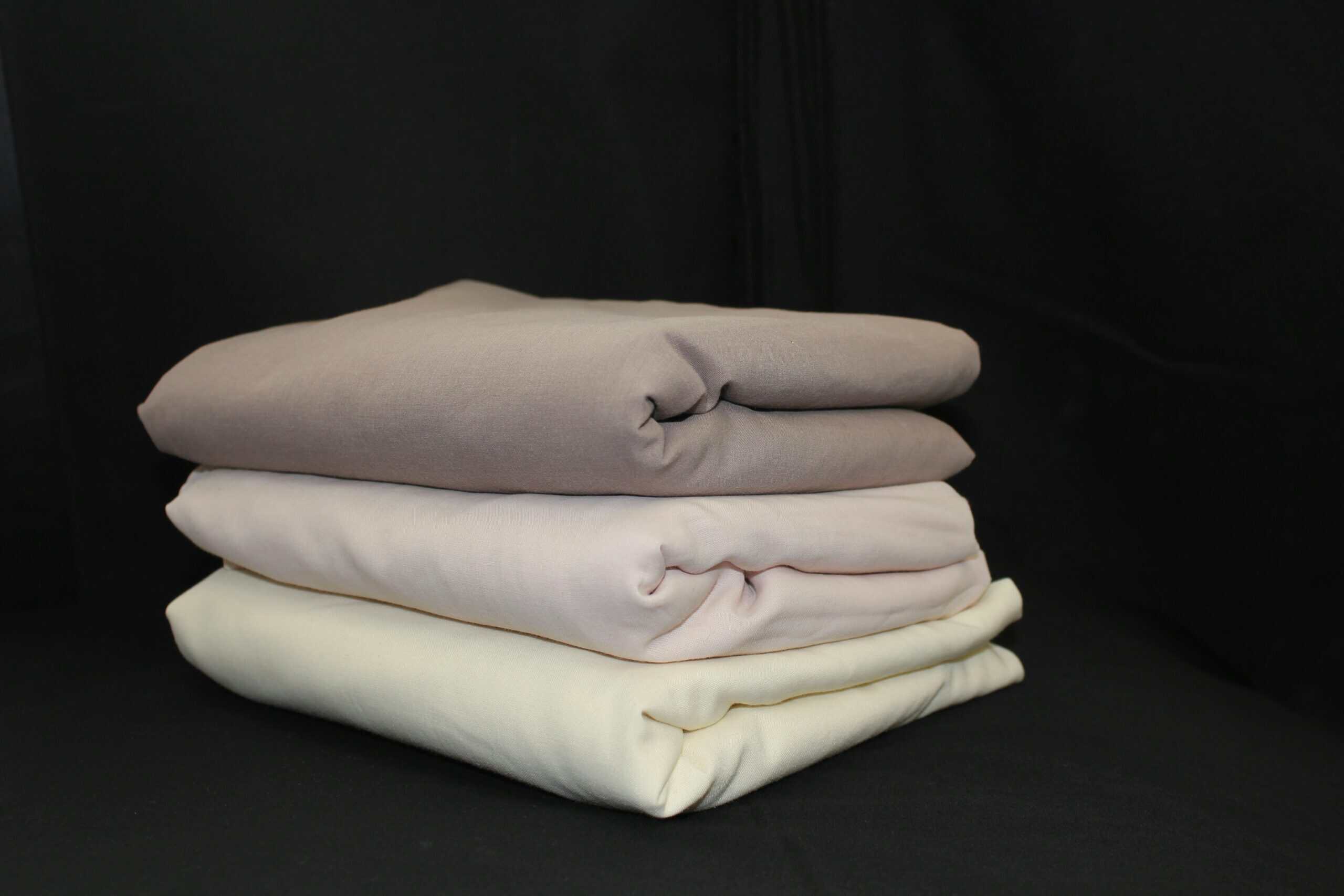
Bamboo appears on nearly every cooling blanket listing, and most of the time it means bamboo viscose, a fiber made by dissolving bamboo pulp and spinning it into a smooth, breathable yarn. The best bamboo cooling blankets use that fiber to move moisture and air away from your skin rather than trapping it, which is why they feel cool to the touch and stay comfortable longer than a dense synthetic. Whether bamboo is worth paying for over microfiber depends on what you want from the blanket. The picks below cover the formats, and the underlying science is in our guide on what makes a blanket cooling.
Quick Verdict
For most hot sleepers, a woven bamboo viscose blanket is the best choice: smooth, breathable, and genuinely cool against the skin without the clammy feel dense synthetics develop. Bamboo-cotton blends suit year-round use better, lightweight bamboo suits the worst of summer, and bamboo weighted blankets solve the usual problem of weighted blankets sleeping hot. If budget is the binding constraint, cooling microfiber does the same job for less, which is a legitimate choice rather than a downgrade.
Key Takeaways
- Bamboo on a label almost always means bamboo viscose.
- The fiber is breathable and moves moisture well.
- Weave matters as much as the fiber itself.
- Blends trade some cooling for durability and year-round use.
- Cooling microfiber is the cheaper alternative that works.
How We Picked
We judged this category on the things that actually determine whether a blanket sleeps cool: fiber content and how much of it is genuinely bamboo viscose rather than a token percentage, weave and density, since a tightly packed bamboo blanket can sleep warmer than a loose cotton one, drape and weight, breathability, and how the fabric handles washing, which is where cheap viscose blends go wrong fastest. We also weighed honesty about the format, because bamboo is a real material advantage that gets oversold, and plenty of people sleep perfectly well without paying for it. See also our guide to how to wash one.
Woven Bamboo Viscose Blanket (Best Overall)
The core of the category: a blanket woven predominantly from bamboo viscose, smooth to the touch and noticeably cool when you first get under it.
Why It Stands Out
This is where the fiber does its clearest work. The yarn is smooth and breathable, so heat and moisture move away instead of pooling, and the fabric keeps that cool-to-the-touch quality through the night better than most synthetics manage. For a hot sleeper who wants the material’s actual benefit rather than its marketing, this is the format to buy.
Worth Knowing
Viscose is less durable than cotton and wants gentler washing. Best for dedicated hot sleepers who will follow the care label.
Check Price on AmazonBamboo-Cotton Blend Blanket (Best Year-Round)
A blend that keeps much of bamboo’s breathability while cotton adds structure, durability, and a bit more warmth.
Why It Stands Out
Pure cooling fabrics can feel too thin in winter, and a blend gives you a blanket that works across seasons rather than only in July. Cotton also survives washing better, which matters on a blanket you use nightly. It is the sensible compromise for anyone who wants one blanket rather than a summer one and a winter one.
Worth Knowing
Less aggressively cool than pure bamboo viscose. Best for people who want a single all-season blanket.
Check Price on AmazonLightweight Bamboo Summer Blanket (Best for Heat)
The thinnest tier: minimal weight and an open weave, built for nights where any real coverage is too much.
Why It Stands Out
In a genuinely hot bedroom, the winning move is less blanket rather than a cleverer one, and a lightweight bamboo layer gives you the psychological comfort of being covered without the thermal load. It pairs naturally with the rest of a hot-weather setup, covered in our guide on sleeping in hot weather without air conditioning.
Worth Knowing
Too thin to be your only blanket outside summer. Best for the hottest months or the hottest sleepers.
Check Price on AmazonBamboo Cooling Weighted Blanket (Best Weighted)
A weighted blanket with a bamboo viscose cover, aimed at the people who want the pressure without the heat that usually comes with it.
Why It Stands Out
Weighted blankets sleep hot almost by definition, since weight means density and density means trapped heat, and a bamboo cover is the most common fix. If the reason you gave up on a weighted blanket was temperature rather than the weight itself, this is the version worth trying, and our roundup of cooling weighted blankets covers the wider category.
Worth Knowing
Still warmer than an unweighted bamboo blanket, since physics has a vote. Best for weighted blanket users who run hot.
Check Price on AmazonOversized Bamboo Blanket (Best for Sharing)
King and oversized sizing in bamboo viscose, cut generously enough that two people can each have their own edge.
Why It Stands Out
Most blanket arguments are really coverage arguments, and generous sizing solves more of them than any feature. Bamboo makes sense here because a shared blanket traps two people’s heat, so the breathability matters more, not less. Our roundup of cooling blankets for couples covers the sharing problem in full.
Worth Knowing
More fabric means more weight and a harder wash. Best for couples who share one blanket and run warm.
Check Price on AmazonDual-Sided Bamboo Blanket (Best Two-Season)
Blankets with bamboo viscose on one face and a warmer knit or fleece on the other, flipped depending on the season.
Why It Stands Out
One blanket covering both ends of the year is a genuinely practical idea for anyone short on linen closet space. Flip to bamboo in summer, flip to the warm side in winter, and skip owning two blankets. It is the storage-conscious answer for people whose bedroom swings between seasons.
Worth Knowing
The warm backing limits how cool the bamboo side can get, since the blanket still has to breathe through it. Best for small spaces and moderate climates.
Check Price on AmazonBamboo Blanket Types at a Glance
| Type | Best for | Trade-off |
|---|---|---|
| Woven bamboo viscose | Dedicated hot sleepers | Needs gentle washing |
| Bamboo-cotton blend | All-season use | Less aggressively cool |
| Lightweight summer | Hottest nights | Too thin off-season |
| Cooling weighted | Hot weighted users | Still warmer than unweighted |
| Oversized | Couples sharing | Heavy, harder to wash |
| Dual-sided | Two seasons, one blanket | Limited cooling ceiling |
Bamboo vs the Alternative
Worth being straight about this, since it decides whether you spend the money. I use a cooling microfiber blanket rather than bamboo, and I love it: it stays cool, it has been my year-round blanket, and it is what I reach for through the summer when a cooling layer stops being a nicety and becomes necessary. So the honest framing of the bamboo picks here is that they are research-based rather than lived, and my experience argues that microfiber does the job perfectly well. Where bamboo genuinely wins is feel and breathability at the top end, a smoother hand and better moisture movement that a hot sleeper can notice. Where microfiber wins is price and durability. Our roundup of cooling blankets under fifty dollars covers that side, and whether cooling blankets actually work covers the underlying question for both.
How to Choose a Bamboo Blanket
Read the fiber content, not the headline
Plenty of blankets advertise bamboo and deliver a small percentage of it blended into polyester. Look at the actual composition on the label, since a token amount of viscose does not change how a blanket sleeps. The word on the front of the package is marketing; the tag is the specification.
Weigh weave against fiber
A dense bamboo blanket can sleep warmer than a loose cotton one, because how tightly the fabric is packed decides how much air moves through it. Bamboo is a good starting point rather than a guarantee, which is why our guide on what makes a blanket cooling spends as much time on construction as material.
Plan for the wash
Viscose is the fussier fiber, wanting cool water and gentle cycles, and it degrades faster when ignored. If you know you will wash on hot and tumble dry without thinking, a cotton blend or microfiber will survive your habits better and you will be happier.
Think about the whole bed
A blanket is one layer among several, and the sheets underneath and comforter on top matter as much. Our roundups of cooling sheets and cooling comforters cover the neighbors, and our guide on layering bedding for every season covers how they work together.
The Verdict
Buy the woven bamboo viscose blanket if you sleep hot and want the fiber’s real benefit, since that is the format where the material actually shows up rather than appearing on the packaging. Take the bamboo-cotton blend if you want one blanket for the whole year and would rather not think about the care label. Go lightweight for genuinely hot bedrooms, weighted-with-bamboo if heat is what ruined weighted blankets for you, oversized if you share. And if the price gives you pause, know that a cooling microfiber blanket is what I actually use and it has never left me wanting bamboo, as our guide on why cooling blankets stop feeling cool gets into from the maintenance side.
Where Bamboo Gets Oversold
Two claims deserve a skeptical eye before you buy. The first is sustainability, which gets attached to bamboo constantly: the plant grows fast and needs little water, which is genuinely good, but turning it into viscose is a chemical-intensive process, so the finished blanket is not automatically the green choice the packaging implies. The second is the cooling claim itself, which is real but bounded. Bamboo helps heat and moisture move away from you; it does not refrigerate anything, and it cannot beat a hot room. If your bedroom is genuinely warm, the fiber will feel like a modest improvement rather than a solution, and the money would do more work on the environment, covered in our guide on keeping your bedroom cool in summer. Buy bamboo for the feel and the breathability, both of which are real, rather than for a promise the fabric cannot keep.
Best Bamboo Cooling Blankets FAQ
Are bamboo blankets actually cooling?
Genuinely, yes, for the right construction. Bamboo viscose is breathable and moves moisture well, which is why it feels cool to the touch and stays comfortable longer than dense synthetics. Weave matters too, so a tightly packed bamboo blanket can still sleep warm despite the fiber.
Is bamboo better than microfiber for a cooling blanket?
Bamboo generally feels smoother and breathes better at the top end, while microfiber costs less and handles washing more forgivingly. I use cooling microfiber and find it does the job well, so bamboo is an upgrade in feel rather than a requirement for sleeping cool.
What is bamboo viscose?
It is the fiber made by dissolving bamboo pulp and spinning it into yarn, and it is what nearly every bamboo blanket is actually made of. The process is chemical rather than mechanical, which is why the resulting fabric feels smooth and silky rather than like raw plant fiber.
How do you wash a bamboo cooling blanket?
Cool water, gentle cycle, and low or no heat drying, since viscose degrades faster than cotton under heat and agitation. Follow the specific care label, because blends behave differently. Washing bamboo like a bath towel is the fastest way to ruin one.
Do bamboo blankets stop feeling cool over time?
They can, usually because of body oils and residue building up in the fabric and blocking airflow rather than the fiber wearing out. Regular washing restores much of it, which our guide on why cooling blankets stop feeling cool covers in detail.
Are bamboo blankets good for winter?
Pure bamboo viscose alone is often too thin for cold nights, which is what blends and dual-sided designs address. Many people keep a cooling blanket year-round and add a comforter over it in winter, which works well and is what I do myself.
Is a bamboo weighted blanket worth it?
If heat is what put you off weighted blankets, yes, since the bamboo cover directly targets that complaint. It will still sleep warmer than an unweighted blanket because density traps heat, but it makes weighted sleeping viable for people who run hot.
Recommended Reading
- cooling blankets, the full category.
- cooling versus lightweight blankets, the format question.
- bamboo sheets, the matching layer.
- cooling quilts, the thinner option.
Part of our full guide: the foundation principles of a sleep-cool bedroom.
