
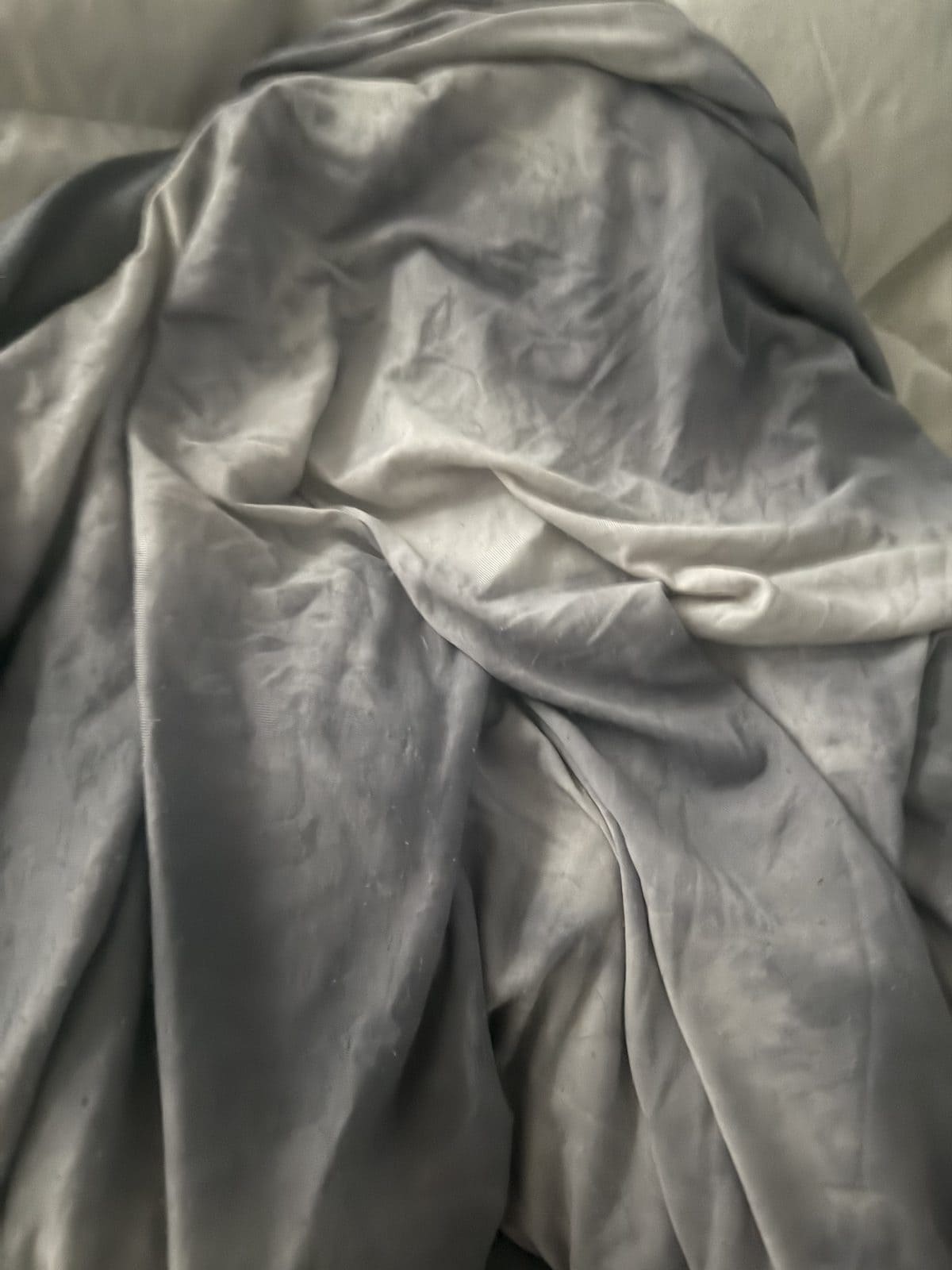
Yes, cooling blankets genuinely work, but within limits: they pull heat and moisture away from your skin and feel cool to the touch, which helps a hot sleeper fall asleep faster, yet they cannot replace a cool room or beat trapped body heat all night on their own. Whether cooling blankets actually work comes down to understanding what the fabric can and cannot do. If you want to jump to specific products, see our cooling blanket picks, or read on for the honest verdict.
Quick Verdict
Cooling blankets work by conducting heat away from your body and feeling cool to the touch, which genuinely helps hot sleepers settle and stay comfortable early in the night. Their limit is that the cool feel fades as the fabric warms, and they cannot fix a hot room or a heat-trapping mattress by themselves. See also our guide to washing a cooling blanket.
Why Trust This Guide
I was skeptical that a blanket could cool anything. As an Arizona hot sleeper on a memory foam mattress, I tried a gray dual-sided cooling blanket anyway, and I now use it every night because it genuinely helps. That firsthand result, alongside the science below, shapes this honest take.
Key Takeaways
- Cooling blankets do work, mainly by conducting heat away from your skin.
- They feel cool to the touch and help you fall asleep faster.
- The cool feel fades as the fabric absorbs your body heat.
- They help most for hot sleepers and heat-trapping memory foam beds.
- They support, but do not replace, a cool room and good airflow.
What Cooling Blankets Do and Do Not Do
| Cooling blankets DO | Cooling blankets DO NOT |
|---|---|
| Feel cool to the touch on contact | Refrigerate or actively chill you |
| Conduct heat and moisture away from skin | Stay cold all night without warming |
| Help you fall asleep faster when hot | Cool a hot room on their own |
| Reduce the stuffy feel of heavy bedding | Fix a mattress that traps heat below you |
How Do Cooling Blankets Work?
Cooling blankets work by moving heat away from your body faster than an ordinary blanket. They use conductive, breathable fabrics, such as bamboo, Tencel, or engineered cool-to-touch weaves, that draw warmth and moisture off your skin instead of trapping them. This matters because of how sleep begins. The Sleep Foundation explains that core body temperature drops about one to two degrees to trigger sleep, with heat radiating from the core out toward the surface. A cooling blanket assists that natural heat loss rather than fighting it, which is why it can feel like relief when you first climb in.
Do Cooling Blankets Keep You Cool All Night?
Not completely, and this is the honest limit. A cool-to-touch blanket feels coolest when you first get under it, then gradually warms as it absorbs your body heat and approaches your skin temperature. That does not mean it stopped working; it means the fabric reached its capacity for that spot. A dual-sided blanket helps here, since flipping to a fresh cool side or the regular side restores comfort as the night changes. Expect meaningful help settling down and reduced stuffiness, rather than an all-night chill.
Who Benefits Most From a Cooling Blanket?
Hot sleepers benefit most, especially those on heat-trapping mattresses. The Sleep Foundation notes that materials like memory foam tend to hold heat, which leaves those sleepers feeling warm from below. A cooling blanket will not fix the mattress, but it makes the top layer far more comfortable, which is exactly my experience on a memory foam bed in a hot climate. People in warm bedrooms, anyone who finds normal blankets stuffy, and those who run hot for any reason tend to feel the biggest difference.
What a Cooling Blanket Cannot Do
A cooling blanket cannot cool a hot room, and that is the most common misunderstanding. If your bedroom itself is warm, the blanket has too much heat to overcome and the cool feel disappears quickly. It also cannot counteract a mattress radiating heat into you from underneath, which is a job for a cooling topper or pad. Think of the blanket as one layer in a cooling strategy that also includes a cooler room, airflow, and the right surface beneath you, not a standalone air conditioner.
Recommended Reading
- the best cooling blankets, our full picks.
- what makes a blanket cooling, the fabric science.
- why cooling blankets stop feeling cool, the warm-up problem solved.
- cooling blanket vs cooling topper, which cools better.
- cooling pillows for hot sleepers, to complete the setup.
Related: do cooling blankets work in a hot room.
Related: use a cooling blanket in winter.
How to Get the Most From a Cooling Blanket
A cooling blanket performs best as part of a cool sleep setup, not on its own. The single biggest lever is room temperature, since the fabric has far less heat to fight in a cooler bedroom, so aim for the mid-60s Fahrenheit and add a fan for airflow so absorbed heat can escape. Breathable sheets and lighter sleepwear cut the heat load before it ever reaches the blanket. If your mattress runs hot, address it directly with a cooling topper or pad, because no blanket over you can fix heat radiating up from underneath. A dual-sided blanket adds one more tool: flipping to the fresh cool side, or the regular side, resets the feel as the night changes. In my own Arizona bedroom, the cooling blanket does its best work exactly when the room is cool and the air is moving, and it struggles most on the hottest, stillest nights. Stack these habits and a good cooling blanket goes from a nice touch to a genuine, nightly comfort upgrade.
Common Misconceptions
A cooling blanket keeps you cold like an ice pack
It does not chill you. It conducts your own body heat away so you cool naturally, which feels cool to the touch, not cold.
If it warms up, it is defective
Warming is normal physics, not a defect. Any cool-to-touch fabric eventually reaches your skin temperature after absorbing enough heat.
One cooling blanket solves overheating
It helps, but a hot room or heat-trapping mattress needs other fixes too. The blanket works best as part of a fuller cooling setup.
Do Cooling Blankets Actually Work FAQ
Do cooling blankets work for hot sleepers?
Yes. Hot sleepers are exactly who cooling blankets help most, because the fabric conducts body heat away and feels cool to the touch. The effect is strongest early in the night and eases the stuffy feel of heavier bedding.
Do cooling blankets work in summer?
They help in summer, but their cool-to-touch feel fades faster in a warm room. Pairing a cooling blanket with a cooler bedroom, a fan, and breathable sheets makes it far more effective during hot months.
Why does my cooling blanket stop feeling cool?
Because the fabric absorbs your body heat until it matches your skin temperature, so the cool sensation fades. Flipping to a fresh area or the regular side of a dual-sided blanket, or cooling the room, brings the effect back.
Do cooling blankets work with memory foam mattresses?
They help the top layer, but memory foam traps heat underneath you, which a blanket cannot fix. For the best result on memory foam, add a cooling topper or pad to handle the heat from below.
Are cooling blankets worth it?
For genuine hot sleepers, yes. The cool-to-touch relief and easier drift-off are worth it, especially in warm climates. Sleepers who are already comfortable under thin bedding may not notice as much benefit.
Can a cooling blanket replace air conditioning?
No. A cooling blanket only affects the layer over you and cannot lower room temperature. It supports a cool sleep setup but cannot substitute for cooling the air in a hot bedroom.
Do cooling blankets work for night sweats?
A cooling blanket can make night sweats more comfortable by wicking moisture and feeling cool, but it does not treat the cause. Persistent night sweats can signal a medical issue, so if they are frequent or severe, it is worth speaking with a doctor rather than relying on bedding alone.
Are cooling weighted blankets as cooling as regular cooling blankets?
Cooling weighted blankets add pressure for a calming effect, but their extra mass makes them warmer than a light cooling blanket. Good ones use breathable cooling fabric to offset this, though a hot sleeper chasing maximum coolness will usually feel more relief from a lighter cooling blanket.
