
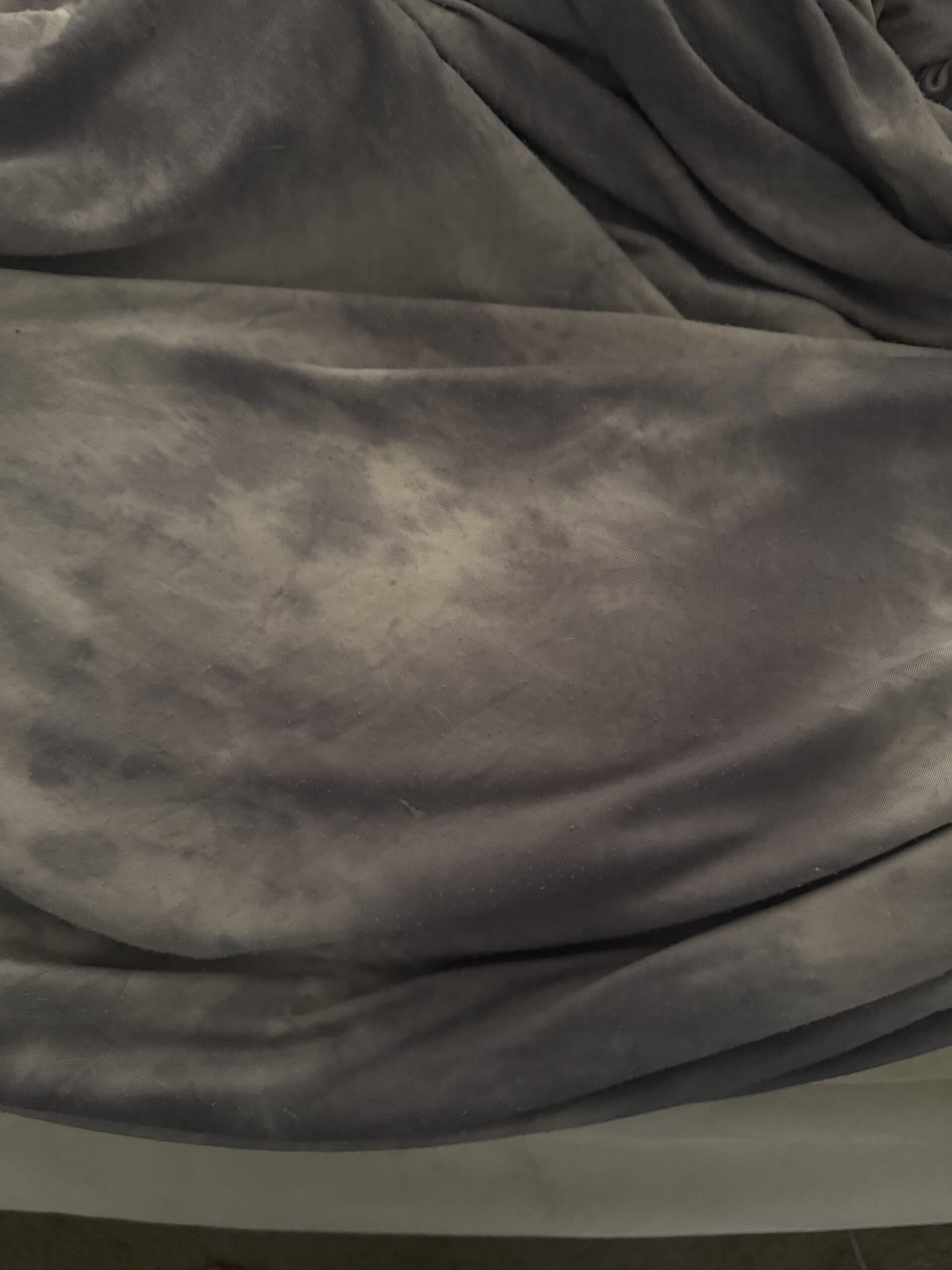
You can, and most people should not want to. A cooling blanket keeps moving heat away from your skin regardless of season, which is exactly what you do not want in a cold bedroom.
Quick Answer
The blanket does not switch off in winter. If your bedroom is cool, it will keep pulling heat away and you will feel it. Layering something warmer over the top is the usual fix, and swapping it out for a few months is the simpler one.
Key Points
- Cooling fabrics work year-round, not seasonally
- A cold room makes the effect stronger, not weaker
- Layering warmth over the top works for some people
- Heated bedding and cooling fabric work against each other
- Storage matters if you swap it out
- A minority genuinely prefer it cold year-round
Why It Feels Stronger When It Is Cold
| Room condition | What you notice |
|---|---|
| Hot summer room | Very little effect |
| Air conditioned room | Works as intended |
| Mild spring or autumn | Noticeable, usually pleasant |
| Cool winter room | Strong, often too much |
| Cold room, no heating | Uncomfortable for most people |
Cooling fabrics conduct heat from your skin into the surrounding air. The bigger the gap between your body and the air, the more heat moves.
A cold bedroom is the largest gap you will encounter, which is why the same blanket that felt underwhelming in July can feel genuinely cold in January.
The blanket has not changed. The conditions it is working in have, and they have changed in the direction that makes it more effective, which is the opposite of what most people expect from a seasonal product.
What I Do, and What I Would Suggest
I use mine through the winter, and I would not recommend that to most people.
I like sleeping really cool. That is a personal preference rather than advice, and winter here in Arizona is mild compared with most places, so what I am dealing with is a cool room rather than a cold one.
Someone in a genuinely cold bedroom, who does not actively want the cold, would probably find it uncomfortable. That is the more common experience and it is the sensible default expectation.
Mine cools on one side only, which does give an option. Turning it over gives you the ordinary side, which is a partial answer for anyone whose blanket is built that way.
If you are unsure, keep it on the bed for a week in cooler weather and see. It costs nothing to find out and the answer is personal enough that nobody else can give it to you.
Making It Work in Cooler Months
Layer something warm over the top
A duvet or heavy blanket above the cooling layer traps warmth while the cooling fabric stays against your skin. This suits people who like a cool surface and a warm weight.
Flip it if it is single-sided
Many cooling blankets only treat one face. The reverse side behaves like ordinary fabric, which handles the season without changing anything.
Use it as the top layer instead
Putting the cooling blanket over your duvet rather than under it removes skin contact almost entirely while keeping the weight.
Move it lower down the bed
Shifting the blanket so it starts below your shoulders leaves your upper body on warmer bedding while your legs keep the cool surface.
Handle your feet separately
Feet lose heat fast and are the first thing to feel it. Socks or a hot water bottle solve that without changing the rest, covered in foot warmers for bed.
Do Not Combine It With Heated Bedding
An electric blanket or heated mattress pad under a cooling blanket is the one combination worth avoiding.
The two work directly against each other. The heated layer adds warmth and the cooling layer moves it away, so you get worse results than either alone while paying to run one of them.
There is also a safety consideration worth taking seriously. Heated bedding manufacturers generally advise against layering heavy or insulating materials over the heating element, since trapped heat is what causes problems.
If you want heat in winter, take the cooling blanket off rather than working around it, and options sit in heated blankets.
The Weighted Cooling Blanket Case
Cooling weighted blankets change the calculation, because weight and cooling do different jobs and only one of them is seasonal.
The weight is what people buy them for. Deep pressure is reported to help with settling and anxiety, and that benefit does not vary with the month.
The cooling exists because weighted blankets are dense and trap heat, so it is a correction rather than the point. Removing it in winter means going back to a blanket that runs hot in a cold room, which is not obviously worse.
Most people who own one keep using it year-round for that reason, and the cooling simply feels less relevant once the room cools down.
Fill matters here too. Glass beads conduct heat away more readily than plastic pellets, which makes a glass-bead blanket feel cooler in winter for the same weight, covered in glass against plastic weighted blankets.
Swapping It Out for the Season
For most people in genuinely cold climates this is the simpler answer, and it is not an admission that the purchase was wrong.
Wash it before storing, since body oils left in fabric for months are harder to remove later and can leave a lasting odor that no amount of washing shifts afterward.
Store it dry and loosely rather than compressed. A breathable cotton bag suits it better than a sealed plastic one, which traps any residual moisture.
Keep it out of direct sun during storage, since prolonged light degrades synthetic fibers and some cooling treatments.
Label the bag if you store several things together. A cooling blanket and an ordinary one feel similar folded, and pulling out the wrong one in October is a small annoyance that repeats every year.
Who Should Keep Using It
People who genuinely run hot at night, which does not stop in winter for everyone. A warm sleeper in a heated house may be more comfortable with cooling year-round.
Anyone in a mild climate where winter means a cool room rather than a cold one, which covers a lot of the southern United States.
People who want a cool surface with warm weight over it, which the layering approach handles well and which is a common preference among side sleepers.
And anyone experiencing night sweats, where the season matters less than the sweating does, covered in how to reduce night sweats.
Related Reading
- cooling blankets compared
- do cooling blankets work
- winter bedding
- heated blankets
- cold feet and sleep
- cooling bedding layers
- night sweats
Part of our guide to cooling a bedroom for better sleep.
Frequently Asked Questions
Can you use a cooling blanket in winter?
Yes, and most people find it uncomfortable in a genuinely cold bedroom. The cooling effect gets stronger as the room gets colder rather than switching off.
Does a cooling blanket stop working when it is cold?
The opposite. It conducts heat from your skin into the air, and a colder room means a bigger temperature gap and more heat moving away from you.
Can I put a duvet over a cooling blanket?
Yes, and it works well. The cooling fabric stays against your skin while the layer above traps warmth, which suits people who want a cool surface and weight.
Can I use a cooling blanket with an electric blanket?
Better not to. They work against each other, and heated bedding manufacturers generally advise against layering insulating material over the heating element.
Should I store it for the winter?
In a cold climate, usually yes. Wash it first, store it dry and loose in a breathable bag, and keep it out of direct sunlight.
Do both sides of a cooling blanket cool?
Often only one. If yours is single-sided, turning it over gives you an ordinary fabric face, which handles cooler months without buying anything.
Does it help with night sweats in winter?
It can, since night sweats are not seasonal. If sweating is the problem rather than room temperature, the blanket is still doing useful work in January.
Who should keep using one in winter?
People who run hot year-round, anyone in a mild climate, those who want a cool surface under warm weight, and people dealing with night sweats.
