
A quilt is the most flexible cover on a bed: light enough not to smother you, warm enough to be cozy, and easy to layer up or strip back as the seasons change. The best quilts and coverlets give you that lightweight, breathable warmth thanks to their thin, stitched construction, which is why they suit warm climates and hot sleepers so well. I use a quilt at home most of the year, so this guide pairs that hands-on experience with product research and the sleep sources cited below. If you want to understand how a quilt fits into a full bed, our guide to layering bedding for every season pairs nicely with this. The six picks below span quilt sets, cotton quilts, and coverlets, including the quilt I actually sleep under.
Quick Verdict
The Bedsure quilt set is the easy all-around pick, lightweight and coordinated for year-round use. For breathable warm-climate sleep, a cotton quilt like the Mellanni is excellent, and a matelasse coverlet suits pure light coverage. Whatever you choose, a quilt shines as a breathable, layerable cover rather than a heavy winter blanket.
Why Trust This Guide
Independent picks, reader-supported through affiliate links at no cost to you. I am a side sleeper who uses a quilt, so I can speak to how one feels to sleep under and how it fits a hot climate. First-person notes describe the quilt I actually use, in my own words with no brand claimed, and the material and care guidance follows the Sleep Foundation sources cited below.
Key Takeaways
- Quilts have three stitched layers and are lighter, thinner, and more breathable than comforters or duvets.
- That makes them ideal for hot sleepers, warm climates, and layering over or under other bedding.
- A coverlet is a single woven layer with no batting, meant for light coverage and decoration.
- For year-round use, choose a balanced weight; even a light quilt can feel too warm on the hottest nights.
How We Picked the Best Quilts and Coverlets
We focused on the qualities that make a quilt comfortable and versatile: breathability, weight, material, construction, and care. Breathability and weight led, since the Sleep Foundation notes that quilts are lighter, thinner, and more breathable than comforters, which makes them well suited to warmer climates and to layering. We favored quilts with cotton or cotton-blend batting for warm-weather comfort, looked for durable stitching that keeps the batting from shifting, and considered easy home washing. The picks range from budget to premium and include a true coverlet for the lightest coverage.
1. Bedsure Quilt Coverlet Set
Why It Stands Out
The Bedsure set is the well-rounded top pick. It gives you a lightweight, breathable quilt plus matching shams in one coordinated, affordable package, with a soft microfiber build and a reversible design that doubles your styling options. It layers easily and works across seasons.
Worth Knowing
Microfiber is easy-care but less natural-feeling than cotton, so warm sleepers who want maximum breathability may prefer a cotton option. As a lighter quilt, it wants an added layer for genuinely cold nights.
Buy it if you want an affordable, versatile all-season set. Skip it if you specifically want natural-fiber breathability.
Check Price on Amazon2. The Quilt I Use
Why It Stands Out
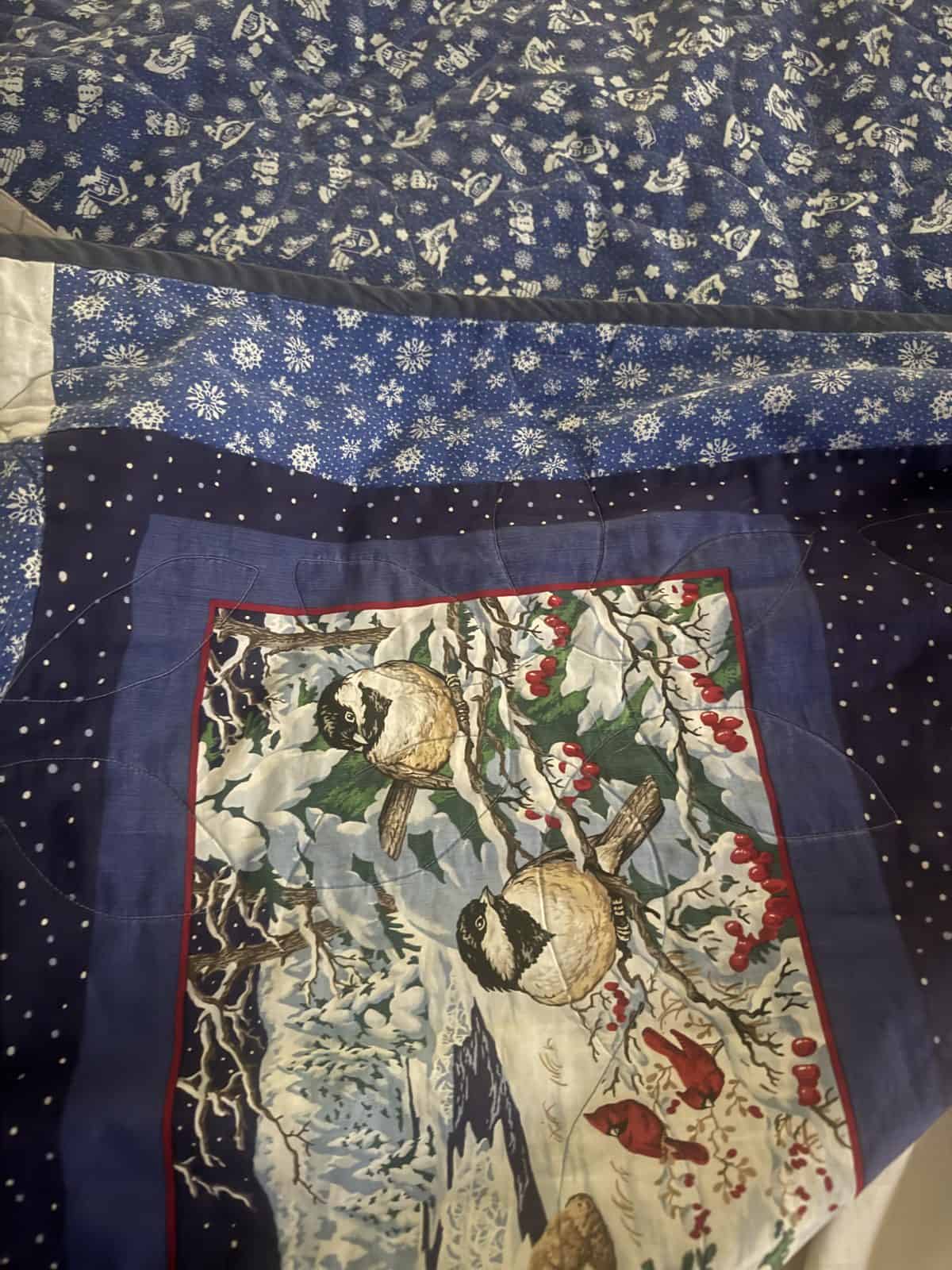
This is the quilt I actually sleep under, so I will speak plainly about it. What I like most is the balance: it is comfortable and it is not too heavy, so it covers me without the smothering, sweaty feeling a thick comforter can bring. It is solid to sleep under night after night, the kind of everyday cover you stop thinking about because it just works. Living in Arizona, I do not really use it during the summer, when even a light quilt is too warm and I switch to a cooling blanket instead, but for most of the year it is exactly the lightweight warmth I want.
Worth Knowing
Because mine is unbranded here, look for the same things I value: a comfortable but genuinely lightweight quilt, breathable material, and solid stitching that holds up to regular use. If you live somewhere hot, plan for a lighter summer cover as I do, since a quilt earns its keep for most of the year rather than the peak of summer.
Buy a comfortable, lightweight quilt like this for most-of-the-year use. Add a cooler option for hot summers if your climate demands it.
Check Price on Amazon3. Mellanni Cotton Quilt Set
Why It Stands Out
The Mellanni is the pick for breathable, warm-climate sleep. Its cotton construction breathes better than synthetics, releasing body heat to help you sleep cooler, which is exactly what cotton batting is prized for in mild and warm climates. It comes as a coordinated set and washes easily at home.
Worth Knowing
Cotton wrinkles more than microfiber and can feel cool rather than toasty, so it is not the pick for cold sleepers. Expect some softening and gentle fading over many washes, as with most cotton bedding.
Buy it if you sleep hot or live somewhere warm. Skip it if you want maximum winter warmth from a single layer.
Check Price on Amazon4. Chezmoi Collection Matelasse Coverlet
Why It Stands Out
The Chezmoi matelasse is the pick for the lightest coverage. A coverlet is a single woven layer with no batting, so it is thinner than a quilt and ideal as a light summer cover or a decorative top layer folded at the foot of the bed. The woven texture looks elegant and tailored.
Worth Knowing
With no batting, a coverlet offers little warmth on its own, so it works best layered or in warm weather. It is more of a decorative and light-coverage piece than a primary winter cover.
Buy it if you want light coverage or a decorative layer. Skip it if you need real warmth from a single piece.
Check Price on Amazon5. Utopia Bedding Quilt Set
Why It Stands Out
The Utopia set is the budget pick. It delivers a lightweight quilt and shams at a low price, covering the basics of breathable, layerable warmth without much spend, which makes it an easy choice for a guest room or a first quilt. For simple, all-season coverage, it does the job.
Worth Knowing
Budget microfiber is thinner and less premium in feel and durability than pricier options. Check the size and weight, since the lightest versions want an added layer in colder weather.
Buy it if you want an affordable, no-frills quilt. Skip it if you want premium materials or a heavier cover.
Check Price on Amazon6. Bare Home Reversible Quilt Set
Why It Stands Out
The Bare Home set is the pick for versatile styling. Its fully reversible design gives you two looks in one, and the lightweight, breathable build layers well through the seasons, so you can flip it to refresh a room without buying new bedding. It balances value and quality nicely.
Worth Knowing
As with other lighter quilts, it is built for breathability over heavy warmth, so cold sleepers will want to layer it. Confirm the exact material, since options vary between cotton blends and microfiber.
Buy it if you want a reversible, easy-to-style quilt. Skip it if you want the single warmest option here.
Check Price on AmazonQuilts and Coverlets at a Glance
| If you want this | Reach for | Why |
|---|---|---|
| A versatile all-season set | Bedsure Quilt Coverlet Set | Lightweight, reversible, coordinated |
| A comfortable, not-too-heavy quilt | A lightweight quilt like the one I use | Breathable warmth for most of the year |
| Breathable warm-climate sleep | Mellanni Cotton Quilt | Cotton releases heat, sleeps cooler |
| The lightest coverage | Chezmoi Matelasse Coverlet | Single woven layer, no batting |
| The best value | Utopia Bedding Quilt Set | Lightweight quilt and shams, low cost |
| Two looks in one | Bare Home Reversible Set | Fully reversible, easy to style |
How to Choose a Quilt or Coverlet
Weight and Breathability
Match the warmth to your climate and how you sleep. Quilts are lighter and more breathable than comforters, so they suit hot sleepers and warm climates, and a balanced weight works best year-round since a too-warm quilt becomes unusable in summer. Lighter quilts, often around 200 grams per square meter, favor warm weather, while heavier ones suit cold rooms.
Material and Fill
The batting and outer fabric drive comfort. Cotton and cotton-blend batting breathe well and suit mild to warm climates, while wool adds warmth for colder ones, and a natural outer layer boosts breathability. For a cooler sleep in a warm climate, lean toward cotton, and pair the quilt with breathable bamboo sheets or cotton sheets.
Quilt vs Coverlet vs Comforter
Know what you are buying. A quilt has three stitched layers with thin batting for light warmth, a coverlet is a single woven layer with no batting for the lightest coverage, and a comforter is thick and fluffy for maximum warmth. If you want a heavier cover, our duvet vs comforter guide and our roundup of all-season comforters go deeper.
Care and Durability
Favor pieces that are easy to live with. Most quilts are machine washable at home, which is easier than caring for a bulky comforter, and durable stitching keeps the batting from bunching after washes. Check the size against your mattress and look for tidy, even quilting, a sign the piece will hold its shape over time.
Common Quilt Mistakes to Avoid
Expecting Winter Warmth From One Quilt
A quilt alone often is not enough on genuinely cold nights, since it has less insulating fill than a comforter. Instead of buying the heaviest quilt, layer a lighter one over a comforter or duvet in winter, which also lets you strip back the layers as the seasons change.
Ignoring Your Climate
Buying a heavy quilt in a hot climate leads to kicking it off by the middle of the night. In a warm place, choose a light, breathable cotton quilt, and accept that in peak summer heat you may want a lighter cooling cover instead, as I do in Arizona.
Confusing a Coverlet With a Quilt
A coverlet looks similar but has no batting, so it provides far less warmth than a true quilt. If you want light warmth to sleep under, buy a quilt, and save the coverlet for a decorative top layer or the lightest summer coverage.
Overlooking Stitching and Size
Loose or sparse stitching lets the batting migrate and clump after a few washes. Look for even, secure quilting, and confirm the dimensions fit your bed, since a quilt that is too small will not drape properly and one too large bunches awkwardly.
Recommended Reading
- all-season comforters
- layering bedding for every season
- bedspreads and blanket sets
- duvet covers
- throw blankets
Frequently Asked Questions
What is the difference between a quilt and a comforter?
A quilt has three stitched layers with thin batting, so it is flatter, lighter, and more breathable, while a comforter is thick and fluffy with more insulating fill. Quilts suit warm climates and layering, and comforters suit cold sleepers who want more warmth in one piece.
Is a quilt warm enough for winter?
On its own, usually only in mild winters, since a quilt has less fill than a comforter. In colder climates, layer a quilt over a comforter or duvet for warmth plus a tailored look, which lets you adjust the layers as temperatures change.
Are quilts good for hot sleepers?
Yes, that is one of their strengths. Quilts are thinner and more breathable than comforters, so they release body heat and sleep cooler, making them a strong choice for hot sleepers and warm climates. Pair one with breathable sheets for the coolest setup.
What is a coverlet, and how is it different from a quilt?
A coverlet is a single woven layer with no batting, meant for light coverage and decoration, while a quilt has three stitched layers with batting for light warmth. Use a coverlet as a summer cover or a decorative top layer, and a quilt when you want something to sleep under.
What material is best for a quilt?
It depends on your climate. Cotton and cotton-blend batting breathe well and suit mild to warm climates, wool adds warmth for cold ones, and a cotton or natural outer layer improves breathability. For warm climates or hot sleepers, cotton is usually the best bet.
Can I use a quilt in summer?
A light cotton quilt can work as a summer cover, but in very hot conditions even a light quilt may feel too warm. In that case, switch to a thinner cover like a coverlet or a cooling blanket for the hottest weeks, then return to the quilt as things cool down.
How do I wash a quilt?
Most quilts are machine washable at home in warm water with a mild detergent, which is easier than caring for a bulky comforter. Check the care label, use a large machine if it is oversized, and dry on low or air dry to protect the stitching and batting.
How long does a quilt last?
A well-made quilt often lasts around five years or more with proper care, and it is frequently the most durable piece in a bedding set. Even, secure stitching and quality batting help it hold its shape, so look for tidy quilting when you buy.
