
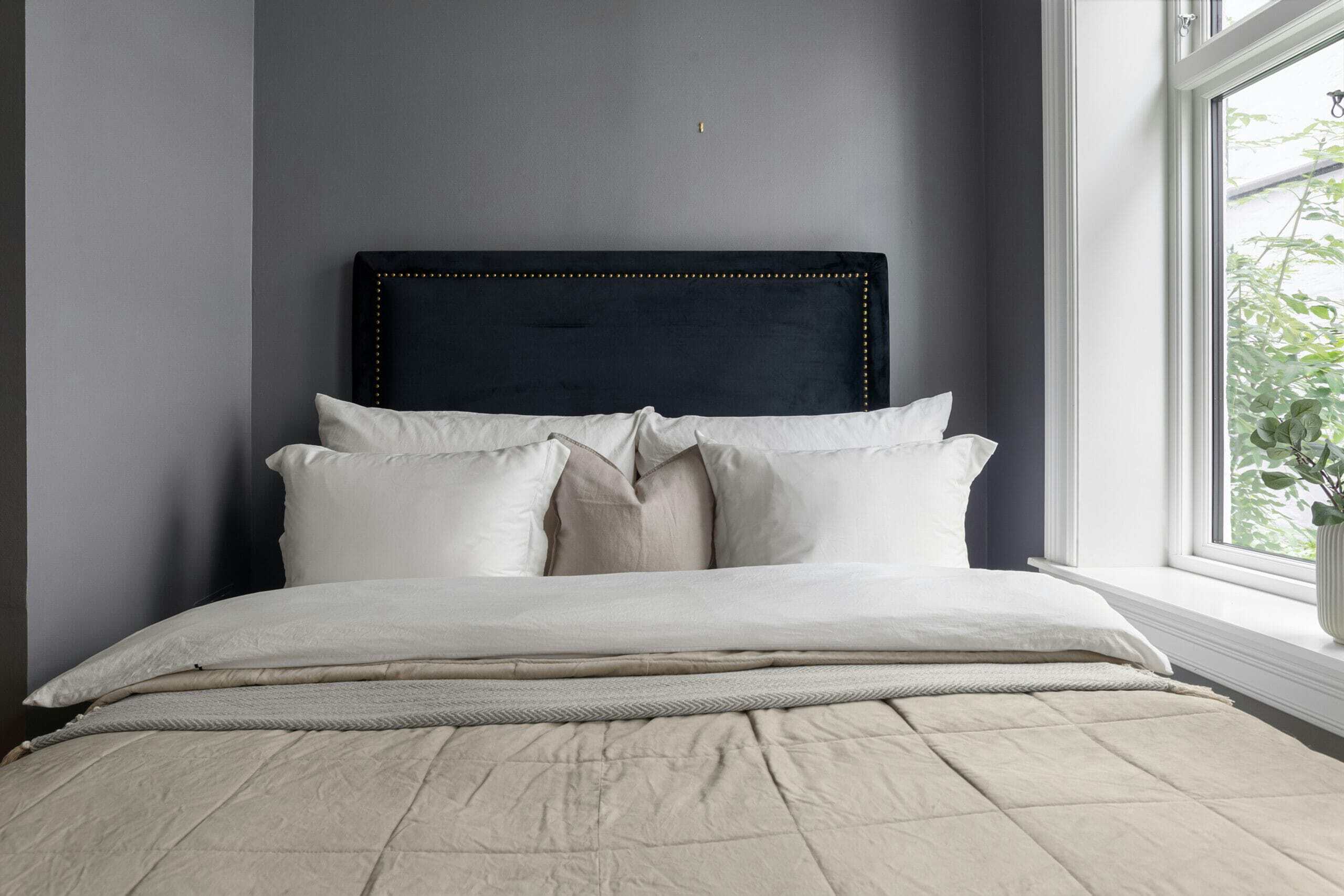
Learning how to layer bedding for every season solves a problem that a single heavy comforter never can: the need for a bed that adjusts to changing temperatures rather than being too hot in summer and barely warm enough in winter. Layered bedding uses multiple pieces that you add or remove to fine-tune warmth, so the same bed works comfortably whether the night is sweltering or freezing. The approach also creates a more polished, designed look than a single covering. For our current top picks, see the best quilts and coverlets for layered bedding guide.
The core idea behind bedding layers is simple. Instead of relying on one piece to do everything, you build the bed from several pieces, each contributing some warmth and some visual texture. On a warm night, you use just the lightest layers; on a cold night, you add the warmer ones. This guide explains the layering system, how to adjust it through all four seasons, and how the pieces work together.
Why Layered Bedding Beats a Single Comforter
A single heavy comforter forces a compromise. It is too warm for summer, so sleepers kick it off or sweat through the night. It may be just right for one stretch of the year and inadequate when real cold arrives. The comforter cannot adapt, so the sleeper is stuck with whatever warmth it provides.
Layered bedding removes that compromise. Because the warmth comes from several pieces rather than one, sleepers add or remove layers to match the actual temperature. The same bed handles a hot July night and a freezing January night simply by changing which layers are in use. This adaptability is the central advantage of layering.
Layering also improves the bed visually. A single covering provides one texture and one look, while layered bedding combines different textures, colors, and pieces into a designed, intentional appearance. The folded layers, the visible quilt over a blanket, and the coordinated pieces all create the styled look that hospitality and design photos rely on.
The Core Bedding Layers Explained
A layered bed is built from distinct pieces, each with a role. Understanding what each layer does helps you assemble a system that works for your climate and adjust it as seasons change.
The Foundation: Sheets
The fitted and flat sheets form the foundation layer, providing the surface against the sleeper’s skin. Sheet choice affects both comfort and temperature. Breathable options like organic cotton sheets or cooling sheets suit warm conditions, while warmer options like flannel sheets add cozy warmth for cold months. Many people seasonally swap sheets as the foundation of their layering system.
The Adjustable Middle: Blankets
Between the sheets and the top covering sits the adjustable warmth layer, typically a blanket. This middle layer is the heart of the layering system, since adding or removing it changes the bed’s warmth significantly. A lightweight blanket here provides warmth that the sleeper can easily pull up or push aside as overnight temperatures shift.
The Top Layer: Quilts, Coverlets, and Bedspreads
The visible top layer provides both modest warmth and a decorative finish. A quilt or coverlet works beautifully here, light enough for summer use alone yet adding warmth when layered. A bedspread provides a similar lightweight top layer. This piece anchors the look of the whole bed.
The Warmth Reserve: Comforters and Duvets
For cold weather, a comforter provides substantial warmth as the heaviest layer. Using a duvet cover over the comforter protects it and lets you change the look. In a layered system, the comforter is the reserve, brought in for cold weather and set aside when milder conditions return. An all-season comforter offers a middle-ground option.
The Accent Layer: Throws
A throw blanket folded at the foot of the bed adds both a quick extra warmth option and a decorative accent. The throw is the easiest layer to add or remove, providing flexibility for that in-between temperature where the sleeper wants slightly more warmth without committing to a full blanket.
The Finishing Layer: Bed Skirt
A bed skirt completes the layered look from below, concealing the box spring and frame. While it does not contribute warmth, it finishes the bed’s appearance, which matters since layered bedding is partly about the designed look.
How to Layer Bedding for Each Season
The layering system shifts through the year. Here is how to adjust the pieces for each season’s typical conditions.
Spring Layering
Spring brings mild, variable temperatures with cool nights and warming days. Use breathable cotton sheets as the foundation, a lightweight blanket as the adjustable middle layer, and a quilt or coverlet as the top layer. Keep a throw at the foot for the cooler nights. This setup handles spring’s variability, letting the sleeper add the throw or pull up the blanket on cooler nights and shed layers as nights warm.
Summer Layering
Summer calls for minimal layers and maximum breathability. Use cooling or breathable cotton sheets and a lightweight quilt or coverlet as the only covering. Skip the middle blanket and the comforter entirely. The light top layer provides just enough covering for comfort and air-conditioned rooms without trapping heat. For hot sleepers, this minimal setup prevents the overheating a comforter would cause.
Fall Layering
Fall mirrors spring’s variability as temperatures cool. Return the middle blanket to the system, keep breathable or slightly warmer sheets, and use the quilt or coverlet as the top layer. As fall progresses toward winter, the layering builds. Keep the throw accessible for the increasingly cool nights, and prepare the comforter for the cold months ahead.
Winter Layering
Winter uses the full layering system for maximum warmth. Switch to warm flannel sheets as the foundation, keep the middle blanket, and add the comforter as the heaviest warmth layer. The quilt or coverlet can be layered over or under the comforter for additional warmth and a finished look. The throw provides a final boost for the coldest nights. This full stack delivers serious warmth while still allowing some adjustment.
Seasonal Layering at a Glance
| Season | Sheets | Middle Layer | Top Layer | Extra Warmth |
|---|---|---|---|---|
| Spring | Breathable cotton | Light blanket | Quilt or coverlet | Throw as needed |
| Summer | Cooling or cotton | None needed | Light quilt or coverlet | None needed |
| Fall | Cotton or warmer | Light blanket | Quilt or coverlet | Throw as needed |
| Winter | Flannel | Blanket | Comforter plus quilt | Throw for coldest nights |
Tips for Making Layered Bedding Work
Coordinate colors and textures for a cohesive look. Layered bedding looks best when the pieces work together visually. Choose a color palette and stick to it, mixing textures like a smooth quilt over a soft blanket for visual interest. Matching shams from quilt or bedspread sets help tie the look together.
Store off-season layers properly. When the comforter comes off for summer or the flannel sheets are stored for warm months, keep them clean, dry, and protected. Proper storage means the layers are fresh and ready when their season returns. Breathable storage bags work better than airtight plastic, which can trap moisture.
Adjust within seasons, not just between them. Even within a season, individual nights vary. The layering system shines here, since the sleeper can pull up or push aside the middle blanket or throw based on any given night’s temperature. The system is meant for daily fine-tuning, not just seasonal changes.
Consider each sleeper’s needs. In shared beds, the two sleepers may have different temperature preferences. Layering helps, since each sleeper can adjust their own layers somewhat independently. Some couples use separate top layers on each side, a setup that layered bedding accommodates better than a single shared comforter.
Build the system gradually. A complete layering system has several pieces, and assembling them all at once is a significant purchase. Building gradually, starting with foundation sheets and a quilt, then adding blankets and a comforter, spreads the cost and lets you refine the system as you learn what works for your climate and preferences.
Putting Your Layered Bed Together
Layered bedding transforms a bed from a fixed-warmth compromise into an adjustable system that handles every season comfortably. The foundation sheets, the adjustable middle blanket, the quilt or coverlet top layer, the comforter reserve, and the throw accent each play a role, and the combination adapts to whatever the night brings.
Start by assessing your climate and how much seasonal variation you experience. A mild climate may need only minor seasonal adjustments, while a climate with hot summers and cold winters benefits from the full layering system with seasonal sheet swaps. Build the system to match your actual conditions.
Beyond the comfort benefits, layered bedding gives the bed a designed, polished look that a single covering cannot match. The combination of textures, the coordinated pieces, and the finished appearance make the bed a centerpiece of the room. Comfort and style together make the layering approach worth the modest effort of assembling and adjusting the system. Once the system is in place, adjusting it season to season and night to night becomes second nature, and the bed simply works, comfortably, all year long.
Frequently Asked Questions
How do I layer bedding for every season?
To layer bedding for every season, build the bed from distinct pieces: foundation sheets, an adjustable middle blanket, a quilt or coverlet top layer, a comforter for cold weather, and a throw accent. Adjust which layers are in use based on the season and nightly temperature. Summer uses minimal layers, winter uses the full stack, and spring and fall fall in between. Seasonal sheet swaps from cooling cotton to warm flannel complete the system.
What is the point of layered bedding?
Layered bedding lets a bed adjust to changing temperatures rather than being stuck with a single fixed warmth level. By using multiple pieces that can be added or removed, sleepers fine-tune warmth for each season and even each night. A single heavy comforter is too warm for summer and may be inadequate for deep winter, while a layered system handles both. Layering also creates a more polished, designed look.
What layers do I need for a layered bed?
A complete layered bed includes fitted and flat sheets as the foundation, an adjustable middle blanket, a quilt or coverlet as the visible top layer, and a comforter for cold weather. A throw blanket adds an accent layer and quick extra warmth, while a bed skirt finishes the look from below. You do not need all layers in use at once, since the system adapts by adding or removing pieces.
How should I layer bedding in summer?
For summer, use minimal layers and maximum breathability. Cooling or breathable cotton sheets as the foundation and a lightweight quilt or coverlet as the only covering provide enough comfort without trapping heat. Skip the middle blanket and the comforter entirely. This minimal setup keeps hot sleepers comfortable and works well in air-conditioned rooms where a light covering is all that is needed.
How should I layer bedding in winter?
For winter, use the full layering system. Switch to warm flannel sheets, keep the middle blanket, and add a comforter as the heaviest warmth layer. A quilt or coverlet can layer over or under the comforter for additional warmth and a finished look, and a throw provides a final boost for the coldest nights. This full stack delivers serious warmth while still allowing some night-to-night adjustment.
Can layered bedding help couples with different temperature preferences?
Yes, layered bedding helps couples with different temperature preferences. Because warmth comes from multiple removable layers, each sleeper can adjust their own layers somewhat independently, pulling up or pushing aside a blanket or throw as needed. Some couples use separate top layers on each side of the bed, a setup that layered bedding accommodates far better than a single shared comforter.
What is the difference between a quilt, a coverlet, and a comforter for layering?
A comforter is thick and provides substantial warmth, serving as the heavy cold-weather layer. A quilt is a thinner stitched covering with light batting, providing modest warmth and working as the visible top layer or a summer covering. A coverlet is a similar lightweight covering, sometimes without batting, emphasizing the decorative role. In a layered system, the comforter is the warmth reserve while the quilt or coverlet is the year-round top layer.
Do I need to swap sheets seasonally for layered bedding?
Seasonal sheet swaps strengthen the layering system, though they are not strictly required. Switching from breathable cooling or cotton sheets in summer to warm flannel sheets in winter adjusts the foundation layer’s warmth, complementing the changes to the upper layers. In mild climates, year-round cotton sheets may suffice, but in climates with hot summers and cold winters, seasonal sheet swaps make a noticeable comfort difference.
Recommended Reading
See also our guides to miserable mornings why do i wake up with headaches every day.
Related Reading
Explore more: miserable mornings why do i wake up with headaches every day, and why you wake up hot every night.
- bed runners, for styling the foot of the bed.
- how to choose a mattress
Layers only work while each piece is in reasonable condition. Replacement intervals for sheets covers the base layer.
