
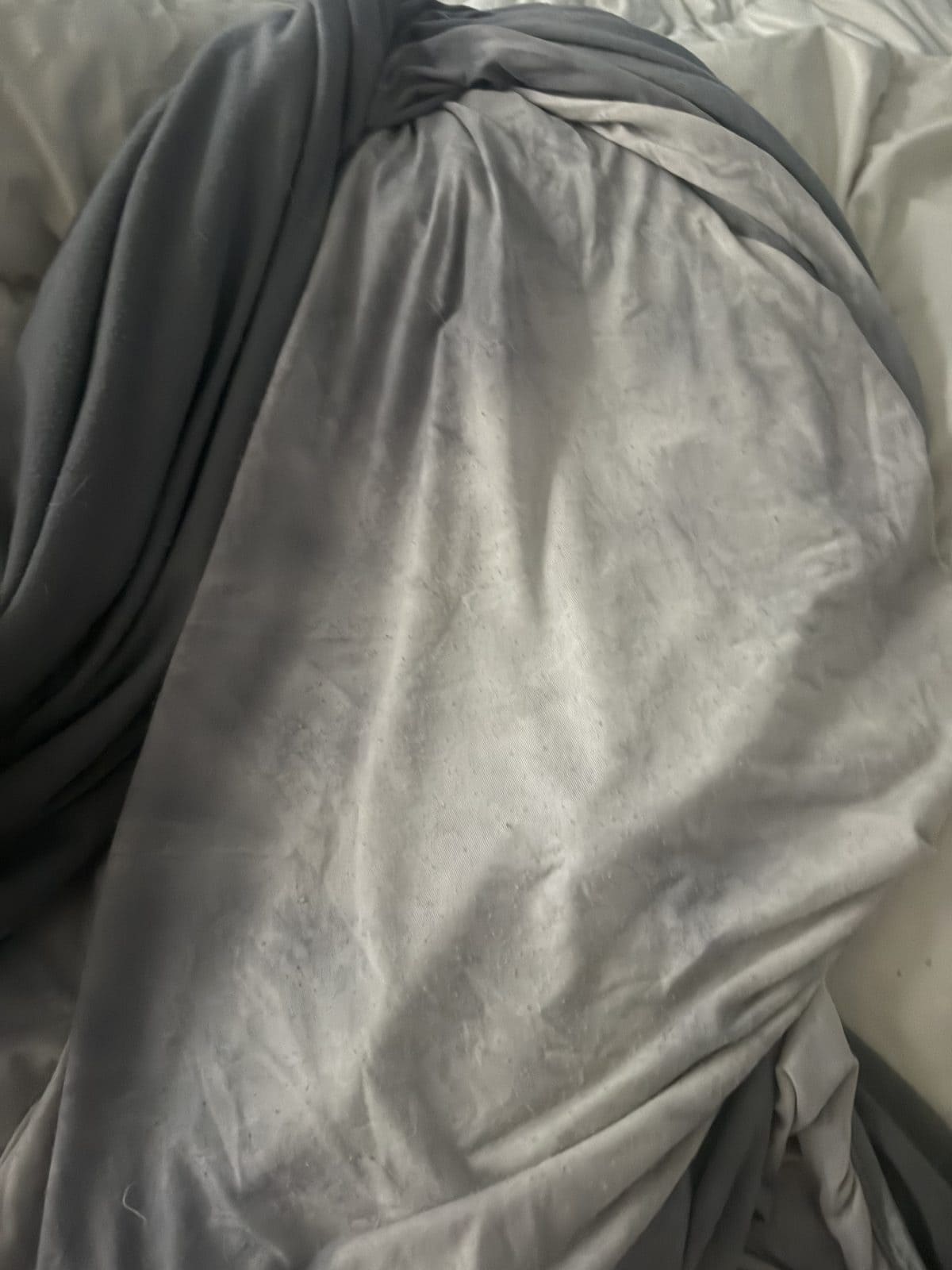
A blanket is cooling when it moves heat and moisture away from your body faster than it traps them, which comes down to breathable natural fibers like bamboo, Tencel, or cotton, a light or open weave, and sometimes a cool-to-touch or phase-change finish. Understanding what makes a blanket cooling helps you tell genuine cooling fabric from marketing. For ready-made options, see our cooling blanket picks, or read on to decode the labels yourself.
Quick Verdict
A cooling blanket relies on three things: breathable fibers that let heat and sweat escape, a light or open weave that promotes airflow, and often a cool-to-touch or phase-change treatment that conducts warmth away from your skin. Fleece, down, and dense synthetics do the opposite by trapping heat, so they are the ones to avoid.
Why Trust This Guide
My gray dual-sided cooling blanket makes this concrete: the cooling side feels distinctly cool to the touch, while the regular side feels neutral, on the very same blanket. Between that, my cooling pillows, and a lighter blanket I use in Arizona summers, I have felt firsthand how much fabric and weave change how a cover sleeps.
Key Takeaways
- Cooling comes from moving heat and moisture away, not adding cold.
- Breathable fibers like bamboo, Tencel, and cotton sleep cooler.
- A light or open weave lets body heat and sweat escape.
- Cool-to-touch and phase-change finishes conduct warmth off your skin.
- Fleece, down, and dense synthetics trap heat and sleep warm.
Cooling Blanket Features at a Glance
| Feature | Why it cools | Watch for |
|---|---|---|
| Bamboo or Tencel fiber | Breathable, wicks moisture, feels smooth and cool | Blends that add heat-trapping fillers |
| Cotton (percale-style) | Breathable and crisp, lets heat escape | Heavy, dense weaves that hold warmth |
| Open or light weave | Promotes airflow so heat dissipates | Tight, plush weaves that block air |
| Cool-to-touch finish | Conducts warmth away on contact | Effect fades as fabric warms |
| Phase-change material | Absorbs and buffers body heat | Higher price, limited capacity |
What Fabrics Make a Blanket Cooling?
Breathable, moisture-wicking fibers are what make a blanket cooling. Bamboo and Tencel lyocell top the list because they are smooth, breathable, and pull moisture away, which is why they often feel cool against the skin. Cotton in a lighter, crisp weave breathes well too. What these share is the ability to let body heat and sweat escape rather than sealing them in. The Sleep Foundation advises hot sleepers to choose breathable bedding and avoid insulating fabrics, which is the fiber-level reason some blankets sleep cool and others feel stifling.
What Is a Cool-to-Touch or Phase-Change Blanket?
These are two engineered cooling approaches that go beyond fiber choice. A cool-to-touch blanket uses a fabric finish, often a fine nylon or polyethylene weave, designed to conduct heat away from your skin quickly, so it registers as cool the instant you touch it. A phase-change material takes a different route, absorbing and storing body heat to buffer temperature swings. Both work well at first, and both have limits: the cool-to-touch feel fades as the fabric warms, and phase-change capacity is finite. On my dual-sided blanket, that cool-to-touch side is the one I notice immediately.
Does Weave and Weight Matter?
Yes, weave and weight matter as much as the fiber itself. A light, open weave lets air move through the blanket so heat and moisture dissipate, while a dense, plush, or tightly packed weave blocks airflow and holds warmth, even in an otherwise breathable fiber. Weight follows the same logic: a lighter blanket traps less heat and layers more easily. This is why two bamboo blankets can sleep very differently, and why checking the weave and weight, not just the fiber name, tells you how cool a blanket will actually feel.
What Makes a Blanket Sleep Hot?
Heat-trapping materials are what make a blanket sleep hot, and they are worth recognizing so you can avoid them. The Sleep Foundation specifically flags insulating fabrics such as fleece and down as ones that hold body heat, which is great in winter but stifling for a hot sleeper. Dense synthetics, heavy minky, and tightly woven plush blankets do the same by sealing in warmth and blocking airflow. If a blanket feels thick, fuzzy, and airtight, it is built to keep heat in, which is the opposite of cooling.
Recommended Reading
- the best cooling blankets, fabrics done right.
- do cooling blankets actually work, the efficacy verdict.
- why cooling blankets stop feeling cool, when the cool fades.
- cooling blanket vs lightweight blanket, fabric head-to-head.
- cooling sheets for hot sleepers, same fabric logic.
How to Tell If a Blanket Is Genuinely Cooling
You can spot a genuinely cooling blanket by reading past the marketing to the fiber, weave, and finish. Start with the fiber: a named breathable material like bamboo, Tencel lyocell, or lightweight cotton is a good sign, while vague blends or heavy synthetics are a warning. Check the weave and weight next, since a light, open construction breathes and a dense, plush one traps heat regardless of fiber. If the product claims cool-to-touch, look for a real fabric technology described, not just the phrase, and remember that effect is a settling aid rather than an all-night guarantee. Reviews are useful here: sleepers will tell you how quickly a blanket warms up and whether it holds up after washing, which the label never admits. Finally, watch for heat-trapping tells, such as fleece backing, minky plush, or thick fill, which signal a blanket built for warmth. Match the fiber, weave, and honest cooling claim together, and you will separate a truly cool blanket from one that only says so on the tag.
Common Misconceptions
Cooling fabric makes a blanket cold
It does not add cold. Cooling fabric conducts your body heat away, which feels cool to the touch rather than genuinely cold.
Any bamboo blanket is automatically cool
Not always. A dense weave or a heat-trapping blend can undo the benefit of a breathable fiber. Weave and weight matter too.
Thicker cooling blankets cool better
Usually the reverse. More material traps more heat, so lighter, breathable cooling blankets tend to sleep cooler.
What Makes a Blanket Cooling FAQ
What is the coolest fabric for a blanket?
Bamboo and Tencel lyocell are among the coolest, thanks to their breathability and moisture-wicking. Cotton in a light, crisp weave also sleeps cool. Cool-to-touch engineered fabrics add an immediate cool sensation on top of good fiber choice.
Is bamboo or cotton cooler for a blanket?
Both breathe well, but bamboo often feels cooler and smoother against the skin and wicks moisture strongly. Cotton in a lighter weave is crisp and breathable. The weave and weight influence the result as much as the fiber.
What does cool-to-touch actually mean?
Cool-to-touch means the fabric is designed to conduct heat away from your skin quickly, so it feels cool the moment you contact it. The sensation is real but temporary, fading as the fabric absorbs your body heat.
Are phase-change cooling blankets worth it?
They can be, since phase-change materials buffer temperature and delay warming. Their capacity is limited and they cost more, so they suit sleepers who want extra cooling and are willing to pay for it.
What blanket materials should hot sleepers avoid?
Avoid fleece, down, heavy minky, and dense synthetics, which trap body heat. These insulating materials are ideal for winter warmth but work against a hot sleeper trying to stay cool.
Does weave matter more than fabric for cooling?
Both matter together. A breathable fiber in a dense weave can still sleep warm, and a light, open weave enhances any cooling fiber. Check the weave and weight alongside the fiber name for the truest sense of how cool a blanket sleeps.
Is a cooling blanket the same as a cooling comforter?
Not quite. A cooling blanket is a single lighter layer, while a cooling comforter is thicker and filled for more warmth with cooling features added. Both use breathable fabrics, but a blanket sleeps cooler and a comforter suits sleepers who want cooling plus more coverage.
Do cooling fabrics work without air conditioning?
They help, but they work best in a cool room. Breathable cooling fabric still wicks heat and moisture without air conditioning, yet in a hot, still room it warms quickly. Adding a fan and opening the space for airflow makes cooling fabric far more effective.
Part of our full guide: the foundation principles of a sleep-cool bedroom.
