
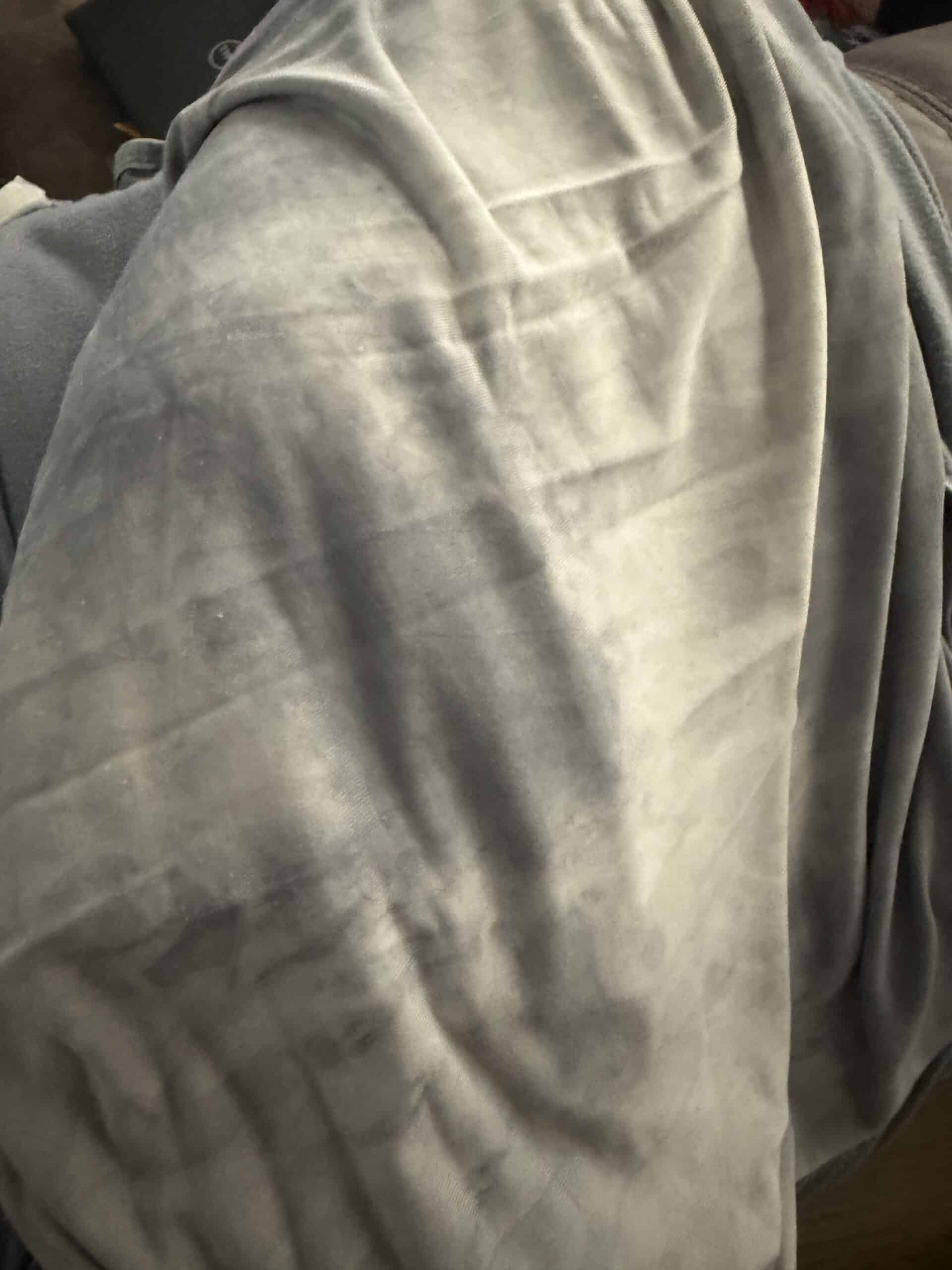
My cooling blanket cost under fifty dollars, it is microfiber, and I love it. That is not a grudging budget-tier endorsement; it is the whole review. It stays cool, it has been my blanket year-round for long enough that I do not think about it, and through the summer it stops being a comfort item and becomes something I genuinely rely on. In winter I keep it on the bed and layer a comforter over the top, which works better than swapping blankets twice a year. The only thing I would flag is that it seems to want washing more often than I would expect, which I will come back to, because it turns out there is a reason.
The point of this roundup is that the cooling blanket category does not require spending money to work. The expensive fibers are real upgrades in feel, but the sub-fifty tier already delivers the thing you came for, which is a blanket that does not cook you. The picks below cover what that money buys, and the underlying question of whether any of it works is in our guide on whether cooling blankets actually work.
What Fifty Dollars Actually Gets You
The budget tier is mostly cooling microfiber and polyester blends, sometimes with a small percentage of bamboo viscose worked in. What you get is a smooth, thin, breathable fabric that pulls heat away on contact and does not trap moisture the way a fleece or a heavy knit does. What you give up is the top end of feel and, to some extent, longevity, since premium bamboo viscose has a smoother hand and a slightly better breathability ceiling. The important thing to understand is that the mechanism is the same in both tiers. A budget cooling blanket is not a fake version of an expensive one; it is the same idea built from a cheaper fiber, which is why our guide on what makes a blanket cooling spends more time on weave than on price.
Cooling Microfiber Blanket (Best Overall)
The workhorse of the category: a smooth, thin microfiber blanket engineered to feel cool on contact and breathe rather than insulate.
Why It Stands Out
This is what I use and what I would buy again. It stays cool, it has handled year-round duty without complaint, and it costs a fraction of the premium tier while doing the same job. For most people asking whether they need to spend more, this format is the honest answer that they do not.
Worth Knowing
Microfiber holds body oils, so plan on washing it more often than you would a cotton blanket. Best for hot sleepers who want the function without the premium.
Check Price on AmazonLightweight Cooling Throw (Best Budget)
The thinnest and cheapest tier, sized closer to a throw than a full bed blanket and built for minimal coverage.
Why It Stands Out
On the worst nights, less blanket beats better blanket, and this format is the cheapest way to test whether a cooling layer helps you at all. It also earns a spot as a second blanket for a couch or a guest bed without any real financial commitment.
Worth Knowing
Often too small to be a primary bed blanket for anything larger than a twin. Best for testing the category or as a secondary layer.
Check Price on AmazonDual-Sided Cooling Blanket (Best Two-Season)
Cooling fabric on one face, a warmer knit on the other, flipped as the weather changes.
Why It Stands Out
Under fifty dollars, getting both seasons out of one blanket is genuinely good value, and it saves the closet space a second blanket would take. Flip to cool in July, flip to warm in January, and stop thinking about it.
Worth Knowing
The warm backing caps how cool the cooling side can get, since air has to move through the whole blanket. Best for moderate climates and small closets.
Check Price on AmazonBamboo Blend Under Fifty (Best Material Upgrade)
Blankets that work a real percentage of bamboo viscose into a polyester or cotton base while staying in the budget tier.
Why It Stands Out
If you want a taste of what the premium fiber offers without leaving the price bracket, a genuine blend is the way to get it, delivering a smoother hand than pure microfiber. Check the tag rather than the front of the package, since token bamboo percentages are common. Our roundup of bamboo cooling blankets covers the full-price version.
Worth Knowing
Blends this cheap often contain less bamboo than the marketing implies. Best for buyers who want the feel upgrade and will read labels.
Check Price on AmazonOversized Budget Cooling Blanket (Best for Sharing)
Queen and king sizing that stays under fifty dollars, usually by using microfiber rather than premium fiber.
Why It Stands Out
Most shared-blanket problems are coverage problems, and generous sizing fixes more of them than any feature does. Doing it in the budget tier means the fix costs almost nothing, and our roundup of cooling blankets for couples covers the rest of the sharing question.
Worth Knowing
More fabric at the same price usually means thinner fabric. Best for couples who need coverage more than they need luxury.
Check Price on AmazonCooling Blanket and Sheet Bundle (Best Value)
Sets pairing a cooling blanket with matching pillowcases or a sheet, sold together at a bundle price.
Why It Stands Out
A cooling blanket over hot sheets is a half-solved problem, since the layer against your skin matters at least as much as the one on top. Bundling is the cheapest way to fix both at once, and our roundup of cooling sheets for hot sleepers covers that layer on its own.
Worth Knowing
Bundle economics usually mean neither piece is the best available. Best for setting up a hot-weather bed from scratch cheaply.
Check Price on AmazonBudget Cooling Blankets at a Glance
| Type | Best for | Trade-off |
|---|---|---|
| Cooling microfiber | Most hot sleepers | Needs frequent washing |
| Lightweight throw | Testing the category | Too small for big beds |
| Dual-sided | Two seasons | Lower cooling ceiling |
| Bamboo blend | Feel upgrade | Often token bamboo |
| Oversized | Sharing | Thinner fabric |
| Blanket and sheet set | Whole-bed setup | Neither piece is best in class |
The Washing Thing
Here is the one honest complaint I have, and it is worth understanding rather than just enduring. My cooling blanket feels like it needs washing more often than I would expect, and the reason is the fabric doing its job. Microfiber’s fine, tightly woven fibers are exactly what make it feel cool and move moisture, and those same fibers hold onto body oils and residue readily. As that builds up, it fills the gaps that air was moving through, and the blanket gradually stops feeling as cool as it did. Washing restores it. So the extra laundry is not a defect in the blanket; it is the maintenance cost of the feature you bought, and our guide on why cooling blankets stop feeling cool covers the mechanism in full. Knowing that turned it from an annoyance into a schedule.
Getting the Most From a Budget Blanket
Wash it more than feels necessary
The cooling effect degrades with residue rather than with age, so a regular wash keeps a cheap blanket performing like a new one far longer than most people expect. This is the single highest-return habit in the category.
Fix the layer underneath too
A cooling blanket over flannel sheets is fighting itself. The sheet touches your skin first, so it decides more than the blanket does, which our roundup of cooling sheets covers.
Layer up rather than swap out
Keeping the cooling blanket on the bed year-round and adding a comforter over it in winter is simpler than owning two blankets, and it is exactly what I do. Our guide on layering bedding for every season and our roundup of all-season comforters cover the top layer.
Fix the room, not just the bed
No blanket beats an overheated bedroom, and the room temperature sets the ceiling on everything else. Our guide on sleeping in hot weather without air conditioning covers the environment side.
Which One to Buy
Take the cooling microfiber blanket. It is the format I use, it cost under fifty dollars, and after year-round duty I have not once wished I had spent more, which is about as direct a recommendation as I can make. Choose the lightweight throw if you want to test whether a cooling layer helps you at all before committing, the dual-sided version if you want one blanket for both seasons, the bamboo blend if the feel matters to you and you will read the tag, and the oversized version if you share. Then wash it more often than you think it needs, because that is what keeps the cheap version performing like the expensive one, and it is the part nobody tells you when you buy it.
When Spending More Makes Sense
Being honest about the ceiling here matters, because the budget tier is not the answer for everyone. If you sleep hot enough that you wake up damp rather than merely warm, the breathability gap between microfiber and bamboo viscose becomes something you can feel, and the upgrade is worth it. If fabric texture matters to you, the premium hand is a real difference rather than a marketing one. And if you know you will not wash a blanket on a schedule, a fiber that holds fewer oils will stay pleasant longer than microfiber will. Outside those cases, the sub-fifty tier does the job, and the money is better spent on the layer underneath or the room itself, since our comparison of a cooling blanket and a cooling topper makes the case that the blanket is often not the thing holding you back.
Cooling Blankets Under $50 FAQ
Do cheap cooling blankets actually work?
Yes. The mechanism is the same as in expensive versions, a smooth breathable fabric that moves heat and moisture instead of trapping it. Mine cost under fifty dollars, is microfiber, and stays cool. The premium tier buys a better hand and breathability ceiling rather than a different function.
Is microfiber good for a cooling blanket?
Genuinely good. Microfiber’s fine fibers feel cool on contact and breathe well, which is why it dominates the budget tier. The trade is that those same fibers hold body oils, so it needs washing more often than cotton to keep performing.
How often should you wash a cooling blanket?
More often than a regular blanket, since residue buildup is what kills the cooling effect rather than wear. If yours has stopped feeling cool, wash it before you replace it. Mine needs it noticeably more often than I expected, and that is the fabric working as designed.
Can you use a cooling blanket in winter?
Absolutely, and it is the simpler approach. Keep it on the bed and layer a comforter over the top when it gets cold, which is what I do year-round. It avoids swapping bedding twice a year and the cooling layer does no harm under a warm one.
Is a bamboo blanket worth the extra money?
It buys a smoother feel and a slightly better breathability ceiling, which a dedicated hot sleeper can notice. It does not buy a different function. If budget matters at all, the microfiber tier does the job, which is why I have never felt the need to upgrade.
What size cooling blanket should I get?
Size up if you share, since most blanket disputes are really coverage disputes and oversized fixes them cheaply. For a single sleeper, match your mattress. Throws are best treated as tests or secondary layers rather than a primary bed blanket.
Do cooling blankets stop working over time?
They stop feeling cool, usually from oils and residue clogging the weave rather than the fabric failing. Washing restores most of it. Genuine wear takes far longer than the point at which people assume the blanket has quit on them.
Recommended Reading
- cooling blankets, the full category.
- cooling blanket versus cooling topper, which layer to fix.
- lightweight blankets, the thinner route.
- cooling quilts, the flatter format.
On the budget end generally, what else is worth buying cheap.
