
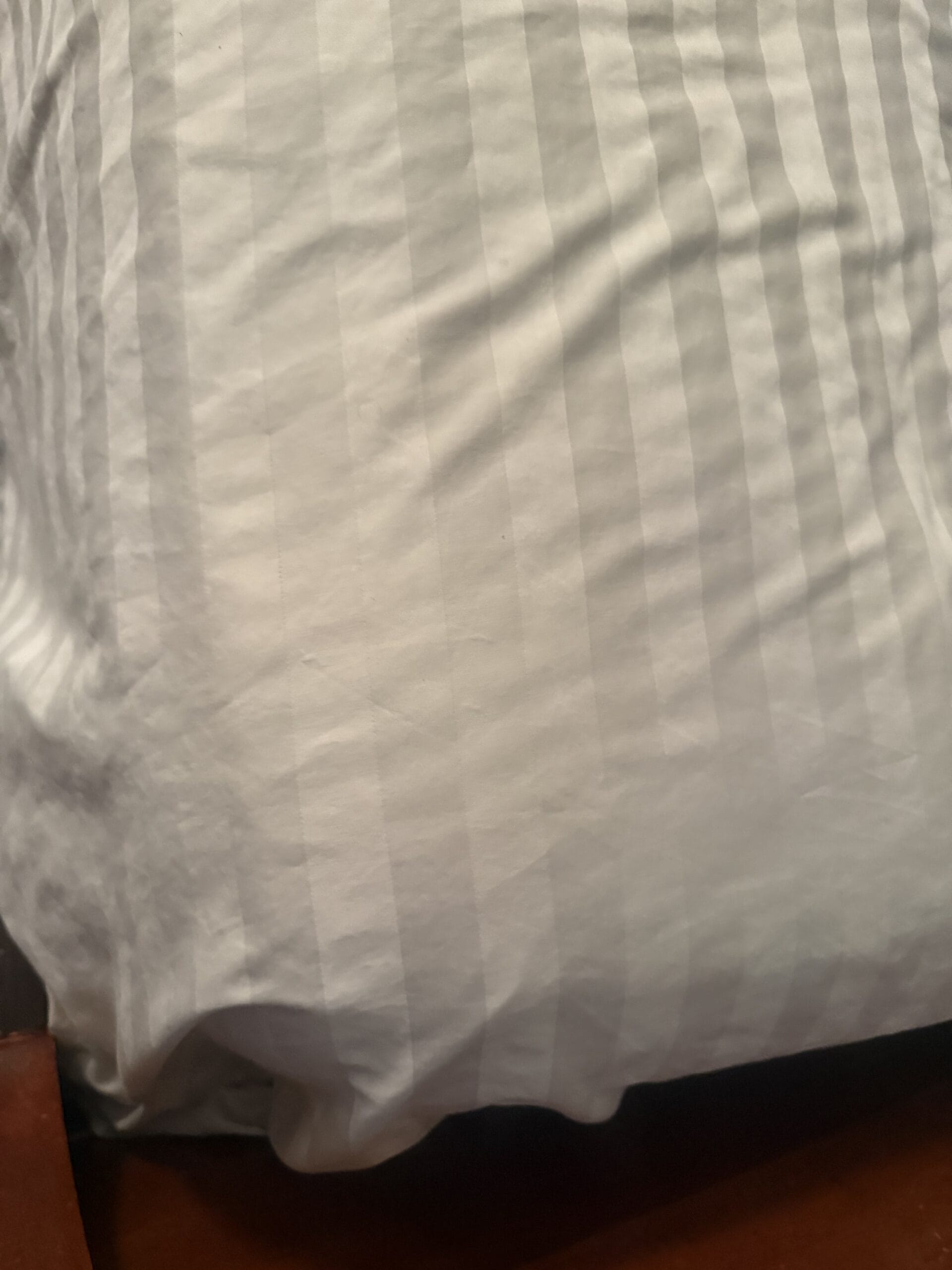
Choose sheets by fiber and weave first, then fit, and treat thread count as the last thing you look at. Knowing how to choose sheets comes down to three decisions that happen before you ever see a number on the package, and the rest is marketing noise. If you only ever learn one thing about bedding, learn the difference between a crisp weave and a smooth one, because that single choice decides how the bed feels every night.
Quick Answer
Pick the fiber for your climate, the weave for the feel you want, and the pocket depth for your mattress. Cotton suits most sleepers, linen and bamboo suit hot ones, and satin or silk suit anyone who wants slip and no wrinkles. Thread count only matters within a single fiber and weave.
Key Takeaways
- Fiber decides breathability. Weave decides feel. Fit decides whether the sheet stays on the bed.
- Percale is crisp and airy. Sateen is smooth and warmer. Neither is better, they are different.
- Thread count is only comparable inside the same fiber and weave, and it is inflated constantly.
- Measure your mattress depth before buying. This is the most common and most annoying mistake.
- Hot sleepers usually do better with a thin, breathable weave than with an engineered cooling fabric.
Related: fitted sheets that dont slip off.
The Three Decisions, In Order
Every sheet purchase is the same three decisions, made in the same order. Get them right and the price and brand barely matter. Get them wrong and no thread count rescues the set.
| Decision | What it controls | Pick this if |
|---|---|---|
| Fiber | Breathability, durability, feel over time | You run warm: cotton, linen, bamboo. You want slip: satin or silk. You want cheap and soft: microfiber. |
| Weave | Crisp vs smooth, cool vs cozy | You want airy and hotel-crisp: percale. You want silky and warmer: sateen. |
| Fit | Whether the fitted sheet stays put | Mattress over 14 inches, or you use a topper: deep pocket. Otherwise standard. |
Start With Fiber, Not Thread Count
Fiber is the single biggest driver of how a sheet breathes, and it is where your climate should make the decision for you. Long-staple cotton is the default for good reason, since it breathes, washes well, and lasts. Linen breathes even better and softens with age, though it starts rough and costs more.
Bamboo viscose feels slippery and cool to the touch, which is why the cotton and bamboo question comes up constantly. Microfiber is polyester, so it is cheap and soft but traps heat, which makes it a poor choice for a warm bedroom.
Satin and silk sit apart from the rest. They are about slip rather than airflow, and they resist wrinkling in a way cotton simply does not.
Weave Decides How the Sheet Feels
Weave is the difference between a sheet that feels like a crisp hotel bed and one that feels like a smooth, heavier drape. Percale is a simple one-over-one weave, which makes it light, matte, and airy. Sateen floats more threads on the surface, which makes it smooth and reflective but a little warmer.
This is the decision most people skip, and it is the one they feel every night. A hot sleeper who buys sateen because it felt luxurious in the store is often the same person wondering why the bed runs warm three months later.
Thread Count Is the Last Thing to Look At
Thread count only means something when you hold fiber and weave constant, and it is inflated routinely by counting plies. A 300 thread count percale and an 800 thread count sateen are not on the same scale at all. The number itself has a specific definition that most packaging quietly ignores.
The practical rule is simple. Once you have chosen your fiber and weave, thread count is a tiebreaker between two otherwise similar sets, and nothing more. Material beats the number almost every time.
What I Sleep On, and Why It Is Boring
I sleep in Arizona, so summer heat is the real test for any sheet I own, and it has pushed me toward the least impressive answer available. Thin, lightweight cotton is what actually works for me through it, the crisp and breathable kind rather than a dense, warm weave. I have had the sets I use now for about a year, and I switch them depending on summer.
I run warm, so breathability beats bulk for me, and a light, airy cotton sheet lets air move instead of smothering me. I will not oversell them as high-tech cooling sheets, because they are not. They are just light and airy, and that turns out to be most of what a hot night needs.
The honest friction is wrinkling. My cotton sets wrinkle some, which is the tradeoff for that crisp, thin weave, and if that bothers you it is worth knowing before you buy. The satin ones I use do not wrinkle, which is genuinely the thing satin is good at.
What my experience does not cover is durability over many years, since a year is a year. It also does not cover cold climates, because I do not sleep in one.
Get the Fit Right Before You Buy
Measure your mattress depth first, including any topper, because this is where most sheet frustration actually comes from. A fitted sheet that pops off a corner every night is not a quality problem, it is a fit problem.
Standard pockets handle most mattresses up to roughly 14 inches. Anything thicker, or any mattress wearing a topper, wants a deeper pocket. Adjustable beds add their own wrinkle, since the sheet has to survive the bed moving, which is why sheets built for adjustable frames exist at all.
Care Decides How Long They Last
Sheets fail from washing far more often than from sleeping. Hot water and high heat drying shorten the life of every fiber here, and they are the main reason a good set thins out early.
Pilling is the usual complaint, and it is mostly friction and heat rather than a defect. Keeping sheets from pilling is largely about washing cooler, drying lower, and not overloading the machine. Rotating between two sets, which is what I do seasonally, also spreads the wear.
Recommended Reading
For the crisp weave I sleep on, see our guide to crisp percale sets. If heat is your main problem, start with sheets aimed at hot sleepers and the wider bedroom cooling framework. For smoother options, compare sateen sets and silk pillowcases. If the mattress underneath is the real issue, our mattress selection framework is the place to start.
How to Choose Sheets FAQ
What is the best sheet material for hot sleepers?
A thin, breathable natural fiber in an airy weave. Percale cotton and linen both move air well, and bamboo viscose feels cool on contact. Microfiber is the one to avoid, since polyester traps heat. In practice, a lightweight cotton sheet often outperforms a fabric marketed as cooling, because airflow matters more than the label.
Is a higher thread count actually better?
Only within the same fiber and weave, and only up to a point. Manufacturers inflate the number by counting multi-ply threads, so an 800 thread count set can feel worse than a 300. Very high counts also pack the weave tighter, which reduces airflow. Choose fiber and weave first, then use thread count as a tiebreaker.
What is the difference between percale and sateen?
Percale is a one-over-one weave that feels crisp, matte, and light, similar to a hotel bed. Sateen floats more threads on the surface, so it feels smooth and looks slightly glossy, and it sleeps a little warmer. Neither is higher quality. Percale suits hot sleepers, sateen suits people who want silkiness.
How do I know what pocket depth I need?
Measure your mattress from the top surface to the bottom edge, and include any topper or pad you use. Standard fitted sheets handle roughly 14 inches. Anything deeper needs a deep pocket sheet, or the corners will pull off during the night. This measurement causes more returns than any other sheet detail.
Do satin sheets sleep hot?
Satin refers to the weave rather than the fiber, so it depends on what it is made from. Polyester satin holds more heat than cotton, while silk satin behaves differently again. Satin’s real strengths are slip and wrinkle resistance rather than airflow, so hot sleepers usually do better with a crisp cotton or linen weave.
How often should I wash my sheets?
About once a week for the set on the bed, more often in hot weather when you sweat more. Washing warm rather than hot and drying on low will meaningfully extend their life. Rotating between two sets spreads the wear and means you are never stripping a bed you need to sleep in that night.
Why do my sheets wrinkle so much?
Crisp weaves wrinkle. Percale and linen both do it, and it is a direct tradeoff for the light, airy structure that makes them breathe. Pulling them from the dryer promptly helps, but it will not eliminate it. If wrinkling genuinely bothers you, sateen and satin resist it far better, at the cost of some breathability.
Are expensive sheets worth it?
Sometimes, but price tracks fiber quality more than it tracks the brand. Long-staple cotton and real linen cost more because the raw material costs more, and they last longer. A cheap set in the right fiber and weave will outperform an expensive set in the wrong one, which is why fiber and weave come first.
Related in this cluster: how to improve sleep quality naturally, the best jersey sheets, tencel sheets.
Replacement timing is a separate question from selection. How long a set actually lasts covers when to stop washing and start shopping.
