
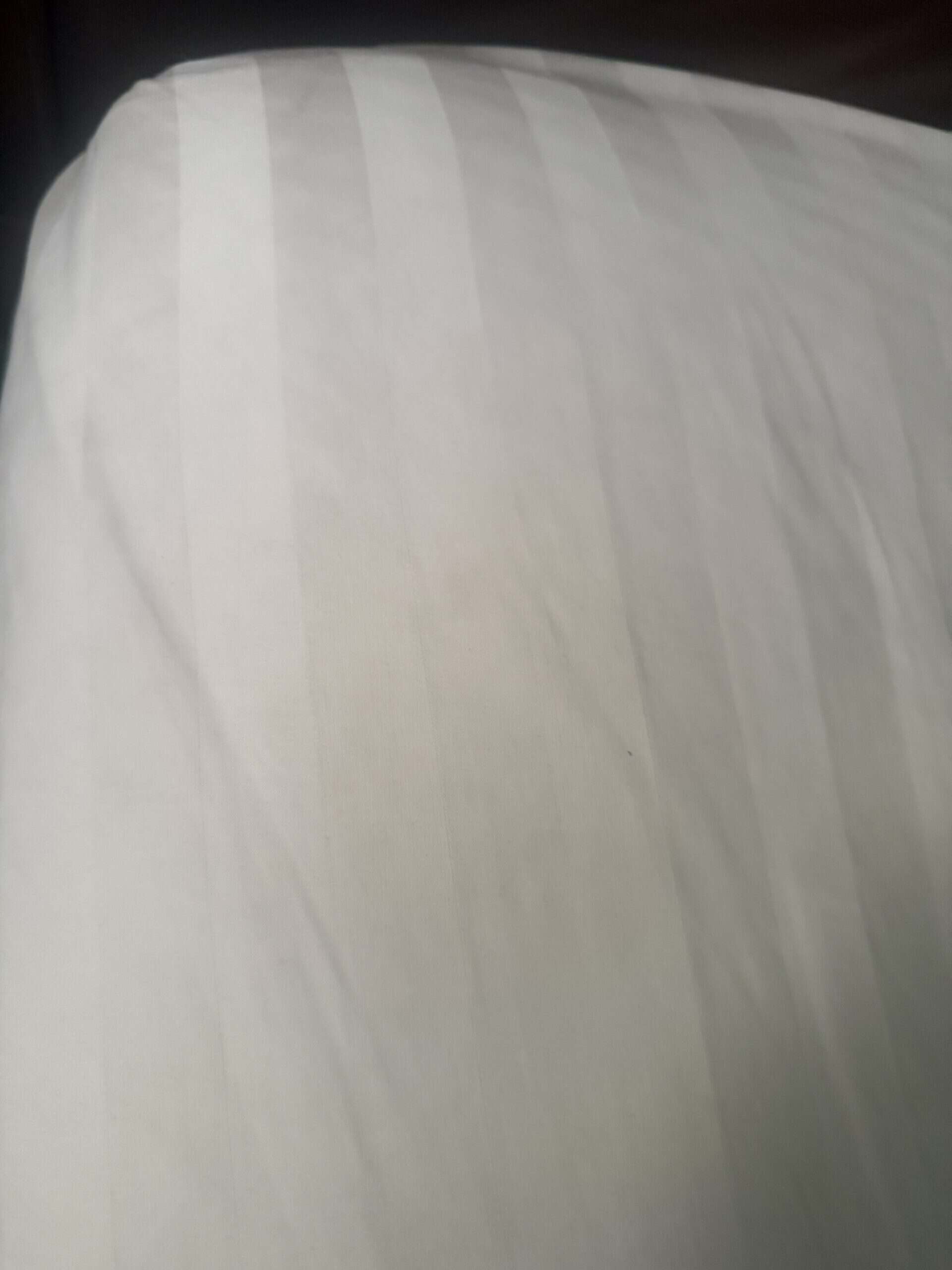
Most sheets last somewhere in the range of a couple of years with regular use and care, but the honest answer is that you replace them when they show wear rather than on a fixed schedule, whichever comes first. Signs like thinning fabric, worn-out elastic, or set-in stains are better guides than the calendar. Here is how I think about it with my own sheets, and what actually pushes a set into retirement.
Quick Answer
There is no fixed date. Many sheets last around two years or so with regular washing and rotation, but you replace them when they thin, the elastic wears out, or stains set in, whichever comes first. Wear is the real signal, not the calendar.
Key Takeaways
- Replace sheets on wear, not a fixed schedule.
- Thinning, worn elastic, and set-in stains are the signals.
- Rotating and washing gently extends their life.
- Higher-quality sheets often last longer.
- A couple of years is a rough ballpark, not a rule.
Related: fitted sheets that dont slip off.
Signs It Is Time to Replace Sheets
| Sign | What it means |
|---|---|
| Fabric thinning | Worn areas, less durable, feels rougher |
| Elastic worn out | Fitted sheet no longer grips the mattress |
| Set-in stains | Won’t wash out, sheet looks tired |
| Piling or roughness | Comfort has dropped off |
The most reliable way to know it is time is to look at the sheet itself rather than count the months. Fabric that has thinned, especially in the middle where you sleep, is a clear sign, since thin spots feel rougher and are close to giving out. Elastic that no longer holds a fitted sheet snugly on the mattress is another, and set-in stains that will not wash out are a third. Any of these means a set has reached the end of its useful life, regardless of how old it is. Wear, not age, is the real trigger. Keeping sheets smooth covers slowing that wear.
My Sheet Routine and When I Swap Them
I keep both cotton and satin sheets in rotation, and how I care for them is a big part of how long they last. I swap the set on the bed to be washed about every two weeks, and rotating between sets like that spreads the wear out so no single set takes all the use, which I do specifically to make them last longer. In practice, I find I retire a set roughly once every year and a half or so, though that is a loose estimate rather than a number I track, and it moves up quicker whenever a sheet stains, the elastic wears out, or the fabric starts to thin. Those signs, more than any date on a calendar, are what actually tell me it is time. The honest boundary here is that this is my own rhythm with my sheets and my laundry habits, in my home; how long yours last will depend on your fabrics, how often you wash, and how hard they get used. My experience is a real reference point, not a rule for everyone. Choosing sheets covers what affects durability.
What Makes Sheets Last Longer
A few habits genuinely stretch a set’s life. Rotating between two or more sets, the way I do, means each one is used and washed less often, so they wear more slowly. Washing gently, with a mild detergent on a normal or gentle cycle and avoiding excessive heat, is easier on the fibers and the elastic than harsh, hot washes. Not overloading the machine and drying on lower heat also help, since high heat wears out both fabric and elastic over time. None of this makes sheets last forever, but together these habits noticeably extend how long a set stays comfortable and intact before the wear signs show up. Gentle laundering covers gentle laundering.
Quality and Fabric Play a Role
Not all sheets wear at the same pace, and I notice this between my own sets. My satin sheets are better quality and hold up well, and one thing I appreciate is that they grip the mattress better than an older, thinner set does. My cotton sheets are comfortable and breathable, which I prefer in warmer weather, but a thinner set shows wear sooner. Better-made sheets, and certain fabrics, tend to last longer and stay comfortable further into their life, while budget or thin sheets reach the thinning-and-worn stage faster. So part of how often you replace sheets comes down to what you bought in the first place, since higher-quality sets often earn their keep by lasting longer. Sheet fabrics cover how materials differ.
Season Matters Too
Which sheets I reach for changes with the season, and that affects the rotation. My satin sheets are the better-quality, better-gripping set, but they are thicker, so I do not really like them in the summer when I want something cooler and lighter. In the warmer months I lean on the cotton sheets for their breathability, and the satin ones come back into heavier rotation when it cools down. Having sets suited to different seasons means each one gets a break for part of the year, which spreads the wear and helps them all last longer. It also means the sheets on the bed actually suit the weather, which is its own kind of comfort. Cooling sheets cover warm-weather options.
How Rotation Fits My Two-Week Rhythm
The two-week wash rhythm I keep is really the backbone of how long my sheets last. Every couple of weeks I strip the bed and put the current set in to wash, then rotate to another set, so no single set stays on the bed continuously taking all the wear and all the washing. Over a year that means each set spends a good chunk of time resting in the closet rather than being slept on and laundered, which is exactly what slows the thinning and keeps the elastic from giving out early. It also means I always have a clean set ready to go, which is its own small convenience. I am honest that I do not track any of this precisely, it is just a habit that has settled into my week, but the effect is real: spreading the use across sets is a big part of why a set lasts me as long as it does before the wear signs show up. If you only own one set, it takes all the wear at once, which is why I would suggest at least two to anyone who wants their sheets to last. Sheet fabrics cover how materials wear.
Recommended Reading
Worth reading next: choosing sheets, keeping sheets smooth, percale vs sateen, and cotton vs bamboo.
How Often Should You Replace Sheets FAQ
How often should you replace sheets?
There is no fixed date. Many sheets last around two years or so with regular washing and rotation, but you replace them when they thin, the elastic wears out, or stains set in, whichever comes first. Wear is the real signal rather than the calendar.
What are the signs sheets need replacing?
Fabric thinning, especially where you sleep; elastic that no longer grips a fitted sheet to the mattress; set-in stains that will not wash out; and general roughness or pilling that has killed the comfort. Any of these means a set has reached the end of its useful life.
Does rotating sheets make them last longer?
Yes. Rotating between two or more sets means each one is used and washed less often, so they wear more slowly. I swap my set to be washed about every two weeks and rotate between sets specifically to spread out the wear and make them last longer.
How can I extend the life of my sheets?
Rotate between sets, wash gently with mild detergent and avoid excessive heat, do not overload the machine, and dry on lower heat. Harsh, hot washes wear out fabric and elastic faster. These habits noticeably extend how long a set stays comfortable before wear shows.
Do more expensive sheets last longer?
Often, yes. Better-made sheets and certain fabrics tend to hold up longer and stay comfortable further into their life, while thin or budget sheets reach the thinning-and-worn stage sooner. Part of how often you replace sheets depends on the quality of what you bought in the first place.
Why does my fitted sheet keep slipping off?
Usually the elastic has worn out, which is one of the clearest signs a fitted sheet is near the end of its life. Worn elastic no longer grips the mattress corners. A thinner, older sheet also grips less well than a better-quality set. When the elastic goes, it is time to replace it.
Should I have more than one set of sheets?
It helps. Having a couple of sets lets you rotate them, which spreads the wear so each lasts longer, and it means you always have a clean set ready while another is washed. Sets suited to different seasons also let each one rest part of the year, extending their overall life.
Washing frequency and replacement are separate questions. How often sheets need washing covers the first.
Bedding sits on top of a larger decision. choosing a mattress covers what goes underneath.
Pilling is the usual reason sheets get retired. sheets that resist pilling covers fibre length and weave.
