
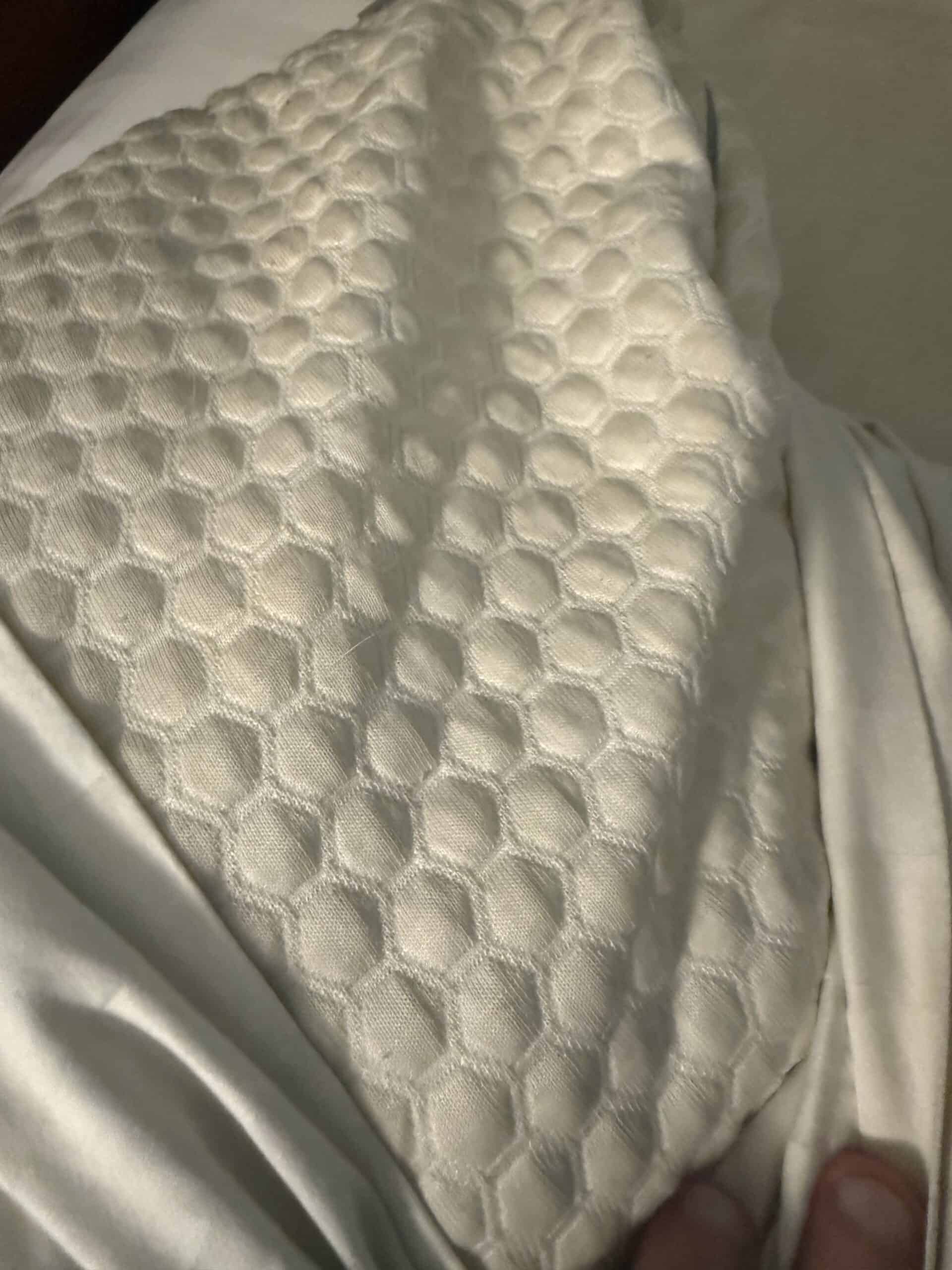
I have slept on my current gel-infused pillow for about a year, and it stays cool really well. The thing I did not expect is how much of the benefit comes from the side I am not using: it gets genuinely cold sitting there, so flipping resets the whole effect. That turned out to be the actual mechanic of owning one.
The best gel cooling pillows move heat away from your head faster than plain memory foam, which traps it. Gel appears in several forms though, from infused particles through solid pads to shredded blends, and they behave differently in practice. For the wider category, see our guide to cooling pillows for hot sleepers.
How We Picked These Gel Pillows
Quick Verdict
Gel-infused memory foam is the balanced default: it cools well and holds shape for side and back sleepers. Choose shredded gel fill if you want adjustable loft, a gel pad topper if you like your current pillow and only want the temperature fixed, and a ventilated design if your bedroom runs warm.
We prioritized how the gel is incorporated, since that determines both cooling behavior and feel. Infused foam, solid gel pads, and shredded blends produce noticeably different results from the same basic idea.
We then weighed support, because a cooling pillow that collapses is not a good pillow regardless of temperature. Sleep position drives this, and side sleepers need more loft than stomach sleepers.
Airflow was the third filter, since gel works better when the pillow can also shed heat to the room. Every pick is a widely available type; product descriptions stay research-voice and first-person notes reflect only my own pillow.
Gel-Infused Memory Foam Pillow
Why It Stands Out
Gel particles blended through the foam raise its heat conductivity so warmth moves away from the surface instead of pooling under your head. This is the construction most people mean by a gel cooling pillow, and it is what I sleep on.
It also keeps memory foam’s contouring, so you are not trading support for temperature.
Worth Knowing
Solid foam holds its loft, so it suits some sleep positions better than others. The cooling is still a surface effect that resets when you flip.
Best for side and back sleepers who want cooling plus contouring. Skip it if you prefer an adjustable-loft pillow.
Shredded Gel Memory Foam Pillow
Why It Stands Out
Shredded fill lets you add or remove foam to set your own loft, and the gaps between pieces allow more air movement than a solid block. That airflow is a second cooling mechanism working alongside the gel.
Adjustability is the main draw for anyone between standard pillow heights.
Worth Knowing
Shredded pillows need occasional fluffing and can shift overnight. Our guide to fluffing a pillow covers upkeep.
Best for people who want to tune loft. Skip it if you want a set-and-forget pillow.
Gel Pad Cooling Pillow
Why It Stands Out
A solid gel pad bonded to one face gives the strongest immediate cool-to-touch sensation, since you are contacting gel directly rather than foam containing gel. The effect on first lying down is the most pronounced in this category.
Many designs put the pad on one side only, leaving a standard surface on the other.
Worth Knowing
Solid pads can feel firm and slightly rubbery, and single-sided designs mean flipping loses the cooling entirely rather than refreshing it. It is the pick for maximum initial coolness.
Best for sleepers who want the strongest cool-touch feel. Skip it if you flip often or dislike firm surfaces.
Ventilated Gel Pillow
Why It Stands Out
Pillows combining gel with perforations or channels let air move through the foam as well as conducting heat sideways, which helps the unused side shed heat faster and cool down more thoroughly.
In a warm bedroom, that faster reset makes flipping more rewarding.
Worth Knowing
Ventilation channels can slightly reduce firmness. Our guide to what makes a pillow cooling covers the mechanisms.
Best for hot bedrooms and frequent flippers. Skip it if you want maximum firmness.
Gel Pillow for Side Sleepers
Why It Stands Out
Side sleeping puts the widest gap between head and mattress, so it needs more loft and firmer support than other positions. Gel pillows built specifically for side sleepers combine that higher loft with the cooling fill.
Getting the support right matters as much as the temperature if you sleep this way.
Worth Knowing
Higher loft suits side sleeping specifically and can be too much for stomach sleepers. Our guide to pillows for side sleepers covers loft in detail.
Best for side sleepers who run hot. Skip it if you sleep on your stomach.
Budget Gel Cooling Pillow
Why It Stands Out
Gel infusion is now common at lower prices, so trying the category no longer requires a premium purchase. For finding out whether cooling meaningfully changes your sleep, an affordable option answers the question.
Since pillows are replaced periodically anyway, spending less per cycle is a reasonable strategy.
Worth Knowing
Budget foam may lose support sooner, and cooling can fade faster as fill degrades. Our guide to signs your pillow needs replacing covers when to swap.
Best for trying gel cooling affordably. Skip it if you want maximum longevity.
Gel Cooling Pillows at a Glance
| Type | Cooling strength | Loft | Best for |
|---|---|---|---|
| Gel-infused foam | Strong, sustained | Fixed | All-round cooling and support |
| Shredded gel fill | Strong, airflow-aided | Adjustable | Tuning loft |
| Gel pad | Strongest on contact | Fixed | Cool-touch feel |
| Ventilated gel | Strong, fast reset | Fixed | Warm bedrooms |
| Side sleeper gel | Strong | High | Side sleeping |
| Budget gel | Moderate | Varies | Trying the category |
A Year on Gel-Infused Foam
The Cooling Holds Up
Mine has been in use about a year and it stays cool really well. I replace pillows roughly every two years, so it is about halfway through its intended life, and the cooling has not noticeably declined. Against a plain foam pillow that turns warm and stays warm, the difference is obvious rather than marginal.
Flipping Is the Real Mechanic
What I did not anticipate is how central flipping would be. The side I am not sleeping on gets really cold, so I flip it all the time to bring that cold surface back into contact. The pillow is not one permanently cool surface; it is two surfaces you alternate between.
Understood that way, it works exactly as intended. If you expect the surface under your head to stay cold indefinitely, you will think it stopped working when the cold side is right there.
The Honest Downside Is the Frequency
Having to flip as often as I do is a little annoying. That is the genuine cost of the category and I would rather name it than pretend otherwise. If being prompted to move by a warming pillow would disturb your sleep, weigh that before buying.
For me it is clearly worth it, but it is a tradeoff rather than a free benefit. Our guide to whether cooling pillows actually work covers this in more depth.
Support Was Not the Compromise I Expected
I sleep on my side and I have mild neck and back discomfort, so I expected to trade support for temperature. It actually supports pretty well, and I have not found myself choosing between comfortable and cool. That is one pillow and one sleeper, so treat it as a data point rather than a rule.
What to Look For in a Gel Pillow
How the Gel Is Incorporated
Infused foam spreads the effect through the whole pillow, solid pads concentrate it on one face, and shredded blends add airflow alongside conduction. Infused is the most balanced; pads give the strongest initial touch.
Loft for Your Sleep Position
Side sleepers need the most loft, back sleepers moderate, stomach sleepers the least. A cooling pillow at the wrong height causes neck strain regardless of temperature. Our guide to choosing by sleep position covers this.
Whether Both Sides Cool
Since flipping is how you sustain the effect, single-sided gel pad designs work against the actual usage pattern. Double-sided or fully infused pillows reward flipping; one-sided ones punish it.
Airflow and Cover
Breathable covers help the pillow shed heat to the room, which is what makes the unused side cold. A dense cover works against the fill. Our guides to cooling pillowcases and setting up a cooling sleep environment cover the surrounding layers.
Gel vs Other Cooling Approaches
Where Gel Wins
Gel is the most widely available and generally the most affordable cooling approach, and infused versions keep memory foam’s contouring while addressing its main weakness. For most hot sleepers it is the proportionate answer.
Where Other Approaches Win
Latex and buckwheat sleep cooler than untreated foam through structure rather than additives, and powered systems hold a temperature without flipping. Our guides to latex pillows and bed cooling systems cover those alternatives.
How Long Gel Pillows Last
Gel-infused foam has a service life much like any foam pillow, and a couple of years is a common replacement interval. The gel itself does not degrade or leak out under normal use, since the particles are bound within the foam structure rather than sitting as a separate layer.
What declines is the foam. As it compresses, it loses the loft that supports your head and the internal space that helps spread heat, so cooling and support tend to fade together rather than separately. A pillow that has gone flat and started sleeping hot is usually telling you the same thing twice.
Solid gel pads can be the exception, since a bonded layer can separate or crack with heavy folding. Checking the pad for splitting is worth doing if a pad-style pillow suddenly stops feeling cool.
Common Mistakes
Expecting Permanent Cold
The sleeping surface warms up. Flipping is the intended behavior, not a workaround.
Buying Single-Sided Gel if You Flip
A pad on one face means flipping loses the cooling. Match construction to how you actually sleep.
Ignoring Loft
A cool pillow at the wrong height still causes neck strain. Match loft to your sleep position first.
Covering It With Dense Bedding
A thick pillowcase insulates the fill and slows the cooling. Breathable covers help the pillow work.
Recommended Reading
- Cooling pillows for hot sleepers
- Do cooling pillows actually work
- What makes a pillow cooling
- Memory foam pillows
- Pillows for side sleepers
- cooling pillows that hold their loft
Related: does my gel pillow go flat.
Related: need a different pillow in summer.
Frequently Asked Questions
Do gel cooling pillows really work?
Yes, in the sense that they conduct heat away from your head faster than plain memory foam. Mine has stayed cool really well over about a year. The cooling is a surface effect though, so the side you sleep on warms while the unused side stays cold, and flipping is how you keep a cool surface in contact.
What is the difference between gel-infused and a gel pad pillow?
Gel-infused means gel particles are blended through the foam so the whole pillow conducts heat better. A gel pad is a solid layer bonded to one face, giving a stronger cool-to-touch sensation but usually only on that side. Infused pillows reward flipping; single-sided pads do not.
How long do gel cooling pillows last?
Similar to other foam pillows, with a couple of years being a reasonable replacement interval. Mine is around a year old with no noticeable loss of cooling. Cooling performance typically declines alongside support as the fill breaks down rather than independently of it.
Are gel pillows good for side sleepers?
They can be, provided the loft is right, since side sleeping needs more height than other positions to keep the neck aligned. I sleep on my side and mine supports pretty well. Cooling and support are separate specifications, so check loft for your position rather than assuming a cooling pillow suits you.
Do you have to flip a gel pillow?
In practice yes, and often. The surface under your head absorbs body heat while the unused side sheds heat to the room, so flipping brings the cold side back. I flip mine all the time, and the frequency is the main annoyance of the category rather than a sign anything is wrong.
Do gel pillows feel hard?
Gel-infused foam feels much like standard memory foam, since the gel is dispersed rather than forming a layer. Solid gel pads can feel firmer and slightly rubbery against the skin. If softness matters, infused or shredded constructions are generally the more comfortable choice.
Gel conducts heat away until it reaches your body temperature, then stops. Working with that rather than against it covers the practical side.
