
For the foundational guidance behind these picks, see the comprehensive bedroom-cooling methodology.
The best lightweight blankets keep you comfortable on warm nights without the weight or heat of a heavy comforter, using breathable materials and a thin, soft build rather than any special cooling technology. A good lightweight blanket is not the same as a cooling blanket: it simply adds a light, soft layer that does not trap heat, which is often all you want in summer. Choosing one comes down to material, how breathable it is, and whether you value a silky feel or a plush-soft one. This guide walks through the styles that work for warm-weather sleep, from airy cotton gauze to soft everyday throws. See how it compares in cooling blanket vs lightweight blanket.
Quick Verdict
For hot climates, breathable natural fibers like cotton, muslin, linen, and bamboo make the coolest lightweight blankets, while a soft plush blanket wins on pure softness for milder warm nights. None of these actively cool you the way a cooling blanket does; they just stay light and airy. Pick by whether you prioritize breathability or a cozy-soft feel.
Why Trust This Guide
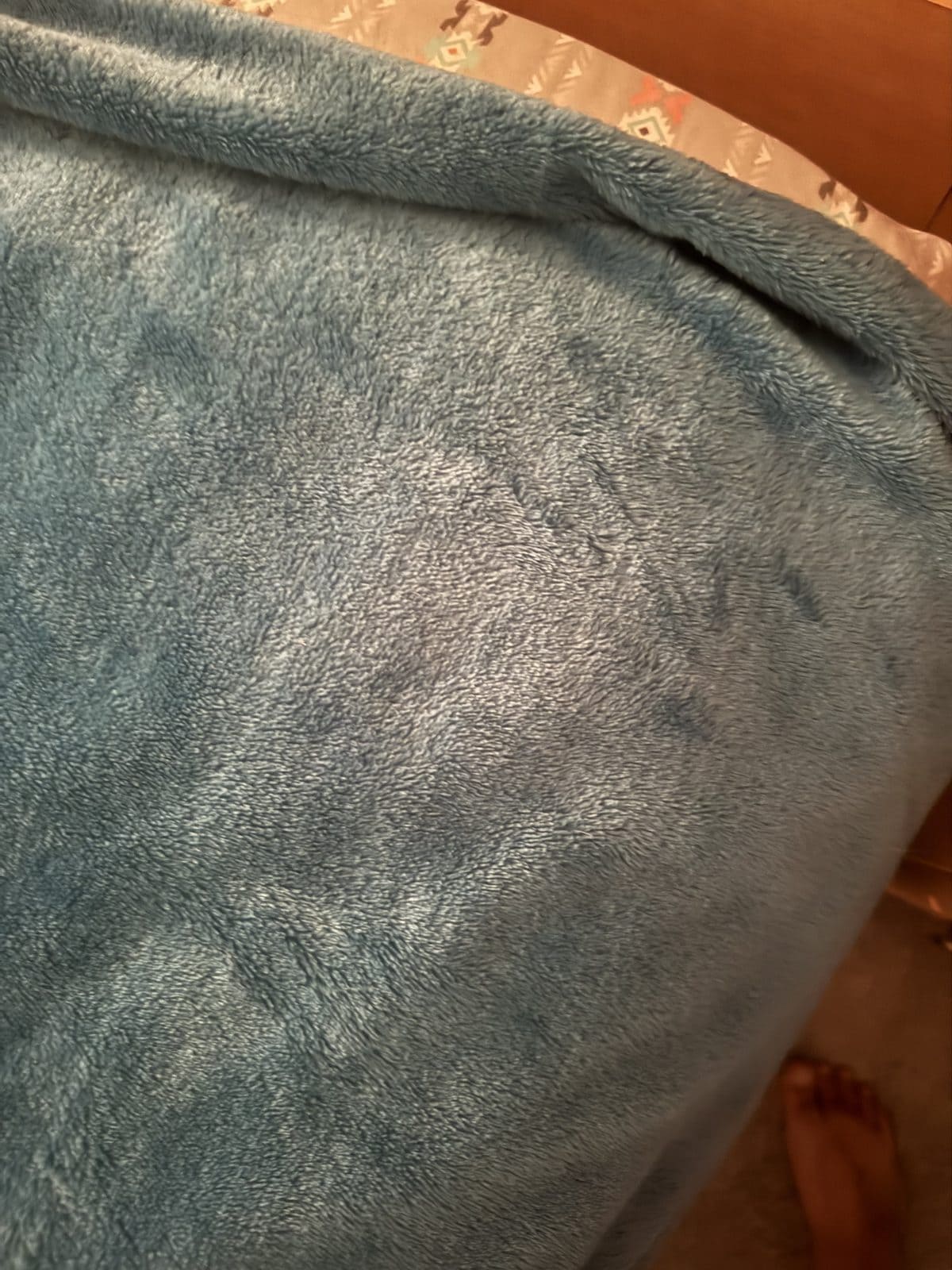
Independent picks, reader-supported through affiliate links at no cost to you. I use a lightweight but extremely soft teal blue blanket through Arizona summers, and I like it precisely because it is soft and light rather than a cooling blanket. My experience is with my own blanket; the other picks are research-based, chosen for real warm-weather value.
Key Takeaways
- budget cooling picks
- A lightweight blanket adds a soft, thin layer without trapping heat.
- It is not a cooling blanket; it has no active cooling technology.
- Breathable natural fibers stay coolest for hot sleepers.
- Plush-soft blankets prioritize feel over maximum breathability.
- Match the material to whether you want airy or cozy.
How We Picked These Lightweight Blankets
We grouped picks by material and feel, since those decide how cool, soft, and breathable a lightweight blanket is, then weighed washability and how well each holds up over time. The goal is a light layer that keeps you comfortable without overheating. The honest point worth making up front: lightweight and cooling are not the same thing. A thin plush blanket can feel wonderfully soft yet still hold some warmth, while a breathable cotton or linen weave stays cooler but less plush. Knowing that trade-off is what helps you pick the right one, rather than expecting any lightweight blanket to actively cool you.
Lightweight Cotton Blanket
Why It Stands Out
A lightweight cotton blanket is the breathable, washable everyday choice, letting air move through so heat does not build up. Cotton is easy to care for, widely available, and neutral enough to layer with any bedding.
Worth Knowing
Cotton wrinkles and quality varies, so a tighter, better weave feels nicer and lasts longer. It is machine washable and only gets softer with use, which keeps the long-term cost low. Look for a thin weave rather than a dense one for warm nights.
This suits the person who wants a simple, breathable, no-fuss blanket for warm-weather sleep or year-round layering. Someone who runs a little warm and wants an easy-care option gets the most from it. Skip a basic cotton blanket if you want a silky or ultra-plush feel, where bamboo or a soft plush blanket does better.
Muslin or Cotton Gauze Blanket
Why It Stands Out
A muslin or cotton gauze blanket is one of the airiest options, made of loosely woven layers that let heat escape freely. These blankets are prized for hot-weather sleep and tend to get softer with every wash.
Worth Knowing
The open weave means less warmth, which is the point in summer but too little in winter. Gauze can snag, so gentle washing helps. Many are sold in multiple layers, so more layers add a touch more substance without much heat.
This is for the hot sleeper who wants maximum breathability and a relaxed, lived-in texture. Someone in a hot, humid climate who overheats easily benefits most. Skip muslin if you want warmth or a dense, structured blanket, since its whole appeal is how airy and thin it is.
Bamboo Viscose Blanket
Why It Stands Out
A bamboo viscose blanket has a smooth, silky hand-feel and good breathability, draping lightly and wicking moisture better than many fabrics. It combines a luxurious feel with warm-weather comfort.
Worth Knowing
Bamboo viscose can require gentler washing to keep its softness, and quality ranges widely. It is naturally breathable but is not a cooling blanket with active technology. The silky surface feels cool to the touch, which many people love in summer.
This suits the person who wants a soft, silky, breathable blanket and does not mind a little extra care. Someone who likes a smooth, draping feel over a fuzzy one will prefer it. Skip bamboo if you want a rugged, toss-in-any-wash blanket or a plush fuzzy texture, where cotton or plush styles fit better.
Waffle-Weave Blanket
Why It Stands Out
A waffle-weave blanket uses a textured, grid-like weave full of small air pockets, so it feels substantial while staying light and breathable. The texture adds visual interest and traps just enough air to feel cozy without heavy warmth.
Worth Knowing
The weave can catch on rough edges, and it offers moderate rather than maximum breathability. Cotton waffle weaves are washable and durable. It bridges the gap between an airy summer blanket and a slightly warmer transitional one.
This is for the person who wants a bit of texture and a versatile blanket that works across seasons, not just peak summer. Someone furnishing a bedroom for spring and fall as well as summer gets good range from it. Skip a waffle weave if you want the absolute coolest, thinnest option, where muslin or gauze wins.
Lightweight Linen Blanket
Why It Stands Out
A lightweight linen blanket offers excellent breathability and a natural, relaxed drape, making it a standout for hot climates. Linen moves air well and has a matte, effortless look that works with casual and refined bedding alike.
Worth Knowing
Linen wrinkles by nature and quality linen costs more, but it softens beautifully over time and is very durable. It is one of the coolest natural fibers, adding almost no warmth. The textured feel is different from soft plush, which suits some people and not others.
This suits the person in a hot region who wants a breathable, natural-fiber blanket that lasts for years. Someone who values a cool, breezy layer over a fuzzy one gets real value. Skip linen if you dislike a wrinkled look or want a soft, plush hand-feel, where a plush or bamboo blanket is a better match.
Soft Plush Lightweight Blanket
Why It Stands Out
A soft plush lightweight blanket prioritizes a cozy, extra-soft feel while staying thin enough to avoid overheating. For people who want that gentle, pettable softness in a light layer, this is the pick, and it is the style I use myself.
Worth Knowing
Plush fabrics hold a little more warmth than airy weaves, so choose a genuinely thin one for hot nights, and note they are less breathable than natural-fiber options. The one I use is a lightweight but extremely soft teal blue blanket I keep for Arizona summers. It is not a cooling blanket; I simply like that it is soft and light enough not to overheat me. Wash plush blankets gently to keep the pile soft.
This is for the person who values softness above all and wants a light, cozy layer rather than maximum breathability. Someone who likes a plush feel but hates heavy blankets in summer gets exactly that. Skip a plush blanket if you are a very hot sleeper who needs the airiest possible weave, where muslin, linen, or cotton serve better.
Lightweight Blankets at a Glance
| Style | Breathability | Feel | Best for |
|---|---|---|---|
| Cotton | High | Crisp, soft | Everyday warm nights |
| Muslin/gauze | Highest | Airy, relaxed | Hot, humid sleep |
| Bamboo viscose | High | Silky, smooth | Soft-and-cool feel |
| Waffle-weave | Moderate | Textured | Transitional seasons |
| Linen | Highest | Natural, matte | Hot climates |
| Soft plush | Lower | Cozy, very soft | Softness over airflow |
How to Choose a Lightweight Blanket
Decide between breathable and plush
This is the core choice. Natural fibers like cotton, muslin, and linen stay coolest, while plush blankets feel softest but hold a little more heat. Pick based on whether you want airflow or a cozy hand-feel.
Match the material to your climate
In a hot, humid place, favor the airiest weaves like muslin and linen. In a milder climate or an air-conditioned room, a soft plush or bamboo blanket is comfortable without overheating you.
Check the weight and weave
Lightweight is about both thickness and weave. A thin, open weave breathes best, while a denser one adds warmth. If summer comfort is the goal, err toward the thinnest option that still feels substantial enough.
Consider care and durability
Cotton, linen, and waffle weaves are usually easy to machine wash, while bamboo and plush may need gentler care to keep their feel. Match the upkeep to how often you will wash it.
Lightweight Blanket vs Cooling Blanket
When a lightweight blanket is enough
If you mainly want a soft, thin layer that does not trap heat, a lightweight blanket in a breathable fabric is often all you need, and it costs less than a cooling blanket. Many people sleep comfortably in summer with nothing more than an airy cotton or linen layer.
When to choose a cooling blanket instead
If you actively overheat or sweat at night, a cooling blanket uses materials engineered to draw heat away, which a plain lightweight blanket does not do. For serious hot sleepers, that active cooling can be worth it, so match the tool to how hot you actually sleep.
Common Lightweight Blanket Mistakes to Avoid
Assuming soft means cool
A plush blanket can feel wonderfully soft yet still hold heat. If staying cool is the priority, choose a breathable weave rather than the fuzziest option.
Expecting it to actively cool you
A lightweight blanket avoids trapping heat, but it does not draw heat away like a cooling blanket. If you need active cooling, that is a different product.
Buying too heavy for summer
Some blankets labeled lightweight are still fairly dense. Check the weave and thickness, and lean thinner if warm-weather comfort is the goal.
Ignoring wash care
Bamboo and plush blankets can lose their feel with harsh washing. Follow the care label so the blanket stays soft and breathable over time.
Recommended Reading
- cooling blankets, if you want active cooling rather than just a light layer.
- layering bedding for every season, to build the right warm-weather setup.
- cooling comforters for hot sleepers, for the comforter layer.
- throw blankets, for a casual, versatile option.
- breathable waffle weave layers
- making a bedroom dark
Lightweight Blanket FAQ
What is the best material for a lightweight summer blanket?
Breathable natural fibers like cotton, muslin, and linen are best for staying cool, since they let air move and do not trap heat. Bamboo viscose is a good silky-soft option, while plush blankets feel softest but breathe less.
Is a lightweight blanket the same as a cooling blanket?
No. A lightweight blanket is simply thin and breathable so it does not trap heat, while a cooling blanket uses materials engineered to actively draw heat away. Both suit warm nights, but only a cooling blanket has active cooling technology.
Can you use a lightweight blanket in winter?
You can, as a layer. A lightweight blanket adds little warmth on its own, so in winter it works best combined with a comforter or heavier blanket rather than used alone. In summer it can be your only cover.
Are plush blankets good for hot sleepers?
Plush blankets feel very soft but hold more heat than airy weaves, so they are better for mild warm nights or air-conditioned rooms than for very hot sleepers. If you overheat, a breathable cotton, muslin, or linen blanket is a cooler choice.
How do I keep a lightweight blanket soft?
Follow the care label, wash gently, and avoid high heat, which can damage fibers and pile. Cotton and linen actually soften with washing, while bamboo and plush need gentler handling to keep their feel.
What weight should a lightweight blanket be?
There is no fixed number; lightweight is about a thin build and breathable weave rather than a set weight. For summer, choose the thinnest option that still feels substantial enough to be comfortable, favoring an open weave.
Will a lightweight blanket keep me cool in the heat?
It helps by not adding heat, and breathable fabrics let sweat and warmth escape, but it will not actively cool you. In extreme heat, pair a breathable lightweight blanket with a fan or air conditioning, or consider a cooling blanket.
Keep reading: how to improve sleep quality naturally, the best swaddle blankets.
Getting the bed ready is part of the routine rather than separate from it. A repeatable evening sequence covers the whole arc.
