
Waking up stiff and sore points at the surface you sleep on long before it points at your back. The best mattress toppers for back pain change the feel and support of the bed you already own, adding pressure relief where your hips and shoulders dig in and firming up a surface that has gone too soft. For most sleepers a dense, supportive memory-foam topper like the ViscoSoft Select is the sensible starting point, because it cushions pressure points while still holding the spine reasonably level. A topper is a comfort and support tool, not a medical fix, and the right feel depends on your body and sleep position, so it helps to understand how to choose the right mattress topper before you buy.
Quick Verdict
The ViscoSoft Select High Density topper is the safest all-round pick: dense enough to support the spine, plush enough to ease pressure points, and priced well below the premium names. Choose by feel and sleep position rather than price. Side sleepers want more cushioning at the hips and shoulders, back and stomach sleepers want firmer support, and hot sleepers should prioritize a cooling cover or latex.
Why Trust This Guide
Selections draw on product research, manufacturer specs, and the clinical sources cited below. First-person notes appear only where the gear was genuinely used. I am a side sleeper with mild back and neck pain, I sleep on a memory-foam mattress, and pick two is the cooling topper I have used over it for years.
Key Takeaways
- A topper changes the feel of your existing mattress; it adds support and pressure relief but does not replace a worn-out or unsupportive bed.
- For chronic low back pain, evidence leans toward medium-firm over very firm support, not the old assumption that firmer is always better.
- Match the feel to your position. Side sleepers need cushioning at hips and shoulders, back and stomach sleepers need firmer support to keep the spine level.
- Hot sleepers should favor a cooling cover, gel-infused foam, or breathable latex, since heat buildup wrecks sleep on its own.
- A topper is a comfort tool. Persistent or severe back pain, or pain with numbness or weakness, calls for a doctor, not a different topper.
This guide is informational and not a substitute for medical advice. Back pain has many causes, and a mattress topper addresses comfort and support rather than any underlying condition, so anyone with persistent, severe, or worsening pain should see a healthcare professional.
Disclosure: RestRight is reader-supported. As an Amazon Associate, we earn from qualifying purchases made through links on this page, at no extra cost to you.
Medical Disclaimer
This is general information about bedding and consumer products, not medical advice. Bedding can affect comfort and it does not treat pain conditions, and persistent pain warrants assessment by a doctor or physical therapist rather than a purchase.
What Back Pain Needs From a Mattress Topper
The goal is a neutral spine: support firm enough that your midsection does not sag, with enough give that your shoulders and hips are not propped up on a hard surface. A randomized controlled trial published in The Lancet found that medium-firm mattresses produced better outcomes for chronic non-specific low back pain than firm mattresses across pain-in-bed, pain-on-rising, and disability measures.1 That direction matters because the common instinct is to go as firm as possible, when a balanced, medium-firm feel tends to serve a sore back better. Easing pressure on the hips and shoulders also reduces the discomfort that fragments sleep, consistent with how non-painful sensory input can dampen pain signaling at the spinal cord.2
Every pick here had to support the spine without sagging, relieve pressure at the contact points, manage heat well enough for a full night, and come from a maker whose topper is current and widely sold. One pick is the cooling topper I use at home, so it carries my own notes and a button pointing to the same style rather than a guessed brand.
1. ViscoSoft Select High Density Memory Foam Topper: Best Overall
Most sore backs do well with a topper that cradles without swallowing you, and the ViscoSoft Select hits that balance. The gel-infused memory foam conforms evenly to the body while the high-density base keeps you from bottoming out, which is the combination a painful back actually wants.
Why It Stands Out
It cushions the shoulders and hips enough to ease pressure points, yet stays supportive enough to keep the spine fairly level, a balance that suits side sleepers especially well. Corner straps hold it in place, the breathable cover helps with heat, and it costs noticeably less than the premium names while performing close to them. For a first topper, it is the low-risk choice.
Worth Knowing
It has a true memory-foam feel, so you sink in slowly rather than bouncing on top, which combination and stomach sleepers may find a touch soft. Give new foam a day to air out and expand fully before judging it.
Buy it for a side sleeper or anyone who wants balanced support and pressure relief in one topper. Skip it if you dislike the slow-sink memory-foam feel and prefer something springy.
2. The Cooling Topper I Use: What I Use
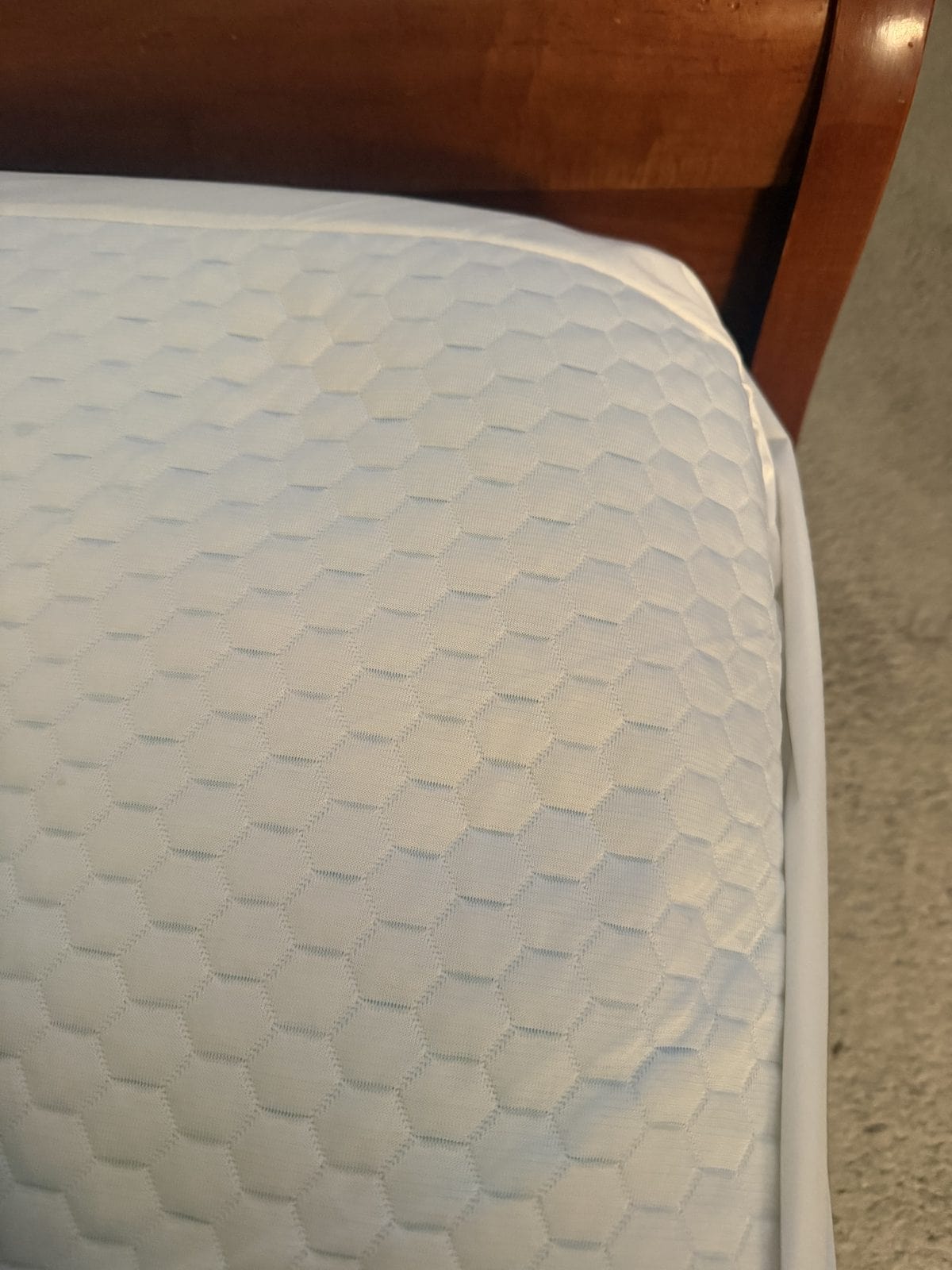
Pick two is the topper on my own bed. I am a side sleeper with mild back and neck pain, I sleep on a memory-foam mattress, and over it sits a cooling topper with a quilted, breathable cover that I have used for years. The thing works well for me: it keeps the surface from getting hot, takes the edge off pressure on my hip and shoulder, and I wake up comfortable rather than sore.
Why It Stands Out
I run warm, and a cooling topper over memory foam stops the surface heat that used to wake me, which is half the reason I sleep through now. It adds a soft, even layer that eases the pressure a side sleeper puts on the hip and shoulder without letting my back sag, and after years of nightly use it has held its loft and not packed down. For me it has kept my mild back and neck pain from flaring, though I treat it as comfort rather than a cure, and I still pay attention to position the way our guide on sleep positions for back pain describes.
Worth Knowing
A cooling, plush topper softens the bed, so a heavier sleeper or a strict stomach sleeper may want something firmer underneath for support. Mine carries no legible brand, so I have not named it; the button points to the same cooling, quilted-cover, gel-style topper. If heat is your main complaint, the wider roundup of toppers for hot sleepers is worth a look.
Reach for a cooling topper like this if you sleep warm and want gentle pressure relief, especially as a side sleeper. Pass if your bed is already too soft and you need to firm it up instead.
3. Tempur-Pedic TEMPUR-Adapt Topper: Best Premium
When you want the genuine Tempur-Pedic feel without buying a whole new bed, this is the topper that delivers it. A thick layer of TEMPUR material brings the slow, deep contour the brand is known for, cradling pressure points with a luxurious sink.
Why It Stands Out
The dense, slow-moving foam eases pressure off the shoulders, back, and hips while still supporting the body, which suits sleepers who want maximum cushioning for chronic soreness. Corner straps keep it anchored, a long manufacturer warranty backs the build, and an optional cooling cover addresses heat for those who run warm.
Worth Knowing
It is the priciest pick here, sales are typically final, and it softens the bed noticeably, so it is built to add plushness rather than firmness. Strict stomach sleepers and those needing a firmer surface should look elsewhere.
Choose it for a classic deep-contour memory-foam feel and the willingness to pay for it. Skip it if you want firmer support or a responsive surface.
4. Sleep On Latex Pure Green Natural Latex Topper: Best for Firmer, Cooler Support
Sleepers who hate the sinking feeling of memory foam, or who run hot, often do better on latex. The Pure Green natural latex topper is responsive and breathable, firming up a soft mattress while sleeping cooler than foam.
Why It Stands Out
Latex is naturally dense and springy, so it supports the spine and resists sagging without the slow sink of memory foam, which back and stomach sleepers tend to prefer. It comes in firmness options to dial in the feel, and the breathable material sheds heat far better than dense foam, a real plus for hot sleepers. The material choice mirrors the trade-offs in our memory foam versus latex comparison.
Worth Knowing
Latex carries more weight than foam and has a distinct bouncy feel that takes adjustment. It also costs more than budget foam toppers, though the durability tends to justify it.
Get it to firm up a too-soft bed or to sleep cooler with responsive support. Pass if you specifically want the deep, body-hugging contour of memory foam.
5. Linenspa Gel Memory Foam Topper: Best Budget
Not every back needs a premium overhaul, and the Linenspa proves it. This gel-infused memory-foam topper adds a layer of cushioning and mild cooling at a price that makes trying a topper an easy decision.
Why It Stands Out
It softens a too-firm surface and takes the edge off pressure points for a fraction of the cost of the premium picks, which makes it a sensible first test or a spare-room upgrade. The gel infusion helps it sleep a little cooler than plain foam, and the thinner profile suits sleepers who want a gentle change rather than a dramatic one.
Worth Knowing
A thinner, budget topper offers less support correction than a dense premium one, so a heavier sleeper may compress it. New foam needs a day to expand and air out before it feels right.
Pick it to soften a firm bed cheaply or to test whether a topper helps at all. Move up if you need stronger support or a thicker layer.
6. Lucid Gel Memory Foam Topper: Best for Side Sleepers
Side sleepers carry their weight on a narrow strip of hip and shoulder, so they need extra give exactly there. The Lucid gel topper comes in plusher, thicker profiles built to cushion those points while keeping the spine from dropping.
Why It Stands Out
The thicker plush options sink in enough to cradle a shoulder and hip, which is what keeps a side sleeper’s spine level instead of bowed. Gel infusion takes some of the heat out of the foam, and the price stays reasonable for the cushioning you get. Pair it with a knee pillow for side sleepers to keep the hips stacked and the lower back neutral.
Worth Knowing
That side-sleeper plushness reads as too soft for strict stomach sleepers, who need firmer support. As with any thick foam, expect a slow contour and a day of off-gassing at first.
Choose it for a side sleeper who needs pressure relief at the hips and shoulders. Skip it if you sleep on your stomach or want a firm, responsive feel.
Mattress Toppers for Back Pain at a Glance
| Topper | Material | Feel | Best for | Cooling | Price band |
|---|---|---|---|---|---|
| ViscoSoft Select High Density | Gel memory foam | Medium | Most sleepers, side sleepers | Breathable cover | $80–$160 |
| Cooling topper (what I use) | Cooling gel foam | Medium-soft | Hot sleepers, side sleepers | Cooling cover | $60–$140 |
| Tempur-Pedic TEMPUR-Adapt | TEMPUR memory foam | Soft, deep contour | Premium plush, pressure relief | Optional cover | $200–$400 |
| Sleep On Latex Pure Green | Natural latex | Firm, responsive | Back/stomach, hot sleepers | Breathable latex | $120–$250 |
| Linenspa Gel Memory Foam | Gel memory foam | Medium, thin | Budget, light softening | Gel infusion | $30–$70 |
| Lucid Gel Memory Foam | Gel memory foam | Plush, thick options | Side sleepers | Gel infusion | $40–$120 |
Prices and thicknesses shift with size and sales, so read the bands as a guide. For a sore back, feel and support matter far more than the brand on the cover.
How to Choose a Mattress Topper for Back Pain
Four things decide the right topper: your sleep position, your weight, your mattress’s current state, and whether you sleep hot. Work through them in order and the choice narrows fast.
Start with your sleep position
Side sleepers need more cushioning at the hips and shoulders to keep the spine level, which points to a plusher foam topper. Back and stomach sleepers need firmer support so the midsection does not sag, which points to a denser foam or latex. Buying against your position is the fastest way to wake up sorer, not better; our notes on sleeping with lower back pain go deeper.
Match firmness to your weight and your bed
Heavier sleepers compress foam more, so they need denser, firmer toppers to avoid bottoming out, while lighter sleepers can enjoy a plusher feel. A topper also works with what is underneath: it can soften a too-firm bed or firm up a sagging one, but it cannot rescue a truly worn-out mattress, which is a job for a new mattress for back pain. Whether a new mattress needs one at all is its own question, covered in toppers on a new mattress.
Aim for medium-firm, not maximum firm
The instinct to buy the firmest option works against many sore backs, since a balanced medium-firm surface keeps the spine neutral better than a board-hard one.1 Think of the topper as fine-tuning the bed toward that middle ground rather than chasing extremes, a theme our firm versus soft mattress guide unpacks.
Plan for heat and upkeep
Dense memory foam traps heat, so a hot sleeper should favor a cooling cover, gel infusion, or breathable latex, the same logic behind a cooling mattress pad. Check that the topper has straps or grip to stay put, and that the cover comes off for washing, since a topper you cannot clean ages fast.
Mattress Topper vs Mattress Pad
The two terms get mixed up, but they do different jobs, and back pain usually wants one over the other. Our full topper versus pad comparison covers it in detail.
When a topper is the answer
A topper is thick, usually two inches or more, and meaningfully changes how firm or soft the bed feels. For back pain, that thickness is the point, because it is what adds support correction and real pressure relief.
When a pad is enough
A pad is thin and mostly about protection, light cushioning, or cooling rather than reshaping the bed’s support. If your mattress already feels right and you only want a cleaner, cooler surface, a pad does the job without changing the firmness you like.
Common Mattress Topper Mistakes to Avoid
A few predictable missteps turn a promising topper into a returned one. Each is easy to sidestep.
Buying the firmest option by default
Maximum firmness is not the same as maximum support, and a board-hard surface can leave the lower back unsupported as the hips and shoulders fail to settle. Aim for balanced, medium-firm support instead.
Expecting a topper to fix a dead mattress
A topper tunes the surface, but it cannot fix a mattress that sags in the middle or has lost its support. If your bed is visibly worn, a topper only delays the real repair.
Ignoring sleep position
The same topper that cradles a side sleeper can leave a stomach sleeper’s hips sinking and aching. Choose for how you actually sleep, not for what sounds the most cushioned.
Treating soreness as only a gear problem
A topper helps comfort, but ongoing back pain can have causes a bed cannot touch. If pain persists despite a supportive setup, it is worth reading why you wake up with lower back pain and talking with a professional.
When to See a Doctor
A topper can make a sore back more comfortable, but it does not diagnose or treat anything. See a healthcare professional if your back pain is severe, persistent, or getting worse, if it followed an injury, or if it comes with numbness, tingling, weakness, or pain that radiates down a leg. Pain that wakes you regularly or that has not improved with a supportive sleep setup also deserves a proper evaluation rather than another product, and a clinician can address causes that no mattress topper can reach.
Recommended Reading
- whether a topper fixes a sagging mattress
- topper or new mattress
- how long a topper holds up
- Best mattress toppers for side sleepers
- Best mattress toppers under 100
- Best lumbar support pillows
- Best cervical pillows for neck pain
- choosing a mattress
Frequently Asked Questions
Can a mattress topper really help with back pain?
It can help with the comfort and support side of it. A topper that keeps your spine neutral and eases pressure on the hips and shoulders often makes a sore back more comfortable, and a balanced, medium-firm feel tends to serve chronic low back pain better than a very firm one.1 It is a comfort tool, not a treatment, so it works best alongside good sleep habits and, when needed, professional care.
What firmness is best for back pain?
Aim for medium-firm rather than the firmest option you can find. The surface should keep your midsection from sagging while still letting your shoulders and hips settle in, which keeps the spine level. Side sleepers usually want a touch more give, back and stomach sleepers a touch more firmness.
Memory foam or latex for a bad back?
Both can work. Memory foam contours closely and excels at pressure relief, which suits side sleepers and those who like a deep hug. Latex is firmer, springier, and cooler, which suits back and stomach sleepers and hot sleepers who dislike sinking in.
How thick should a topper be for back pain?
For meaningful support change, a couple of inches is a sensible minimum, with thicker plush options for side sleepers needing more cushioning. Heavier sleepers generally benefit from thicker, denser toppers so they do not compress through to the mattress.
Will a topper fix a sagging mattress?
Not really. A topper can refine the feel of a sound mattress, but it cannot restore support to a bed that sags or has broken down inside. If your mattress is visibly worn, a topper is a short-term patch rather than a fix.
How long does a mattress topper last?
A quality topper tends to last a few years with good care, longer for dense foam or latex and less for thin budget foam. When it stops springing back or develops a permanent dent, it has lost the support that helps your back, which is the signal to replace it.
Do cooling toppers actually help you sleep?
For hot sleepers, yes, because surface heat is a common reason people wake up at night. A cooling cover, gel-infused foam, or breathable latex keeps the surface from trapping heat, which can mean fewer wakeups even if it does nothing for pain directly.
When should I see a doctor about my back pain?
See a professional if your pain is severe, persistent, or worsening, if it follows an injury, or if it comes with numbness, weakness, or pain radiating down a leg. A topper addresses comfort, not medical causes, so anything beyond ordinary stiffness deserves a proper evaluation.
Related Reading
Explore more: mattress toppers for back sleepers, mattress toppers for hip pain, and mattresses for back sleepers with back pain.
Recommended Reading
See also our guides to mattress toppers for back sleepers, mattress toppers for hip pain, and how to fall back asleep after waking up.
Sources
- Kovacs FM, Abraira V, Peña A, et al. Effect of firmness of mattress on chronic non-specific low-back pain: randomised, double-blind, controlled, multicentre trial. Lancet. 2003;362(9396):1599-1604. View source (Medium-firm mattresses produced better outcomes for chronic non-specific low-back pain than firm mattresses; the study reported improvement, not cure, and used spring mattresses.)
- Melzack R, Wall PD. Pain mechanisms: a new theory. Science. 1965;150(3699):971-979. View source (Gate control theory: non-painful sensory input can reduce the transmission of pain signals at the spinal cord level, the principle behind pressure-relief and counter-stimulation approaches.)
Related guides: choosing mattress toppers for shoulder pain.
