
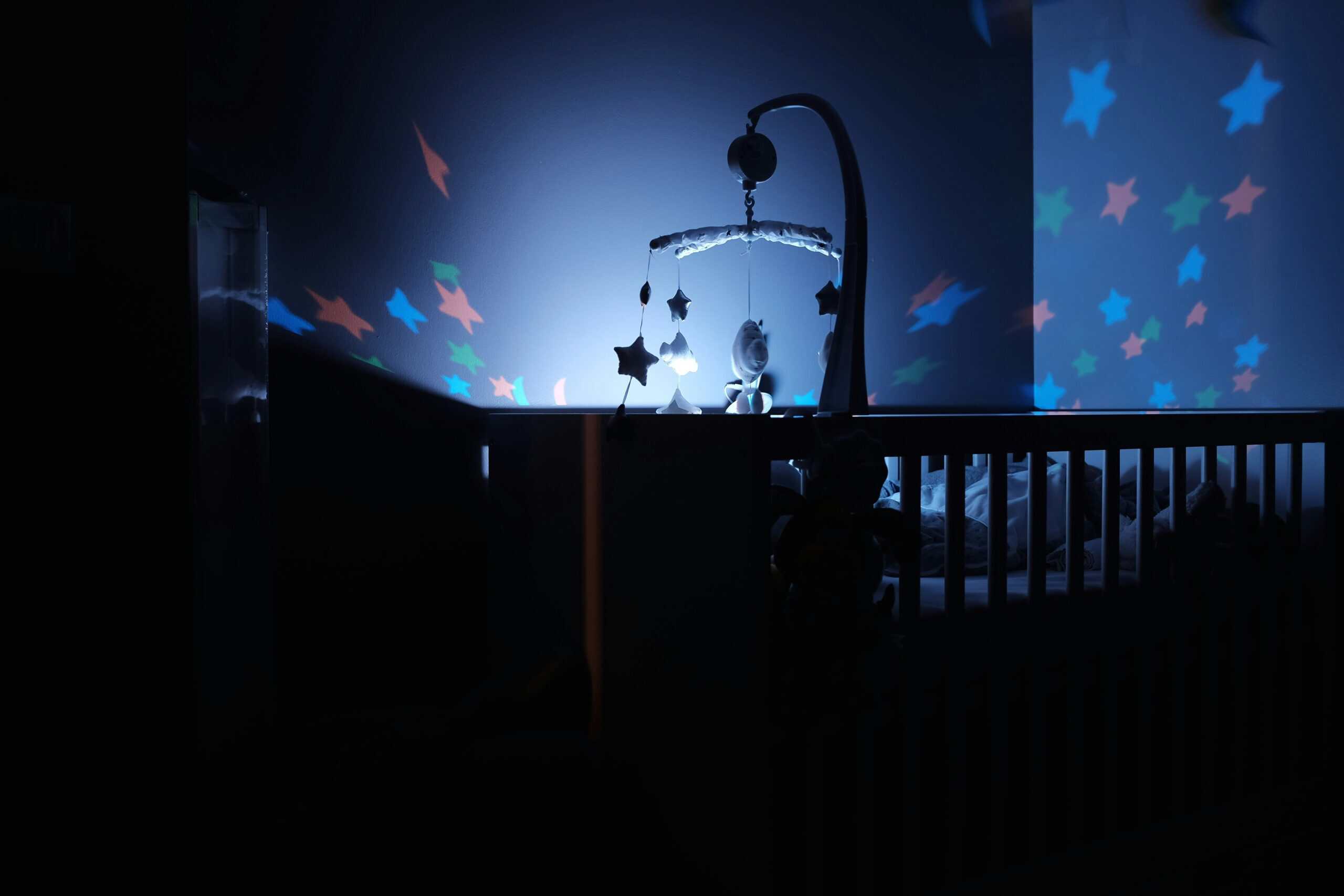
The best star projectors for sleep cast soft stars and nebula clouds across the ceiling to create a calming, dim atmosphere, ideally with warm colors and a timer so the room goes dark once you drift off. A star projector is ambiance rather than a sleep aid, but the gentle, slow-moving light can help adults and children relax at bedtime when used on low, warm settings. It fits a wind-down routine alongside a darker sleep setup with blackout curtains for the deeper part of the night. Here are the star projector styles worth knowing and how to use them for sleep.
Quick Verdict
Choose a star projector with warm, dim settings, a timer, and the kind of display you like, whether soft LED nebula clouds or sharp laser stars. Use it low and warm to wind down, and let the timer shut it off so the room darkens for sleep. Treat it as calming ambiance, not a light to sleep under all night, and skip bright, fast, color-shifting modes at bedtime.
Why Trust This Guide
Independent picks, reader-supported through affiliate links at no cost to you. Selections focus on warm, dimmable displays and timers that suit sleep, with an honest view of star projectors as ambiance rather than a sleep cure. Recommendations are based on real use, not marketing.
Key Takeaways
- Star projectors set a calming mood, best used dim and warm.
- LED projectors give soft nebula clouds; lasers give sharp stars.
- A timer lets the room go dark after you fall asleep.
- They are ambiance, not a sleep aid, so avoid bright moving light in bed.
- Match the display and features to who is using it.
How We Picked These Star Projectors
We weighed display type, brightness and color control, and features like timers, since those decide whether a projector helps or hinders sleep. The honest reasoning: a slow, dim, warm display can be soothing at bedtime, but bright, fast, color-shifting light works against sleep, so the best sleep projectors are the ones you can turn down and set to warm tones with a timer. LED nebula projectors and laser star projectors each create a different look, and the right one depends on taste and who is using it. Picks below cover the main types.
LED Nebula Projector
Why It Stands Out
An LED nebula projector fills the ceiling with soft, drifting clouds of color layered with stars, creating an immersive galaxy effect that many find deeply relaxing. The diffuse, gentle light suits a calming bedroom mood.
Worth Knowing
The colorful nebula is beautiful but can be bright, so use dim and warmer settings for sleep and let a timer turn it off. Brands like Sky Lite popularized this style.
This is for the person who wants an immersive, dreamy galaxy on the ceiling to unwind under. Someone setting a relaxing scene before sleep benefits most. Skip a nebula projector if you want crisp, realistic stars, where a laser or planetarium model fits better.
Check Price on AmazonLaser Star Projector
Why It Stands Out
A laser star projector scatters crisp, pinpoint stars across the room and ceiling, giving a sharp, sparkling effect that a diffuse LED cannot match. The clean points of light create a striking night-sky look.
Worth Knowing
Laser dots can be bright and are best kept dim and static for sleep rather than fast-moving. As with any laser product, avoid pointing it at eyes.
This suits the person who wants sharp, sparkling stars over soft clouds. Someone who prefers a defined starfield benefits most. Skip a laser model if you find the pinpoint dots too stimulating and prefer a gentle, cloudy glow.
Check Price on AmazonKids’ Star Projector
Why It Stands Out
A kids’ star projector uses soft, gentle displays and often a timer to comfort children at bedtime, easing fear of the dark with a friendly night sky. Many include calming colors and simple controls.
Worth Knowing
Keep it dim and warm and use the timer so it does not run bright all night, which could disrupt a child’s sleep. Some double as a night light on a low setting.
This is for parents soothing a child to sleep with a calming ceiling display. Someone easing a child’s bedtime benefits most. Skip a kids’ model for an adult bedroom, where a nebula or laser projector offers a more refined effect.
Check Price on AmazonStar Projector With Sound
Why It Stands Out
A star projector with built-in white noise or a Bluetooth speaker combines calming light and sound in one device, layering soothing audio over the night-sky display. The two-in-one approach suits a full wind-down setup.
Worth Knowing
Sound quality varies, and you should keep both light and volume low for sleep. A timer that fades light and sound together is ideal.
This suits the person who wants light and calming sound from one device. Someone who already uses white noise benefits from the combination. Skip the speaker if you have a sound machine you like and only want the light.
Check Price on AmazonRealistic Planetarium Projector
Why It Stands Out
A realistic planetarium projector displays accurate, detailed star fields and constellations, appealing to those who want a true night sky rather than an abstract glow. Brands like Pococo focus on this realistic, disc-based approach.
Worth Knowing
These cost more and are more about a realistic display than a colorful mood, and the image is often static rather than drifting. For sleep, a dim, still starfield is calming.
This is for the astronomy-minded person who wants an accurate, high-quality night sky. Someone who values realism over colorful effects benefits most. Skip a planetarium model if you want a colorful, immersive nebula on a budget, where an LED projector fits better.
Check Price on AmazonPortable Rechargeable Star Projector
Why It Stands Out
A portable rechargeable star projector runs on a battery and packs small, letting you use it anywhere or take it traveling. The cord-free design suits flexible placement and trips.
Worth Knowing
Battery life and brightness are usually more modest than plug-in units, so it is best for occasional or travel use. Recharge it between sessions.
This suits the person who travels or wants to move the projector between rooms. Someone who needs it away from outlets benefits. Skip a portable model if you want the brightest, most immersive fixed display, where a plug-in projector is better.
Check Price on AmazonStar Projectors at a Glance
| Type | Display | Best for |
|---|---|---|
| LED nebula | Soft clouds and stars | Immersive galaxy mood |
| Laser star | Sharp pinpoint stars | Crisp starfield look |
| Kids’ projector | Gentle, timed | Children’s comfort |
| With sound | Light plus audio | Combined wind-down |
| Planetarium | Realistic constellations | Astronomy fans |
| Portable | Battery, compact | Travel, flexibility |
How to Choose a Star Projector for Sleep
Prioritize dim, warm settings
For sleep, you want to turn the display down and lean warm. Choose a projector with genuine brightness control and warmer color options rather than only bright, vivid modes.
Look for a timer
A timer is the key sleep feature, letting the projector run while you fall asleep and shut off so the room goes dark. Without one, you may sleep under moving light all night.
Pick your display style
Decide between soft LED nebula clouds, sharp laser stars, or a realistic planetarium field. The right one is a matter of taste and how stimulating you find each.
Match features to the user
A child may want a gentle timed display, an adult may want a refined nebula or realistic sky, and a traveler may want portability. Fit the features to who is using it.
Setting Up a Star Projector for Sleep
A few setup choices make the difference between a projector that soothes and one that keeps you up. Position it so the display falls across the ceiling above the bed rather than at eye level, and pick a spot where the stars or nebula spread evenly. Turn the brightness down to a low, comfortable level and choose warmer colors and a slow or static display for bedtime, saving the bright, fast, color-shifting modes for other times. Set the timer so the projector runs while you fall asleep and then shuts off, leaving the room dark for the deeper part of the night. If it has sound, keep the volume low and let it fade with the light. Treated as a calming backdrop rather than a nightlong show, a star projector becomes a relaxing part of your wind-down.
LED vs Laser Star Projector
When LED wins
An LED nebula projector gives a soft, immersive, cloudy glow that many find more relaxing and less harsh for sleep. If you want a dreamy, diffuse galaxy, LED is the gentler choice.
When laser wins
A laser projector produces crisp, realistic pinpoint stars that look sharper and more like a real starfield. If you prefer defined stars over colored clouds, laser delivers, as long as you keep it dim and static for sleep.
Common Star Projector Mistakes to Avoid
Running it bright all night
Bright, moving light disrupts sleep. Use a timer so the projector shuts off after you drift off and the room goes dark.
Using fast, colorful modes at bedtime
Rapid color changes and motion stimulate rather than soothe. Choose slow, dim, warm settings for winding down.
Expecting it to make you sleep
A star projector sets a calming mood but is not a sleep treatment. Combine it with darkness, a cool room, and good habits for actual sleep.
Pointing lasers carelessly
With laser models, avoid aiming the beams at anyone’s eyes. Position the projector to cast onto the ceiling and walls safely.
Recommended Reading
- night lights for sleep, for dim overnight light.
- sunset lamps, for warm evening ambiance.
- aromatherapy diffusers, to complete a wind-down setup.
- blackout curtains, to darken the room for deep sleep.
Star Projector for Sleep FAQ
Do star projectors help you sleep?
They help by creating a calming atmosphere for winding down, especially on dim, warm settings, but they are ambiance rather than a sleep aid. Use a timer so the room goes dark after you fall asleep, since sleeping under bright moving light is not ideal.
Are star projectors good for adults or just kids?
Both. Kids’ models focus on gentle comfort, while nebula, laser, and planetarium projectors offer more refined displays that adults enjoy. Choose the display style and features that suit you.
Should I leave a star projector on all night?
It is better to use a timer so it turns off after you fall asleep, leaving the room dark for the deeper part of the night. Running bright, moving light all night can disrupt sleep, so let it shut off once you are down.
Which is better, LED or laser star projectors?
It depends on taste. LED nebula projectors give soft, immersive clouds many find relaxing, while laser projectors produce sharp, realistic stars. For a gentle sleep mood, LED is often softer, but keep either dim and warm.
Are laser star projectors safe?
They are safe when used as directed, cast onto ceilings and walls, but you should avoid pointing the laser beams at anyone’s eyes. Position the projector so the display falls overhead rather than at face level.
How do I set up a star projector for the best sleep effect?
Aim it at the ceiling above the bed, turn the brightness low, choose warm colors and a slow or static display, and set the timer to shut it off after you fall asleep. Keeping it dim, warm, and time-limited turns it into calming ambiance rather than disruptive overnight light.
Do star projectors work on any ceiling?
They work best on a plain, light-colored ceiling, which reflects the stars and clouds most clearly. Textured, dark, or cluttered ceilings can dull the effect, so aim for the flattest, lightest surface available for the best display.
What features matter most for sleep?
A timer, adjustable brightness, and warm color options matter most, since they let you wind down under a dim, warm display that then shuts off. Those features separate a sleep-friendly projector from a purely decorative one.
More in this guide: how to choose sleep aids.
