
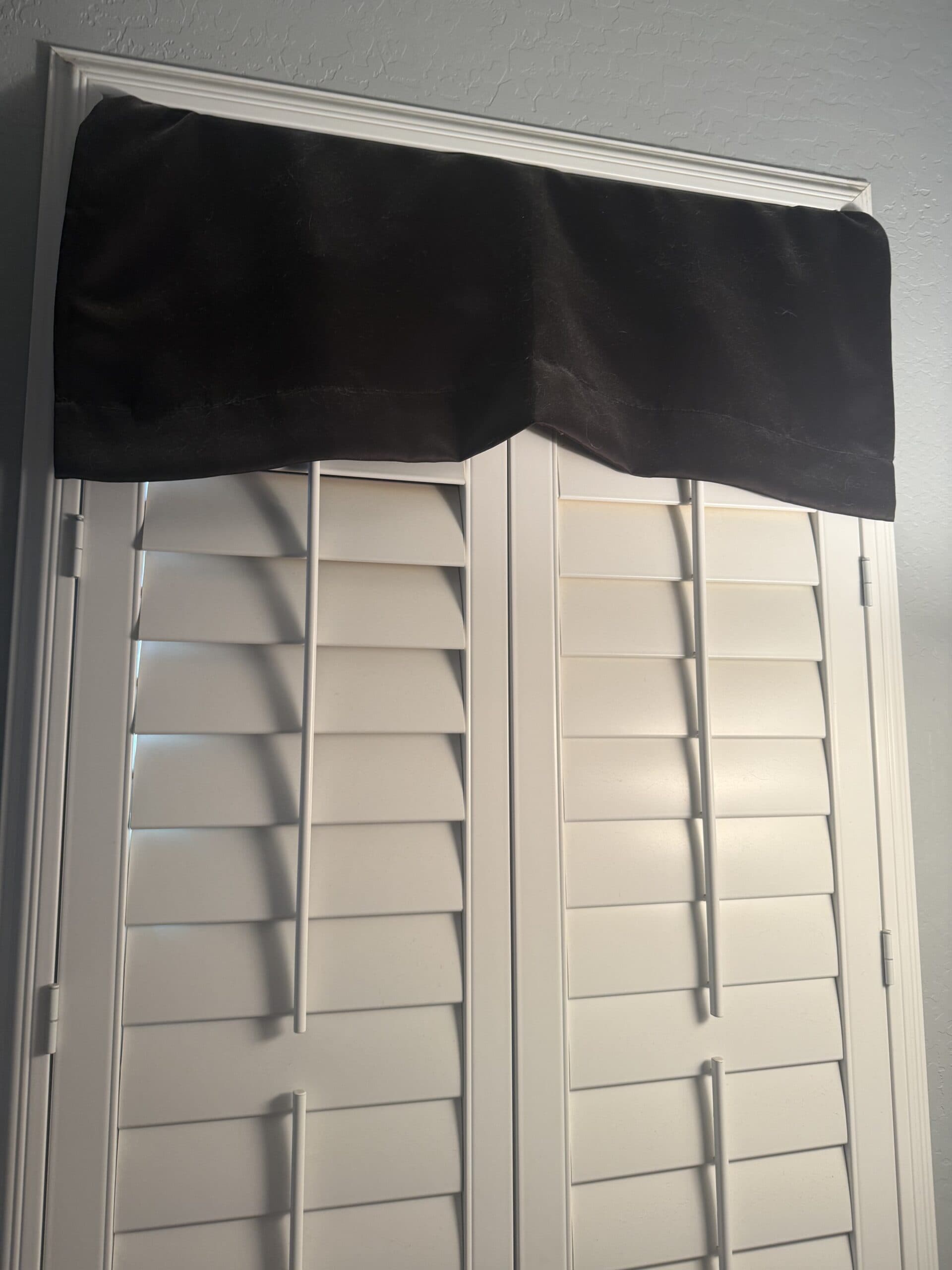
Shutters and blackout curtains do different jobs, and owning one does not make the other redundant. Shutters block heat by stopping sunlight before it fully enters the room, and they leak light around the slats and at the frame. Blackout curtains block light and add a second thermal layer.
For sleep specifically, shutters alone rarely produce darkness. Slats are angled rather than sealed, and the gaps between them and around the frame let enough light through to matter at dawn.
Quick Answer
Add curtains if you want genuine darkness, because shutters alone do not deliver it. In hot climates, running both blocks more heat than either alone. If your only concern is temperature and you already have solid shutters, curtains add less.
Key Points
- Shutters block heat well and rarely block light completely
- Slat gaps and frame edges are where light enters
- Layering both traps air between them, which slows heat transfer
- Blackout curtains alone still let heat through the glass
- Glare during the day is a separate problem from darkness at night
- Interior shutters block less heat than exterior ones
What Each One Does
| Function | Shutters | Blackout curtains | Both together |
|---|---|---|---|
| Blocking light | Partial | Excellent | Excellent |
| Blocking heat | Good | Moderate | Best |
| Reducing glare | Good, adjustable | All or nothing | Adjustable |
| Daytime privacy | Good | Good | Good |
| Sound damping | Minimal | Slight | Slight |
| Cost to add | High | Low | Low if shutters exist |
Why Shutters Leak Light
Slats overlap when closed rather than sealing, and the small gaps between them let a line of light through each one. In a dark room those lines are visible.
The frame is the bigger gap. Shutters sit inside or over a window opening with clearance to swing, and that clearance runs the full perimeter.
How much this matters depends on what is outside. A streetlight or an east-facing window produces enough light through those gaps to wake a light sleeper, while a north-facing window onto a dark garden may not.
What I Have
The shutters were already there when I moved in. The blackout curtains came later, specifically to help with summers.
I run both at once. Shutters closed with the blackout curtains covering them, because the goal is blocking heat rather than only light.
At night the room is very dark with both. The only real leak is one window, and that produces glare during the day rather than affecting the room at night.
I think the shutters are doing the heat work rather than the curtains. I have shutters in the living room with no blackout curtains on those windows, and that room stays consistently cooler than it would otherwise, which is the closest thing to a controlled comparison I have.
My experience covers interior shutters and added blackout curtains in a dry hot climate. It does not cover exterior shutters, which block considerably more heat, or humid climates where the thermal maths differs.
Layering Blocks More Heat
Two layers with air between them slow heat transfer more than either layer alone. That trapped air is doing part of the work, which is the same principle behind double glazing.
Order matters slightly. Shutters closest to the glass intercept sunlight first, and the curtain then handles what gets past and adds the second barrier.
In a hot climate that combination is worth having even when darkness is not the goal, since afternoon sun loading a bedroom means it starts the night warm. The wider approach sits in keeping a bedroom cool in summer.
Interior Against Exterior Shutters
Exterior shutters
Stop sunlight before it reaches the glass, which is far more effective for heat. Sun blocked outside never becomes heat inside.
Interior shutters
Sunlight has already passed through the glass and become heat in the room. Interior shutters reduce how much reaches you and cannot undo that.
Why it matters for curtains
With exterior shutters, curtains add mostly darkness. With interior shutters, curtains add a meaningful second thermal layer as well.
What most homes have
Interior shutters are far more common in the United States, which means the layering argument applies to most people asking this question.
Testing What Your Shutters Actually Block
Rather than reasoning about it, the answer is available in a few minutes.
Close the shutters on a bright day and stand in the room with the door shut for a minute or two, letting your eyes adjust. Whatever light you can still see is what a curtain would remove.
Note where it comes from. Lines between slats mean the slats are the issue, and a glow around the perimeter means the frame gap is, and those have different fixes.
For heat, the comparison is between rooms rather than within one. A room with shutters against a similar room without, checked in the afternoon, tells you what they are doing thermally better than any specification.
Glare Is a Separate Problem
Daytime glare and nighttime darkness are different requirements and one solution rarely covers both.
Shutters handle glare well because slats angle. You can cut direct sun while keeping some daylight, which curtains cannot do since they are open or closed.
A window producing glare during the day may cause no problem at night, which means the fix belongs on the shutter side rather than adding more fabric.
Where glare persists through closed slats, the issue is usually the angle of the sun rather than the shutters, and window film addresses it without darkening the room. Options sit in blackout curtains for sleep.
When Curtains Are Not Worth Adding
If your shutters are solid panel rather than slatted, they block light far better and the case for curtains weakens considerably.
If the room faces away from morning sun and there is no external lighting, existing gaps may not produce enough light to matter.
If heat is your only concern and the shutters are exterior, curtains add little. Interior shutters change that answer.
And if you already sleep well, this is a solution looking for a problem. The comparison between window treatments sits in blackout curtains against blinds.
Getting Full Darkness With Both
Light enters at the edges more than through the middle of anything. A curtain rod extending well past the window frame on both sides removes the side gaps that remain when a curtain hangs inside the recess.
Height matters too. A curtain mounted close to the ceiling and reaching past the sill blocks the top and bottom leaks that a window-sized panel leaves.
For renters, mounting without drilling limits how far a rod can extend, covered in no-drill blackout curtain rods.
Where full darkness is not achievable, a sleep mask handles the remainder for a fraction of the cost, compared in sleep mask against blackout curtains.
Worth Adding Against Not
Worth adding if your shutters are slatted, you want genuine darkness for sleep, or you live somewhere hot with interior shutters where the second thermal layer earns its place.
Not worth adding if your shutters are solid panels, your room is already dark enough to sleep well, or your only concern is heat and the shutters are mounted outside the glass.
Related Reading
- comparing window treatments
- the heat question
- panels worth hanging
- mounting without drilling
- the cheaper alternative
- the wider cooling setup
Frequently Asked Questions
Do shutters block light as well as blackout curtains?
No. Slats overlap rather than seal, so light comes through the gaps between them and around the frame. Solid panel shutters do considerably better than slatted ones.
Is it worth having both?
In hot climates, yes. Two layers with air between them block more heat than either alone, and the curtain supplies the darkness that shutters leave incomplete.
Do shutters help with heat?
Yes, particularly exterior ones which stop sunlight before it reaches the glass. Interior shutters help less because the sunlight has already entered and become heat in the room.
Which order should they go in?
Shutters closest to the glass, curtains over them. That way the shutters intercept sunlight first and the curtain handles what gets past while adding a second barrier.
Will curtains over shutters cause condensation?
It can in humid climates and cold weather, where trapped air against cold glass allows moisture to collect. Opening both during the day lets the window dry.
What about glare during the day?
Shutters handle that better than curtains because the slats angle, so you can cut direct sun while keeping daylight. Curtains are open or closed with nothing in between.
Do I need curtains if my room is already dark?
Probably not for sleep. The remaining argument is thermal, and that only applies meaningfully with interior shutters in a hot climate.
Window treatments affect temperature as well as light. keeping a bedroom cool covers the wider setup.
Recommended Reading
See our note on making a bedroom dark.
