
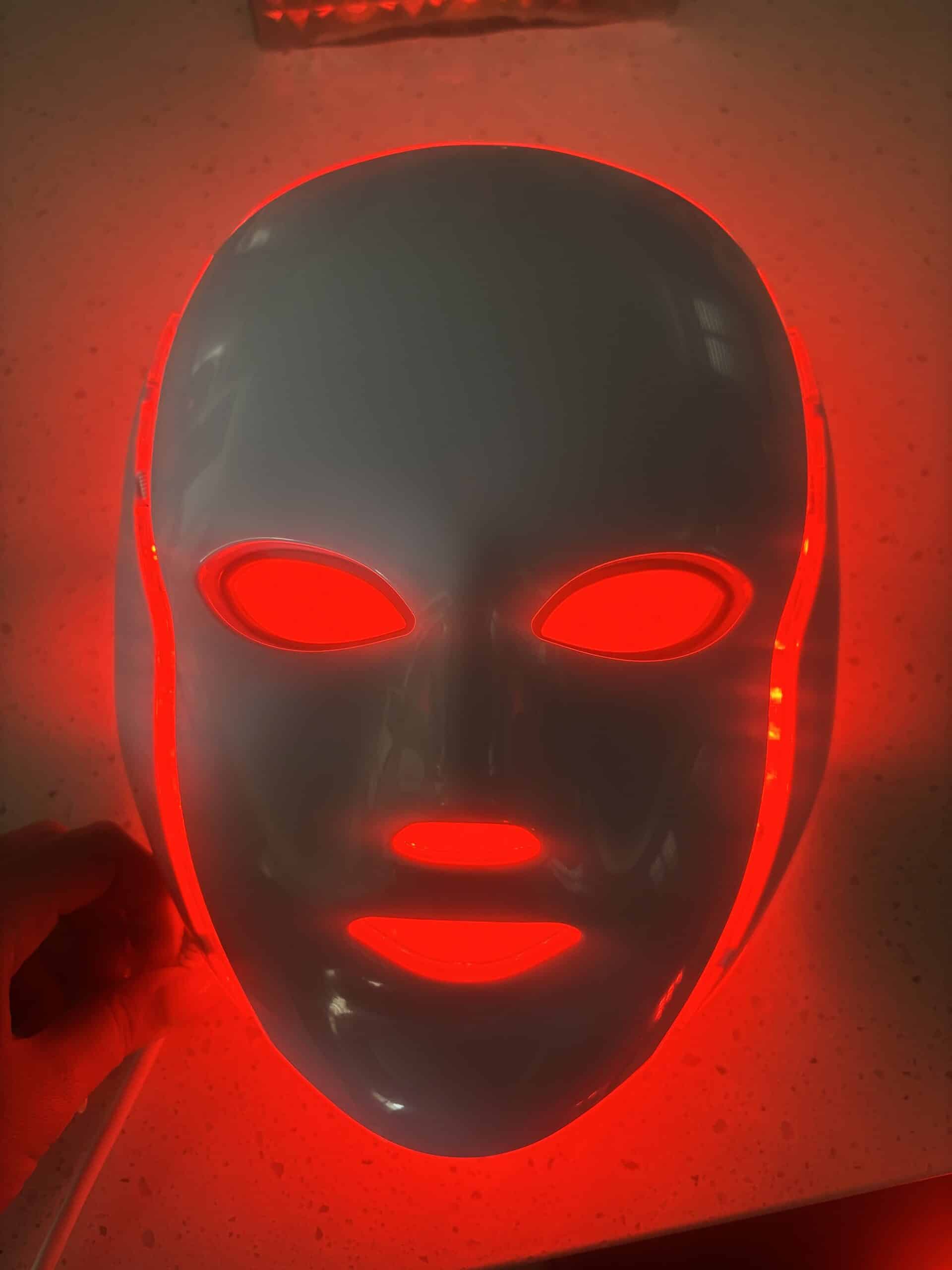
Red light is the gentlest wavelength on melatonin and is widely recommended as the best color for nighttime lighting, so it can support a sleep-friendly bedroom, but direct evidence that red light actively improves sleep is limited, and total darkness remains best for melatonin. So does red light help you sleep? Indirectly, by being far less disruptive than blue or white light. Here is what the research supports, framed as a bedroom essential, with picks in our guide to red light bulbs for evening wind-down.
A Quick Note
This article is general information, not medical advice. If you have ongoing sleep problems or a suspected sleep disorder, talk with a qualified healthcare provider for personalized guidance.
Quick Answer
Red light does not sedate you, but it is the wavelength least likely to suppress melatonin or shift your circadian rhythm, which is why sleep experts recommend dim red for night lights. That makes it a smart evening lighting choice. Direct proof that red light therapy improves sleep is limited, though, and darkness is still best for melatonin, so treat red as a gentle helper, not a sleep cure.
Key Takeaways
- Red light is the gentlest wavelength on melatonin.
- Experts recommend dim red for nighttime lighting.
- Direct evidence that red light improves sleep is limited.
- Total darkness is still best for melatonin.
- Use red as a gentle evening helper, not a sleep cure.
The Short Answer
Red light helps sleep mainly by not hurting it. Light exposure at night is the strongest environmental cue that can suppress melatonin, the hormone that signals your body to wind down, and different colors of light do this to very different degrees. Red light, at the far end of the visible spectrum, has the least effect on melatonin and your circadian rhythm, which is why it is the recommended color when you need some light at night. So rather than actively making you sleepy, red light supports sleep by letting your natural melatonin rise continue with minimal interference, unlike the blue and white light that surrounds most of us in the evening.
Why Red Light Is Gentle on Melatonin
The science here is well established. The light receptors in your eyes that govern your circadian rhythm are especially sensitive to blue light, so blue and bright white light strongly suppress melatonin and can convince your body it is still daytime. Red light sits at the opposite end of the spectrum and has the least power to do this. Both Harvard Health and the Sleep Foundation recommend dim red lights over other colors for nighttime use, precisely because long red wavelengths are least likely to shift your circadian rhythm or blunt melatonin. This is the core, evidence-backed reason red light belongs in a sleep-friendly bedroom, covered further in our guide on red light and melatonin.
What the Sleep Research Shows
Honesty matters on the direct evidence. While the science on wavelength and melatonin is solid, direct research on red light actively improving sleep is more limited and emerging. There is some supportive work, including a small study in the Journal of Athletic Training in which nightly red light exposure was associated with improved sleep quality and higher melatonin in athletes, but such studies are small and not definitive. The Sleep Foundation notes that if red light is too bright, it can still suppress melatonin. So the strong, reliable takeaway is that red is the least disruptive color at night, not that red light is an established treatment that will make anyone sleep better.
Red Light in the Bedroom
Practically, this makes red light a useful bedroom essential for the evening wind-down. Using dim red or amber lighting in the hour or two before bed, instead of bright white or blue-heavy light, helps keep your evening environment sleep-friendly. Dim red night lights are ideal for nighttime visibility, such as trips to the bathroom, without jolting your system awake the way bright white light would. Options like red-toned bulbs, night lights, and sunset-style lamps all fit this role, as covered in our guides to sunset lamps and night lights for sleep. The goal is gentle, minimal light, layered onto an otherwise dark room.
This Guide Is About Ambient Red Light
To be clear about scope: this article is about red light as a color, the ambient light from bulbs and night lights that fills your room, and how that wavelength interacts with sleep. That is distinct from red light therapy devices, the panels and face masks marketed mainly for skin, which are a separate product question with their own limited sleep evidence. If you are specifically weighing whether to use or buy a therapy device for sleep, that decision is covered fully in our guide on whether red light therapy is good for sleep. Here, the focus stays on the color itself and how to use ambient red light in the evening.
What Actually Helps Sleep Most
Red light is a helpful supporting player, but the foundations of good sleep matter more. Total darkness is best for melatonin, so blackout curtains or a sleep mask to eliminate light during sleep outrank any colored light. Consistent sleep and wake times, limiting bright and blue light in the evening, a cool and quiet room, and winding down without screens are the high-impact habits. Think of red light as one gentle layer within that bigger picture: use it to make necessary evening light less disruptive, while relying on darkness and good sleep habits as the real drivers of quality sleep.
Recommended Reading
- red light versus blue light for sleep, the key comparison.
- how to use red light in your bedroom, practical setup.
- red light and melatonin, the science.
- red light bulbs for evening wind-down, for picks.
- making a bedroom dark
Red Light Among Bedroom Essentials
Red light is one piece of a sleep-friendly bedroom, and it works best alongside the others. Pairing dim red evening lighting with tools that create darkness, like blackout curtains or a sleep mask, and limiting blue light with habits or blue light blocking glasses, gives you the full picture. Warm, dimming light sources such as sunset lamps fit the same evening role. None of these replace consistent sleep habits, but together they shape an environment that supports your natural wind-down, with red light handling the gentle-evening-light part of the job.
Does Red Light Help You Sleep FAQ
Does red light actually make you sleepy?
Not directly; red light does not sedate you. Instead, it is the wavelength least likely to suppress melatonin, so it supports your natural wind-down by not disrupting it the way blue or white light does. It helps sleep indirectly, by being gentle rather than by inducing sleepiness.
Is red light better than darkness for sleep?
No. Total darkness is best for melatonin, since no light means no stimulation of the receptors that suppress it. Red light is the best choice when you need some light at night, because it is least disruptive, but darkness still wins for pure melatonin preservation.
Can red light at night improve sleep quality?
It may help by keeping evening light gentle on melatonin, and a small study linked nightly red light to better sleep in athletes. But direct evidence is limited. The reliable benefit is that red is the least disruptive night color, not that it is an established sleep enhancer.
Should I use a red night light?
Yes, a dim red night light is a good choice if you need nighttime visibility, since red is least likely to suppress melatonin or disrupt your rhythm. Keep it dim, since bright red light can still affect melatonin. It is ideal for bathroom trips without disrupting sleep.
Does the color of my bedroom light matter for sleep?
Yes. Color, or wavelength, strongly affects melatonin. Blue and bright white light suppress it most, while red has the least effect, so a warm or red evening glow is gentler on your wind-down than cool bright light. Favoring warm, dim light at night is a simple, effective adjustment.
When should I see a doctor about sleep?
If you have ongoing trouble sleeping, wake unrefreshed, or suspect a sleep disorder, talk with a healthcare provider. Lighting choices like red light are minor supporting factors, not treatments for genuine sleep problems, which deserve proper medical evaluation and evidence-based care.
Is red light or a sleep mask better for sleep?
They do different jobs. A sleep mask creates darkness during sleep, which is best for melatonin, while red light keeps necessary evening or nighttime light gentle. Use red light in the evening for wind-down and a mask or blackout curtains for full darkness once you sleep.
Can red light replace good sleep habits?
No. Red light is a minor supporting factor; consistent sleep and wake times, a cool dark quiet room, and limiting evening screens matter far more. Use red light as one gentle layer within those foundations rather than expecting lighting alone to fix sleep problems.
Sources
- Sleep Foundation, on light color and sleep.
- Harvard Health Publishing, on light wavelength and melatonin.
See the complete guide: the comprehensive choosing sleep aids guide.
