
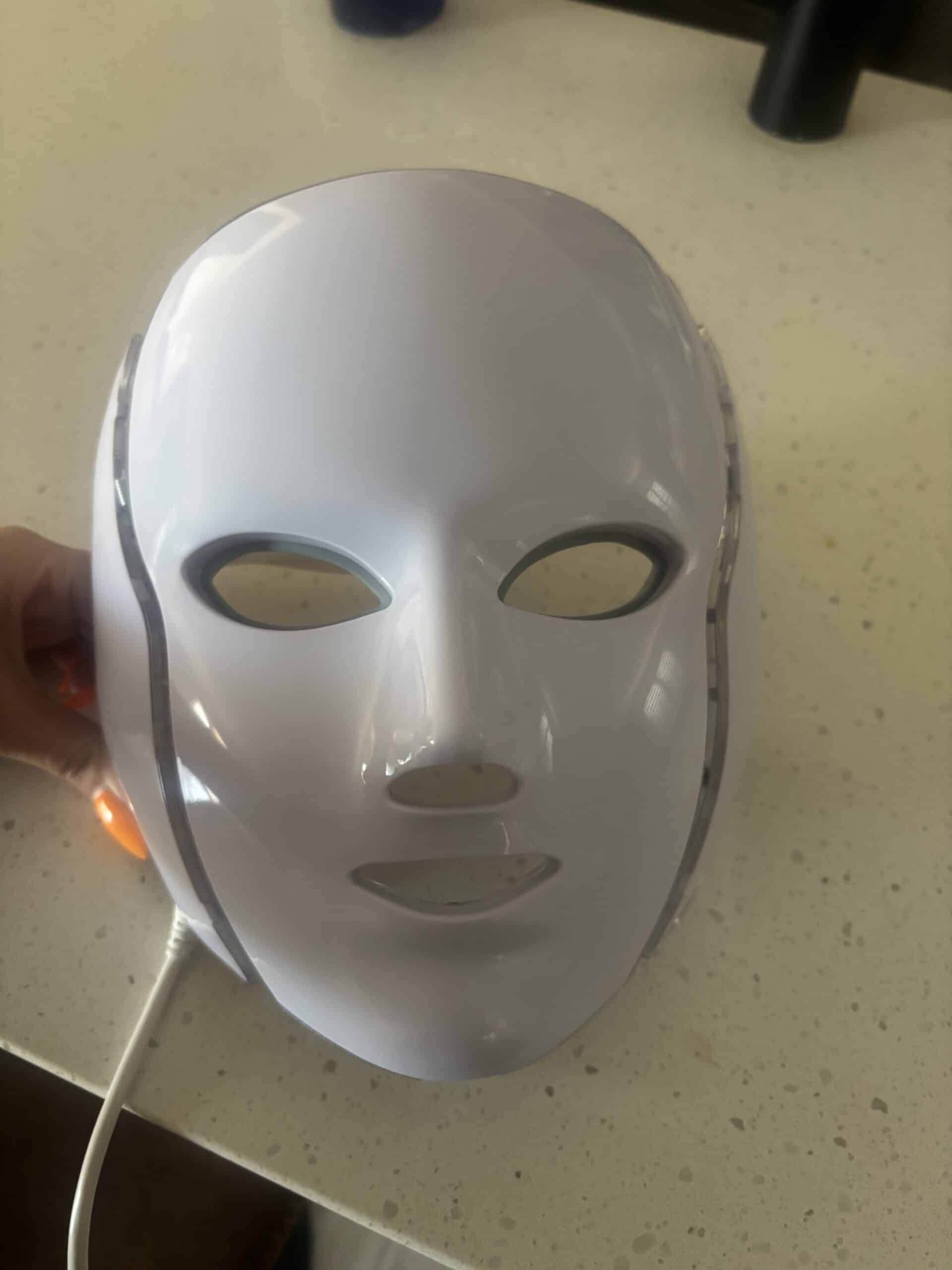
Red light therapy devices like panels and face masks are designed mainly for skin, and direct evidence that they improve sleep is limited, so they are not an established sleep aid; the genuinely sleep-friendly benefit of red comes from gentle ambient red lighting in the evening, not from therapy devices. Asking whether red light therapy is good for sleep means separating two different things. Here is the honest picture, framed around what actually helps in the bedroom, with evening options in our guide to red light bulbs for evening wind-down.
A Quick Note
This article is general information, not medical advice. If you have ongoing sleep problems or a suspected sleep disorder, talk with a qualified healthcare provider.
Quick Answer
Red light therapy panels and masks are made for skin, and evidence they improve sleep is limited and emerging, so they are not an established sleep tool. What genuinely helps sleep is using dim red or warm ambient light in the evening, which is gentle on melatonin. For sleep, skip the therapy device expectation and simply favor red-toned evening lighting, backed by darkness and good habits.
Key Takeaways
- Red light therapy devices are designed mainly for skin.
- Direct evidence they improve sleep is limited.
- The sleep benefit of red comes from ambient evening lighting.
- Therapy panels and masks are not an established sleep aid.
- Darkness and good habits matter most for sleep.
Two Different Things Called Red Light
The confusion here comes from one term covering two very different things. Red light therapy usually refers to devices, panels, wands, and face masks, that deliver concentrated red or near-infrared light, marketed primarily for skin and, in some cases, muscle recovery. Ambient red lighting means using red or warm-toned bulbs and night lights in your room. For sleep, these are not the same. The evidence-friendly sleep benefit belongs to ambient red lighting, which is gentle on melatonin, not to therapy devices. Sorting out which one you mean is the key to answering whether red light is good for sleep, because the answer differs sharply between them.
What Red Light Therapy Devices Are For
Red light therapy panels and masks were developed and are mostly studied for skin applications, where red and near-infrared wavelengths are proposed to support skin appearance and, in some contexts, tissue recovery. Sleep is not their primary purpose, and they are not designed or marketed principally as sleep aids. This does not mean using one is harmful, but it does mean that buying a therapy device expecting it to work like a sleep tool is a mismatch of tool and goal. If skin is your interest, that is their domain; for sleep specifically, they are outside their intended and best-evidenced use.
What the Sleep Evidence Says About Devices
On red light therapy devices specifically, the direct sleep evidence is limited and emerging rather than conclusive, and there is nothing establishing panels or masks as effective sleep treatments. This is a different question from whether the color red is gentle on melatonin, which is well established and covered in our guides on whether red light helps you sleep and red light and melatonin. The distinction matters for a buying decision: the science supporting red as an evening light color does not transfer into evidence that a concentrated therapy device improves sleep. So as a product bought for sleep, a therapy device is not backed by the research.
What Your Money Is Better Spent On
Framed as a purchase decision, a red light therapy device is the wrong place to put your sleep budget. The red-light approach that actually helps sleep costs far less: dim red or warm-toned evening bulbs and a dim red night light, which keep light gentle on melatonin, as our guide on using red light in your bedroom lays out. Beyond lighting, the highest-value spends are on darkness and consistency, not a light-emitting gadget. A therapy device may be worthwhile for skin, but for the specific goal of better sleep, cheaper ambient options and good habits deliver more. Bright morning light works on a different pathway, which our SAD lamp guide explains.
If You Already Own a Device
If you have a red light therapy device for skin, there is generally no harm in using it as directed, and some people find any calming evening routine relaxing, which can indirectly support winding down. Just keep expectations accurate: any benefit to your sleep is likely from the relaxing routine and from red being gentle on melatonin, not from an established sleep effect of the device itself. Avoid using it right before bed in a way that is stimulating or bright. For sleep, still prioritize dim ambient red lighting, darkness, and habits, treating the device as a skincare tool that is pleasant rather than a sleep aid.
The Bottom Line for Sleep
Put simply, red light therapy devices are not an established path to better sleep, but red light in general has a real, if modest, place in a sleep-friendly bedroom. The move that helps is favoring dim red or warm evening lighting and a red night light, which keep necessary light gentle on melatonin, all layered onto the real foundations of darkness, consistency, and good sleep habits. Skip the idea that a therapy panel or mask will fix your sleep, and instead use red the evidence-friendly way, as ambient evening light, covered across our red light sleep guides.
When should I see a doctor?
If symptoms persist despite changes you have made, if they worsen or change in character, or if they interfere with daily functioning. Sudden or severe symptoms unlike anything you have had before need prompt medical attention rather than a product.
Recommended Reading
- does red light help you sleep, the fuller answer.
- how to use red light in your bedroom, practical setup.
- red light versus blue light for sleep, the comparison.
- red light bulbs for evening wind-down, for picks.
- making a bedroom dark
Better Choices for Sleep
If sleep is your goal, your money and attention are better spent on the ambient-lighting approach and the real foundations. Dim red light bulbs or sunset lamps for the evening, a dim red night light for visibility, and darkness tools like blackout curtains or a sleep mask all do more for sleep than a therapy panel. Combine those with consistent habits, and you have covered what actually matters. A red light therapy device can stay in your routine as a skincare tool, but it is not where sleep improvement comes from, so it should not headline your sleep setup.
Is Red Light Therapy Good for Sleep FAQ
Do red light therapy masks help you sleep?
Red light therapy masks are designed for skin, and evidence they improve sleep is limited, so they are not an established sleep aid. Any sleep benefit is more likely from a relaxing routine and red being gentle on melatonin than from the device itself. Ambient red evening lighting is the sleep-friendly use.
Is red light therapy the same as a red night light?
No. Red light therapy devices deliver concentrated light mainly for skin, while a red night light provides dim ambient lighting gentle on melatonin. For sleep, the ambient red night light is the useful tool; the therapy device is designed for a different purpose entirely.
Can red light therapy before bed improve sleep?
Evidence is limited. A calming evening routine and red light’s gentleness on melatonin may help slightly, but therapy devices are not established sleep aids. Avoid bright or stimulating use near bed. For sleep, dim ambient red lighting is the better-supported approach than a therapy session.
Is it bad to use red light therapy at night?
Generally it is low-risk when used as directed, but keep it from being too bright close to bedtime, since bright light of any color can affect melatonin. It is not harmful for sleep, simply not an established sleep tool. Prioritize dim ambient light and darkness for actual sleep.
What is the best red light option for sleep?
Dim red or warm-toned ambient lighting in the evening and a dim red night light are the best red options for sleep, since they are gentle on melatonin and match expert recommendations. These beat therapy panels or masks for sleep purposes, which are designed for skin rather than rest.
Should I buy a red light therapy device for sleep?
For sleep specifically, no; the evidence does not support it as a sleep tool. If you want red light’s sleep benefit, inexpensive red bulbs or a red night light are the effective choice. Buy a therapy device only if your goal is skin, not sleep improvement.
What should I buy instead of a red light therapy device for sleep?
For sleep, inexpensive red or warm bulbs, a dim red night light, and darkness tools like blackout curtains or a sleep mask do more than a therapy device. Combined with consistent sleep habits, these ambient, low-cost options are the effective, evidence-aligned choice for a sleep-friendly bedroom.
Is near-infrared light better for sleep than red?
Near-infrared light is neutral for circadian purposes and is not an established sleep tool either. The sleep-relevant benefit comes from dim visible red light being gentle on melatonin. For sleep, focus on dim ambient red or warm lighting rather than any specific therapy wavelength.
Sources
- Sleep Foundation, on light color and sleep.
- Harvard Health Publishing, on light wavelength and melatonin.
See the complete guide: the comprehensive choosing sleep aids guide.
