
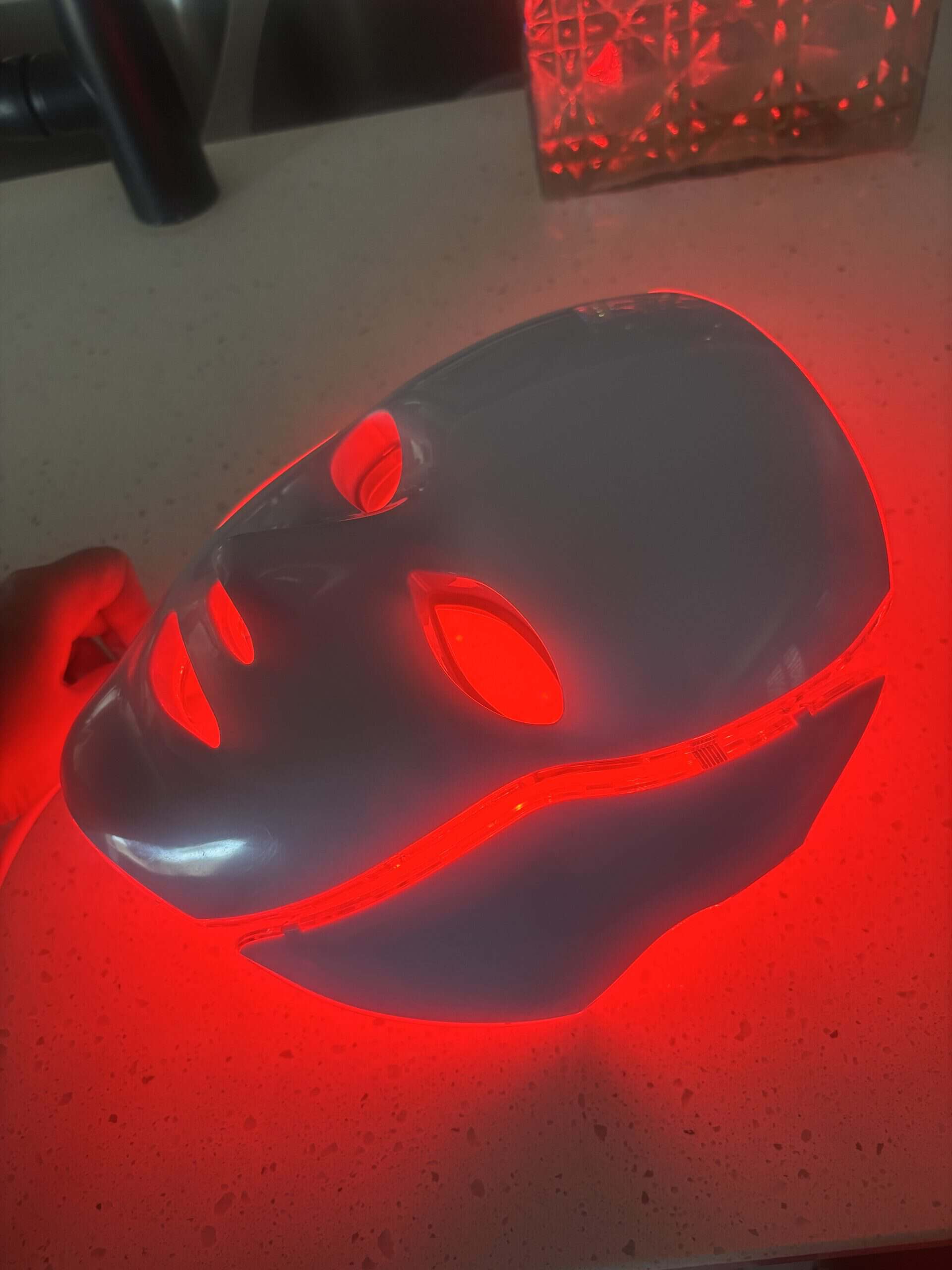
Red light has the least effect on melatonin of any visible light color, because the receptors in your eyes that govern melatonin and your circadian rhythm are least sensitive to long red wavelengths; this is why experts recommend dim red for night lighting, though very bright red light can still suppress some melatonin. Understanding red light and melatonin explains why red is the sleep-friendly color. Here is the science in plain terms, with evening lighting options in our guide to red light bulbs for evening wind-down.
A Quick Note
This article is general information, not medical advice. If you have ongoing sleep problems or a suspected sleep disorder, talk with a qualified healthcare provider.
Quick Answer
Melatonin, your sleep hormone, is suppressed by light hitting blue-sensitive receptors in your eyes. Red light, at the far end of the spectrum, barely stimulates these receptors, so it suppresses melatonin the least, which is why it is the recommended night-light color. The catch: even red light, if too bright, can suppress some melatonin, so dim red is what matters, and darkness is still best.
Key Takeaways
- Melatonin is your body’s sleep-signaling hormone.
- Light suppresses melatonin via blue-sensitive eye receptors.
- Red light barely stimulates these, so it suppresses melatonin least.
- This is why dim red is recommended for night lighting.
- Bright red can still suppress some melatonin; darkness is best.
What Melatonin Does
Melatonin is the hormone that signals to your body that it is time to sleep. It rises in the evening as darkness falls and helps initiate and maintain sleep, forming a core part of your circadian rhythm, the roughly 24-hour internal clock that governs your sleep-wake cycle. Light is the single most powerful environmental cue affecting this system. When light hits your eyes at night, it can suppress melatonin and push your body clock later, which is why nighttime light exposure is so closely tied to sleep quality. Understanding melatonin is the key to understanding why the color of your evening light matters at all. Timing matters more than dose, which our guide to melatonin timing explains.
How Light Suppresses Melatonin
The suppression happens through specialized receptors in your retina that feed directly into your brain’s master clock. These receptors contain a pigment that is especially sensitive to blue light, wavelengths around the shorter end of the visible spectrum. When they detect this light, they signal your brain that it is daytime, suppressing melatonin and promoting alertness. This is why blue and bright white light at night are so disruptive: they hit exactly the wavelength these receptors respond to most. The strength of melatonin suppression depends heavily on the light’s color, or wavelength, which is where red light’s advantage comes in.
Why Red Light Affects Melatonin Least
Red light sits at the far, long-wavelength end of the visible spectrum, about as far as possible from the blue wavelengths those melatonin-governing receptors respond to most. Because the receptors are least sensitive to red, red light causes minimal melatonin suppression compared with blue or white light. This is the core reason both Harvard Health and the Sleep Foundation recommend dim red light for nighttime use: its long wavelengths are least likely to shift your circadian rhythm or blunt melatonin. It is not that red light boosts melatonin dramatically, but that it interferes with your natural melatonin rise far less than other colors do.
The Brightness Catch
Color is not the whole story; brightness matters too. Even red light, if it is bright enough, can suppress some melatonin, so the recommendation is specifically for dim red light, not bright red. Very dim light of any warm color is gentler than bright light, and the two factors, color and intensity, work together. This is why the practical advice is always dim red or warm light, using the lowest comfortable level in the evening. Relying on red alone while keeping it bright would undercut the benefit, so pairing the right color with genuine dimness is what actually protects your melatonin rise.
Does Red Light Boost Melatonin?
This is where honesty is important. The well-established fact is that red light suppresses melatonin the least, meaning it protects your natural rise better than other colors. Whether red light actively increases melatonin is less certain: some small studies, including one in athletes, have associated nightly red light with higher melatonin and better sleep, but this evidence is limited and not conclusive. So the reliable claim is that red light is the least disruptive to melatonin, not that it reliably boosts it. Treat red as a protective, gentle choice rather than a melatonin booster, and keep expectations grounded in what the evidence actually supports.
Putting It to Use
The practical upshot is straightforward. To protect your evening melatonin rise, favor dim red or warm light in the hours before bed, limit blue and bright white light, and use a dim red night light if you need visibility overnight, as covered in our guide on using red light in your bedroom. Then, for actual sleep, make the room dark, since darkness is best of all for melatonin. Understanding the melatonin connection turns lighting from an afterthought into a simple, evidence-based lever: warm and dim by night protects the hormone that helps you sleep, while bright blue light works against it.
When should I see a doctor?
If symptoms persist despite changes you have made, if they worsen or change in character, or if they interfere with daily functioning. Sudden or severe symptoms unlike anything you have had before need prompt medical attention rather than a product.
Recommended Reading
- does red light help you sleep, the practical answer.
- red light versus blue light for sleep, the comparison.
- how to use red light in your bedroom, setup.
- red light bulbs for evening wind-down, for picks.
Turning the Science Into a Routine
The melatonin science points to a simple routine you can build with common tools. Favor dim red or warm light in the evening using red bulbs or sunset lamps, keep a dim red night light for overnight visibility, and limit blue light, since it is the strongest melatonin suppressor, as our red versus blue light comparison explains. Then protect your melatonin most of all with darkness during sleep, using blackout curtains or a sleep mask. Understanding the mechanism makes these choices feel less like arbitrary tips and more like a coherent, evidence-based strategy for protecting the hormone that helps you sleep.
Red Light and Melatonin FAQ
Does red light affect melatonin?
Red light affects melatonin the least of any visible color, because the receptors that govern melatonin are least sensitive to long red wavelengths. It still can suppress some melatonin if very bright, but dim red interferes far less than blue or white light, which is why it is recommended at night.
Does red light increase melatonin?
The reliable fact is that red light suppresses melatonin least, protecting your natural rise. Whether it actively increases melatonin is less certain; some small studies suggest it might, but the evidence is limited. Treat red as gentle and protective rather than an established melatonin booster.
Why does blue light suppress melatonin more than red?
The retinal receptors that govern melatonin are especially sensitive to blue wavelengths and barely respond to red. So blue light strongly signals daytime and suppresses melatonin, while red, at the opposite end of the spectrum, stimulates these receptors minimally and suppresses melatonin far less.
Is dim red light better than bright red light for sleep?
Yes. Even red light can suppress some melatonin if bright, so dimness matters alongside color. The recommendation is specifically dim red light. Use the lowest comfortable brightness in the evening, since color and intensity work together to protect your melatonin rise.
Is darkness better than red light for melatonin?
Yes, total darkness is best for melatonin, since no light means no stimulation of the suppressing receptors. Red light is the best option when you need some light at night, being least disruptive, but for actual sleep, a dark room protects melatonin most effectively.
What light is worst for melatonin?
Bright blue and white light are worst, since the melatonin-governing receptors are most sensitive to blue wavelengths. Screens, LED bulbs, and overhead lighting are heavy in blue, so limiting them at night, and favoring dim red or warm light, best protects your melatonin and sleep.
Does the timing of light exposure affect melatonin?
Yes, greatly. Light in the evening and at night suppresses melatonin and can delay your body clock, while bright light in the daytime supports a healthy rhythm. This is why dim warm or red light is advised at night and bright light is beneficial during the day.
How long before bed should I dim the lights?
Beginning to dim and warm your lighting in the hour or two before bed is a reasonable approach, giving melatonin room to rise. Consistency helps, so a regular evening dimming routine cues your body toward sleep. Combine it with limiting screens for the best effect.
Sources
- Harvard Health Publishing, on light wavelength, melatonin, and circadian rhythm.
- Sleep Foundation, on light color and melatonin.
See the complete guide: the comprehensive choosing sleep aids guide.
Light exposure is one input into how quickly you fall asleep. Everything else that affects sleep onset puts it in context.
