
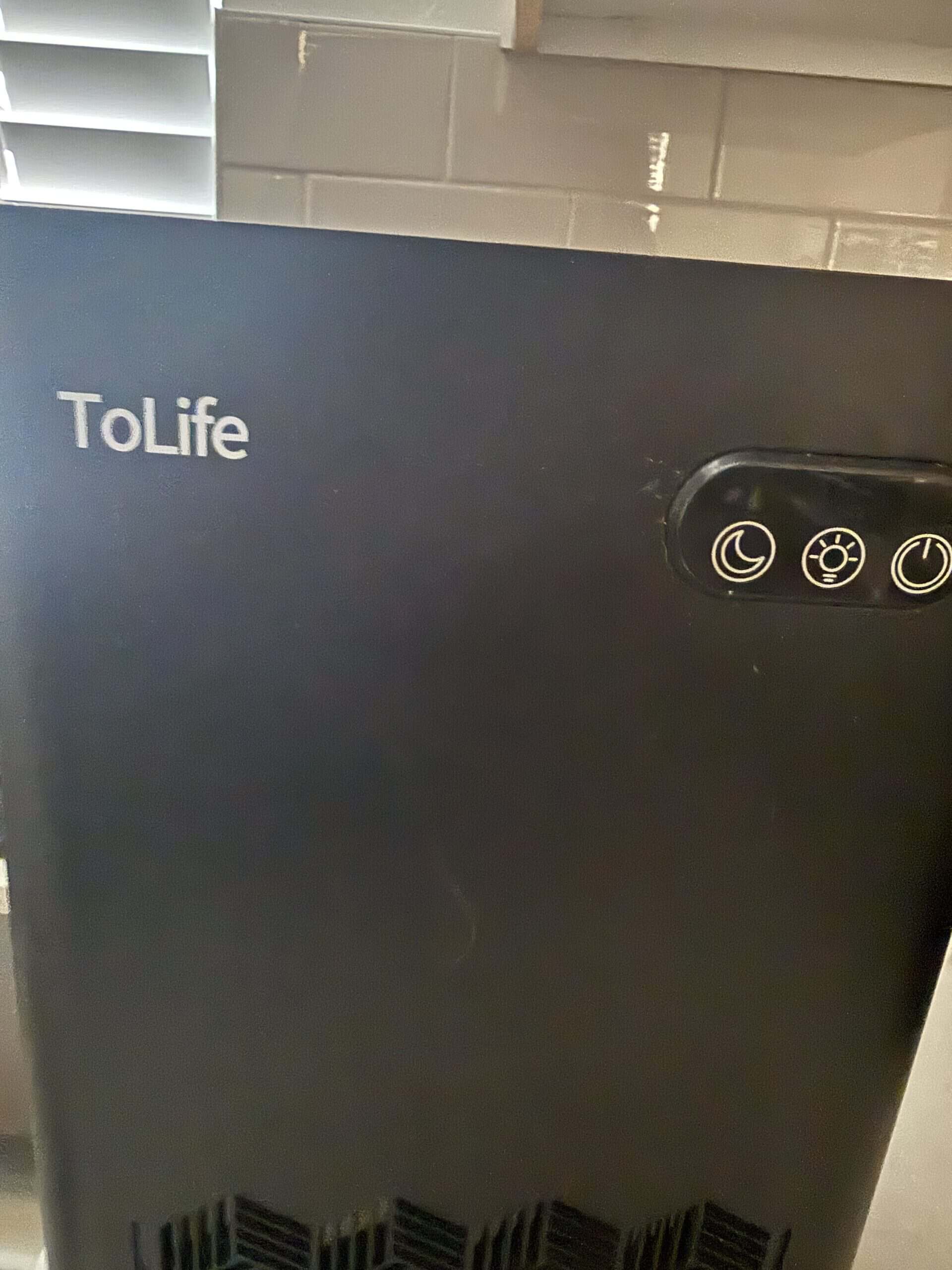
Run it when the room is actually humid rather than on a schedule. In most bedrooms that means overnight during a wet season and not at all for the rest of the year, which is a very different pattern from the daily use people assume.
Quick Answer
Target indoor humidity between 30 and 50 percent. Run the unit when readings climb above that and stop when they do not. Overnight in the bedroom is the useful window, since that is when humidity affects your sleep and when you are in the room.
A Quick Note
This covers comfort and appliance use rather than medical advice. Suspected mold, or allergy and asthma symptoms that worsen at home, need professional assessment rather than an appliance alone.
How Often Depends Entirely on Your Climate
| Situation | Typical running pattern |
|---|---|
| Dry climate, no wet season | Rarely or never |
| Dry climate with monsoon | Overnight, wet weeks only |
| Humid summer, dry winter | Daily in summer |
| Consistently humid climate | Most days year-round |
| Damp basement or ground floor | Continuous with a drain |
The comfortable indoor range is roughly 30 to 50 percent relative humidity, and the EPA recommends staying below 60 percent to limit mold growth.
Anything below that range needs no dehumidifier at all, which is why whether a dehumidifier is worth it in a dry climate comes down to whether you have weeks that exceed it.
Reactive Beats Scheduled
A schedule runs the unit on nights it is not needed, which costs electricity, fills the tank, and wears the compressor for nothing.
Reactive use means turning it on when the room feels heavy or when a reading says it is above target. That gets the same result in far fewer hours.
The middle option is a humidistat set to a target level. The unit decides for itself, running when readings climb and stopping when they fall, which automates the reactive approach.
Continuous mode is the exception, and it suits people who find cycling more disruptive than steady running, covered in whether dehumidifiers disturb sleep.
How I Run Mine
Overnight, in the bedroom, and only during monsoon season when the room is genuinely humid. The rest of the year it does not go on at all.
It is a judgment call rather than a measurement. I turn it on when the air feels heavy, which means some wet-season nights it stays off.
Someone with a hygrometer would do this more precisely than I do, and I would not present my approach as the correct method. It works because the seasonal pattern here is obvious enough that guessing is close to right.
What I would say is that treating it as seasonal rather than as an appliance you run nightly changes the whole cost of owning one, and the seasonal case sits in dehumidifiers during monsoon season.
Overnight Is the Window That Matters
Humidity affects sleep through temperature regulation, since your body cools itself by evaporating moisture and damp air slows that.
That makes the bedroom overnight the hours where humidity has a measurable effect on something you care about, rather than the living room during the day.
It also means a smaller unit covering one room does more for you than a larger one covering a whole home, at less cost and less noise.
Running it before bed rather than through the night is a reasonable variant, since the room reaches target and holds it for a few hours, covered in does a dehumidifier help you sleep.
Measure Once Rather Than Guessing Forever
A hygrometer costs very little and removes the guesswork permanently, which is worth more than it sounds for an appliance you might otherwise run wrong for years.
Where you put it matters. Bedside height in the room you sleep in gives a reading that reflects the air you are actually breathing, rather than a hallway or a corner near a window.
Timing matters more. Humidity is usually highest in the early hours, after a night of two people breathing in a closed room, so a daytime reading understates the problem you are trying to solve.
Take readings for a week before changing anything. A single number tells you almost nothing, and a week shows whether the room sits above target consistently or spikes occasionally.
Many units have a built-in display, and those read the air at floor level next to the machine rather than where you sleep. A separate meter across the room is more honest.
Once you know your pattern, the running schedule follows from it rather than from how the room feels, and that is the difference between running it sixty nights a year and three hundred.
Signs You Are Running It Too Much
Dry throat or nose in the morning
Below about 30 percent, the air is dry enough to irritate. That is the opposite problem and it means backing off rather than adjusting the timer.
The tank barely fills
Hours of running that collect very little water means there was nothing to remove. That is the clearest signal you are running it out of habit.
Static and dry skin
Both appear at low humidity and are easy to attribute to the season instead of the appliance.
Wood furniture or floors gapping
Sustained low humidity shrinks timber. That is a slow and expensive signal, and a hygrometer prevents it, covered in air quality monitors for the bedroom.
Signs You Are Not Running It Enough
Condensation on windows in the morning is the visible one, and it means moisture in the room has nowhere to go.
Bedding that feels slightly damp, or a room that smells musty after being closed up, both point the same way.
Waking hot despite a cool room is the sleep version, since damp air prevents the evaporation your body depends on, covered in why you wake up hot every night.
Visible mold anywhere is past the point where an appliance is the answer on its own, and it warrants proper assessment rather than a larger dehumidifier.
Running Cost and Wear
Dehumidifiers draw meaningful power, typically somewhere between 300 and 700 watts depending on capacity. Run nightly through a year that adds up.
Seasonal use changes that arithmetic completely. Sixty nights of running is a different proposition from three hundred and sixty five.
Compressor wear follows hours rather than years, so a unit used seasonally lasts considerably longer in calendar terms than one running daily.
Between seasons, empty the tank fully and let the unit dry before storing. Water sitting in a tank for months grows what the appliance exists to prevent, and apartment storage options sit in dehumidifiers for apartments.
Related Reading
- bedroom dehumidifiers
- quiet dehumidifiers
- humidity control products
- sleeping with allergies
- cooling bedding layers
- cooling setups for hot climates
Part of our guide to cooling a bedroom for better sleep.
Frequently Asked Questions
How often should you run a dehumidifier in a bedroom?
When readings are above 50 percent, which for many people means overnight during a wet season and not at all otherwise. Reactive use beats a schedule.
Should I leave it on all night?
Overnight is the useful window since that is when humidity affects your sleep. Running it for a few hours before bed also works, as the room holds the level.
What humidity should I target?
Between 30 and 50 percent. Below 30 causes dry throat and static, and above 60 supports mold and dust mites.
Is it bad to run one every day?
In a genuinely humid climate, no. In a dry one it wastes electricity, wears the compressor, and can push the room below comfortable.
How do I know if I am running it too much?
A tank that barely fills after hours of running, plus dry throat, static, or dry skin. All point at removing moisture that was not there.
Does running it cost a lot?
Typically 300 to 700 watts while running, so daily year-round use adds up considerably while seasonal use does not.
Where should I put the hygrometer?
Bedside height in the room you sleep in, and read it in the early hours rather than during the day. A unit’s built-in display reads floor level next to itself, which is less useful.
Should I use a humidistat or continuous mode?
A humidistat for most people, since it automates the reactive approach. Continuous if the starting and stopping is what disturbs your sleep.
Sources
- United States Environmental Protection Agency. Mold and Moisture Control. https://www.epa.gov/mold/mold-course-chapter-2
- Sleep Foundation. Humidity and Sleep. https://www.sleepfoundation.org/bedroom-environment/humidity-and-sleep
- United States Department of Energy. Energy Saver, Dehumidifiers. https://www.energy.gov/energysaver/home-cooling-systems
