
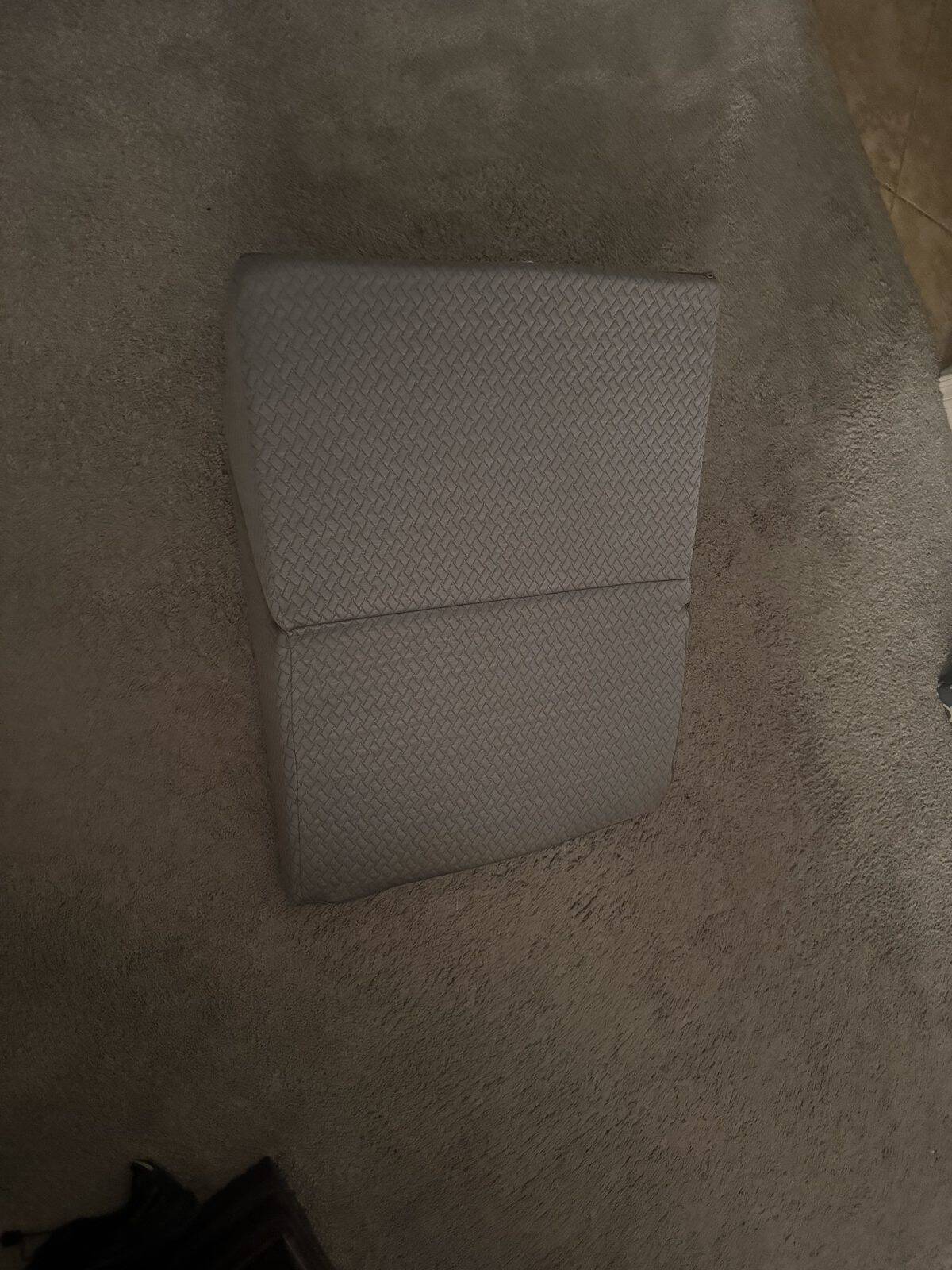
To use a wedge pillow, place its high end where you want the most lift and let the slope support the body part you are elevating, whether that is your upper body for reading, sitting up, or reflux relief, or your legs to ease pressure and help them relax. Learning how to use a wedge pillow well comes down to matching the incline to the job, and it is more versatile than most people expect. For ready-made options, see our bed wedge pillow picks, or read on for how to position one.
Quick Verdict
Point the thick end of a wedge pillow toward the support you need. Under your torso, it lifts your upper body for reading, sitting up, or easing reflux. Under your legs, it elevates them to relieve pressure and swelling. Firmness and the right incline matter most, so the wedge holds its shape and keeps you in position. See also our guide to using one during recovery.
Why Trust This Guide
I use a folding multi-position wedge most days. I mostly put my legs up on it while watching TV or working in bed, and I occasionally refold it to prop my back or upper body instead. That hands-on use shapes the positioning advice here.
Key Takeaways
- Point the high end toward the area you want supported.
- Under the torso, it lifts you for reading, sitting up, or reflux.
- Under the legs, it elevates them to ease pressure and swelling.
- For reflux, the torso must be raised, not just the head.
- A firm, correctly sized wedge stays in place and keeps you comfortable.
Wedge Pillow Positions, at a Glance
| Use | How to position it | Incline |
|---|---|---|
| Leg elevation | Slope under calves and knees, feet at the high end | Lower, gentle |
| Sitting up or reading | High end at the headboard, back against the slope | Higher |
| Acid reflux relief | High end up, torso from the waist raised | Mid |
| General relaxation | Wherever it feels supportive, often under the legs | Any |
How to Use a Wedge Pillow for Your Legs
To elevate your legs, lay the wedge with the slope rising toward your feet so your calves and knees rest along the incline. On a contoured leg wedge like mine, the dip cradles the back of the knees while the raised end lifts the lower legs, which is what makes it comfortable to lie back and relax. Elevating the legs uses gravity to help blood return toward the heart. Stanford Health Care notes that raising the legs can reduce leg swelling and ease symptoms for people with mild vein issues. I mostly reach for mine when my legs feel sore after being on my feet.
How to Use a Wedge Pillow to Sit Up or Read
To sit up comfortably, stand the wedge with its high end against the headboard and lean your back against the slope. This turns the pillow into a supportive backrest for reading, working on a laptop, or reading and watching TV in bed, which is one of the ways I use mine. A higher incline works best here, since it keeps your upper body upright rather than reclined. Adding a small pillow at your lower back can fine-tune the comfort. Because the wedge is one solid piece, it holds the angle far better than a loose stack of pillows that shifts and collapses as you move.
How to Use a Wedge Pillow for Acid Reflux
For reflux relief, position the wedge so it raises your whole torso from the waist up, not just your head. The Cleveland Clinic explains that elevating the head and torso makes it harder for stomach acid to travel up the esophagus, using gravity to keep it down. The common guidance is a mid incline that lifts the upper body several inches, often paired with sleeping on the left side. Raising only your head with regular pillows can bend you at the neck and is not effective. This is general information, not medical advice, so anyone managing reflux or GERD should follow their doctor’s guidance.
How to Use a Wedge Pillow While Sleeping
To sleep on a wedge, choose an incline you can hold all night without sliding, and settle your torso or legs along the slope depending on your goal. Back and side sleepers adapt to a wedge most easily, while stomach sleepers generally cannot use one comfortably. Personally, I use my wedge only while awake, for relaxing and elevating my legs, rather than overnight, so if your aim is all-night reflux or elevation, look for a firm, full-length wedge sized to keep your body supported until morning. Fit and firmness are what decide whether a wedge stays comfortable through the night. The rest of the routine sits in our guide to sleeping with acid reflux.
How to Get Comfortable on a Wedge Pillow
A few small adjustments turn a wedge from awkward to genuinely relaxing. Start by matching the incline to what you are doing, since a gentle rise suits legs while a steeper one suits sitting up, and using the wrong angle is the fastest way to feel uncomfortable. Add a small pillow where you need extra support, such as behind the lower back when sitting up or under the head when reclining, to smooth out the transition. Make sure the wedge is firm enough to hold its shape under you, because a wedge that sags loses both its angle and its comfort. If you tend to slide, brace the wedge against the headboard and use grippier sheets. When I settle in with my legs up to watch TV or work, getting the height and support right is what lets me stay there comfortably for a long stretch rather than constantly readjusting.
Recommended Reading
- the best bed wedge pillows, our full picks.
- foam wedges for leg elevation, for the legs.
- the benefits of elevating your legs, why it helps.
- what height wedge pillow you need, sizing it right.
- how to stop a wedge from sliding, keep it in place.
Common Mistakes to Avoid
Elevating only your head for reflux
Raising just the head bends your neck and does little for reflux. The torso from the waist up needs to be lifted for gravity to help.
Using a wedge that is too soft
A soft wedge compresses under your weight and loses its angle. Firm support is what keeps the incline and keeps you in place.
Choosing the wrong size
A wedge too short or narrow leaves you bending at the waist or sliding off. Match the length and width to your body and your bed.
Forcing a stomach-sleeping position
Wedges do not work for stomach sleepers. If that is your position, a wedge is better used for legs or sitting up than for sleeping.
How to Use a Wedge Pillow FAQ
Which way does a wedge pillow go?
The thick, high end goes toward the area you want lifted, with the slope supporting your body. For your torso, the high end sits at the headboard; for your legs, the high end goes under your feet with the slope beneath your calves.
Can you use a wedge pillow for your legs and your back?
Yes. The same wedge can elevate your legs when placed under your calves, or support your back when stood against the headboard. Many people, including me, use one wedge both ways depending on what they need that day.
How do you use a wedge pillow for acid reflux?
Position it to raise your whole torso from the waist up, not just your head, so gravity helps keep stomach acid down. A mid incline paired with left-side sleeping is common. Reflux is a medical issue, so follow your doctor’s guidance.
Can you sleep on a wedge pillow all night?
Many people do, especially back and side sleepers, as long as the wedge is firm and sized to hold them in place. Stomach sleepers usually cannot. If all-night use is your goal, choose a firm, full-length wedge that will not collapse or let you slide.
Is a wedge pillow better than stacking regular pillows?
For steady elevation, yes. A wedge is one solid piece that holds its angle, while stacked pillows shift, compress, and slide during the night. For reflux especially, stacked pillows tend to bend the neck rather than raise the torso.
Can stomach sleepers use a wedge pillow?
Not comfortably for sleeping. Wedges are designed for back and side positions. A stomach sleeper can still use a wedge for elevating the legs or sitting up in bed, just not for sleeping face-down.
For the full picture: the foundation principles of pillow selection by sleep position.
