
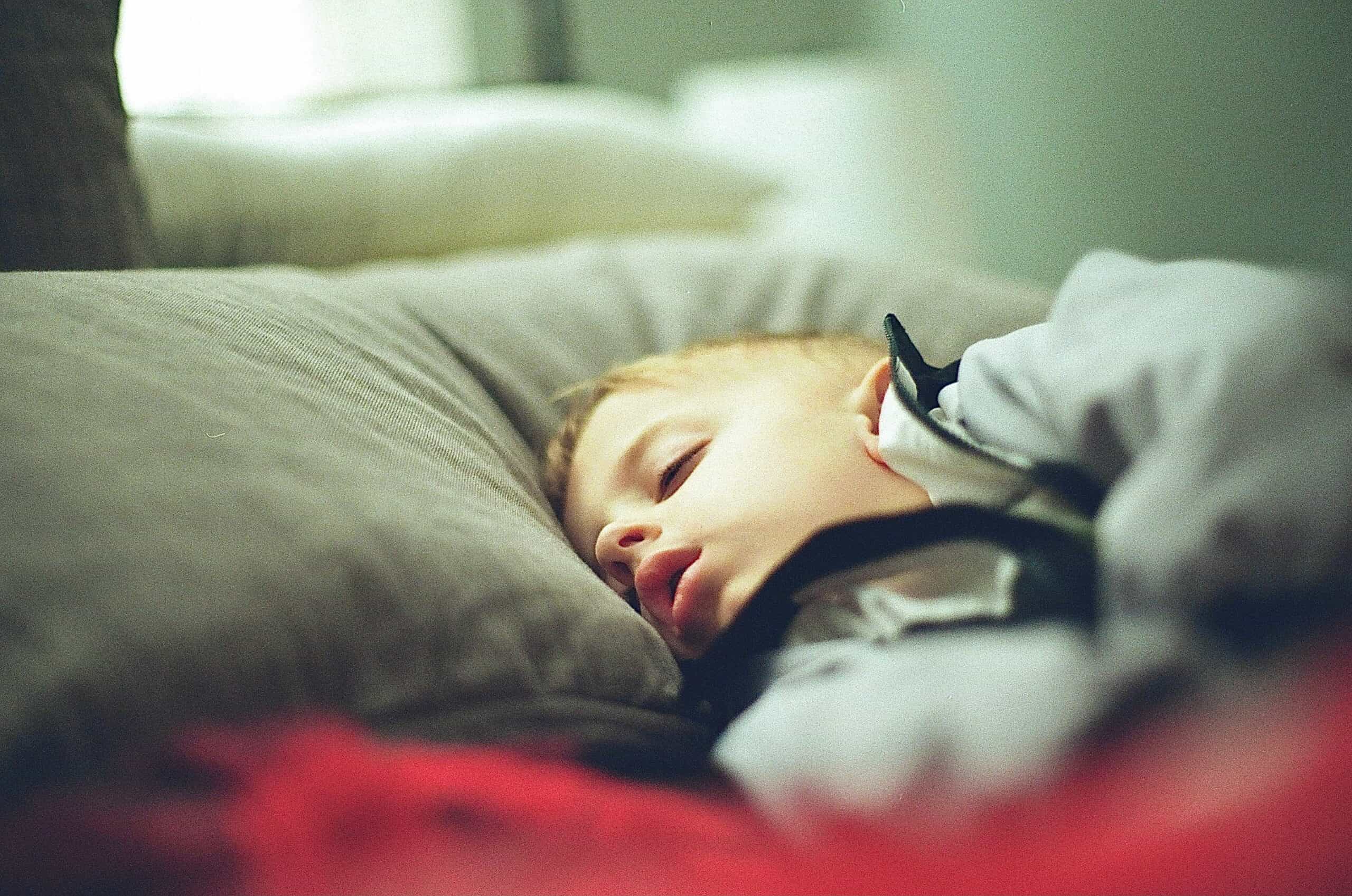
Your child has moved to a big-kid bed and keeps bunching up blankets to prop their head, a sign they may be ready for a real pillow. The best toddler pillows are small, thin, and firm, sized to support a little neck without lifting the head too high. The right one uses safe, certified materials and washes easily for the accident-prone years. Before you buy, it helps to know when a pillow is appropriate, which we cover below alongside our pillow buying guide for the whole family. Here are six picks, each suited to a different need.
Safety first: The American Academy of Pediatrics recommends no pillows before age 2, and only after your child has moved from a crib to a toddler bed.1 This article is general information, not medical advice. Talk to your pediatrician about whether your child is ready for a pillow.
Quick verdict:
- Best overall: Little Sleepy Head Toddler Pillow, a well-sized, firm everyday pick.
- Best value: KeaBabies Toddler Pillow, soft cotton cover at a fair price.
- Best organic: Naturepedic Organic Toddler Pillow, certified clean materials.
- Best budget: Utopia Bedding Toddler Pillow, simple and inexpensive.
Disclosure: RestRight is reader-supported. As an Amazon Associate, we earn from qualifying purchases made through links on this page, at no extra cost to you.
How We Picked the Best Toddler Pillows
We focused on safe sizing, firmness, certified materials, and easy washing for messy years. A toddler pillow should be smaller, thinner, and firmer than an adult pillow to support a small neck without raising the head too much. We leaned on pediatric safe-sleep guidance throughout.1 The notes below come from published specifications and consistent owner reports rather than hands-on testing of every pillow.
| Your priority | Little Sleepy Head | KeaBabies | Naturepedic | hiccapop | Utopia |
|---|---|---|---|---|---|
| A safe, well-sized everyday pillow | Best fit | Best fit | Best fit | Workable | Workable |
| Lowest price | Workable | Workable | Skip | Workable | Best fit |
| Organic, certified materials | Workable | Workable | Best fit | Skip | Skip |
| Softer, plusher feel | Workable | Best fit | Workable | Best fit | Workable |
| Travel or daycare spare | Workable | Best fit | Workable | Workable | Best fit |
Pillow prices shift with packs and covers, so confirm the current cost before you buy.
1. Little Sleepy Head Toddler Pillow: Best Overall
Why It Stands Out
The Little Sleepy Head Toddler Pillow is the size and firmness most kids do well with first. At the standard 13 by 18 inches with a modest loft, it supports a small neck without lifting the head too high. The soft cotton-blend cover feels gentle against the skin.
Worth Knowing
It is machine-washable, which matters in the accident-prone toddler years. The hypoallergenic fill suits most children, though every child differs. It is a long-running favorite for a reason.
It suits most toddlers transitioning to a bed and ready for a first pillow. Skip it only if you specifically want organic materials or the lowest price. For most families, it is the easiest pillow here to recommend. A spare pillowcase keeps one clean while the other washes. The cover slips off easily for those inevitable middle-of-the-night changes.
It is the rare first pillow that gets the size and firmness right out of the box.
2. KeaBabies Toddler Pillow: Best Value
Why It Stands Out
The KeaBabies Toddler Pillow pairs a soft organic-cotton cover with a friendly price. The fill is plush but still supportive enough for little necks. It often comes in a pack, which is handy for a spare or a daycare set.
Worth Knowing
It is machine-washable and holds up to repeated cleaning. The softer feel suits children who resist a firmer pillow, within safe sizing. The value is strong, especially in multipacks.
It suits families wanting a soft, affordable pillow with a nice cover. Skip it if you want the firmest support or fully certified organic fill. For value, it is the standout here. Keeping a spare for daycare saves headaches.
If you want a soft pillow that does not cost much, this is the easy pick.
3. Naturepedic Organic Toddler Pillow: Best Organic
Why It Stands Out
The Naturepedic Organic Toddler Pillow is the pick for parents focused on clean materials. It uses certified organic cotton and avoids the chemicals some parents want to steer clear of. The firm, low profile fits safe-sleep guidance for older toddlers.
Worth Knowing
Certifications like GOTS and GREENGUARD Gold signal lower chemical exposure, which many parents value.2 Organic pillows cost more, the trade-off for the materials. Check the care label, as some organic shells are spot-clean only.
It suits parents prioritizing organic, low-chemical materials and certifications. Skip it if budget is the main concern. For organic peace of mind, it is the standout here. It pairs naturally with organic cotton sheets.
If certified materials matter most to you, this is the pillow built around them.
4. hiccapop Toddler Pillow: Best Soft Feel
Why It Stands Out
The hiccapop Toddler Pillow leans plush for kids who want something cozier. The fill feels soft while keeping a toddler-appropriate low loft. CertiPUR-US testing on the foam addresses off-gassing and harmful chemicals.
Worth Knowing
It is machine-washable and bounces back to shape after cleaning. The softer feel suits children who reject firmer pillows, as long as the size stays safe. It is a popular comfort-first choice.
It suits toddlers who prefer a plusher pillow over a firm one. Skip it if you want maximum firmness or organic materials. For a soft feel, it is the standout here. Watch that your child can still reposition freely.
If your toddler keeps pushing away firm pillows, a softer one may finally stick.
5. Utopia Bedding Toddler Pillow: Best Budget
Why It Stands Out
The Utopia Bedding Toddler Pillow covers the basics for very little money. It hits the standard toddler size with a simple, washable design. For a first pillow you are not sure will stick, the low price lowers the risk.
Worth Knowing
The materials are basic rather than premium, which shows at the price. It is machine-washable and easy to replace if needed. Buying two is still cheaper than one premium pillow.
It suits budget-minded parents or a trial run before spending more. Skip it if you want organic materials or a plusher feel. For value, it is the standout here. It is an easy, low-stakes first pillow.
If you are testing whether your child even wants a pillow, start cheap here.
6. Dreamtown Kids Toddler Pillow: Best for Travel
Why It Stands Out
The Dreamtown Kids Toddler Pillow comes with a pillowcase, which makes it a tidy travel and daycare option. The compact size packs easily for trips and naps away from home. The included case means one less thing to buy or forget.
Worth Knowing
It is machine-washable, case and all, for easy upkeep. The size and firmness suit older toddlers within safe-sleep guidance. The bundled case is a small but genuine convenience.
It suits travel, grandparents’ houses, and daycare nap mats. Skip it if you want organic materials or the firmest support. For a portable spare, it is the standout here. Keeping one packed makes trips smoother.
If naps happen in more than one place, a ready-to-go pillow earns its keep.
When Is a Toddler Ready for a Pillow?
Readiness is about safety and development, not just age. A few signs help you judge.
Wait Until at Least Age 2
The American Academy of Pediatrics recommends keeping a crib clear of pillows, blankets, and soft objects until at least 12 months, and most experts advise waiting until age 2 for a pillow.1 Younger toddlers may not move their head away from an obstruction reliably. When in doubt, wait and ask your pediatrician.
Move to a Toddler Bed First
Experts recommend introducing a pillow only after your child has transitioned out of the crib. A pillow in a crib can become a climbing step over the rail. The toddler bed removes that risk. Size and fill matter less than timing, and the age a pillow becomes appropriate is the question worth settling first.
Watch for Readiness Signs
Signs include being 2 or older, asking for a pillow, and being able to move objects away from the face during sleep. Every child develops differently, so there is no exact date. Follow your child’s cues, not a calendar. If your toddler sleeps happily flat on the mattress, there is no rush to introduce one at all.
How to Choose a Toddler Pillow
A few factors decide which toddler pillow fits your child. Match them to their needs.
Size and Loft
A standard toddler pillow runs about 13 by 18 inches with a low loft, which keeps the neck aligned without lifting the head too high. Avoid adult pillows, which are too big and tall. The small size is a safety feature, not a shortcoming.
Firmness
Toddler pillows should be firmer than adult pillows so a child cannot sink in. Firmness supports a small neck and reduces safety concerns. A pillow that feels too plush to you may still be right for them.
Materials and Certifications
Look for hypoallergenic fill and certifications like CertiPUR-US, GREENGUARD Gold, or OEKO-TEX, which limit harmful chemicals. Sensitive skin benefits from clean, breathable materials. Certifications give extra peace of mind at this age.
Washability
Accidents are constant, so a machine-washable pillow saves real hassle. A removable, washable case adds another layer of easy cleaning. Check whether the pillow itself or only the cover is washable.
Common Toddler Pillow Mistakes to Avoid
A few missteps undercut safety or comfort. Watch for these.
Introducing a Pillow Too Early
A pillow before age 2 or while a child is still in a crib raises safety risks. Wait until they are older and in a toddler bed, and ask your pediatrician if unsure.
Using an Adult Pillow
Adult pillows are too large, tall, and soft for a toddler’s neck. Choose a pillow sized and firmed specifically for toddlers.
Skipping Certifications
Uncertified fill may off-gas or contain chemicals you would rather avoid. Look for CertiPUR-US or GREENGUARD Gold on the label.
Forgetting to Wash Regularly
Toddler pillows collect drool, spills, and allergens quickly. Wash on a regular schedule, and see our guide on washing pillows without ruining them.
Frequently Asked Questions
When can a toddler start using a pillow?
The American Academy of Pediatrics recommends no pillows before age 2, and only after your child has moved from a crib to a toddler bed. Some families wait longer based on readiness. Talk to your pediatrician about your child specifically.
What size should a toddler pillow be?
A standard toddler pillow is about 13 by 18 inches with a low loft. This keeps the neck aligned without lifting the head too high. Avoid full-size adult pillows, which are too big and tall.
Should a toddler pillow be firm or soft?
Toddler pillows should be firmer than adult pillows so a child does not sink in. Firmness supports a small neck and reduces safety concerns. A pillow that feels firm to you may be just right for a toddler.
Are organic toddler pillows worth it?
For parents focused on limiting chemical exposure, organic and certified pillows offer peace of mind. They cost more than basic pillows. Look for GOTS, GREENGUARD Gold, or OEKO-TEX certifications.
How do I keep a toddler pillow clean?
Choose a machine-washable pillow and a removable, washable case, then wash on a regular schedule. Accidents and drool make frequent cleaning necessary. Check whether the pillow or just the cover is washable.
What if my toddler refuses the pillow?
Many toddlers are not ready and sleep fine without one, which is perfectly normal. There is no need to push it. Try again later when they show interest and readiness.
Where can I learn more about safe toddler sleep?
The American Academy of Pediatrics publishes safe-sleep guidance, and the National Sleep Foundation covers children’s sleep.1
Recommended read: Setting up the room? See our best mattresses for kids. For the whole family, compare our pillow buying guide and learn how to wash pillows the right way.
Related Reading
Explore more: bolster pillows, latex pillows, bamboo pillows, pillows for couples, euro pillows and shams, buckwheat pillows, fiber pillows, and pillows for fibromyalgia sufferers.
Recommended Reading
See also our guides to bamboo pillows, and cpap pillows.
Sources
- American Academy of Pediatrics, safe sleep and pillow guidance. healthychildren.org
- OEKO-TEX, product safety certification for textiles and materials. oeko-tex.com
When should I ask a pediatrician?
Before introducing anything into an infant’s sleep space, and for any question about safe sleep positioning, bedding, or products used around a baby. Guidance changes as evidence develops, and current pediatric recommendations are the reference rather than product marketing.
