
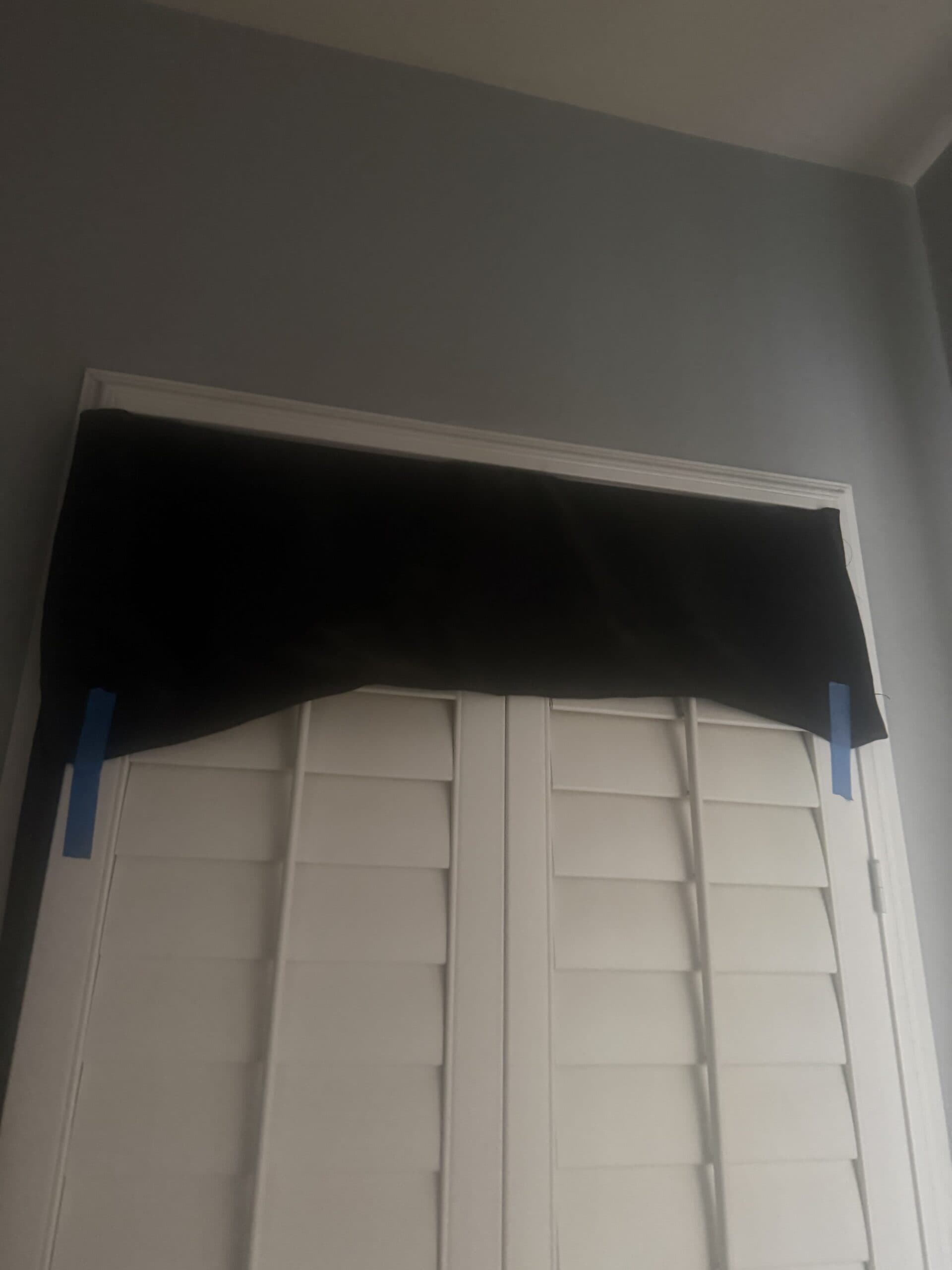
In summer, yes, and mostly by blocking heat rather than by cooling anything. In winter they work the other way, holding warmth in. The effect is real and it is insulation rather than refrigeration.
Mine are up alongside shutters and I like a cold bedroom, so the summer effect is welcome here. Arizona sun through a window is a considerable heat source and stopping it before it enters is the cheapest thing available. For more on this, see our guide to thermal and standard panels compared.
A Quick Note
This covers room temperature rather than medical advice. Persistent difficulty sleeping that continues in a comfortable room is worth raising with a doctor rather than solved with furnishings.
Quick Answer
Blackout curtains reduce solar heat gain during the day and add a layer of insulation at night. That makes a room cooler in summer and warmer in winter. Thermal-lined versions do considerably more than standard blackout fabric.
What They Actually Do to Temperature
| Season | Effect | Mechanism |
|---|---|---|
| Summer day | Cooler | Blocks solar gain before it enters |
| Summer night | Neutral | Some insulation, little sun to block |
| Winter night | Warmer | Traps air, reduces heat loss through glass |
| Winter day | Cooler if closed | Blocks useful solar gain |
Windows are the weakest thermal point in most rooms by a wide margin, so anything covering them changes the temperature considerably more than the weight of the fabric would suggest.
Blocking Heat Is Not Cooling
The distinction matters because it sets expectations. A curtain does not remove heat from a room, it stops more arriving.
Sunlight through glass heats surfaces directly, and those surfaces then heat the air. Closing curtains before the sun hits the window prevents that chain from starting.
Closing them after the room is already warm does far less, since the heat is already in the furniture and floor.
Which makes timing the whole thing. Curtains closed in the morning on a west-facing room do considerably more than curtains closed at three in the afternoon, covered in whether blackout curtains block heat.
How It Works in My Room
I have blackout curtains alongside shutters, some hanging on rods and some fitted into the shutters themselves, so most windows have two layers before heat reaches the room.
Arizona summer sun is intense enough that the difference between covered and uncovered windows is not subtle. This is the case where the effect is easiest to notice.
I like a cold bedroom, so any cooling effect is a benefit rather than something I have to work around. That colors my read on it and is worth stating.
One window does leak glare from the sides, which is a light problem rather than a heat one, and I have not fixed it, covered in how to stop light leaking around blackout curtains.
They are three or four years old and standard blackout rather than thermal, so whatever they do is from the fabric and the trapped air rather than from any insulating layer. They are also one part of a setup that includes a portable AC and fans, so I cannot isolate what they contribute on their own.
What Makes the Difference Larger
Thermal lining
A separate insulating layer, usually foam or a dense backing, does far more than blackout fabric alone. This is the single biggest factor.
Light-colored backing
A pale outward-facing side reflects sunlight rather than absorbing it, which stops the curtain itself becoming a heat source.
Full coverage
Curtains extending well past the frame and close to the floor trap air more effectively. Gaps let convection carry heat around them.
A sealed top
Warm air rises and escapes over the rod, so a valance or ceiling mount closes the loop, covered in window insulation kits.
What Else Is Heating the Room
Curtains address one route into a bedroom, and blaming them for the whole result misses several others.
The roof and ceiling matter enormously in single-story homes and top-floor rooms, since attic heat radiates downward through the day and continues well into the night.
Walls that faced the sun store heat and release it slowly. That is why a room can keep warming after sunset even with everything covered.
Appliances contribute more than people expect. A television, a computer, and a phone charger all convert their power draw into heat in the room.
People and pets add a steady load too, which is why a bedroom with two occupants runs warmer than the same room empty.
Air leaks around doors and windows bring warm outside air in continuously, and sealing those is often cheaper and more effective than upgrading the curtains, covered in window insulation kits for quiet sleep.
The Winter Side
The same insulation works in reverse once it is cold. A curtain traps a layer of still air against the glass, which reduces heat loss through the window.
Closing them at dusk rather than bedtime captures more of that, since the largest losses happen as outdoor temperature drops in the evening.
The trade is that closing them during the day blocks solar gain you might want in winter, so the ideal is open in daylight and closed once the sun is off the window.
That is more management than most people want to do, and simply leaving them closed still nets a benefit in a hot climate, covered in bedroom cooling setups for hot climates.
Curtains Against the Other Options
Window coverings vary considerably in how much they do for temperature, and curtains sit in the middle rather than at the top.
Cellular or honeycomb shades generally outperform curtains, since the cells trap air in a structured way and the shade sits inside the frame with less gap around it.
External shutters and awnings beat everything, because they stop sunlight before it reaches the glass at all. Anything on the inside is working after the heat has already entered the room.
Reflective window film reduces solar gain substantially and works all day without being closed, at the cost of reducing daylight permanently.
Blinds do less than curtains for temperature, since the slats leave gaps and metal ones absorb heat and radiate it inward.
Curtains earn their place by doing several things at once: light, some insulation, some sound absorption, and appearance. They are rarely the best answer to any single one of those, covered in blackout curtains against blinds.
How Much It Actually Changes
Estimates vary widely and the honest summary is that curtains reduce heat transfer through a window noticeably without transforming a room.
Room size, window area, orientation, and glazing all affect the result more than the curtain does. A large west-facing single-glazed window is where the difference is dramatic.
A small north-facing window in a well-insulated room will show very little, and that is not a fault with the curtains.
Which is why people report such different experiences with the same product, and why your own window matters more than any specification.
Related Reading
- do they block heat
- blackout curtains for sleep
- curtains against blinds
- curtains with shutters
- window insulation kits
- cooling setups
Frequently Asked Questions
Do blackout curtains make a room feel colder?
In summer, yes, by blocking solar heat before it enters. In winter they hold warmth in instead, so the effect depends on the season.
Do they actually cool a room?
No. They stop heat arriving rather than removing heat already there, which is why closing them before the sun hits the window matters more than closing them after.
When should I close them in summer?
Morning, before the sun reaches that window. Closing them once a room is already warm does far less, since the heat is in the furniture and floor.
Are thermal curtains much better?
Considerably, for temperature. A separate insulating layer does far more than blackout fabric alone, which is designed for light rather than heat.
Do they help in winter too?
Yes, in reverse. They trap still air against the glass and reduce heat loss, and closing them at dusk captures more of that than waiting for bedtime.
Why do people report such different results?
Window size, orientation, and glazing matter more than the curtain. A large west-facing single-glazed window shows a dramatic difference where a small shaded one shows almost none.
Are shades or shutters better for heat?
Cellular shades generally outperform curtains, and external shutters or awnings beat everything since they stop sunlight before it reaches the glass at all.
Does the color matter?
The outward-facing side does. A pale backing reflects sunlight rather than absorbing it, which stops the curtain becoming warm and radiating into the room.
Sources
- United States Department of Energy. Energy Efficient Window Coverings. https://www.energy.gov/energysaver/energy-efficient-window-coverings
- Sleep Foundation. Best Temperature for Sleep. https://www.sleepfoundation.org/bedroom-environment/best-temperature-for-sleep
Recommended Reading
See our note on making a bedroom dark.
