
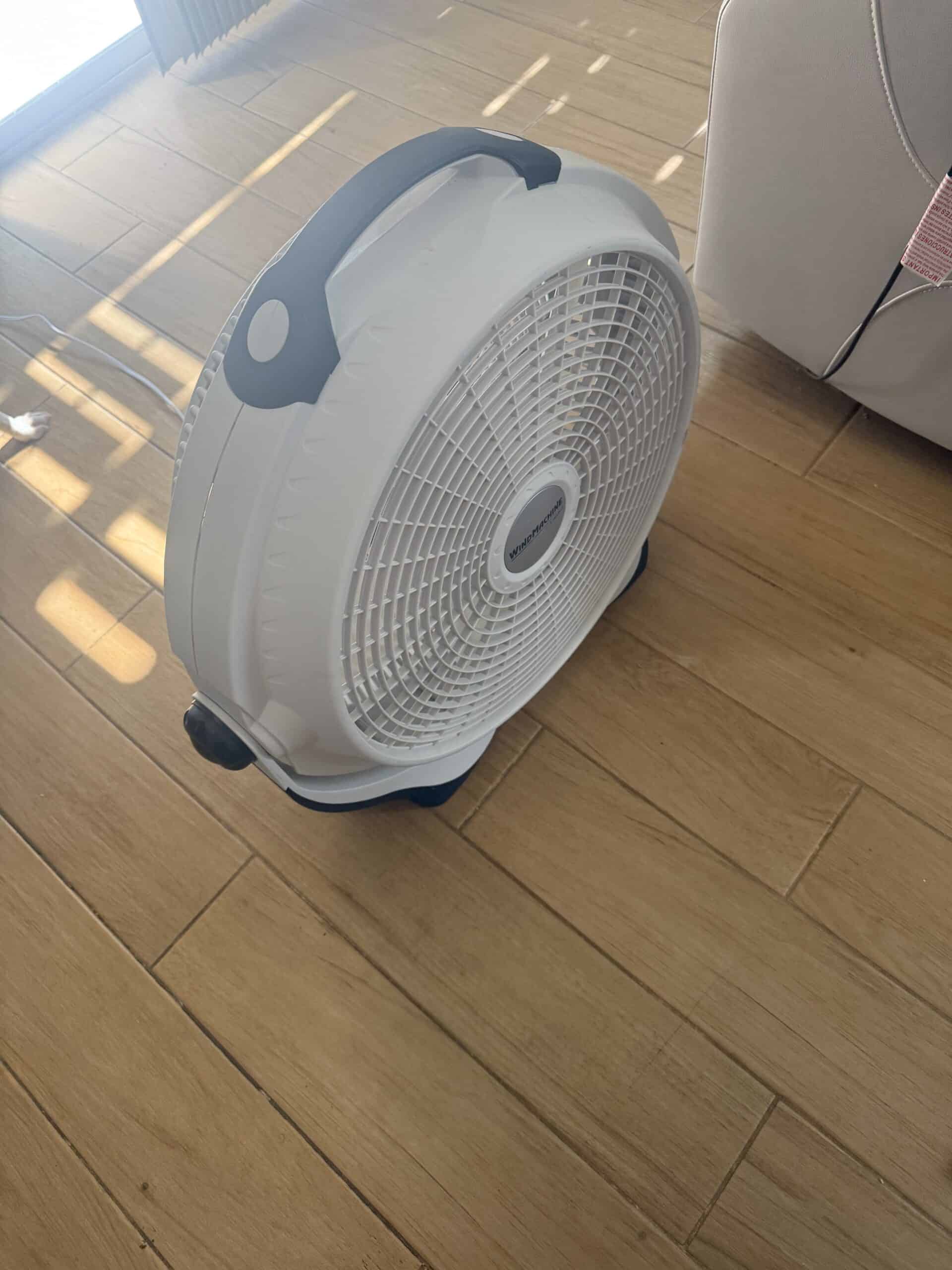
A quiet fan keeps air moving for cooler, more comfortable sleep without the motor hum or rattle that wakes light sleepers. The best quiet fans for sleeping move enough air to keep you cool, run at a genuinely low noise level, and offer a sleep-friendly setting or timer. The trade-offs that matter most are the noise level, the airflow, and features like oscillation and timers. I sleep with a fan running every night, so quiet operation matters to me as much as airflow. Below are six quiet fans worth buying, from bladeless to tower and bedside models, with a plain guide to choosing the right one. For the wider setup, see our guides to the best cooling sheets and cooling mattress toppers.
Quick Verdict
For most people, a bladeless tower fan is the quietest all-round choice for sleeping, with smooth airflow and a sleep mode. As someone who runs a fan every night, I value low noise as much as cooling: whole-room warmth suits a quiet oscillating tower, a bedside fan directs air at you, and hot sleepers may want an air circulator for stronger quiet airflow.
Why Trust This Guide
Independent picks, reader-supported through affiliate links at no cost to you. Guidance reflects genuine nightly fan use plus product research and manufacturer noise and airflow specs.
Key Takeaways
- A quiet fan cools you for sleep without a motor hum or rattle that wakes light sleepers.
- Bladeless and circulator fans tend to move air quietly for their airflow.
- Check the lowest-speed noise level, since that is what runs overnight.
- A sleep mode or timer dims displays and lowers speed through the night.
- A smooth fan sound can double as white noise to mask other household noise.
How I Picked These Quiet Fans
These picks span the main quiet-fan types by noise level, airflow, and sleep features like timers and oscillation, informed by running a fan nightly myself plus product research and manufacturer specs. Because sleep-speed noise matters most, low-setting sound was prioritized over headline airflow figures. The goal was a short list from bladeless to circulator fans rather than six near-identical models.
1. Bladeless Tower Fan, Best Overall
A bladeless tower fan is the best all-around quiet pick, moving smooth airflow with very low noise and a slim footprint that fits beside a bed. It suits most bedrooms and light sleepers.
Why It Stands Out
Bladeless designs tend to run quietly and produce a steady, non-buffeting airflow, and many include a sleep mode that dims the display and lowers the speed overnight. The tall, slim shape circulates air around the room without taking much space. For a light sleeper, the low, consistent hum is the main appeal.
Worth Knowing
Bladeless fans usually cost more than basic fans for the same airflow. Check the lowest-speed noise rating, since that is what you will run overnight.
I run a fan alongside the rest of my no-AC cooling setup through the summer.
Best For: Best for most people wanting quiet, smooth airflow by the bed. Skip only if you want the strongest possible breeze, where a larger blade fan moves more air.
2. Quiet Tower Fan, Best for Whole-Room Airflow
A tower fan with a quiet motor and oscillation circulates air across the whole bedroom, good for warm rooms that need more than a localized breeze.
Why It Stands Out
Oscillation spreads airflow around the room rather than at one spot, and quieter models keep the noise low enough for sleep while still moving real air. A timer lets it run for part of the night. It is a strong middle ground between airflow and quiet.
Worth Knowing
Oscillating fans make a little more noise than a fixed bladeless model, so check reviews for the sleep-speed sound. Some hum more as they age.
Best For: Best for cooling a whole warm bedroom quietly. Skip if you only need a breeze right at the bed.
3. Bedside Table Fan, Best for Directed Airflow
A small, quiet bedside fan aims a gentle breeze right where you sleep, ideal if you want air on you specifically rather than cooling the whole room.
Why It Stands Out
A compact fan on the nightstand points airflow directly at you, which many people find is all they need to sleep cool. Quiet models keep the noise low, and the small size suits tight spaces. Directed air is efficient and personal.
Worth Knowing
A small fan cools you but not the whole room, so a hot bedroom may still feel warm. Position it so the airflow reaches you without blowing in your face all night.
See our bedside fans guide for more compact options.
Best For: Best for people who want a breeze aimed at the bed. Skip if you need to cool the entire room.
4. White-Noise Fan, Best for Sound Masking
Some people want a fan partly for the steady sound it makes, and a fan with a consistent, pleasant white-noise quality masks other household noise while cooling.
Why It Stands Out
A smooth, even fan sound covers up sudden noises that wake light sleepers, doing double duty as cooling and sound masking. The key is a consistent hum without rattles or clicks. For noise-sensitive sleepers this is a real benefit.
Worth Knowing
What counts as pleasant white noise is personal, and a fan with any rattle defeats the purpose. If sound masking is the main goal, a dedicated machine may suit better.
For pure sound masking, see our white noise machines guide.
Best For: Best for light sleepers who want cooling plus steady sound masking. Skip if you prefer near-silent operation.
5. Budget Quiet Fan, Best Value
An inexpensive quiet fan covers the basics for a low price, an easy way to get sleep-friendly airflow without spending much.
Why It Stands Out
Even a budget fan can run quietly on its lowest setting and move enough air to sleep comfortably, making cool nights affordable. The low cost suits a spare room or a first fan. Basic models still often include a timer.
Worth Knowing
Cheaper fans may get louder over time or lack a true low-noise setting, so check the sleep-speed reviews. Treat one as a practical, affordable option rather than a premium quiet fan.
Best For: Best for affordable, sleep-friendly airflow. Skip if you want the quietest possible premium fan.
6. Air Circulator Fan, Best for Strong Quiet Airflow
An air circulator moves a strong, focused stream of air quietly, good for people who want more breeze than a gentle fan but still need low noise.
Why It Stands Out
Circulators are engineered to push air efficiently, so they move a lot of air at lower speeds, which keeps them quieter for the airflow they deliver. This suits hot sleepers who want a real breeze without a loud motor. Efficient airflow is the point.
Worth Knowing
On higher speeds even a circulator gets louder, so run it low for sleep. Its focused stream is less about whole-room oscillation and more about directed air.
Pair strong airflow with cooling bedding for the coolest sleep.
Best For: Best for hot sleepers wanting strong but quiet airflow. Skip if a gentle breeze is all you need.
Quiet Fan Types at a Glance
| Type | Best For | Noise | Airflow |
|---|---|---|---|
| Bladeless tower | All-round quiet | Very low | Smooth |
| Oscillating tower | Whole room | Low | Wide |
| Bedside fan | Directed air | Low | Focused |
| Air circulator | Strong airflow | Low to medium | Strong |
How to Choose a Quiet Fan for Sleeping
Check the lowest-speed noise
You will run the fan on a low setting overnight, so the quiet-speed noise level matters more than the maximum. Look for models specifically reviewed as quiet on their sleep setting, not just their overall rating.
Match airflow to your room
A bedside fan directs air at you, an oscillating tower cools a whole warm room, and a circulator pushes strong quiet airflow. Decide whether you want localized or whole-room cooling before choosing a type.
Look for sleep features
A timer, a dimmable display, and a sleep mode make a fan much more bedroom-friendly by cutting light and lowering speed overnight. These features matter as much as raw airflow for restful sleep.
Common Quiet Fan Mistakes to Avoid
Buying on max airflow alone
A fan rated powerful may be loud, and you will run it low for sleep. Focus on the quiet-speed noise and airflow rather than the top-speed numbers.
Ignoring display brightness
A bright LED display can light up a dark bedroom and disturb sleep. Choose a fan with a dimmable or auto-off display for true darkness.
Overlooking rattles as it ages
Some cheaper fans develop rattles or motor whine over time, which ruins quiet operation. Check long-term reviews for durability of the low-noise performance.
Bladeless, Bedside, or Circulator: Which Fits You
Bladeless for the quietest all-round
If you want smooth, low-noise airflow with a sleep mode, a bladeless tower fan is the versatile default. Its consistent hum suits light sleepers, which is why it is the pick for most bedrooms.
Bedside for directed air
If you just want a breeze on you rather than cooling the whole room, a small quiet bedside fan aimed at the bed is efficient and personal. It is ideal for tight spaces and targeted airflow.
Circulator for strong quiet airflow
If you sleep hot and want a real breeze without a loud motor, an air circulator moves a lot of air efficiently at lower, quieter speeds. Run it on a low setting for the best balance of airflow and quiet.
Frequently Asked Questions About Quiet Fans for Sleeping
What is the quietest type of fan for sleeping?
Bladeless tower fans and air circulators tend to run quietly for the airflow they deliver, and many bladeless models include a sleep mode. The key is checking the noise level on the low speed you will actually use overnight.
Is it healthy to sleep with a fan on?
Many people sleep with a fan for cooling and airflow with no problem, and the steady sound can help mask noise. Those prone to dryness or allergies may want to keep the air from blowing directly on their face all night.
Do fans help you sleep in the heat?
Yes, moving air helps sweat evaporate and keeps you cooler, which is why a fan is a core part of sleeping without air conditioning. A fan works even better combined with breathable bedding and a cool, dark room.
How loud should a fan be for sleeping?
Look for a fan that is quiet on its lowest setting, since that is what runs overnight, and read reviews specifically about sleep-speed noise. A smooth, consistent hum without rattles is ideal for light sleepers.
Can a fan be used as white noise?
Yes, a fan with a smooth, even sound can mask sudden household noises and act as white noise while cooling. The sound needs to be consistent without clicks or rattles, or a dedicated white noise machine may suit better.
Should a sleeping fan oscillate?
Oscillation spreads airflow around the room, which is good for cooling a whole warm bedroom, while a fixed fan directs air at one spot. Choose oscillation for whole-room cooling and a fixed fan for a breeze aimed at the bed.
Do quiet fans use a lot of electricity?
Fans use far less electricity than air conditioning, and running one on a low setting overnight is inexpensive. A fan is an economical way to sleep cooler, especially as part of a no-AC cooling setup.
Recommended Reading
Related: cooling blanket vs fan.
Airflow is one part of a cooling setup. the full cooling approach covers the rest.
