
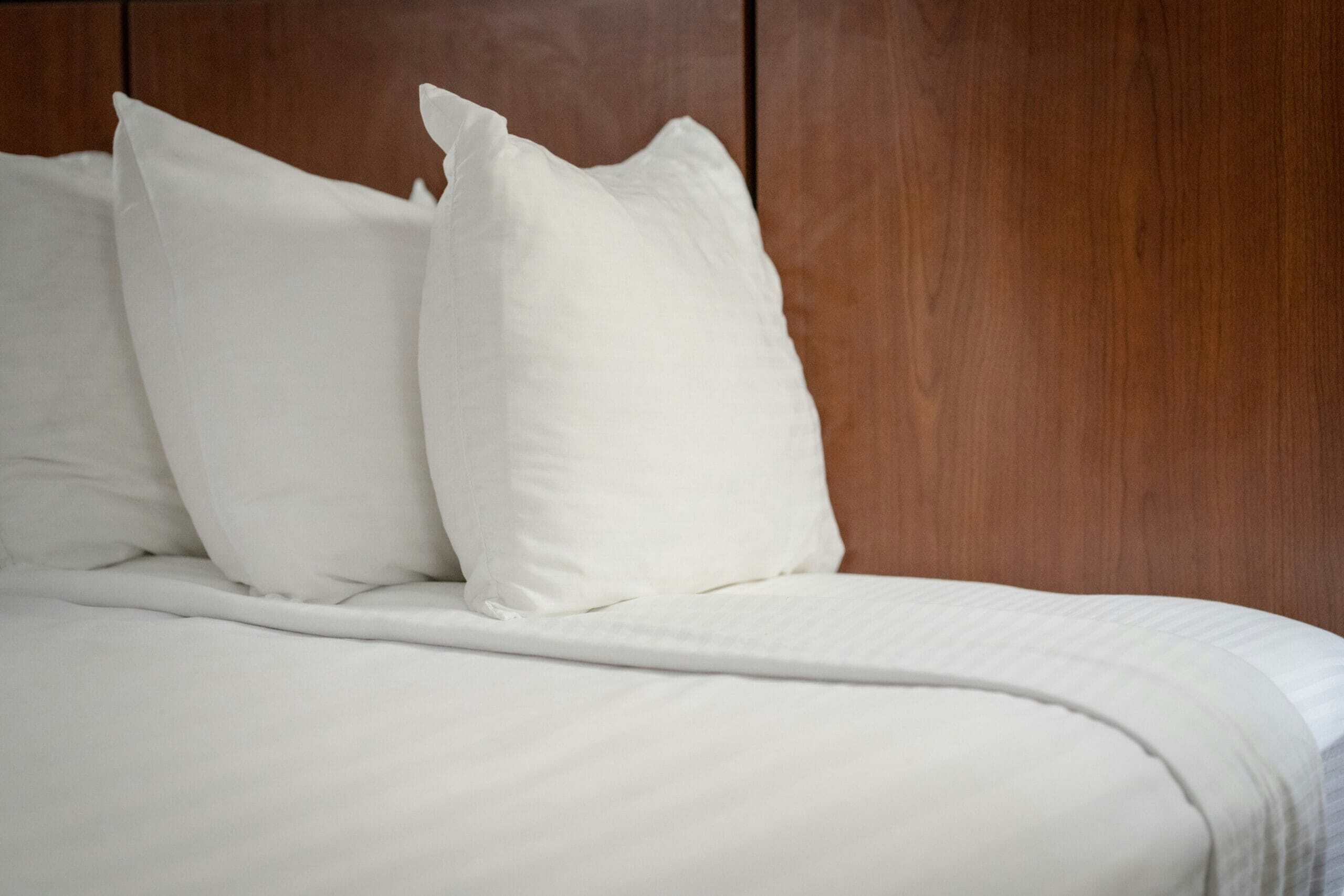
Pillow protectors do something most allergy sufferers never realize matters: they create a barrier between dust mites, pet dander, and other allergens and the sleeper’s face during the 7 to 9 hours that bedroom allergies disrupt sleep most severely. Untreated pillows accumulate roughly 350,000 dust mites per pillow within 18 months of use, with the allergen load doubling every six months without protection. Quality pillow protectors block dust mites entirely while reducing other allergen exposure by 80 to 90% based on third-party testing.
Pillow protectors fall into three main construction categories. Tightly-woven cotton or microfiber protectors use a pore size below 10 microns to block dust mites mechanically. Membrane-backed protectors add waterproof barriers for additional moisture and allergen protection. Specialty hypoallergenic protectors combine multiple barrier technologies for severe allergy sufferers. Match the construction to your specific allergy concerns and bedroom climate rather than buying based on price alone.
Below are five pillow protector picks covering different needs, from a budget-friendly entry into allergen control to premium medical-grade protection. Each carries verified allergen-blocking specifications rather than relying on vague hypoallergenic marketing claims.
Disclosure: RestRight is reader-supported. As an Amazon Associate, we earn from qualifying purchases made through links on this page, at no extra cost to you.
Medical Disclaimer
This is general information about consumer products, not medical advice. Products described as hypoallergenic or allergen-reducing may lower exposure and do not treat allergy, asthma, or any other condition. Diagnosis and management belong with a doctor or an allergist.
Why Pillow Protection Matters More Than Most Sleepers Realize
Direct facial contact with allergen-loaded pillows produces some of the worst allergy symptoms that allergy sufferers experience. Throughout the night, breathing happens directly against the pillow surface, which inhales whatever allergens accumulate in the pillow fibers. Morning congestion, sneezing, itchy eyes, and headaches often trace directly to pillow allergens rather than environmental triggers from outside the bedroom.
Dust mite biology compounds the problem over time. Mites feed on dead skin cells that accumulate in pillows during normal use. Without protection, an average pillow contains 100,000 to 350,000 dust mites within 18 months. The allergen load comes from mite feces and decomposing mite bodies, both of which trigger allergic reactions in sensitive sleepers. Protectors block both the mites and the allergen particles they produce.
Pet allergies present similar exposure problems. Pet dander accumulates in pillows even for sleepers without pets in the bedroom, since dander travels on clothing and through HVAC systems. Quality protectors block dander particles that range from 1 to 10 microns, reducing exposure even when complete pet elimination isn’t possible. Pair pillow protectors with our pillows for allergies guide and bedroom air purifiers guide for layered allergen reduction strategies.
What to Look for in Allergy Pillow Protectors
Five specs separate genuine allergen-blocking pillow protectors from marketing-driven “hypoallergenic” products. Get these right, and you wake up with measurably reduced allergy symptoms.
Pore Size Specification
Look for protectors specifying pore size below 10 microns, with 4 to 6 microns providing optimal allergen blocking. Dust mites measure 200 to 400 microns, while dust mite allergen particles are typically 10 to 40 microns. Pet dander particles range from 1 to 10 microns. Smaller pore sizes block more allergens but can also reduce breathability, requiring quality construction to balance protection with sleep comfort.
Third-Party Certification
AAFA (Asthma and Allergy Foundation of America) certification verifies allergen-blocking claims through independent testing. The certified asthma and allergy-friendly mark indicates products that meet strict allergen reduction standards. Other credible certifications include AAAAI (American Academy of Allergy, Asthma, and Immunology) approval and OEKO-TEX Standard 100 for chemical safety.
Zipper Quality and Closure
Allergens escape through cheap zippers that don’t fully seal. Look for protectors with full-perimeter zipper closures that include zipper guards or fabric flaps that block the small gap zipper teeth create. Premium protectors use ultra-fine zipper teeth specifically designed for allergen control rather than standard clothing zippers.
Breathability Rating
Tight weaves can become uncomfortably hot if they restrict airflow excessively. Quality allergy protectors balance pore size with breathability through engineered fabric construction. Look for protectors specifically marketed for both allergen control and comfort, since the engineering required differs from simple barrier construction.
Waterproof Considerations
Some pillow protectors add waterproof membranes for additional moisture and allergen protection. The membrane prevents sweat penetration into the pillow but can reduce breathability. For hot sleepers, breathable allergen-only protectors often work better than waterproof versions. For sleepers with severe allergies or those prone to drooling, waterproof protectors add valuable additional protection.
Best Pillow Protectors for Allergies and Dust Mites in 2026: Our Top 5 Picks
Five protectors covering different allergen control needs across price points. Each carries verified allergen-blocking specifications rather than marketing claims.
1. Mission Allergy 100% Cotton Pillow Encasing, Best Overall
Best Overall | Price: ~$45 per standard size
Mission Allergy’s pillow encasing earns the top slot because it combines 4.4-micron pore size construction with AAFA certification and 100% cotton fabric for sleeper comfort. The dense Egyptian cotton weave creates a mechanical barrier against dust mites and allergen particles while maintaining breathability that synthetic membrane protectors can’t match. Third-party testing confirms blocking of mite allergens above 99% and pet dander above 95%.
Build quality matches the medical-grade positioning. Full-perimeter ultra-fine zipper closure with overlapping fabric guard prevents allergen leakage at the closure point. Reinforced stitching at all seams provides durability through 100+ washings without degradation of allergen blocking. The all-cotton construction allows hot water washing (the recommended technique for allergen control) without damaging the protective properties.
The premium pricing reflects medical-grade construction and certifications. At $45 per pillow, Mission Allergy costs 2 to 3x what budget alternatives cost. For severe allergy sufferers, those with asthma, or anyone whose allergies significantly affect sleep quality, this represents a reasonable investment in measurable relief. For mild allergies, the budget options below may suffice. Cross-reference with our mattress protectors for allergies guide for matched bedding allergen control.
Key Features
- 4.4-micron pore size for maximum allergen blocking
- AAFA certified asthma and allergy friendly
- 100% Egyptian cotton construction
- Ultra-fine zipper with overlapping fabric guard
- Hot water washable up to 140°F
PROS:
- Strongest allergen blocking on this list
- AAFA certification provides verified performance
- All-cotton breathability prevents overheating
- Premium construction with reinforced stitching
- Durability through 100+ wash cycles
CONS:
- Premium price compared to budget alternatives
- Limited color options (white only)
- Slightly crisp feel some sleepers dislike initially
- Requires hot water washing for maximum effectiveness
Best for: Severe allergy sufferers, asthma patients, anyone whose allergies significantly disrupt sleep, and medical-grade allergen control needs.
2. Utopia Bedding Zippered Pillow Encasement, Best Budget
Best Budget | Price: ~$15 for 2-pack
Utopia Bedding delivers genuine allergen-blocking construction at the lowest credible price point. The 8-micron pore size construction blocks dust mites and major allergen particles, providing meaningful allergy relief at a fraction of premium pricing. The 2-pack format makes whole-household allergen control affordable, with about $7.50 per protector matching budgets that premium options can’t reach.
Quality reflects the price point reasonably. Construction includes a standard zipper closure without the overlapping flap that premium options provide. Microfiber fabric blocks allergens effectively while feeling soft against the skin. Pilling sometimes appears after 20+ washes, but the basic allergen blocking continues regardless of surface wear.
The trade-off is allergen blocking efficiency compared to premium alternatives. The 8-micron pore size blocks 85 to 92% of allergens compared to 95%+ for premium options. For mild to moderate allergies, this difference rarely matters in practical sleep quality. For severe allergies, the premium options provide measurably better relief. Match the protector to your allergy severity rather than buying based on price alone.
Key Features
- 8-micron pore size construction
- Microfiber fabric blend
- 2-pack format for whole-household coverage
- Standard zipper closure
- Machine washable in warm water
PROS:
- Lowest cost per protector on this list
- Adequate allergen blocking for mild to moderate allergies
- 2-pack provides whole-household economic coverage
- Soft microfiber feel
- Widely available at major retailers
CONS:
- Standard zipper allows minor allergen leakage
- Synthetic feels that some sleepers dislike
- Pilling possible after extended use
- Less suitable for severe allergy cases
Best for: Mild to moderate allergy sufferers, budget-conscious households, whole-household allergen control needs, and anyone testing whether pillow protectors help before investing in premium options.
3. AllerEase Maximum Allergy Protection, Best Mid-Range
Best Mid-Range | Price: ~$25 per standard size
AllerEase Maximum Allergy Protection sits between the budget and premium tiers with verified allergen blocking at a reasonable price. The 6-micron pore size and AAFA certified mark verify allergen-blocking claims through independent testing. The protector blocks dust mites entirely while blocking 93 to 97% of dust mite and pet dander allergens.
Build quality reflects the mid-range positioning well. Reinforced zipper with fabric guard prevents the leakage that budget protectors allow. Smooth microfiber surface provides a comfortable feel without the crisp cotton texture that premium cotton protectors offer. Construction holds up through 50+ washings without degradation of allergen blocking.
The combination of certification, performance, and price makes Allerease the right choice for moderate allergy sufferers who want verified performance without paying premium prices. With severe allergies, the Mission Allergy provides marginally better blocking. If you have mild allergies, the Utopia budget option sometimes suffices. And for most allergy sufferers, this mid-range pick balances all factors well.
Key Features
- 6-micron pore size construction
- AAFA certified asthma and allergy friendly
- Microfiber fabric with reinforced zipper
- Fabric guard at zipper closure
- Machine washable in hot water
PROS:
- AAFA certification at mid-range price
- Smooth microfiber feel for sleeper comfort
- Reinforced zipper prevents allergen leakage
- Strong durability through extended use
- Available in multiple pillow sizes
CONS:
- Synthetic feels that some sleepers dislike
- Less breathable than cotton alternatives
- Color limited to white only
- Slightly thicker feel than premium options
Best for: Moderate allergy sufferers wanting verified performance, sleepers who prefer microfiber feel, and households balancing budget with allergen blocking effectiveness.
4. SafeRest Premium Hypoallergenic Pillow Protectors, Best Waterproof
Best Waterproof | Price: ~$25 for 2-pack
SafeRest adds waterproof membrane construction to allergen blocking, which provides additional moisture protection beyond pure allergen control. The polyurethane membrane backing blocks sweat, drool, oils, and other moisture from reaching the pillow while maintaining the mechanical barrier against dust mites and allergen particles. For households where multiple bedding concerns coexist, this combination addresses several problems with one product.
Construction quality reflects SafeRest’s specialty in waterproof bedding products. The membrane bonds permanently to the cotton-blend outer fabric, preventing the separation that cheap waterproof products develop after washing. Full-perimeter zipper with fabric flap closure prevents both allergen and moisture leakage at the closure point. Available in a 2-pack format that brings per-protector cost to about $12.50.
The trade-off is breathability reduction from the waterproof membrane. Hot sleepers sometimes find that waterproof protectors produce overheating that the breathable Mission Allergy or Allerease options don’t cause. For sleepers who don’t run particularly hot or those who specifically need moisture protection, SafeRest provides excellent dual-function value. Cross-reference with our cooling pillows for hot sleepers guide for compatible pillow choices.
Key Features
- Waterproof polyurethane membrane backing
- Cotton-blend outer fabric
- Blocks dust mites and major allergens
- Full-perimeter zipper with fabric flap
- 2-pack format for household coverage
PROS:
- Combined waterproof and allergen protection
- 2-pack provides economical household coverage
- Durable membrane bonding through washings
- Excellent zipper closure design
- Strong brand reputation for waterproof bedding
CONS:
- Reduced breathability compared to non-waterproof options
- Can produce overheating in warm bedrooms
- Slight crinkly feel, some sleepers dislike
- Not certified through major allergy organizations
Best for: Households needing both allergen and moisture protection, sleepers who drool or sweat heavily, parents of young children with bedding accidents, and anyone wanting dual-function bedding protection.
5. AllerEase Cotton Top Allergy Protection, Best Cotton Option
Best Cotton | Price: ~$35 per standard size
AllerEase Cotton Top combines a genuine cotton sleep surface with allergen blocking, addressing sleepers who can’t tolerate synthetic microfiber against their skin. The cotton top fabric provides a natural feel and breathability, while the underside maintains allergen-blocking construction. For sleepers committed to natural fibers but needing allergen control, this combination represents a rare middle ground.
Construction details reflect the dual-material approach. The cotton top layer doesn’t compromise allergen blocking because the underside maintains the dense fabric construction needed for allergen control. Stitching joins the two layers seamlessly without creating allergen pathways. The result feels like a cotton pillowcase while functioning as a medical-grade allergen protector.
The trade-off is performance compared to fully-engineered cotton protectors like Mission Allergy. AllerEase Cotton Top blocks roughly 90% of allergens compared to Mission Allergy’s 99%, reflecting the difference between dual-material construction and fully optimized cotton barrier construction. For most allergy sufferers, the difference isn’t measurable in practical sleep quality. For severe allergies, Mission Allergy provides better blocking.
Key Features
- Cotton top layer with allergen-blocking underside
- 10-micron pore size construction
- Natural fiber sleeping surface
- Standard zipper closure
- Machine washable
PROS:
- Cotton feels with an allergen blocking function
- Natural breathability of the top surface
- Reasonable price for cotton construction
- Suitable for natural fiber preferences
- Adequate allergen blocking for most cases
CONS:
- Less aggressive allergen blocking than pure cotton or premium synthetic
- Standard zipper allows minor leakage
- Slightly bulkier than single-material alternatives
- Limited size availability
Best for: Sleepers committed to cotton surface feel, those who react to synthetic microfiber, and moderate allergy sufferers wanting natural fiber options.
Quick Comparison
| Protector | Best For | Pore Size | Certification | Price |
|---|---|---|---|---|
| Mission Allergy | Severe allergies | 4.4 microns | AAFA certified | ~$45 |
| Utopia Bedding | Budget | 8 microns | Not listed | ~$15 (2-pack) |
| Allerease Maximum | Mid-range | 6 microns | AAFA certified | ~$25 |
| SafeRest Premium | Waterproof | Membrane backed | Not listed | ~$25 (2-pack) |
| AllerEase Cotton Top | Cotton feel | 10 microns | Not listed | ~$35 |
How to Maximize Pillow Protector Effectiveness
Installation matters as much as protector quality. Place the protector directly over the pillow with the zipper fully closed before adding any pillowcase. Some sleepers skip the protector or use it loosely, which defeats the allergen barrier function. The protector must remain in place throughout sleep to maintain effective allergen blocking.
Washing routine extends both protector life and allergen control effectiveness. Wash protectors weekly in hot water (130°F or higher) to kill any dust mites that have accumulated in the protective fabric. Most quality protectors handle hot water washing without damage. Hot drying further ensures dust mite elimination. Pair with washing pillows seasonally for maximum allergen control.
Layer protector use with broader bedroom allergen management for a compound effect. Air purifiers reduce airborne allergens. Mattress protectors address allergens at the mattress level. Hard floors instead of carpet reduce dust mite reservoirs. Regular vacuuming with HEPA filtration removes accumulated allergens from soft surfaces. Our guides to bedroom air purifiers for sleep and mattress protectors for allergies cover complementary strategies.
Replace protectors every 2 to 3 years, even with proper care. The barrier construction gradually loosens over thousands of stretches during normal use. Annual inspection should check zipper function, fabric integrity, and overall barrier condition. Replacement signals include visible wear, broken zippers, or allergen reactions returning despite continued use.
Our Take on Pillow Protector Investment
Mission Allergy Cotton Pillow Encasing earns the top spot because it solves the most severe allergy situations with the strongest allergen-blocking specifications, AAFA certification, and natural cotton breathability. For sleepers whose allergies significantly disrupt sleep, this is the buy that delivers measurable relief through verified medical-grade construction.
Specialized situations call for different picks. Utopia provides a budget entry that lets you test allergen control before committing to a premium investment. AllerEase delivers mid-range certified performance at a reasonable price. SafeRest combines waterproof and allergen protection for households needing dual function. AllerEase Cotton Top adds a natural cotton feel for sleepers who can’t tolerate microfiber.
Whatever you choose, give the protector 2 to 3 weeks to assess allergy improvement. Some sleepers see immediate relief from morning congestion and irritation. Others need 2 to 4 weeks for accumulated bedroom allergens to fully clear through washing and replacement of related bedding. Combined with regular hot-water washing and broader bedroom allergen management, quality pillow protectors often produce dramatic allergy symptom improvement that other interventions cannot match.
Frequently Asked Questions
What are the best pillow protectors for allergies and dust mites?
The best pillow protectors for allergies and dust mites are Mission Allergy Cotton Encasing for severe allergies, Utopia Bedding for budget, Allerease Maximum for mid-range AAFA certified performance, SafeRest Premium for waterproof needs, and AllerEase Cotton Top for natural fiber preferences. Match the protector to your specific allergy severity and budget rather than buying based on brand alone.
Do pillow protectors really help with allergies?
Yes, measurably so. Quality pillow protectors block 85 to 99% of dust mite allergens and pet dander particles from reaching the sleeper’s face during sleep. Most allergy sufferers see noticeable improvement in morning congestion, sneezing, and eye irritation within 2 to 3 weeks of consistent use. The improvement is most dramatic for severe allergy sufferers and those whose primary trigger is dust mites.
How often should I wash pillow protectors?
Wash pillow protectors weekly in hot water (130°F or higher) for optimal allergen control. The hot water kills any dust mites that have accumulated in the protective fabric and removes other allergens. Tumble dry on high heat for additional dust mite elimination. Quality protectors handle this washing routine for years without degradation of allergen blocking effectiveness.
What pore size do I need to block dust mites?
For dust mite blocking, look for pore sizes below 10 microns. Premium protectors use 4 to 6 micron pore sizes for maximum allergen blocking, including the smaller allergen particles dust mites produce. Dust mites themselves are 200 to 400 microns, so any well-constructed protector blocks them, but the smaller pore sizes block more of the allergen particles that actually trigger reactions.
Should I get waterproof pillow protectors?
Waterproof protectors make sense for sleepers who drool or sweat heavily, parents of young children, and households where bedding moisture protection is a separate concern. For pure allergen control without moisture concerns, breathable allergen-only protectors work better because they don’t reduce airflow. Match the protector type to your specific concerns rather than always choosing waterproof options.
Can pillow protectors help with asthma?
Yes, particularly for asthma triggered by dust mite or pet dander allergens. Look for protectors carrying AAFA (Asthma and Allergy Foundation of America) certification, which verifies allergen blocking through independent testing. Most asthma patients benefit from quality pillow protectors as part of broader bedroom allergen reduction, including mattress protectors, air purifiers, and regular hot-water washing of all bedding.
How long do pillow protectors last?
Quality pillow protectors last 2 to 3 years of weekly use before needing replacement. The barrier construction gradually loosens over thousands of stretches during normal use. Premium options like Mission Allergy often last 3 to 5 years with proper care. Budget protectors typically need replacement after 18 months to 2 years. Replace protectors when allergy symptoms return despite continued use or when visible wear appears.
Do I still need pillowcases with pillow protectors?
Yes, use pillowcases over pillow protectors for several reasons. Pillowcases protect the protector from face oils and skin contact, extending protector life. Pillowcases provide a softer surface feel than most protectors. The combination of protector plus pillowcase creates layered protection while maintaining sleep comfort. Wash pillowcases more frequently than protectors (every few days versus weekly).
Recommended Reading
See also our guides to body pillow vs pregnancy pillow.
Related Reading
Explore more: how to fluff a pillow, bed skirts and dust ruffles, pillow sprays for sleep, and The Allergy-Free Sleep Guide: 5 Bedroom Shifts You Need to M.
Related guides: why is my pillow turning yellow.
When should I see a doctor?
If symptoms persist despite reducing exposure, if they worsen seasonally or at night, or if breathing is affected. Allergy testing identifies what you actually react to, which is more useful than guessing at products.
Sources
- Asthma and Allergy Foundation of America. Allergy and asthma resources. https://aafa.org/
- National Institutes of Health. MedlinePlus health topics. https://medlineplus.gov/
