
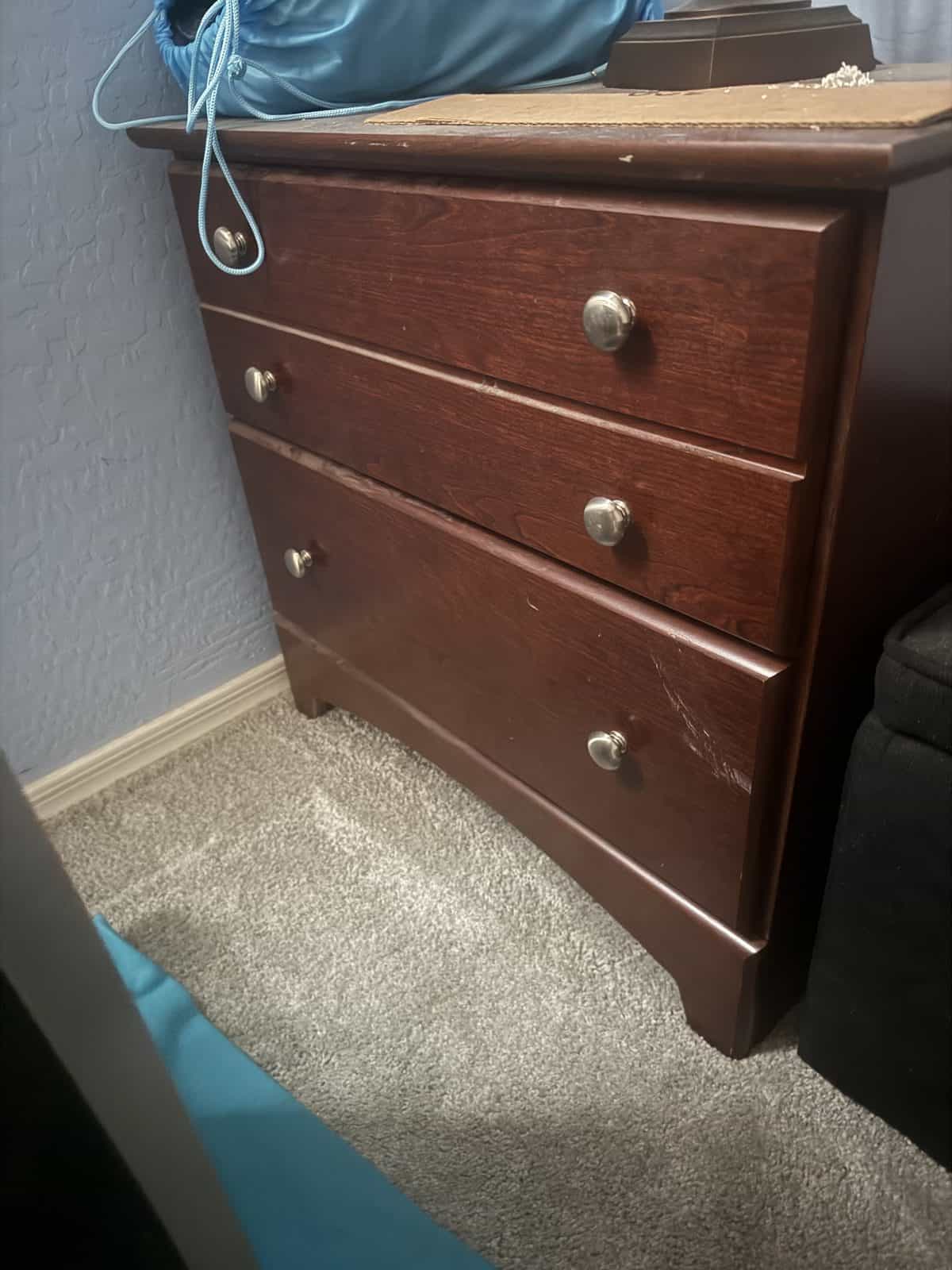
The best nightstand for most bedrooms is the Nathan James Drawer Nightstand, which pairs a hidden drawer and an open shelf with a solid build and clean look. A good nightstand sits level with your mattress so everyday reaches feel natural, and it stores the small clutter of bedside life out of sight. The right one comes down to height, storage type, surface space, and build quality. I have used the same nightstand for years, so I will fold that in alongside six picks worth your money.
Quick Verdict
The Nathan James Drawer Nightstand is the best overall for versatile drawer-and-shelf storage. For maximum storage, the Lexicult three-drawer is a small chest at bedside height. On a budget, the AmazonBasics nightstand covers the basics cheaply.
Why Trust This Guide
I have used the same bedside nightstand for years, so I know firsthand what makes one hold up and feel right next to the bed. No brand is visible on mine, so I do not name it, and I have not personally tested the specific models recommended below; those picks are based on height, storage, build quality, and footprint, with sources cited. I keep my own experience and the researched picks clearly separate.
Key Takeaways
- The surface should sit roughly level with the top of your mattress for natural reaches.
- Drawers hide clutter; open shelves keep books reachable; many nightstands combine both.
- A taller nightstand suits a bed raised on a frame, so the surface matches the mattress.
- Solid build with smooth drawers is what makes a nightstand last for years.
- For two-sided beds, a matching pair gives a balanced, intentional look.
Disclosure: RestRight is reader-supported. As an Amazon Associate, we earn from qualifying purchases made through links on this page, at no extra cost to you.
What I Use
The nightstand by my bed is a dark wood, two-drawer piece, and it has been there for years. The top drawer is fronted with four knobs so it reads like two small drawers, with a wide drawer below it, and together they hold the bedside clutter out of sight. It has held up well the whole time, which is the main thing I want from a piece of furniture that gets daily use.
The height is what I appreciate most. My bed sits up on a frame, and this nightstand is tall enough that the top lands at a comfortable level, so reaching the lamp or setting down a glass never feels like a stretch. I keep a lamp on it, which is the natural pairing; our bedside lamps guide covers what to put on top. That height-and-storage combination is exactly what I weighed in the picks below, though those specific models are research-based rather than ones I have used.
Why a Nightstand Earns Its Spot
The space beside the bed is prime real estate, where you set the things you want at hand the moment before sleep and after waking: a lamp, a phone, glasses, a book, water, perhaps medication. Without a surface there, those items end up on the floor or out of reach. Storage is part of the value, since a drawer or shelf keeps chargers, lip balm, and books contained rather than scattered, and enclosed storage in particular keeps the bedroom looking calm. Height matters more than people expect: a nightstand works best when its surface sits roughly level with the top of the mattress, so reaching a lamp is natural rather than awkward. Pair a well-matched nightstand with our bed frames guide for a coordinated setup. Whatever sits on it ends up trailing cables, and our cable management picks deal with that.
What to Look for in a Nightstand
Height
The surface should sit roughly level with the top of your mattress, making it natural to reach a lamp or set down a glass. Measure your mattress height from the floor, including the frame, and choose a nightstand that matches. A bed raised on a frame needs a taller nightstand, which is exactly the case with mine.
Storage Type
Drawers hide clutter and organize small items, open shelves keep books visible and grabbable, and some nightstands combine both. Consider how much you keep beside the bed and whether you prefer it hidden or in view. Match the storage to your habits.
Surface Space
The top should fit what you actually keep there, typically a lamp plus a phone, a book, and a glass of water. A surface too small forces items to compete for room. Consider what lives on your nightstand and choose an adequate top.
Build Quality
The nightstand should be sturdy and stable, with drawers that slide smoothly and a surface that does not wobble. Solid construction is what lets it last for years, as mine has. A well-built piece stays functional far longer than a flimsy one.
1. Nathan James Drawer Nightstand: Best Overall
The Nathan James Drawer Nightstand comes out on top by balancing enclosed drawer storage, an open shelf, solid build quality, and a clean style at an accessible price. The drawer-and-shelf combination handles both kinds of bedside storage, hiding small clutter while keeping a book reachable.
Why It Stands Out
The enclosed drawer keeps small items out of sight while the open shelf gives easy access to a book, and few nightstands at this price offer both. The build is solid with a smooth drawer, and the clean style suits a wide range of bedrooms. For most rooms, it covers the bases.
Worth Knowing
The single drawer holds less than a multi-drawer chest, and the contemporary look may not suit every style. For most bedrooms, neither is an obstacle.
Get the Nathan James if you want versatile storage and quality at a fair price. Skip it if you need maximum drawer capacity.
Check Price on Amazon2. Lexicult Three-Drawer Nightstand: Best for Storage
The Lexicult three-drawer nightstand answers the needs of anyone who keeps a lot beside the bed. Where a single-drawer table fills up fast, three drawers provide real capacity for medication, books, electronics, and personal items, all sorted and out of sight. It is essentially a small chest of drawers at bedside height.
Why It Stands Out
Three drawers let you sort items by type rather than jumbling everything together, and the enclosed storage keeps a well-stocked nightstand looking tidy from across the room. For storage-focused bedrooms, the capacity is the draw.
Worth Knowing
It has a larger footprint and higher price than a compact nightstand, reflecting the added storage. That trade is the point of the design.
Choose the Lexicult if you keep a lot at your bedside. Skip it if floor space is tight or you want to spend less.
Check Price on Amazon3. AmazonBasics Nightstand: Best Budget
For a guest room, a first apartment, or a tight budget, the AmazonBasics Nightstand covers the core job at the lowest credible price. It provides a stable surface and basic storage beside the bed without significant investment, holding a lamp and the essentials.
Why It Stands Out
It delivers the fundamental function, a surface and basic storage, at a low price, which is exactly right for a guest room or an economically furnished first apartment. For simple, working bedside furniture, it does the job affordably.
Worth Knowing
The construction is functional rather than refined, and the materials and finish will not match higher-tier nightstands. For a primary bedroom meant to last, the step up is worth it.
Get the AmazonBasics for budget or guest-room use. Skip it if you want a lasting, refined primary-bedroom piece.
Check Price on Amazon4. Casa Andrea Compact Nightstand: Best for Small Bedrooms
Small bedrooms and tight bedside spaces call for a nightstand that does not crowd the room, and the Casa Andrea compact design solves that. A slim nightstand fits where a full-size table would not, providing a bedside surface and some storage in a footprint suited to apartments and beds placed close to a wall.
Why It Stands Out
The narrow footprint still holds a lamp, a phone, and a glass of water while taking up far less floor space, making a bedside table possible where a larger one would not fit. For small bedrooms, it delivers function without crowding.
Worth Knowing
The smaller surface and storage are the trade for the compact size, which is the point rather than a flaw. It suits tight spaces specifically.
Choose the Casa Andrea for small bedrooms and tight spaces. Skip it if you need ample surface or storage.
Check Price on Amazon5. Nathan James Mid-Century Nightstand: Best Style
When the nightstand should be a design piece, the Nathan James mid-century style brings character to the bedside. Tapered legs, clean lines, and warm wood tones have lasting appeal, and a nightstand in that style anchors a stylish bedroom while still holding a lamp and storing items.
Why It Stands Out
The tapered legs and warm wood give a designed, intentional look that elevates the bedroom beyond a plain functional table, and a drawer or shelf keeps it useful. For style-focused rooms, it contributes real character.
Worth Knowing
It costs more than plain budget nightstands, reflecting the design. The mid-century look also suits some rooms better than others.
Get the mid-century Nathan James for a design-forward bedroom. Skip it if you want the cheapest functional option.
Check Price on Amazon6. Rolanstar Nightstand With Charging Station: Best With Charging
The Rolanstar Nightstand with Charging Station is the pick if you charge devices at the bedside. It combines two drawers and a storage shelf with a built-in power strip carrying AC outlets and USB ports, so your phone and lamp plug in right at the nightstand instead of fishing for a wall outlet.
Why It Stands Out
The integrated outlets and USB ports put charging within arm’s reach, and the two drawers plus open shelf cover both hidden and visible storage. For a device-heavy bedside, the built-in power is genuinely convenient. Adjustable feet help it sit level on uneven floors.
Worth Knowing
It is built from engineered wood rather than solid hardwood, and the power strip ties the placement near how the cable routes. The charging feature is the main reason to pick it.
Choose the Rolanstar if bedside charging matters. Skip it if you prefer solid wood or do not need built-in outlets.
Check Price on AmazonNightstands at a Glance
The details below come from each maker’s specifications.
| Nightstand | Storage | Standout | Best for |
|---|---|---|---|
| Nathan James Drawer | Drawer and shelf | Versatile storage | Best overall |
| Lexicult Three-Drawer | Three drawers | Ample capacity | Storage |
| AmazonBasics | Drawer or shelf | Low price | Budget |
| Casa Andrea Compact | Small drawer/shelf | Narrow footprint | Small bedrooms |
| Nathan James Mid-Century | Drawer or shelf | Mid-century design | Style |
| Rolanstar Charging | Two drawers, shelf | Built-in outlets and USB | Charging |
How to Choose and Place a Nightstand
Match the Height to Your Mattress
A nightstand works best when its surface sits roughly level with the top of the mattress. Measure your mattress height from the floor, including the frame, and choose a nightstand close to that height. A bed on a frame usually calls for a taller nightstand, as mine does.
Choose Storage That Matches Your Habits
If you keep many small items beside the bed, drawers keep them organized and hidden, while an open shelf suffices if you mainly want a book reachable. Think about what actually lives at your bedside. A under-bed storage option can handle the overflow.
Measure the Space Beside the Bed
Before buying, measure the space between the bed and the wall or furniture so the nightstand fits without crowding the room or blocking pathways. In small bedrooms, a compact nightstand fits where a standard one would not. Match the size to the actual space.
Consider a Matching Pair
For a bed with space on both sides, a matching pair creates a balanced, intentional look and gives both sleepers their own surface. Many nightstands are sold individually, so check before buying. Pair them with a coordinated headboard for a finished look.
Recommended Reading
- bedside lamps reading before bed
- bed frames for bedrooms
- bed risers for storage and height
- blackout curtains for sleep
- how to choose bedroom essentials
- nightlights better sleep
- wake up light alarm clocks
- smart bulbs
Frequently Asked Questions
What are the best nightstands and bedside tables?
The best overall is the Nathan James Drawer Nightstand for versatile drawer-and-shelf storage. The Lexicult three-drawer is best for storage, the AmazonBasics is best for budget, the Casa Andrea is best for small bedrooms, and the Rolanstar adds bedside charging. Match the nightstand to your storage needs, bedroom size, and style.
What height should a nightstand be?
A nightstand works best when its surface sits roughly level with the top of your mattress, making it natural to reach a lamp without an awkward stretch. Measure your mattress height from the floor, including the frame, and choose a nightstand close to that height. A bed raised on a frame usually needs a taller nightstand.
How much storage does a nightstand need?
It depends on how much you keep beside the bed; a multi-drawer nightstand keeps many small items organized and hidden, while an open shelf or single drawer suffices if you keep little. Think about what actually lives at your bedside. Enclosed storage keeps the room looking tidier.
What nightstand works for a small bedroom?
A compact, narrow nightstand like the Casa Andrea fits where a full-size table would not, still holding a lamp and a few essentials. Measure the space between the bed and the wall first. The smaller surface is the trade for fitting a tight room.
How long should a nightstand last?
A solidly built nightstand can last many years of daily use, as mine has for years. Smooth-sliding drawers and a stable, non-wobbling surface are the signs of a build that will hold up. Solid construction matters more than looks for longevity.
Should nightstands match the bed or each other?
A matching pair on both sides of the bed creates a balanced, intentional look, though the nightstands do not have to match the bed frame exactly. Coordinating wood tones or styles is usually enough. Function and height matter more than a perfect match.
Do I need a nightstand with charging built in?
Built-in outlets and USB ports, like the Rolanstar’s, are convenient if you charge a phone and other devices at the bedside, but a plain nightstand plus a nearby outlet works too. Choose built-in charging if you want everything within arm’s reach. Otherwise it is optional.
What should I put on a nightstand?
Most people keep a lamp plus a phone, a book, a glass of water, and small essentials, so choose a surface large enough for those without crowding. A lamp is the usual anchor, covered in our bedside lamps guide. Keep the rest minimal for a calm bedside.
Related Reading
Explore more: massage tables, Inversion Tables That Take the Pressure Off Your Back in 202, and bedside fans cooling.
Recommended Reading
See also our guides to bedside lamps with usb charging, massage tables, and touch control bedside lamps.
What sits on the surface decides how big it needs to be. Ports, cables, and what actually needs charging bedside covers planning that.
