
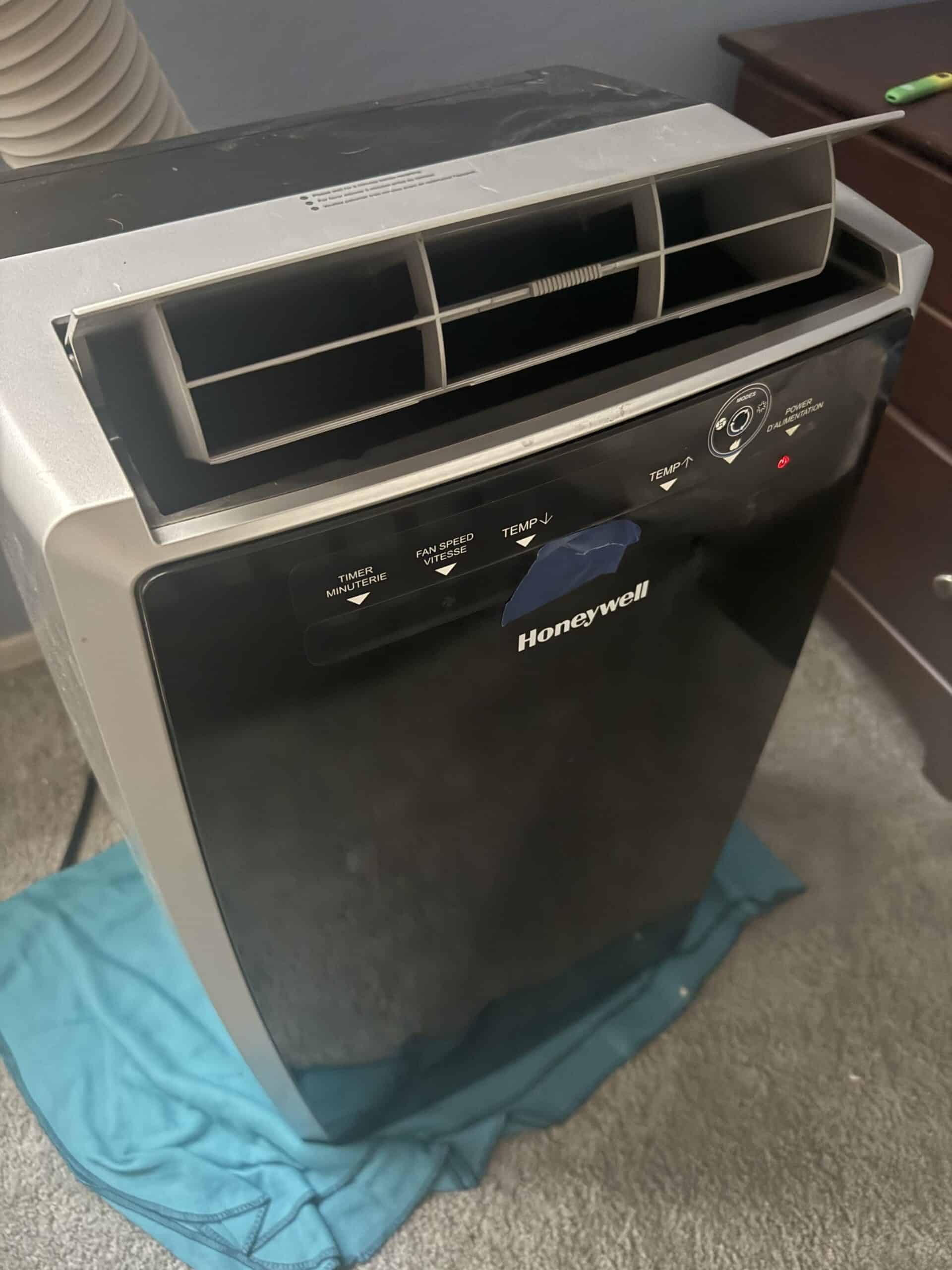
For cooling a bedroom overnight rather than a whole home, usually yes. Running central air through an empty house to keep one room comfortable costs far more than cooling that room directly, and the gap widens the larger the house is.
The tradeoffs are noise, the window kit, and the fact that portable units are less efficient per unit of cooling than window or central systems. Whether those matter depends on how you sleep and what you are comparing against. For more on this, see our guide to single-hose and dual-hose units compared.
Quick Answer
Worth it if you are cooling one room while the rest of the house does not need it, particularly overnight. Not worth it if you need to cool several rooms, if window venting is impossible, or if noise disturbs you. Dual-hose models cool considerably better than single-hose. For more on this, see our guide to how long these last.
Key Points
- Cooling one room beats running central air for the whole house
- Dual-hose units are meaningfully more efficient than single-hose
- All portable units need a window vent for the exhaust
- They are noisier than window or central systems
- Overnight-only running suits the economics well
- Noise works as white noise for some people and not others
Portable AC Against the Alternatives
| Portable AC | Window unit | Central air | Fan only | |
|---|---|---|---|---|
| Cools one room | Yes | Yes | Inefficiently | No |
| Efficiency | Lower | Higher | Highest per area | Not applicable |
| Noise | High | Moderate | Low in room | Low to moderate |
| Install | Window kit | Window mount | Professional | None |
| Movable | Yes | Awkward | No | Yes |
| Landlord approval | Rarely needed | Often needed | Not applicable | No |
How the Cost Comparison Works
Central air cools every room it reaches whether anyone is in them or not. Running it overnight to keep a bedroom comfortable means paying to cool a whole house for one occupied room.
A portable unit cools the room it is in. Lower efficiency per unit of cooling, applied to a far smaller volume, usually comes out ahead for single-room use.
That maths reverses when several rooms need cooling. Three portable units running is worse than central air on both cost and noise.
What I Use
Mine runs overnight only, in the bedroom, during Arizona summer. Outside of summer it does not come out.
Worth the money, and the comparison that makes it worth it is central AC on low. Keeping that running would be much, much more costly than cooling the one room I am sleeping in.
I like the noise. That is a genuine part of why it suits me rather than something I tolerate, and it works the same way the fans do, which run year round partly for the sound.
Someone who finds appliance noise disturbing would weigh this differently, and it is the single most divisive thing about portable units.
My experience covers overnight bedroom use in a dry hot climate. It does not cover all-day running, cooling multiple rooms, or humid climates where the moisture handling matters more.
Single-Hose Against Dual-Hose
Single-hose
Draws air from the room, uses it to cool the condenser, and exhausts it outside. That creates negative pressure, which pulls warm air in through gaps elsewhere and works against the cooling.
Dual-hose
Draws outside air for the condenser through one hose and exhausts through the other, leaving room air alone. Noticeably more effective for the same rated capacity.
Which to buy
Dual-hose where the budget allows, particularly for larger rooms. The efficiency difference is real rather than marketing.
What the ratings hide
Single-hose units are often rated by a method that does not account for the air they pull in, so effective cooling is lower than the number suggests.
The Window Kit
Every portable unit exhausts hot air, and that has to go outside. The kit that comes with it fits a standard sliding or sash window and rarely seals perfectly.
Gaps around the panel let warm air back in, which reduces cooling. Foam strips or tape close them, and that ten-minute job makes a measurable difference.
Casement and awning windows are the problem cases, since the standard kit assumes a window that slides. Custom panels exist and add cost and effort.
Where venting is impossible, a portable AC does not work. Units advertised as ventless are evaporative coolers, which add humidity rather than removing it and perform poorly in humid climates.
Noise
The compressor sits in the room rather than outside, which is why portable units are louder than window or central systems. That is inherent to the design.
Levels typically run in the low to mid fifties in decibels, comparable to a conversation, and the cycling on and off is often more noticeable than the steady running.
For anyone who sleeps better with consistent sound, that noise is a benefit rather than a cost. For light sleepers it can be the reason a unit gets returned. The wider question sits in white noise machine against fan.
Drainage and Maintenance
Portable units pull moisture out of the air along with heat, and that water has to go somewhere.
Self-evaporating models push most of it out through the exhaust hose, which works well in dry climates and struggles in humid ones where the unit produces more condensate than it can evaporate.
Where the tank fills, the unit shuts off until emptied, which means waking to a warm room. A continuous drain hose to a floor drain or a low window avoids that entirely.
Filters need cleaning every few weeks during a season of use. A clogged filter reduces airflow, which cuts cooling and makes the unit work harder for the same result.
Sizing It Properly
Cooling capacity is stated in BTUs, and matching that to room size matters in both directions.
Undersized units run constantly without reaching temperature, which costs more and cools less. Oversized units cool quickly then shut off before removing humidity, which leaves a room cold and clammy.
Sun exposure, ceiling height, and insulation all shift the requirement, so a west-facing room needs more than a north-facing one of the same size.
Blocking heat before it arrives reduces what any unit has to do, covered in whether blackout curtains block heat.
Running It Overnight Only
Overnight running suits the economics because it matches cooling to occupancy. A bedroom cooled from bedtime to morning is cooled exactly when someone is in it.
Most units have timers and thermostats, so setting a temperature rather than running continuously reduces cycling and cost.
A room that has absorbed heat all day takes a while to cool, so starting an hour before bed produces a comfortable room at bedtime rather than one still working toward it.
Running a fan alongside distributes the cooled air and lets a higher setting feel the same, covered in running a fan and AC together.
Worth It Against Not
Worth it for cooling one room while the rest of the house does not need it, for renters who cannot install a window unit, and for anyone who sleeps well with steady noise. Overnight bedroom use is the clearest case.
Not worth it if several rooms need cooling, if your windows will not take a vent kit, or if appliance noise disturbs you. Where central air already runs for other reasons, adding a portable unit duplicates work. The full picture sits in bedroom cooling setups for hot climates.
Related Reading
- units compared
- the full setup
- pairing with a fan
- the no-AC alternative
- reducing the load
- the noise question
Related: do you empty a portable ac.
Related: portable ac cost to run overnight.
Frequently Asked Questions
Is a portable AC cheaper than running central air?
For one room, usually yes. Central air cools the whole house whether rooms are occupied or not, and a portable unit cools only the room it is in, which more than offsets its lower efficiency.
Are portable ACs less efficient than window units?
Yes. The compressor sits inside the room and single-hose designs pull in outside air through gaps, and window units vent more of their heat directly outdoors.
Do I need a window for a portable AC?
Yes. All of them exhaust hot air and it must go outside. Units sold as ventless are evaporative coolers, which add humidity rather than cooling the way an AC does.
Single-hose or dual-hose?
Dual-hose where budget allows. Single-hose units create negative pressure that pulls warm air in from elsewhere, which works against the cooling they provide.
How loud are they?
Louder than window or central systems, since the compressor is in the room. Many people find the steady sound helps them sleep, and light sleepers often do not.
What size do I need?
Match BTU rating to room size, adjusted for sun exposure and ceiling height. Undersized units run constantly without cooling, and oversized ones cycle off before removing humidity.
Should I run it all day or overnight?
Overnight matches cooling to when the room is occupied, which is where the cost advantage comes from. Starting an hour before bed gives the room time to cool.
Appliances are one layer of a cooling setup. cooling a bedroom properly covers the order.
