
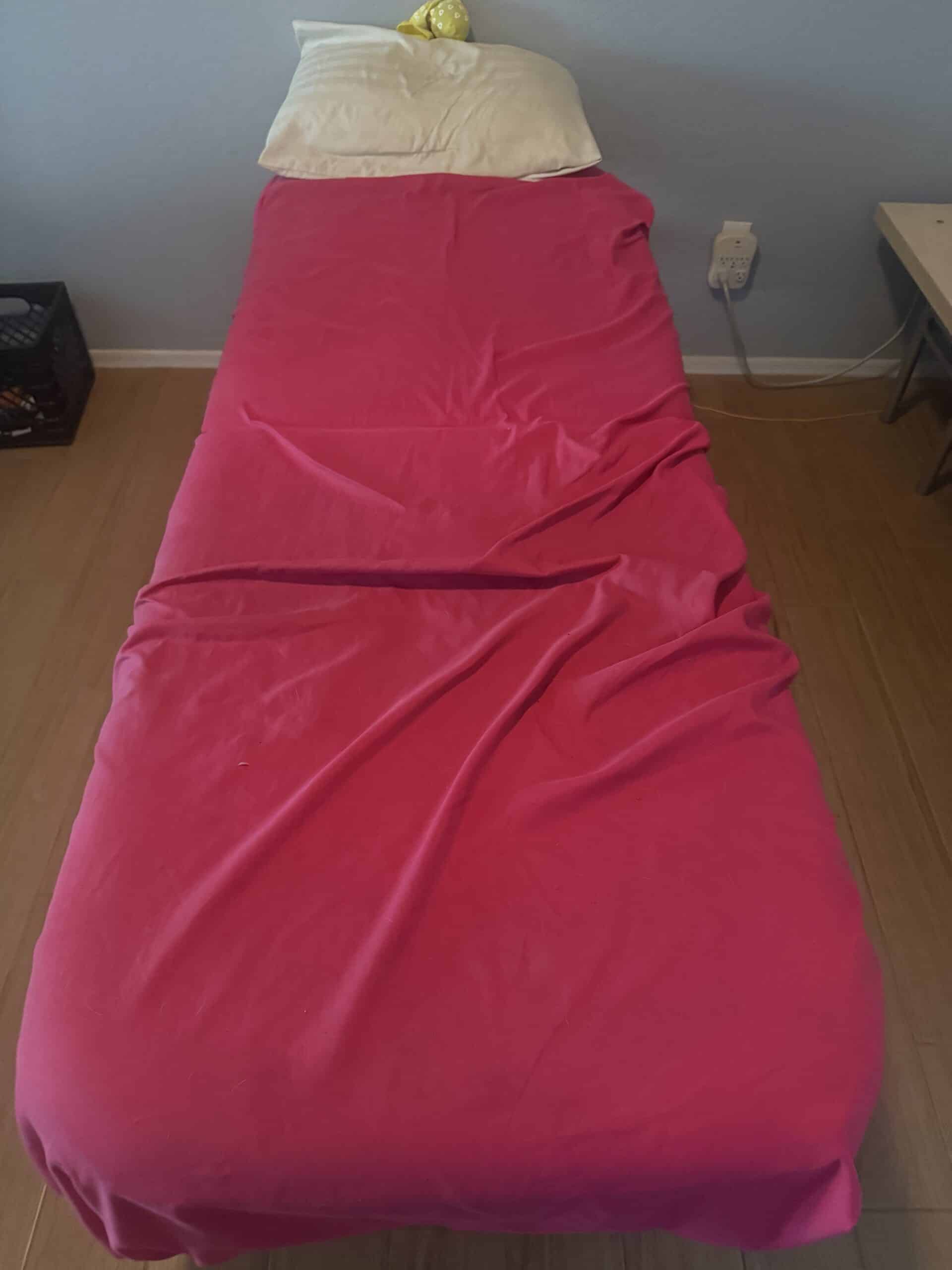
It depends who is using it and how often. A massage table earns its cost quickly for daily use by someone managing ongoing pain, and it is an expensive stretching mat for anyone using it occasionally.
The advantage over the floor is height and firmness. A flat surface at waist level lets someone else work on you properly, and it makes getting up and down far easier for anyone with limited mobility, which is exactly the group most likely to need one.
Quick Answer
Worth it for daily use, for anyone who struggles getting up from the floor, or where someone is giving massages regularly. Not worth it for occasional stretching, where a mat costs a fraction and stores in a cupboard. Folding models solve the space problem better than people expect.
Key Points
- Frequency of use decides this more than anything else
- Height matters most for people with mobility limitations
- Folding tables store flat against a wall or under a bed
- Setup takes under a minute on a decent model
- A mat covers occasional stretching for far less
- Weight capacity and padding depth are the specifications to check
Who It Suits
| User | Worth it | Why |
|---|---|---|
| Daily use for chronic pain | Yes | Cost per use drops fast |
| Difficulty getting off the floor | Yes | Height is the whole benefit |
| Someone giving regular massages | Yes | Floor work is hard on the giver |
| Occasional stretching | No | A mat does the same job |
| Foam rolling only | No | Floor is firmer and works better |
| Very limited storage | Depends | Folding models are thinner than expected |
Height Is the Real Advantage
Most of what a massage table offers over the floor comes down to being at waist height rather than ground level.
For anyone giving a massage, working on someone at floor level means kneeling and bending, which becomes uncomfortable within minutes and limits how much pressure you can apply.
For the person receiving, getting down to the floor and back up again is the barrier. Anyone with back pain, hip problems, or reduced mobility finds that harder than the session itself.
The face cradle matters too, since lying face down on a flat surface means turning your head to one side, which strains the neck over any length of time.
How It Gets Used Here
Ours was bought primarily for a family member managing ongoing pain following a car accident years ago. He uses it daily, and that frequency is what justifies the purchase.
I use it every couple of weeks for stretching and rolling. It does help, and I would not have bought one for that alone.
It folds flat and setting it up is not a hassle at all. That surprised me, since the size when it is out suggests something more involved than it turns out to be.
So the honest summary from this household is that the table earns its place because of the daily user rather than the occasional one. My use is a bonus on top of a purchase that was already justified.
My experience covers a folding table used daily by one person and occasionally by another. It does not cover professional or stationary tables, and nothing here is medical advice about managing pain.
Folding Tables and Storage
Portable folding tables collapse to roughly the footprint of a large suitcase, usually four to six inches thick when closed.
That stores against a wall in a closet, behind a door, or under a bed. The mental image of a massage table is far bulkier than the reality of a folded one.
Weight is the constraint rather than size. Aluminum frames run lighter and wooden ones feel more stable, and anything above thirty pounds is awkward to move regularly.
Carry cases are worth having, since a table dragged out unprotected picks up scuffs and the vinyl marks easily. General setup guidance sits in massage tables compared. A table needs a second person, which is why shiatsu massage chairs appeal to anyone working alone.
What to Check Before Buying
Weight capacity
Stated capacity usually includes both static and working weight, and those differ. Working capacity accounts for pressure applied during a massage, and it is the number that matters.
Padding depth
Two to three inches of foam suits most home use. Thinner is uncomfortable for long sessions and thicker makes it harder to apply deep pressure.
Adjustable height
Nearly all tables adjust, and the range matters if people of different heights will use it. Setting it at the giver’s hip height is the usual guidance.
Width
Wider is more comfortable to lie on and harder for the giver to reach across. Thirty inches is a common compromise for home use.
Massage Table Against the Alternatives
A stretching mat
Covers stretching and rolling for a fraction of the price and stores rolled up. It does nothing for the height problem, which is the table’s main benefit. Options sit in stretching mats.
A bed
Free and too soft. Pressure sinks into the mattress rather than into the muscle, which is why it works badly for anything beyond light work.
The floor
Firmer than a bed and better for foam rolling specifically, since you need a hard surface. The problem is only getting up and down, covered in using a foam roller.
A massage gun or chair
Addresses tension without needing anyone else present, which suits people living alone. Options sit in massage guns and back massagers.
Using It for Stretching and Rolling
A table works well for supported stretching, where lying flat at height lets someone assist or lets you brace against the edge.
Foam rolling is a mixed case. The padding absorbs some of the pressure that a hard floor would deliver straight into the muscle, so rolling on a table is gentler than rolling on the ground.
That suits people who find floor rolling too intense, and it works against anyone wanting maximum pressure, covered in why foam rolling hurts.
Resistance band work also suits a table, since the frame gives an anchor point at a useful height, covered in resistance bands for stretching.
The Cost Per Use Question
A table used daily works out to pennies per session within the first year. One used monthly stays expensive for a long time.
That framing answers the question better than any feature comparison. The equipment is the same either way and only the frequency changes whether it was a good purchase.
Where use is genuinely occasional, the money is better spent on tools that address specific problems, covered in recovery tools for bedtime tension.
And where ongoing pain is the reason for considering one, that is worth discussing with a doctor or physical therapist alongside any equipment decision, since the right approach depends on the underlying cause.
Worth It Against Not
Worth it for daily use, for households where someone gives regular massages, or where getting down to the floor is genuinely difficult. Folding models remove most of the storage objection.
Not worth it for occasional stretching or foam rolling alone, where a mat costs far less and stores more easily. The table is not better equipment for those jobs, only more comfortable to get onto.
Related Reading
- tables compared
- the cheaper alternative
- tools for solo use
- rolling on soft against hard surfaces
- stretching equipment
- the wider kit
Frequently Asked Questions
Is a massage table worth it for home use?
For daily use or where someone gives regular massages, yes. For occasional stretching a mat costs a fraction and stores more easily, since the table’s advantage is height rather than surface quality.
How much space does one take?
Folded, roughly the footprint of a large suitcase at four to six inches thick. That stores behind a door, in a closet, or under a bed, which is less than most people picture.
Is setup difficult?
On a decent folding model it takes under a minute. Weight is the bigger consideration than complexity, since anything over thirty pounds is awkward to move often.
Can you foam roll on a massage table?
Yes, and the padding absorbs some pressure that a hard floor would deliver into the muscle. That suits people who find floor rolling too intense and works against anyone wanting maximum pressure.
What height should it be set at?
Around hip height for whoever is giving the massage, which lets them apply pressure using bodyweight rather than arm strength. Most tables adjust across a useful range.
What weight capacity do I need?
Check working capacity rather than static capacity, since the two differ. Working capacity accounts for pressure applied during a massage, which is what the table actually experiences.
Is a bed good enough?
Not really. Mattresses absorb pressure rather than resisting it, so anything beyond light work sinks into the bed instead of reaching the muscle.
Recovery equipment supports sleep for people in pain. pain management and rest covers the approach.
