
For the foundational guidance behind these picks, see the complete buyer's guide to choosing the right pillow for your sleep position.
Elevating your legs in bed can ease tired, sore, or swollen legs by using gravity to help blood flow back toward the heart, reduce fluid buildup, and lower the pressure inside your leg veins, and beyond the physical effects it simply feels relaxing after a long day. The benefits of elevating your legs in bed are why so many people prop their feet up on a wedge or pillow to unwind. If you want a purpose-built option, see our leg-elevation wedge picks, or read on for what the position actually does.
Quick Verdict
Raising your legs above heart level helps blood and fluid move back toward the heart, which can reduce swelling, relieve vein pressure, and ease tired or achy legs. It also feels genuinely relaxing. A common approach is around 15 minutes a few times a day, though anyone with a health condition should check with a doctor first.
Why Trust This Guide
Elevating my legs is part of how I relax. I use a folding multi-position wedge most days, usually when my legs feel sore after being on my feet, while I watch TV or work in bed. The comfort and relief are firsthand; the circulation and swelling details below come from medical sources, not my own claims.
Key Takeaways
- Raising legs above heart level aids blood flow back to the heart.
- It can reduce swelling from fluid buildup in the legs.
- It lowers pressure inside the leg veins.
- It eases tired, sore legs and helps you relax.
- People with certain conditions should ask a doctor first.
What Leg Elevation Does, at a Glance
| Benefit | Why it happens |
|---|---|
| Better circulation | Gravity helps blood return from the legs to the heart |
| Less swelling | Excess fluid drains away from the lower legs |
| Lower vein pressure | Blood stops pooling in the leg veins |
| Relief for tired legs | Pressure comes off sore muscles and joints |
| Relaxation | Lying back with legs up eases the whole body |
Does Elevating Your Legs Improve Circulation?
Elevating your legs can improve circulation by letting gravity assist blood flow back toward the heart. Veins in the legs work against gravity to return blood upward, and long periods of sitting or standing let blood pool in them. Stanford Health Care explains that raising the legs helps that return and can relieve symptoms for people with mild vein issues. Lifting the legs above the level of the heart is what makes gravity work in your favor. This is the mechanism behind that pleasant, lightened feeling in the legs after you have had them up for a while.
Does Leg Elevation Reduce Swelling?
Yes, elevating the legs can reduce swelling caused by fluid pooling in the lower legs. When you raise your legs above heart level, gravity helps excess fluid drain away rather than collecting around the ankles and calves. Healthline notes that leg elevation uses gravity to reduce swelling from fluid buildup, known as edema, and to lower pressure in the leg veins. Swelling can have many causes, from long days on your feet to medical conditions, so persistent or one-sided swelling is worth discussing with a doctor rather than treating with elevation alone.
Does Elevating Your Legs Ease Soreness and Back Comfort?
Propping your legs up can ease sore legs and take strain off your lower back. Lifting the legs removes pressure from tired muscles and joints, which is exactly why I reach for my wedge when my legs ache after being active. Raising the knees slightly can also flatten the lower back against the bed, which many people find relieves lower-back tension. The result is less a medical treatment than a comfortable, restful position that lets the lower body decompress. It is one of the simplest ways to feel physically relaxed at the end of the day.
How Long Should You Elevate Your Legs?
A common recommendation is around 15 minutes at a time, a few times a day. Stanford Health Care suggests elevating the feet above heart level roughly three or four times daily for about 15 minutes each to help with mild vein symptoms. You do not have to be precise about it; even a relaxed stretch with your legs up on a wedge while you read or watch television delivers the effect. Consistency tends to matter more than any single long session, so making it a regular habit is more useful than occasionally elevating for a very long time.
Who Should Be Cautious About Elevating Their Legs?
Leg elevation is safe and comfortable for most people, but not everyone. Healthline advises talking with a healthcare professional before regularly elevating your legs if you have an underlying health condition, since certain circulatory or heart conditions can make it inappropriate. If you notice persistent swelling, pain, or swelling in just one leg, that is a reason to see a doctor rather than rely on elevation. Treat leg elevation as a comfortable everyday habit for tired legs and relaxation, and let a professional guide anything that feels like a medical issue.
How to Elevate Your Legs Comfortably in Bed
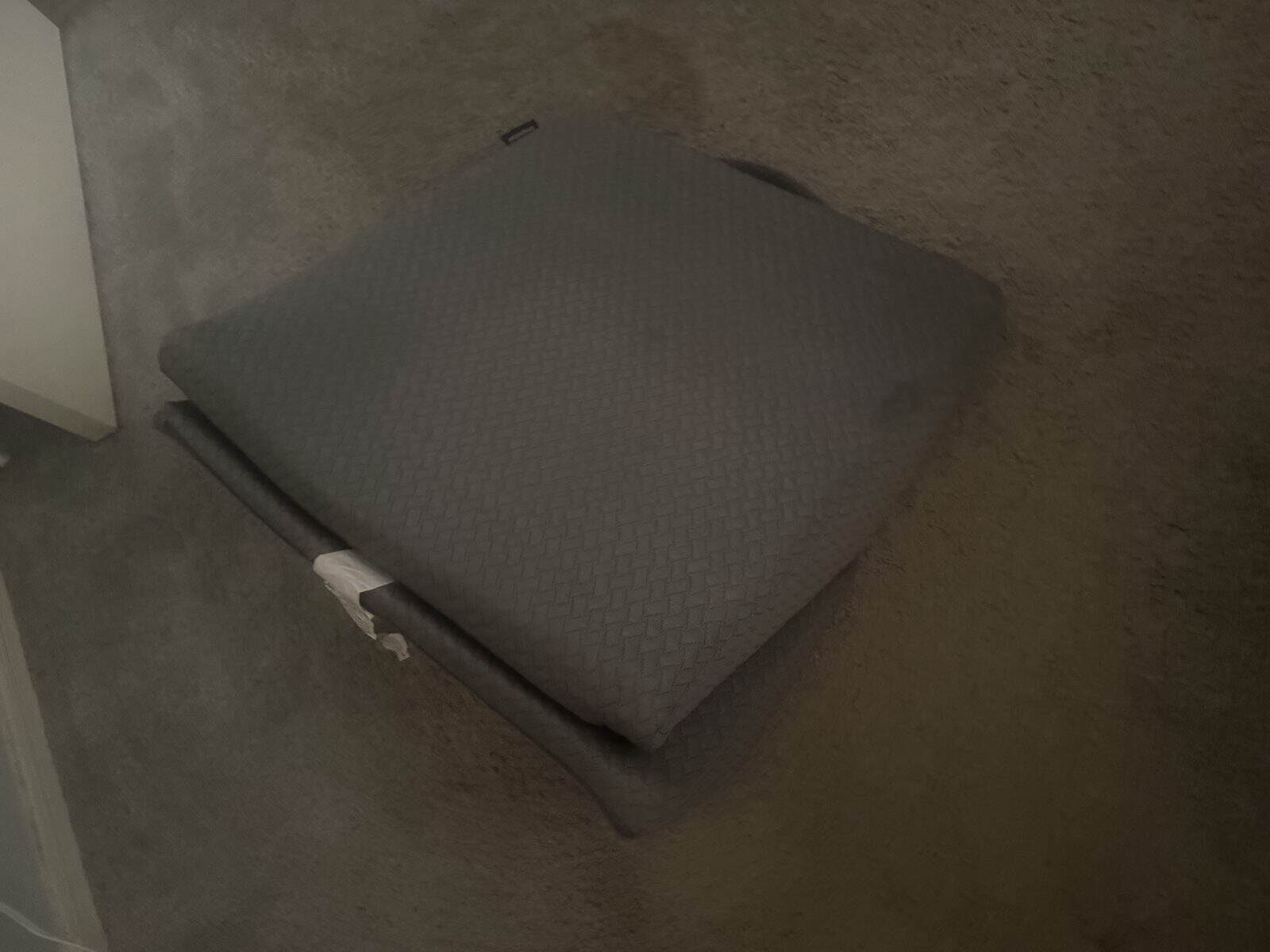
Getting the setup right makes leg elevation something you will actually keep doing. The most comfortable approach is a firm wedge or leg-elevation pillow that raises your calves and knees without you having to hold them up, so your muscles can fully relax. A contoured shape with a dip for the knees supports the legs along their whole length rather than bending them at one sharp point, which is why that style is so easy to lie back on. Aim to get your legs comfortably above heart level, but not so steep that it feels like a strain. Pair it with a relaxed activity, reading, watching TV, or simply resting, and the time passes without effort. This is exactly how I use mine, letting my sore legs decompress while I do something else, which turns a small health habit into part of unwinding.
Recommended Reading
- foam wedges for leg elevation, the comfortable way to do it.
- the best bed wedge pillows, more options.
- how to use a wedge pillow, positioning it right.
- what height wedge pillow you need, for legs.
- how to stop a wedge from sliding, keep it steady.
Common Misconceptions
Higher and longer is always better
Above heart level for about 15 minutes at a time is the usual guidance. Extreme heights or marathon sessions are not necessary and can be uncomfortable.
Leg elevation cures vein disease
It eases symptoms and improves comfort but is not a cure. Ongoing vein problems need evaluation and treatment from a professional.
It works the same sitting on the couch
Real benefit comes from raising the legs above heart level. Feet resting on a low stool are more comfort than circulation help.
Elevating Your Legs FAQ
Should you elevate your legs above your heart?
For circulation and swelling benefits, yes. Raising the legs above heart level is what lets gravity help blood and fluid return toward the heart. A wedge or a stack of pillows under the calves usually achieves the right height comfortably.
How long should you keep your legs elevated?
Around 15 minutes at a time, a few times a day, is a common recommendation. You do not need to be exact, and a relaxed session with your legs up while reading or watching TV works well as a regular habit.
Does elevating your legs help you sleep?
It can help you feel relaxed and relieve tired legs before bed, which may make settling easier. Many people use leg elevation while winding down rather than all night, since maintaining the position through sleep is harder.
Can elevating your legs reduce swelling in the ankles?
Often yes, because raising the legs helps fluid drain away from the lower legs and ankles. Persistent or one-sided ankle swelling, though, should be checked by a doctor rather than treated with elevation alone.
Is it bad to elevate your legs every night?
For most people it is fine and comfortable. If you have a heart or circulatory condition, check with a doctor first, since elevation is not appropriate for everyone. Used as a relaxing habit, regular leg elevation is generally considered safe.
What is the best way to elevate your legs in bed?
A firm wedge or leg-elevation pillow under the calves and knees works best, keeping the legs comfortably above heart level without you having to hold them there. A contoured wedge with a dip for the knees is especially comfortable for this.
Explore more: our guide: how to relieve pain better sleep, how to use a foam roller before bed.
