
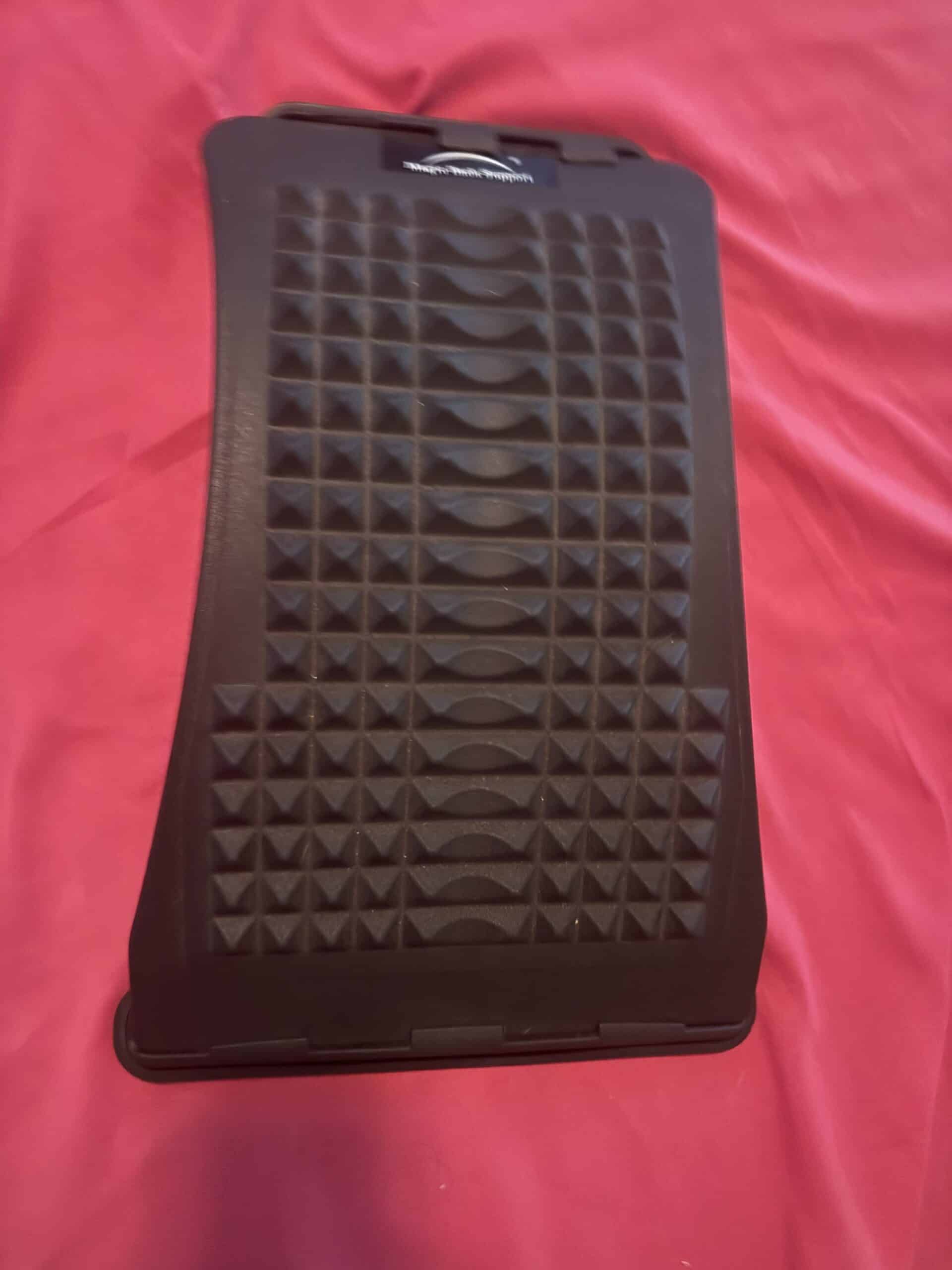
A back stretcher, also called a lumbar stretching arch, is a curved device you lie back over to gently arch and stretch your spine, and using it correctly makes it more comfortable and effective. This guide explains how to use one, how to start gently, and the safety points to keep in mind. It is general information, not medical advice, so if you have a back condition or any doubts, check with a doctor or physical therapist before using one. For product options and comparisons, see our guides to the best back stretchers and back stretcher vs foam roller.
Quick Answer
To use a back stretcher, place it on a firm flat surface, start on the lowest arch setting, and slowly lower your back over the curve so it sits under your mid or lower back. Begin with short sessions of a minute or two, keep the stretch gentle rather than painful, and get off by rolling to one side. Build up gradually, and check with a professional first if you have any back condition or doubts.
Key Takeaways
- A back stretcher is a curved arch you lie back over to gently extend the spine.
- Start on the lowest arch setting and build up gradually as your back adapts.
- Use short sessions at first, and get off by rolling to one side rather than sitting straight up.
- It should feel like a gentle stretch, never sharp pain, numbness, or tingling.
- Check with a doctor or physical therapist first if you have a back condition or any doubts.
What a Back Stretcher Does
Understanding what a back stretcher is meant to do helps you use it correctly and set realistic expectations.
How it works
A back stretcher is a curved arch you lie back over, using your body weight to gently extend the spine in the opposite direction to how it hunches during sitting. Many have multiple height or arch settings so you can adjust how deep the stretch is. The idea is a passive, gentle stretch rather than a forceful one.
What people use it for
People use back stretchers to gently stretch the back, ease the stiffness that builds from sitting, and counter a hunched posture. It is a low-effort way to add a back stretch to the day. It is a comfort and mobility tool, not a treatment for a medical condition.
How to Use a Back Stretcher Step by Step
Using a back stretcher is simple, but starting gently and building up matters, especially at first.
Start on the lowest setting
Most back stretchers have adjustable arch levels, and it is best to begin on the lowest, gentlest setting to let your back get used to the stretch. Starting too aggressively can cause discomfort. You can increase the arch gradually over days or weeks as it feels comfortable.
Position it correctly
Place the stretcher on a firm, flat surface like the floor, and sit in front of it, then slowly lower your back over the arch so the curve sits under your mid or lower back. Position it where you want the stretch, and keep the movement slow and controlled. Support yourself with your hands as you lie back.
Ease onto it slowly
Lower yourself gently rather than dropping onto the arch, letting your spine settle over the curve. Relax your arms overhead or by your sides once you are comfortable. The stretch should feel like a gentle extension, never sharp or painful.
Start with short sessions
Begin with short sessions of perhaps a minute or two, then get up slowly by rolling to one side rather than jerking upright. Build up the time gradually as your back adapts. Short, regular sessions are better than one long, aggressive one.
Safety Tips and When to Be Careful
A back stretcher is generally gentle, but a few precautions keep it safe and comfortable.
Stop if it hurts
A back stretcher should produce a mild, comfortable stretch, not pain. If you feel sharp pain, numbness, tingling, or worsening discomfort, stop using it and rest. Pain is a signal to stop, not to push through.
Get up carefully
Rolling to one side and using your arms to push up, rather than sitting straight up, protects your back when getting off the stretcher. Moving slowly avoids a sudden strain after the muscles have relaxed. Take your time transitioning off.
Check with a professional first
If you have a back condition, a disc problem, osteoporosis, are pregnant, or have any doubts, talk to a doctor or physical therapist before using a back stretcher. They can advise whether it is suitable and how to use it for your situation. This is general information, not medical advice.
Used gently and built up gradually, a back stretcher can be a comfortable way to stretch the back, but it is a wellness tool rather than a treatment, and any back pain that is severe, persistent, or worrying should be discussed with a healthcare professional.
Recommended Reading
- Best Back Stretchers
- Back Stretcher vs Foam Roller
- Back Stretcher vs Neck Traction
- How to Use a Foam Roller
Frequently Asked Questions About Using a Back Stretcher
How long should I use a back stretcher for?
Start with short sessions of about a minute or two, then build up gradually as your back adapts, and always stop if you feel pain. Short, regular sessions are generally better than one long, aggressive stretch, but follow any guidance from a professional.
How often can I use a back stretcher?
Many people use a back stretcher once or a few times a day in short sessions, building up gradually, but the right frequency is individual. If you have a back condition, ask a doctor or physical therapist how often is appropriate for you.
Which setting should I start on?
Begin on the lowest, gentlest arch setting to let your back get used to the stretch, then increase the height gradually over days or weeks as it feels comfortable. Starting too aggressively can cause discomfort.
Should a back stretcher hurt?
No, a back stretcher should produce a mild, comfortable stretch, not pain. If you feel sharp pain, numbness, or tingling, stop using it, and consult a professional if discomfort continues.
How do I get off a back stretcher safely?
Roll to one side and use your arms to push yourself up, rather than sitting straight up, and move slowly to avoid straining your back after the muscles have relaxed. Taking your time getting off protects your back.
Who should not use a back stretcher?
People with certain back conditions, disc problems, osteoporosis, those who are pregnant, or anyone with doubts should check with a doctor or physical therapist before using one. A professional can advise whether it is suitable for your situation.
Are back stretchers good for lower back stiffness?
Many people find a back stretcher helps ease the stiffness that builds from sitting by gently extending the spine, though it is a wellness tool rather than a treatment. If stiffness is persistent or painful, it is worth seeing a professional.
Stretching sits inside a wider pain approach. sleeping better with pain covers the options.
