
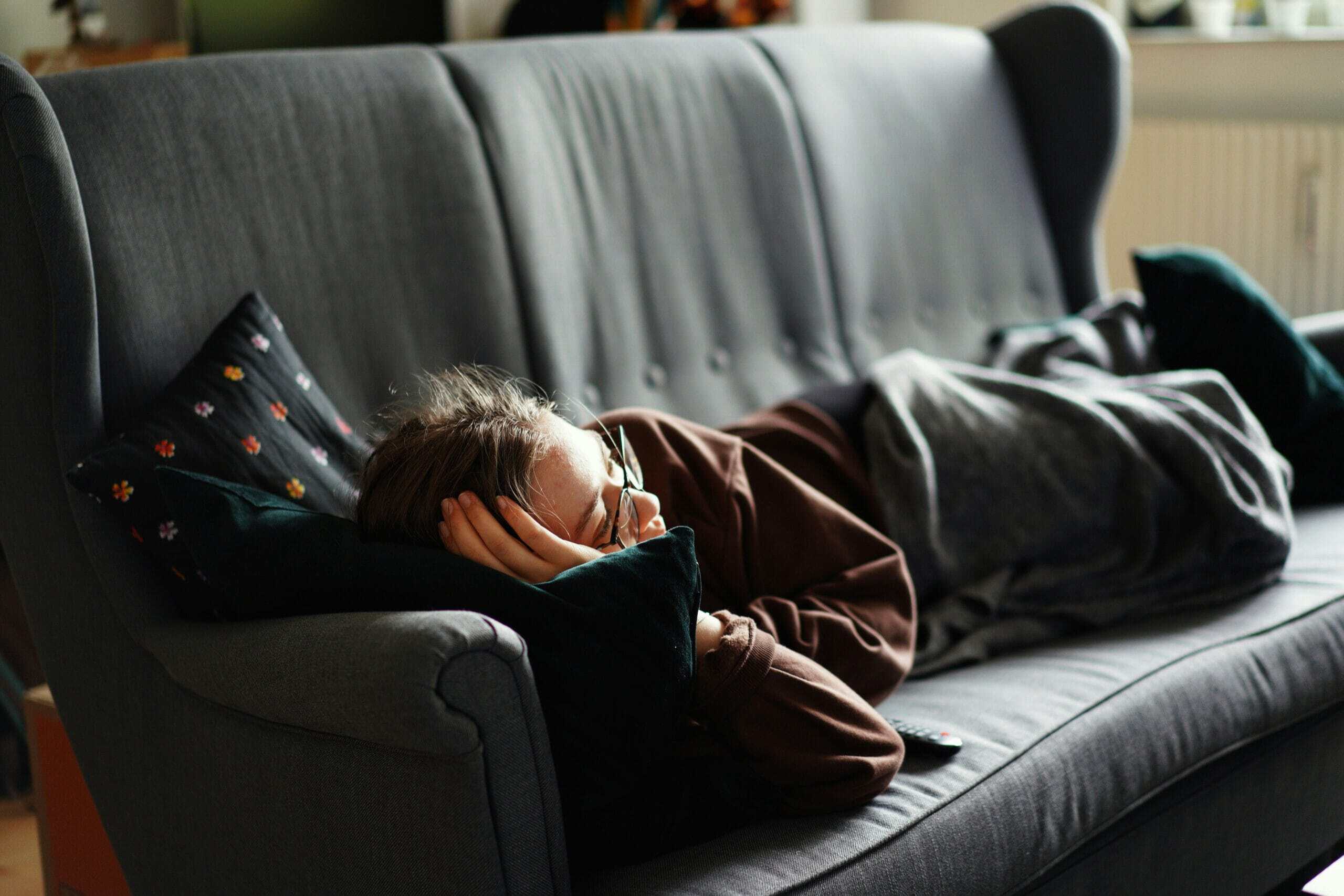
Napping has a complicated relationship with nighttime sleep. The right kind of nap can boost daytime function without disrupting nighttime rest. The wrong kind of nap can wreck the entire next night. Most people are vaguely aware that napping affects night sleep, but aren’t sure when to nap, how long, or whether to nap at all. For our current top picks, see the best night sweats solutions for better sleep guide.
The variables that matter are surprisingly specific: timing of the nap, duration, individual sleep architecture, and what you’re trying to accomplish. Get those right, and naps can be a useful tool. Get them wrong, and you create the all-too-common pattern of grogginess after a long nap followed by trouble falling asleep that night.
Key Takeaways
- Short naps (10-30 minutes) generally don’t disrupt night sleep and can boost alertness; longer naps often do
- Naps in the early afternoon (around 1-3 PM) are usually fine; late afternoon naps (after 4 PM) commonly disrupt night sleep
- Naps that include deep sleep produce grogginess on waking; very short naps avoid this
- People with insomnia or fragile night sleep often benefit from skipping naps entirely
How Sleep Pressure Works
To understand naps and night sleep, you need to know about sleep pressure. As you stay awake, a chemical called adenosine accumulates in your brain. The accumulation produces the feeling of growing tiredness throughout the day. By bedtime, accumulated sleep pressure is high enough that you fall asleep relatively easily.
Sleeping reduces adenosine levels. A full night’s sleep clears most of the accumulated pressure. A nap also clears some, depending on the duration and depth.
This is the basic mechanism that creates the nap-night-sleep tension. If you nap and clear significant sleep pressure during the day, you’ll have less pressure built up by bedtime. Less pressure means harder time falling asleep and potentially lighter sleep through the night.
The implication: short naps that clear minimal sleep pressure don’t disrupt night sleep much. Long naps that clear substantial sleep pressure can disrupt night sleep significantly. The relationship is dose-dependent.
For more on how sleep cycles work generally, see our article on understanding sleep cycles.
The Short Nap Window
Naps under about 20-30 minutes don’t typically include deep sleep stages. The body enters light non-REM sleep but doesn’t progress to slow-wave deep sleep before the nap ends. This produces several practical advantages.
Minimal sleep pressure dissipation. The light sleep clears some adenosine, but not enough to substantially affect night sleep timing or quality. You can nap and still fall asleep normally at bedtime.
No deep sleep inertia. Waking from light sleep is easy. You feel alert quickly, sometimes within a few minutes. Compared to waking from deep sleep, which often produces 10-30 minutes of grogginess and confusion.
Genuine alertness boost. The brief rest plus the brief sleep is enough to restore some cognitive function. Research consistently shows improved alertness, reaction time, and short-term memory after 15-20 minute naps.
The “power nap” concept is built on this short-nap window. The 20-minute nap is one of the more reliable interventions for fighting through afternoon fatigue without sacrificing night sleep.
The Long Nap Problem
Naps longer than about 30-45 minutes start to include deeper sleep stages, which changes the equation significantly.
Deep sleep inertia. Waking from deep slow-wave sleep produces the disoriented heavy-headed feeling that can persist for an hour or more. Many people who “nap to feel better” actually feel worse for an extended period after waking because of this inertia.
Significant sleep pressure dissipation. A 60-90 minute nap includes meaningful deep sleep, which clears substantial sleep pressure. This often translates to difficulty falling asleep that night, lighter sleep, or earlier-than-desired morning waking.
Disrupted nighttime sleep architecture. Even if you do fall asleep that night, the sleep is often less deep than usual because you got some of your deep sleep during the day. Total restorative quality of the night’s sleep can be reduced.
The pattern of a long afternoon nap followed by a bad night’s sleep is one of the more common sleep complaints, especially in older adults, retired people, or anyone with flexible schedules that allow extended naps.
The Full Cycle Nap
An exception to the “long naps are bad” rule: if you can nap for a full sleep cycle (approximately 90 minutes), you exit during a lighter sleep phase rather than deep sleep. This avoids the worst of the sleep inertia. Naps make more sense against a running total, and the sleep debt calculator shows what the week actually owes.
Full-cycle naps work for some specific situations:
Severe sleep deprivation where catching up on sleep matters more than night sleep quality.
Shift workers who need to sleep at unusual times.
Travelers managing jet lag with strategic napping.
But for most people in normal life, 90-minute naps disrupt night sleep too much to be a good regular practice. The short nap is the safer default.
Timing Matters
When you nap affects how much it disrupts night sleep, possibly more than how long you nap.
Early afternoon (roughly 1-3 PM). This is the natural circadian dip when most adults experience some fatigue. A short nap here often works well: it falls when your body is naturally biased toward sleep, the sleep pressure dissipation is minimal because there’s still a long stretch before bed to rebuild, and the natural energy rebound after this dip helps you bounce back into the rest of the day.
Mid-afternoon (3-4 PM). Borderline. Often still OK for short naps. Long naps in this window start to interfere with night sleep.
Late afternoon (after 4-5 PM). Generally a bad time to nap. Too close to bedtime to allow sleep pressure to rebuild. Late afternoon napping is the most reliable way to ruin a night’s sleep.
Evening. Almost always disrupts night sleep significantly. Even a short evening “doze on the couch” can interfere with sleep onset hours later. People who do this regularly often end up with chronic sleep onset insomnia.
The “no naps after 3 PM” rule is a reasonable simplified guideline. Some people can extend it; many can’t.
Who Should Nap and Who Shouldn’t
Napping affects different people differently. Some people benefit from regular naps; others should skip them entirely.
People who benefit from naps:
Those who sleep well at night and just want a midday boost. Short naps provide cognitive benefit without cost.
Shift workers and people with non-standard schedules. Strategic napping is often part of their sleep management.
People recovering from sleep deprivation (new parents, those after travel, etc.). Naps help bridge until normal sleep resumes.
Older adults whose night sleep has fragmented naturally with age. Sometimes a short daytime nap improves overall daily function without making night sleep worse.
People who should usually skip naps:
Those with insomnia. Naps almost always make insomnia worse by reducing sleep pressure at night. Most insomnia treatment protocols explicitly prohibit napping during the active treatment phase.
People with sleep maintenance issues (waking in the middle of the night). Similar logic: lower sleep pressure means lighter sleep and more wake-ups.
Anyone who finds that naps consistently produce worse night sleep. The pattern is informative; if naps disrupt night sleep for you, the cost outweighs the benefit.
For more on managing insomnia specifically, see our pillar on how to fall asleep faster.
The Coffee Nap
A specific technique combining caffeine with napping. The idea: drink coffee or another caffeine source, then immediately lie down for a 20-minute nap. By the time you wake, the caffeine has reached peak effect (caffeine absorption takes around 20-30 minutes) just as you’re emerging from light sleep.
Research suggests this produces more alertness boost than caffeine alone or napping alone. The caffeine blocks adenosine; the nap clears more adenosine; the combination produces sharper alertness on waking.
The technique works for short naps where you can fall asleep quickly. If you can’t sleep after drinking coffee, the technique doesn’t help (you just get caffeine without the nap benefit). People who tolerate caffeine well often respond best.
The caveat: caffeine at this hour can affect night sleep. The coffee nap is best as an emergency intervention rather than a daily practice, and the caffeine timing still needs to respect your individual sensitivity. For more on caffeine and sleep specifically, see our article on tired after coffee.
📑 Recommended Read: If napping is disrupting your night sleep and you’re not sure what’s working, sleep aids that support natural night-sleep architecture without dependency may help. Quality varies dramatically. Check out our tested breakdown of the sleep aids for adults for options grounded in evidence rather than marketing.
Naps and Specific Situations
Working remotely or with flexible schedules. The opportunity to nap creates both temptation and risk. Build a clear rule: short naps (20 minutes), early afternoon only, and only when you genuinely need them. Avoid the “I’m tired so I’ll just lie down” pattern that often turns into a 90-minute disruption.
Post-meal sleepiness. Common after lunch, especially heavy meals. A short post-lunch nap can be genuinely useful. Limit it to 20 minutes; set an alarm to avoid drifting into deeper sleep.
New parents. The “sleep when the baby sleeps” advice often translates to nap whenever possible. The conventional wisdom isn’t wrong but it sometimes produces disrupted night sleep that compounds the broken nights with the baby. Try to consolidate sleep when possible; nap only when truly needed.
Older adults. Tendency to nap increases with age. For some, this works fine. For others, it gradually fragments night sleep and degrades overall sleep quality. Worth experimenting with: try a week without daytime naps to see if night sleep improves.
Recovery from illness. Extra sleep is appropriate when the body needs to recover. Don’t worry about disrupting night sleep when actually unwell; the body’s needs override the usual rules.
Athletes and high-intensity training. Naps can support recovery. Research with athletes often shows benefit from afternoon naps for cognitive and physical performance. The benefit-cost balance differs for high-intensity training compared to sedentary lifestyles.
Common Mistakes and How to Avoid Them
Napping for hours. The most common nap mistake. Set an alarm. 20 minutes is the target for most situations.
Napping in late afternoon or evening. Almost always disrupts night sleep. The temptation is highest when you’re already sleep-deprived, but giving in usually makes the next night worse.
Treating naps as the solution to chronic sleep deprivation. If you’re consistently not sleeping enough at night, naps are bandaid. The underlying night sleep needs to improve.
Napping while having insomnia. Counterproductive. The naps further reduce nighttime sleep pressure, making insomnia worse. Most sleep specialists prohibit napping during insomnia treatment.
Napping in bed. Can create the same conditioning issue as other “bed equals being awake” patterns. Naps are often better taken on couches or chairs to preserve bed-equals-sleep association for nighttime.
Forcing naps when not tired. Lying down trying to sleep when not sleep-pressured rarely works and may create anxiety about napping. Skip the nap if it’s not happening naturally.
Ignoring how naps affect your specific night sleep. The general patterns hold but individual variation is real. Pay attention to your specific response and adjust.
Drinking caffeine after a nap with intent to “feel awake.” The caffeine timing then often pushes too close to bedtime. Coffee nap before sleeping is sometimes useful; coffee after the nap to wake up is often a problem.
If You Can’t Stop Napping But Want Better Night Sleep
Some people find themselves regularly napping despite the night sleep cost. Several approaches help:
Shorten the naps. Even cutting from 90 minutes to 45 minutes reduces the cost meaningfully.
Move them earlier. Pushing a 3 PM nap to 1 PM helps significantly.
Set an alarm without snooze. The temptation to “just five more minutes” turns short naps into long ones.
Use a less comfortable surface. A nap on a couch is harder to extend than a nap in bed. The discomfort caps the duration naturally.
Address the underlying tiredness. Persistent need to nap often signals inadequate night sleep, vitamin deficiencies, or sometimes medical issues. Addressing the root cause beats managing the symptom.
Frequently Asked Questions
How long should I nap? 20 minutes is the standard recommendation for most people. Short enough to avoid deep sleep and inertia, long enough to provide cognitive benefit.
What’s the latest I can nap without affecting night sleep? Generally before 3 PM. Some people can extend this; many can’t. The closer to bedtime, the more disruption.
Will napping help with chronic fatigue? May provide some short-term relief but doesn’t address the underlying cause. If you need daily naps to function, the night sleep needs attention or there may be medical issues worth investigating.
Why do I feel worse after a long nap? Sleep inertia from waking out of deep sleep. The grogginess can persist 30-60 minutes after waking. Shorter naps avoid this.
Can I nap if I have trouble sleeping at night? Generally no. Naps reduce nighttime sleep pressure, which usually makes insomnia worse. Skip the naps until night sleep improves.
Are naps really beneficial or just compensating for bad sleep? Both. Short naps have genuine cognitive benefits even for well-rested people. But they also help compensate for inadequate sleep. Mixed motivations don’t change the underlying value.
Why do older people nap more? Lighter night sleep, fragmented sleep patterns, lower base activity, and biological changes with age all contribute. Some napping is fine; excessive napping can further degrade night sleep.
Should I nap with my phone? Setting an alarm yes. Active phone use no. The light and stimulation of phone use disrupts nap quality and may make it harder to actually fall asleep.
Recommended Reading
See also our guides to how screens affect sleep, how to sleep better on night shift, and why do i dream so much.
Related Reading
Explore more: how to sleep better on night shift, night sweats solutions for better sleep, how screens affect sleep, Waking Up with a Sore Jaw? Why You Grind Your Teeth at Night, restless legs at night, mattresses for menopause night sweats, and how to reduce night sweats.
Our guide to whether you can catch up on sleep on weekends covers the same sleep debt question over a longer window.
